
KI-Erkenntnisse in konkrete Maßnahmen überführen

Trends
Categories
MRO facility set to boost self-reliance in aircraft maintenance
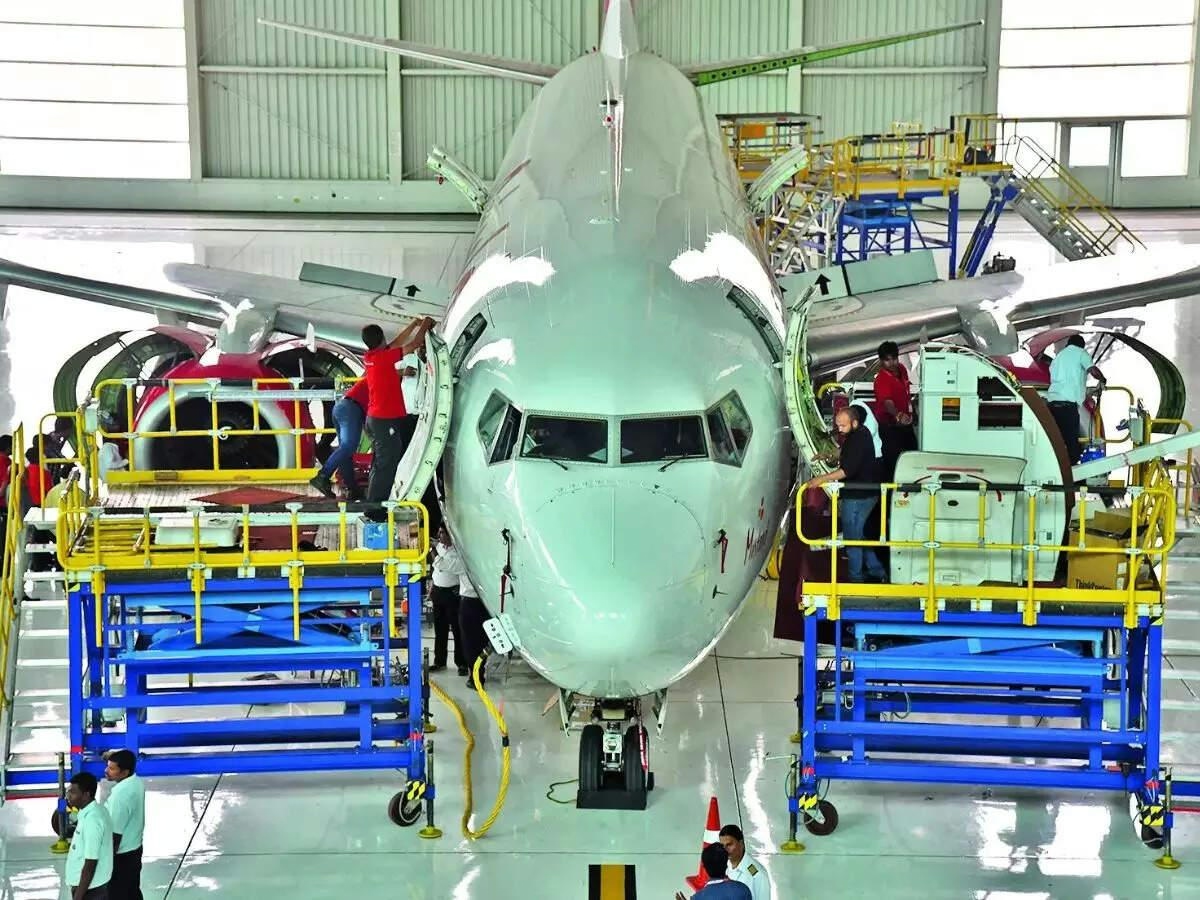
MRO Facility Set to Boost Self-Reliance in Aircraft Maintenance
A Strategic Step Towards Domestic Capability
Prime Minister Narendra Modi laid the foundation stone for a cutting-edge Maintenance, Repair, and Overhaul (MRO) facility at Noida International Airport on Saturday, marking a pivotal moment in India’s pursuit of self-reliance in aircraft maintenance. This initiative aims to reduce the country’s heavy dependence on foreign MRO services, which currently account for approximately 85% of aircraft maintenance work being outsourced abroad. The resulting outflow of foreign exchange has long been a concern for the government, which now seeks to reverse this trend by fostering domestic capabilities.
Prime Minister Modi underscored the urgency of developing a robust MRO sector within India, aligning the project with the broader ‘Atmanirbhar Bharat’ (self-reliant India) vision. The new facility, established in partnership with Akasa Air, is designed to serve as a state-of-the-art centre for aircraft maintenance, repair, and technical services. It is expected to not only cater to the needs of Indian airlines but also position India as a regional hub capable of servicing aircraft from other countries.
Economic and Industry Implications
The establishment of the Noida MRO hub is anticipated to bring multiple benefits to the domestic aviation industry. By enabling Indian carriers to conduct maintenance locally, the facility will help reduce turnaround times and operational costs significantly. Moreover, the project is poised to generate substantial employment opportunities, particularly for young professionals seeking training and careers in aircraft maintenance and aviation technology.
However, the sector’s expansion is not without challenges. Industry experts, including representatives from AerSale, have highlighted the intense competition in the market for used aircraft and engines, which has created a highly competitive feedstock environment. As demand for domestic MRO services grows, competitors such as StandardAero and West Star Aviation are actively expanding their footprints by acquiring new facilities and enhancing their service offerings to capture a larger share of the market.
Geopolitical uncertainties also present risks to the sector’s stability. Conflicts in regions like Iran have the potential to disrupt supply chains and delay maintenance schedules, which could impact the overall growth trajectory of India’s MRO industry.
Despite these hurdles, the inauguration of the Noida MRO facility represents a significant strategic investment. It signals India’s intent to emerge as a key player in the global aviation maintenance landscape, supporting both economic development and technological progress.

Engine Checks Conducted 70 Times Per Second Before Every Takeoff

Bell Australia Expands Aftermarket Services with New Hydraulics Capabilities

Brussels Airport Starts Building Quieter Aircraft Engine Test Facility

EVA Air Orders Five LEAP-1A Spare Engines Worth $131 Million

Vietnam's Aviation Law 2025: Implications for Investment and Aircraft Financing

Manna Air Launches Delivery Service in Tulsa
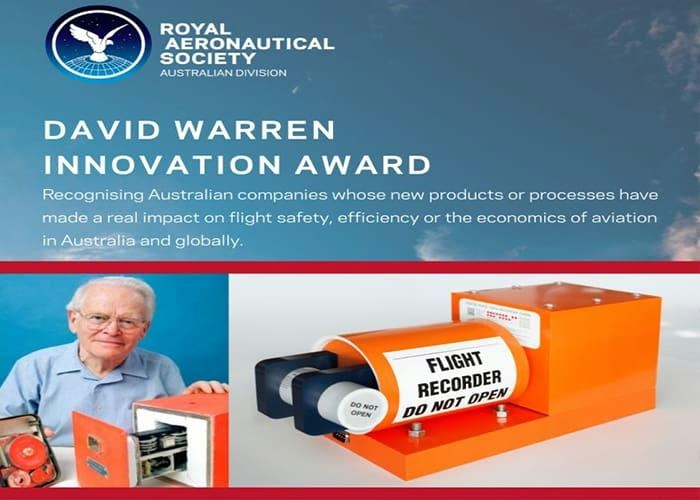
Royal Aeronautical Society Australia Broadens Eligibility for David Warren Innovation Award
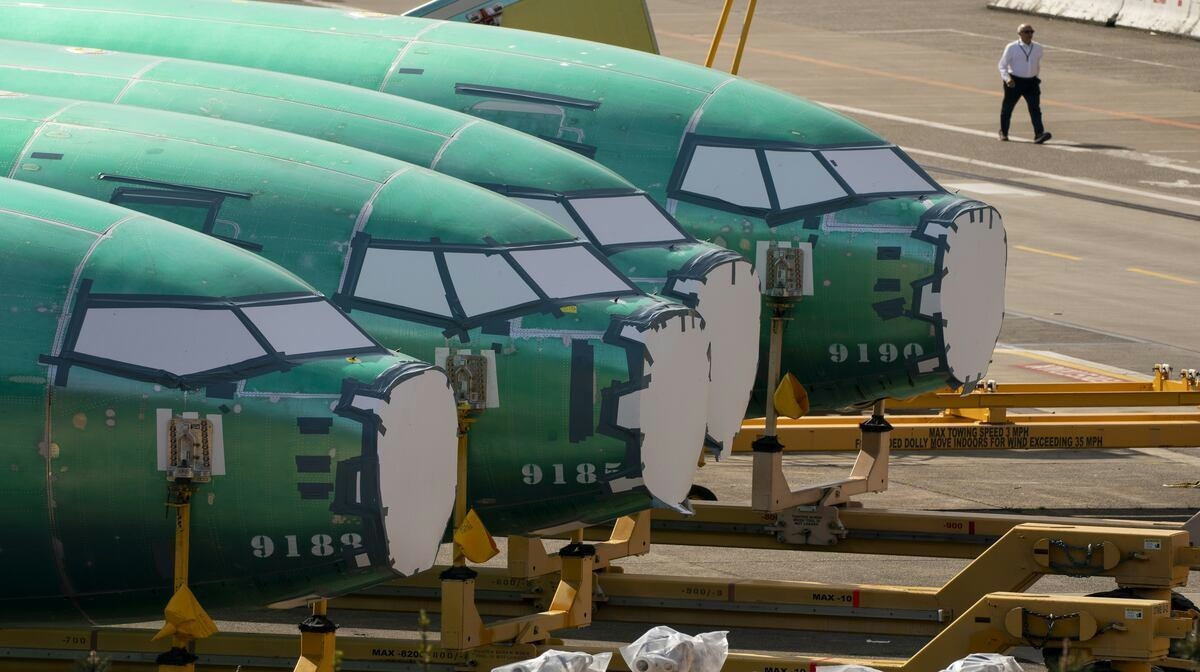
Boeing Chief Says Company Needs More Time to Stabilize Finances Before Launching New Jet

American Airlines Removes Passengers from Connecting Flights They Could Still Reach

Ryanair Expands AI Capabilities Using Google Cloud
