
KI-Erkenntnisse in konkrete Maßnahmen überführen

Trends
Categories
New AI Flight Technologies Transform International Air Travel
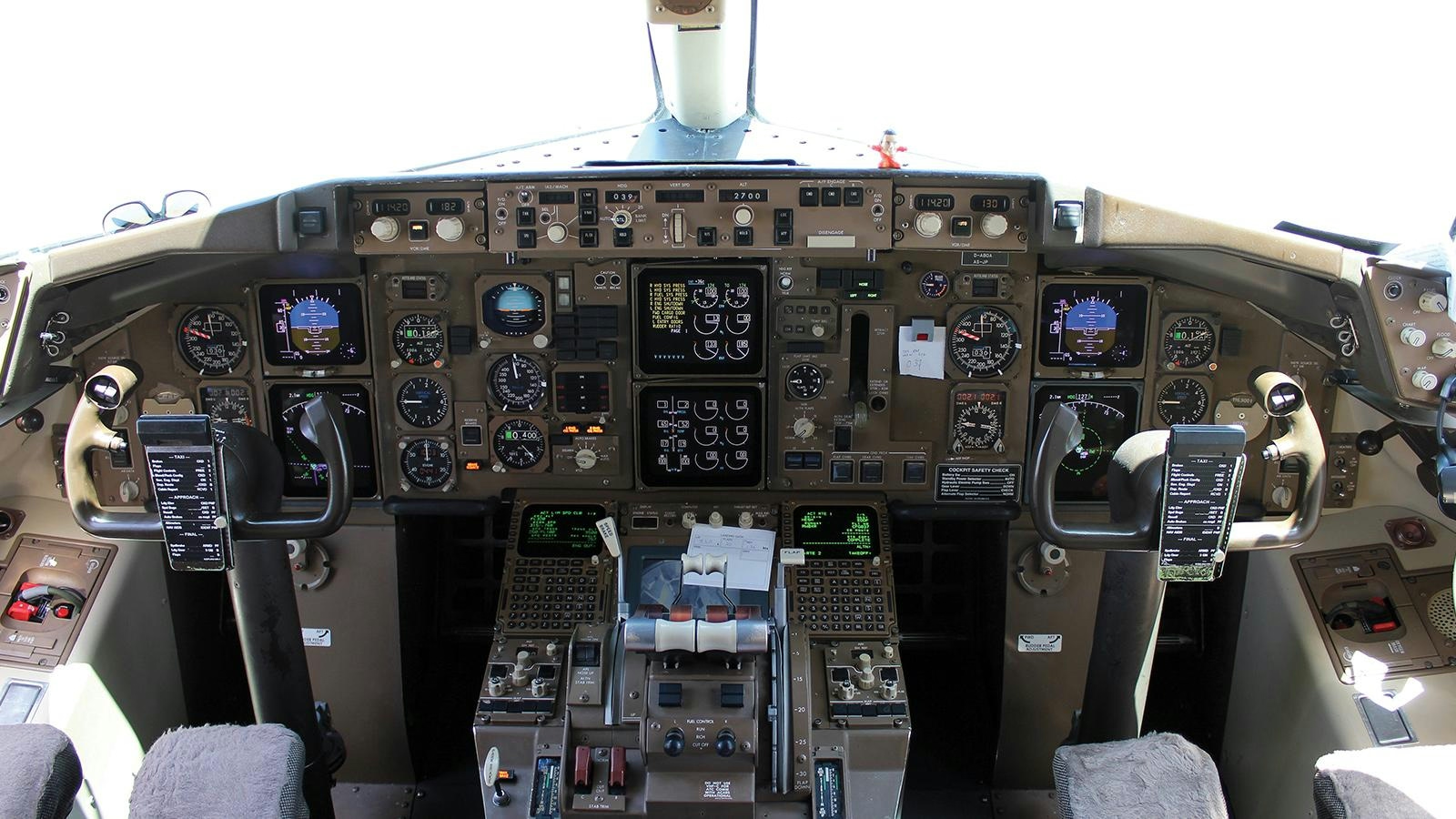
New AI Flight Technologies Transform International Air Travel
Advanced artificial intelligence is rapidly revolutionizing international air travel, with countries such as the United States, India, the United Arab Emirates, Singapore, and Qatar spearheading a comprehensive transformation across major global aviation hubs. Airlines and national carriers in these regions are integrating AI-driven systems into their commercial flight operations, fundamentally enhancing both passenger experience and operational efficiency.
Seamless Automation Enhances Passenger Experience
Airlines are increasingly deploying intelligent tools that automate baggage handling, streamline ticket rebooking, and reduce wait times at airport terminals. Predictive data networks combined with generative AI engines now oversee complex logistics, including luggage distribution and real-time itinerary adjustments. Passengers who opt into these systems benefit from bypassing traditional bottlenecks such as lengthy border control and customer service queues, resulting in smoother and faster transit through busy airports.
The United States Leads in Automated Disruption Management
In the United States, commercial airlines have pioneered the use of large language models embedded within passenger-facing mobile applications. These AI systems automatically recalculate routes and issue new boarding passes during disruptions caused by severe weather or technical issues, eliminating the need for travelers to wait in customer service lines. Real-time updates and context-aware navigation further enhance the travel experience, particularly for corporate travelers who prioritize reliability.
The Federal Aviation Administration (FAA) is also deploying AI tools aimed at reducing runway close calls and improving air traffic management, with the goal of alleviating nationwide flight delays. While these initiatives hold promise for significant improvements, industry analysts caution that the FAA’s target for full implementation by the end of 2028 may be ambitious, and the overall effectiveness of these solutions remains under close evaluation.
India’s Offline AI Innovations Address Connectivity Challenges
India’s aviation sector has introduced innovative smartphone features that combine conversational AI with advanced computer vision technology. The flagship carrier’s app, AI.g, assists travelers with baggage calculations and logistics tracking even when offline. This offline processing capability enables passengers to monitor luggage and manage travel details without relying on cellular connectivity, addressing a critical need for travelers in regions with inconsistent network coverage.
Global Market Reactions and Industry Adaptation
The rapid integration of AI in aviation is eliciting significant responses across the broader travel industry. Research conducted by the Global Business Travel Association and Radisson Hotel Group indicates that corporate hotel programs are increasingly incorporating AI to manage rising costs, enhance risk management, and improve traveler experiences. These developments reflect a wider trend of digital transformation as companies strive to balance cost savings with service quality in an increasingly complex market environment.
Challenges and the Path Forward
Despite the unprecedented comfort and efficiency delivered by AI-driven automation for both leisure and business travelers, several challenges persist. The rapid pace of technological change, regulatory complexities, and the imperative for robust cybersecurity measures remain ongoing concerns. As international aviation networks become more interconnected and intelligent, the industry’s capacity to fulfill the promise of seamless and reliable travel will depend on sustained innovation and meticulous implementation.
Advanced AI flight technologies are thus not only reshaping the way people fly but are also establishing new benchmarks for efficiency, safety, and passenger satisfaction on a global scale.

Etihad and Swissport Extend Global Partnership
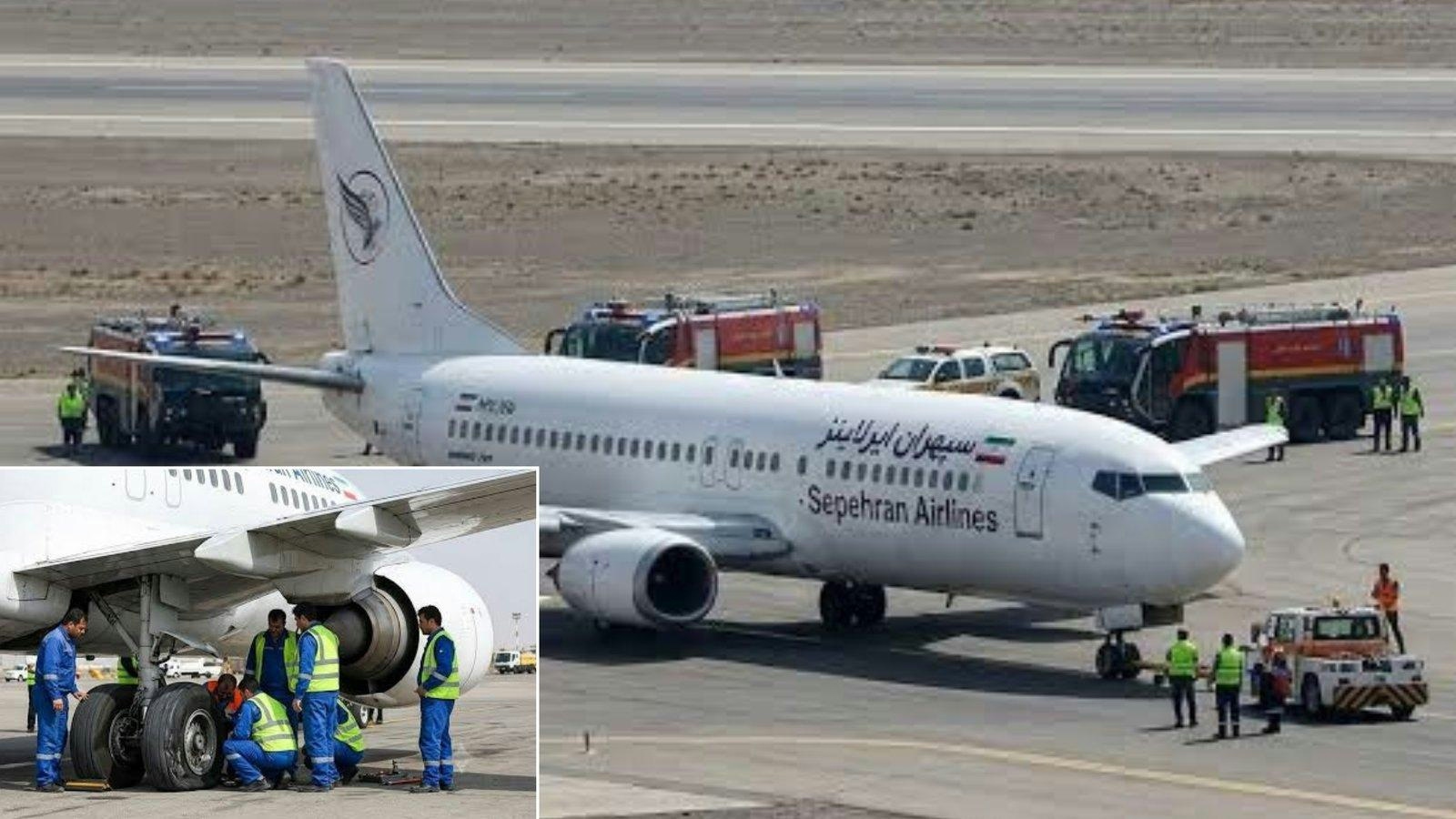
Sepehran Airlines B737 Returns to Mashhad After Tyre and Engine Issues

Etihad Deploys Widebody Fleet to Meet Strong Demand
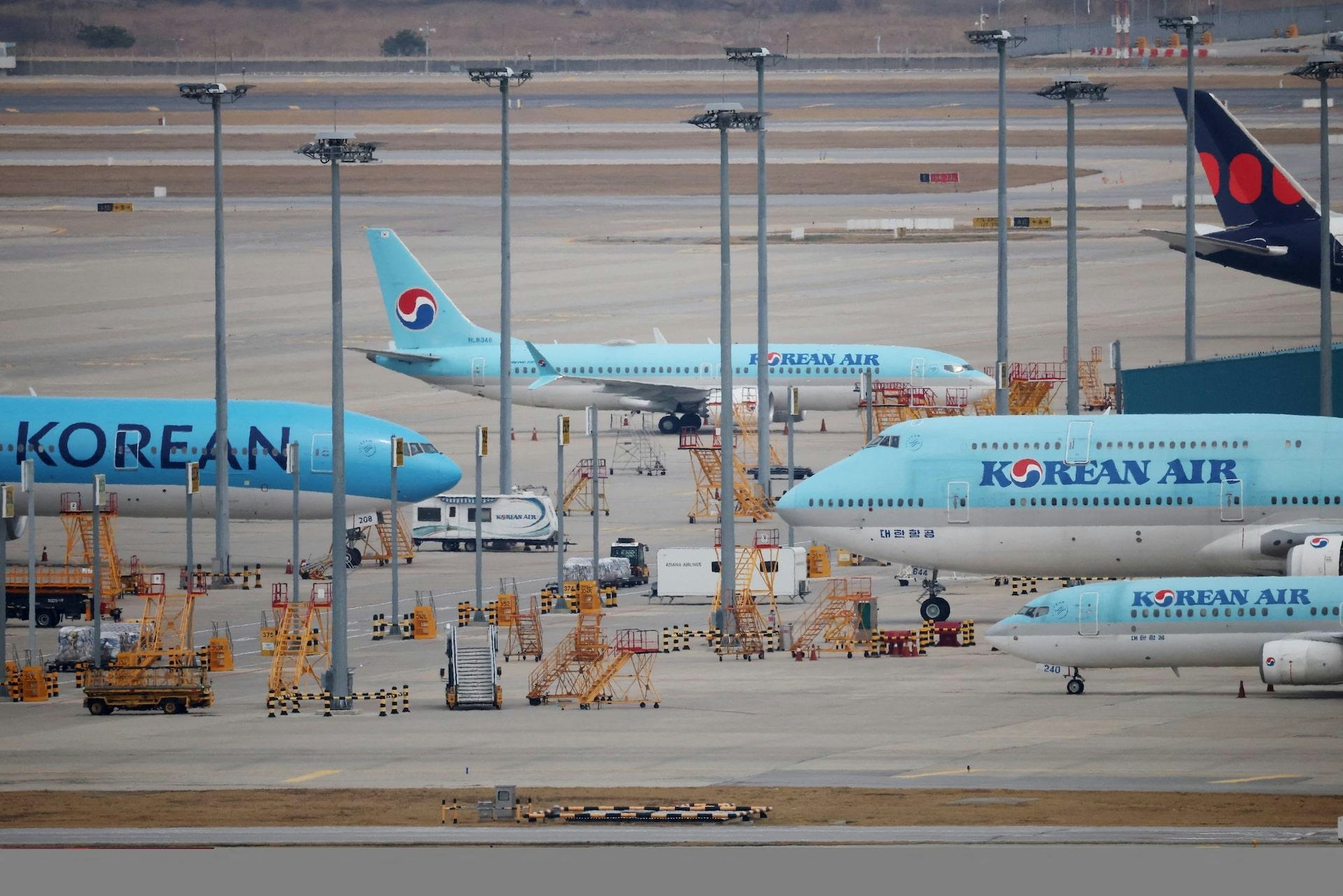
Korean Air Finalizes $36.2 Billion Deal with Boeing

Australia’s RFDS Queensland Section Orders Six King Air 260Cs

Korean Air Finalizes Order for 103 Boeing Jets and Engines
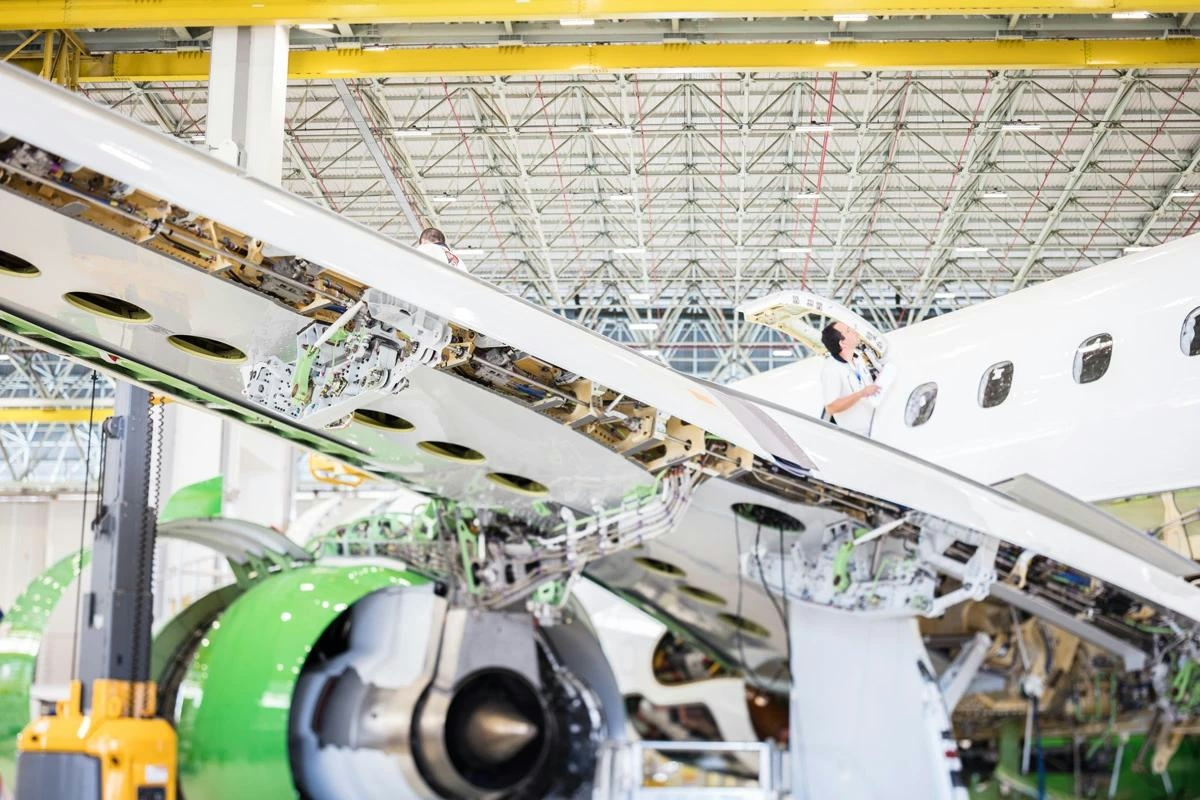
Embraer E195-E2 Features Distinctive Engine Placement Among Regional Jets

What Passengers Can Expect on Boeing’s New 777X Jet

How Ethiopian Airlines Became Africa’s Leading Carrier Amid Gulf Competition

Joby Aviation Extends Autonomous Flight Capabilities with Cross-Country Tour
