
KI-Erkenntnisse in konkrete Maßnahmen überführen

Trends
Categories
NTSB Identifies Fuel Leak and Faulty Installation in Airliner Engine Fire
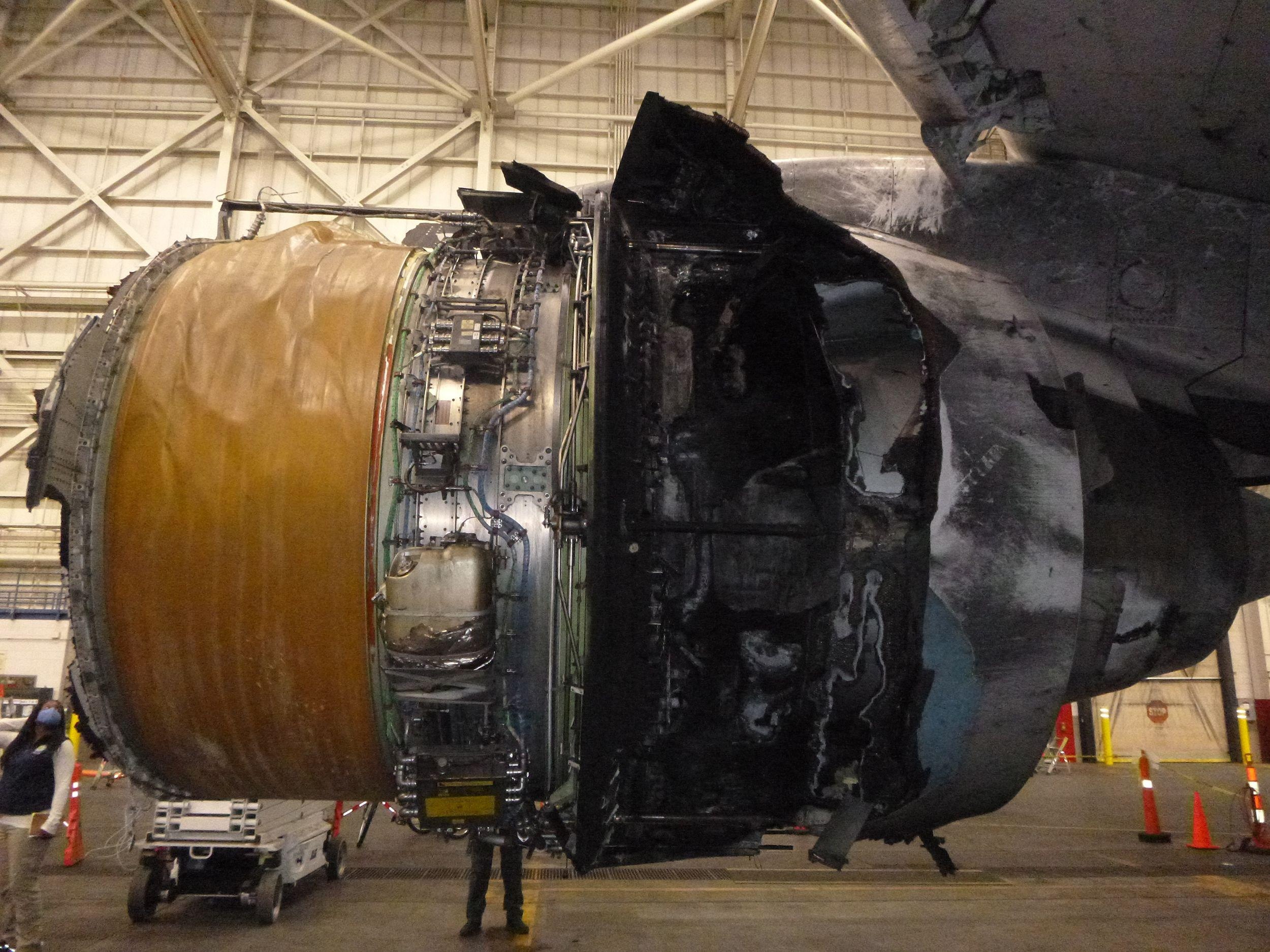
NTSB Identifies Fuel Leak and Faulty Installation in American Airlines Engine Fire
Preliminary Findings Reveal Maintenance Issues
The National Transportation Safety Board (NTSB) has released a preliminary report detailing maintenance deficiencies linked to a fire in the right engine of an American Airlines Boeing 737-800. The aircraft experienced the incident after landing in Denver in March. While the investigation remains ongoing and is expected to conclude next year, the report highlights a fuel leak caused by improperly installed engine components as a significant factor in the event.
The NTSB’s findings indicate that one engine part was found loose and installed incorrectly, while another was improperly fastened, resulting in a fuel leak. Photographic evidence included in the report shows visible fuel streaks on the engine’s exterior. Additionally, airport surveillance footage captured a trail of fluid leaking from beneath the right engine as the plane taxied to the gate. Former NTSB and FAA investigator Jeff Guzzetti, upon reviewing the report, suggested that the evidence points to improper maintenance as the likely cause of the fuel leak and subsequent fire.
Incident Overview and Response
The incident occurred on March 13 during a flight from Colorado Springs to Dallas-Fort Worth, which diverted to Denver after the crew reported unusually high engine vibrations. Upon arrival at the gate, the right engine caught fire, prompting passengers to shout warnings as smoke began to fill the cabin. Flight attendants, unable to communicate with the cockpit crew, initiated an evacuation. Passengers exited the aircraft using the jetway, the right rear escape slide, and the left over-wing doors. The left rear door failed to open due to a jammed escape slide, which has since been sent to the manufacturer for further examination.
Twelve individuals sustained minor injuries and were hospitalized. The aircraft was carrying 172 passengers and six crew members at the time. Ground personnel managed to extinguish the fire within a minute, prior to the arrival of firefighters who addressed remaining hot spots.
American Airlines issued a statement affirming that the safety of customers and team members remains their highest priority and confirmed their cooperation with the NTSB investigation.
Industry Implications and Ongoing Investigation
The NTSB’s identification of maintenance lapses has intensified scrutiny from regulatory authorities and is anticipated to lead to heightened safety inspections across the airline industry. This incident adds to a series of recent aviation mishaps that have raised public concerns about air travel safety. Market analysts observe that such events can temporarily depress airline stock prices as investor confidence diminishes. In response, competing airlines may adopt enhanced safety protocols and issue public reassurances to maintain passenger trust.
The ongoing investigation underscores the critical importance of stringent maintenance and safety procedures throughout the aviation sector. Regulators and airlines face increasing pressure to uphold passenger safety and restore confidence in commercial air travel.

Etihad Airways Suspends Airbus A380 Flights on Key Route

Aditya Birla Group Seeks Approval for Aircraft Leasing in GIFT City

Qatar Airways Highlights Innovation and Connectivity at Arabian Travel Market 2026

Hong Kong's Five-Year Plan Includes Andrew Fan's Aircraft Parts Processing Hub Proposal

ACIA Aero Leasing Delivers ATR72-600 to Air Nostrum

RTX Appoints Jill Albertelli as Head of Pratt & Whitney

TAT Technologies Joins Beyond Aero Hydrogen Aircraft Program

AURAK Study Highlights Barriers to Air Taxi Adoption in Emerging Economies

Xiamen Air Selects Altitude for 787 Maintenance at Heathrow

Etihad and Swissport Extend Global Partnership
