
KI-Erkenntnisse in konkrete Maßnahmen überführen

Trends
Categories
On April 26, 1971, an SR-71 Blackbird Flew Over 15,000 Miles in 10.5 Hours, Limited by Liquid Nitrogen Supply
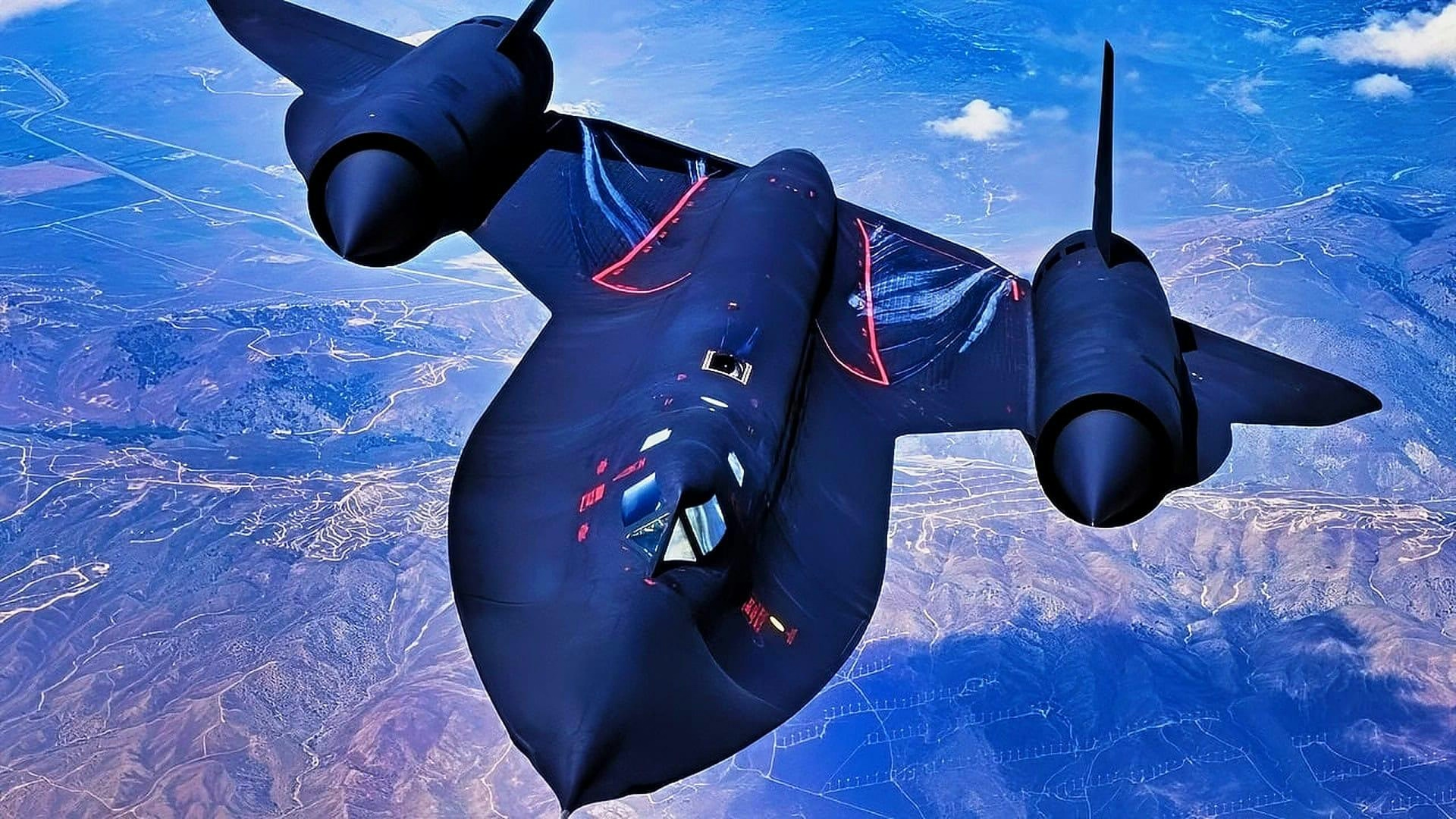
The Record-Breaking SR-71 Blackbird Flight of April 26, 1971
In the early hours of April 26, 1971, the SR-71 Blackbird, tail number 61-7968, departed Beale Air Force Base in California on a mission that would test the limits of the world’s fastest reconnaissance aircraft. While the Blackbird’s remarkable speed and altitude capabilities were well documented, its maximum endurance had yet to be fully explored. The flight sought to determine how long the aircraft could remain airborne, a question that ultimately hinged not on fuel capacity or crew endurance, but on the availability of liquid nitrogen.
The mission was initiated by General P.K. Carlton, commander of the Fifteenth Air Force, who authorized the 9th Strategic Reconnaissance Wing to conduct the first publicly recorded endurance flight of the SR-71. Piloted by Thomas B. Estes with reconnaissance systems officer Dewain C. Vick, the flight was officially intended to evaluate the performance of the J58 engines and airframe under extended operational stress. However, the underlying objective was to fly continuously until the aircraft’s supply of liquid nitrogen was depleted, with aerial refueling conducted as necessary to sustain fuel levels.
The Crucial Role of Liquid Nitrogen in SR-71 Operations
The SR-71’s dependence on liquid nitrogen was a direct consequence of the extreme thermal environment encountered at Mach 3 cruise speeds. The aircraft’s titanium skin could reach temperatures as high as 800 degrees Fahrenheit, while its six unlined fuel tanks contained JP-7 fuel, a substance that could become dangerously volatile if exposed to oxygen. To mitigate this risk, liquid nitrogen stored in Dewar flasks was vaporized and used to purge oxygen from the fuel tanks, maintaining an inert atmosphere at approximately 1.5 psi above ambient pressure. This inerting process was essential not only during flight but also during descent, preventing the tanks from collapsing due to external pressure changes.
On this historic flight, the Blackbird carried two 106-liter flasks of liquid nitrogen, which ultimately defined the mission’s duration. Once the nitrogen supply was exhausted, the flight was concluded regardless of remaining fuel or engine condition. The aircraft’s endurance was further constrained by other specialized consumables, including triethylborane, a chemical required to ignite the stable JP-7 fuel during afterburner relights, particularly following aerial refueling operations.
Flight Path and Strategic Impact
The meticulously planned flight path involved two complete loops around the continental United States, beginning at Beale Air Force Base and extending north to Montana, eastward to Ohio, down the Atlantic coast, west through Texas, and back to California. A shortened third lap was completed before the mission concluded. Over the course of ten and a half hours, the SR-71 covered more than 15,000 miles, supported by five aerial refuelings.
This extraordinary demonstration of endurance and technological prowess resonated deeply within the context of the Cold War, underscoring American air superiority and the advanced capabilities of the SR-71 program. The success of the mission likely influenced defense procurement strategies and prompted rival nations to accelerate their own reconnaissance aircraft development efforts. At the same time, the flight highlighted the operational complexities of such cutting-edge technology, particularly the critical limitation imposed by the finite supply of liquid nitrogen, which demanded precise logistical planning to fully exploit the aircraft’s exceptional performance.
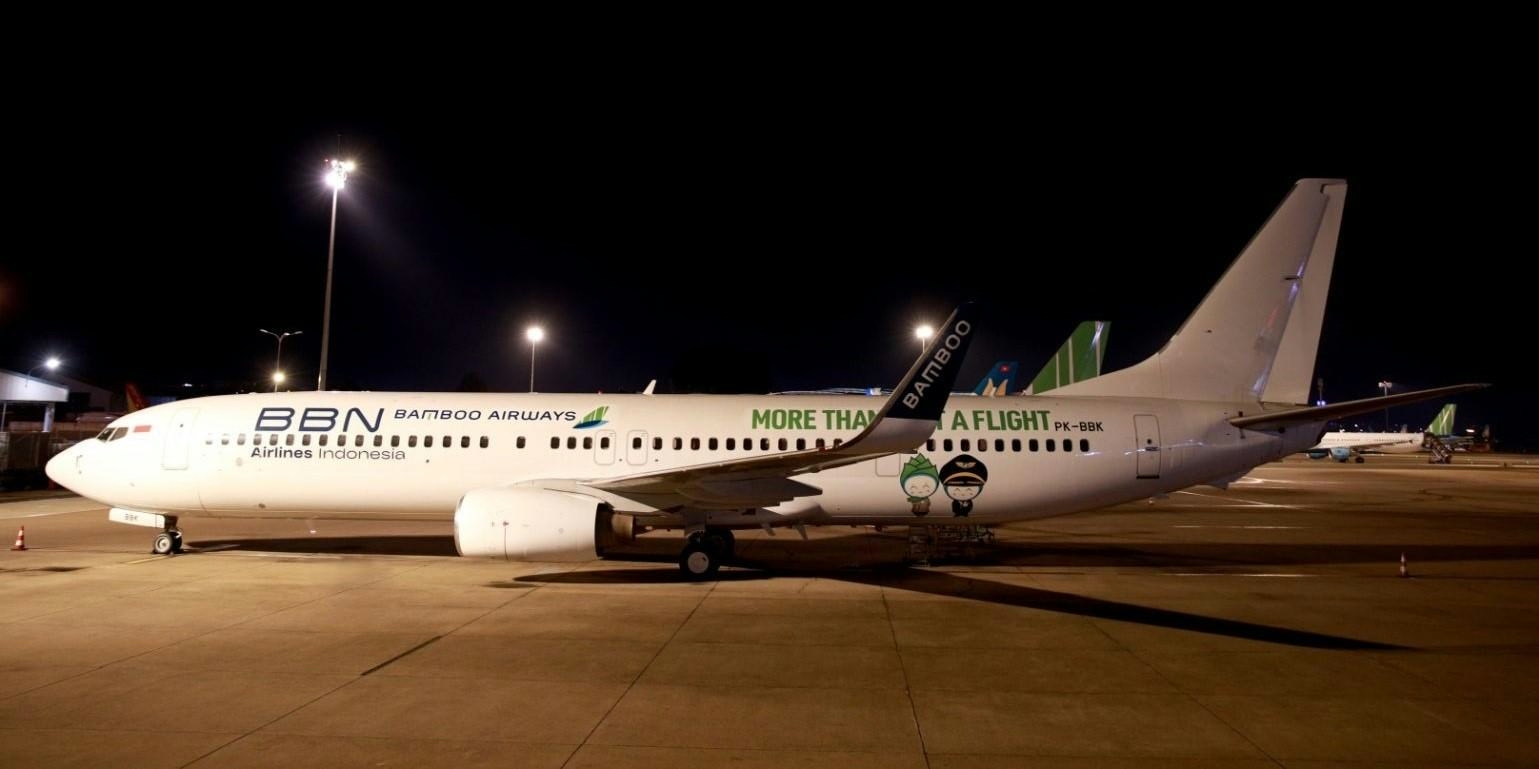
BBN Airlines Becomes IATA Member
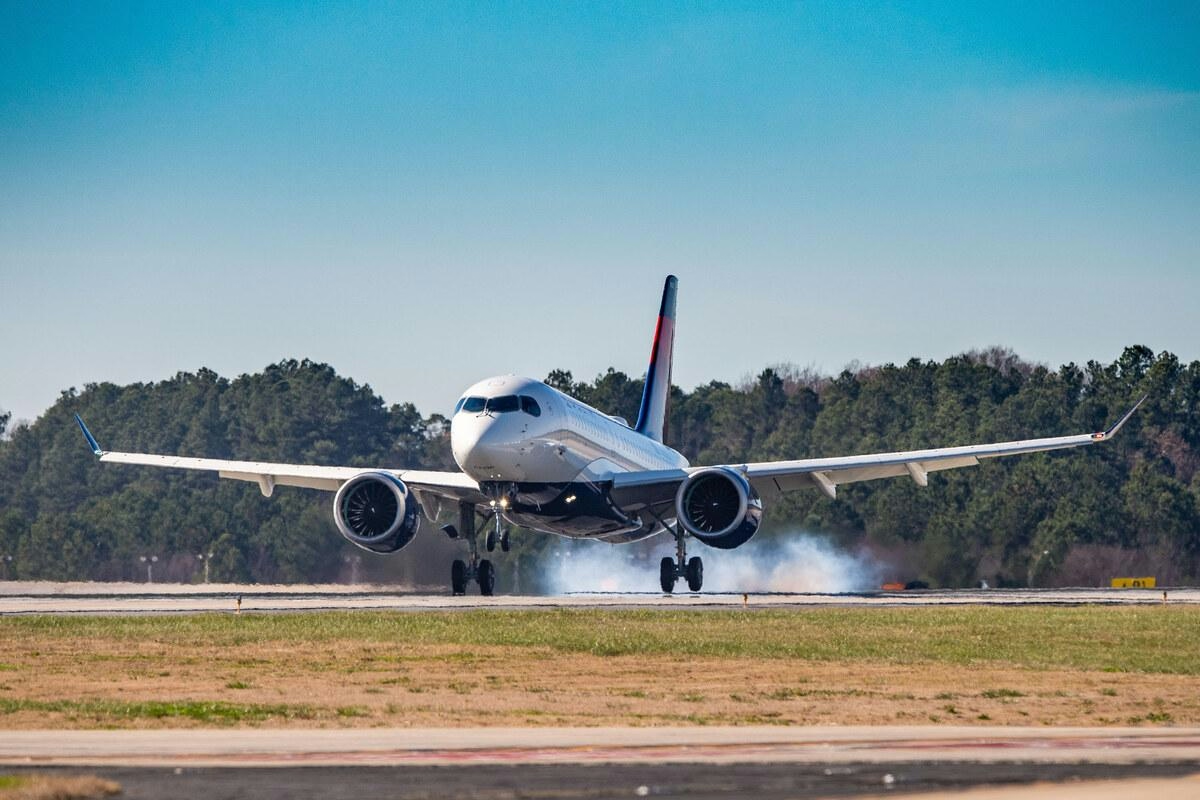
FAA Orders Breeze Airways and Delta to Inspect Airbus A220 Fuel Hoses

Philippine Aviation Navigates Expansion and Costs Amid Fuel Price Volatility
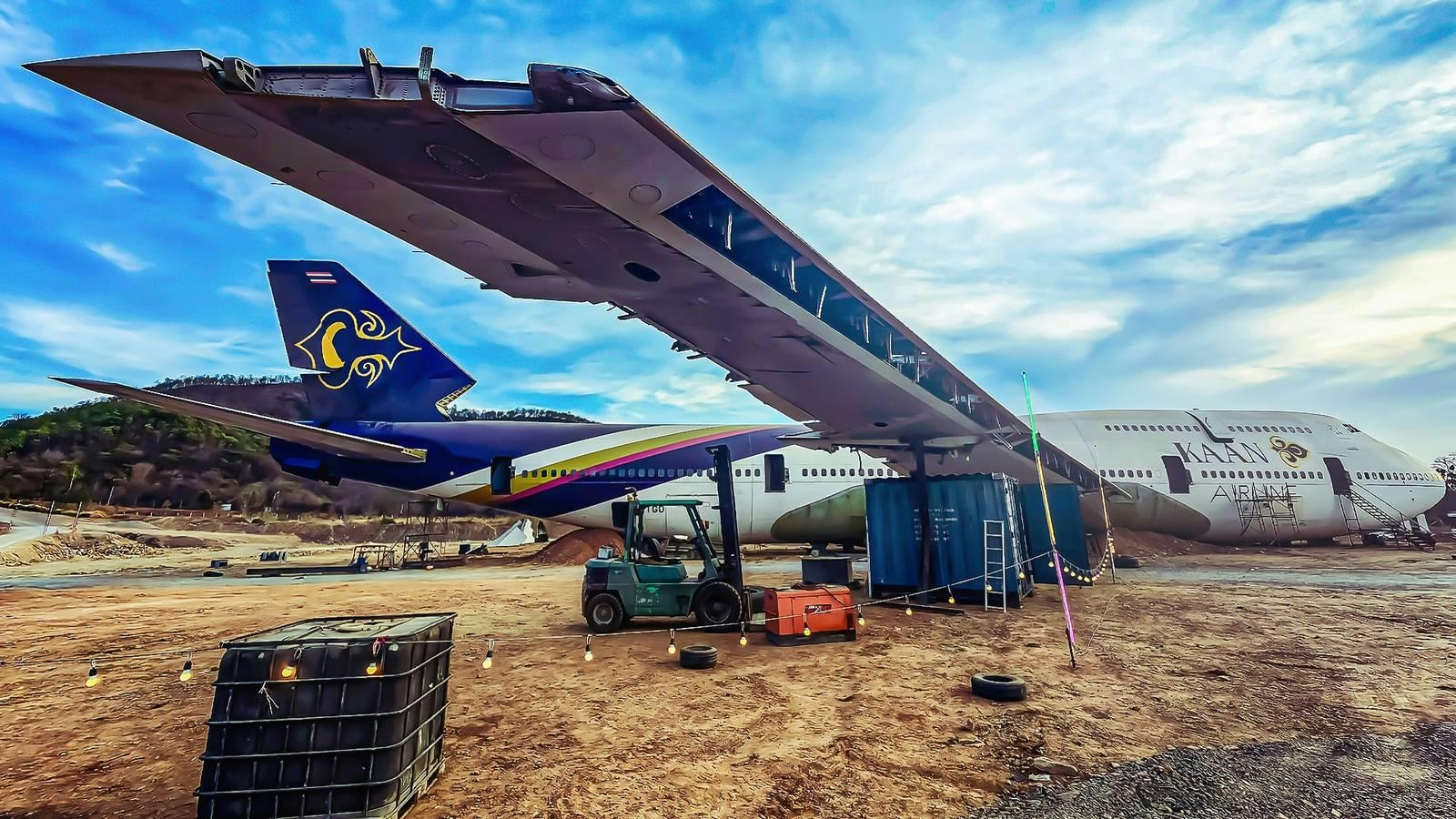
Boeing 747 Airframe Valued Less Than One Landing Gear Component
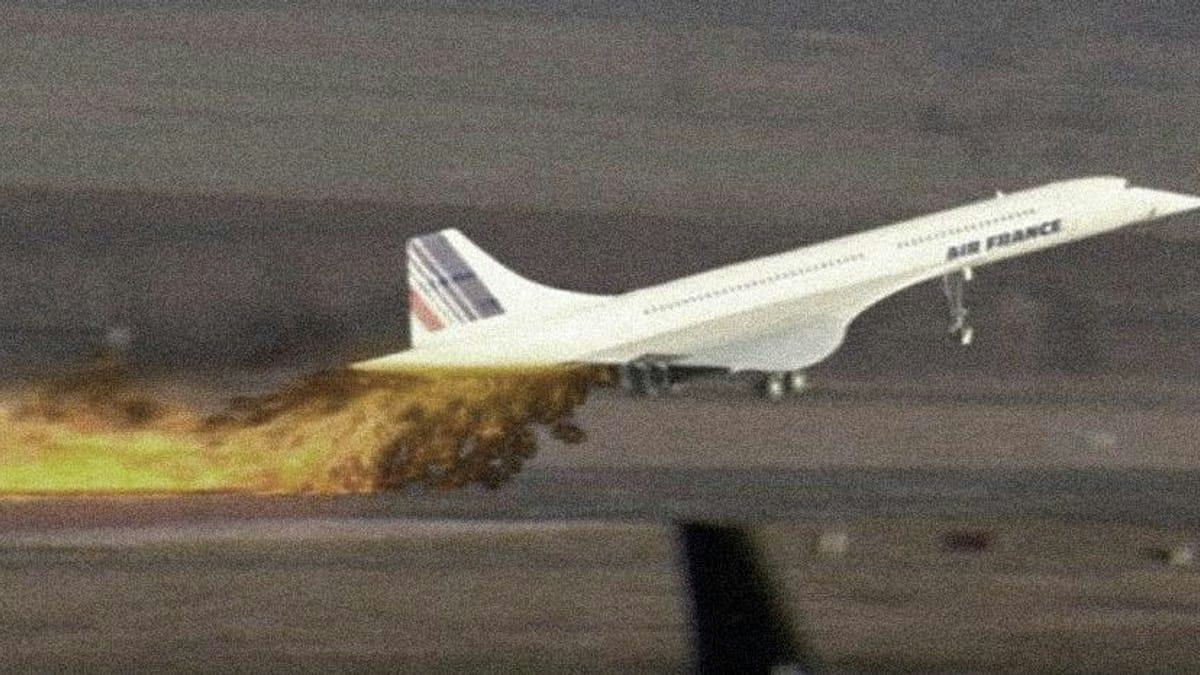
The Rear-Fan Engine Behind the Crash of the World's Fastest Airliner
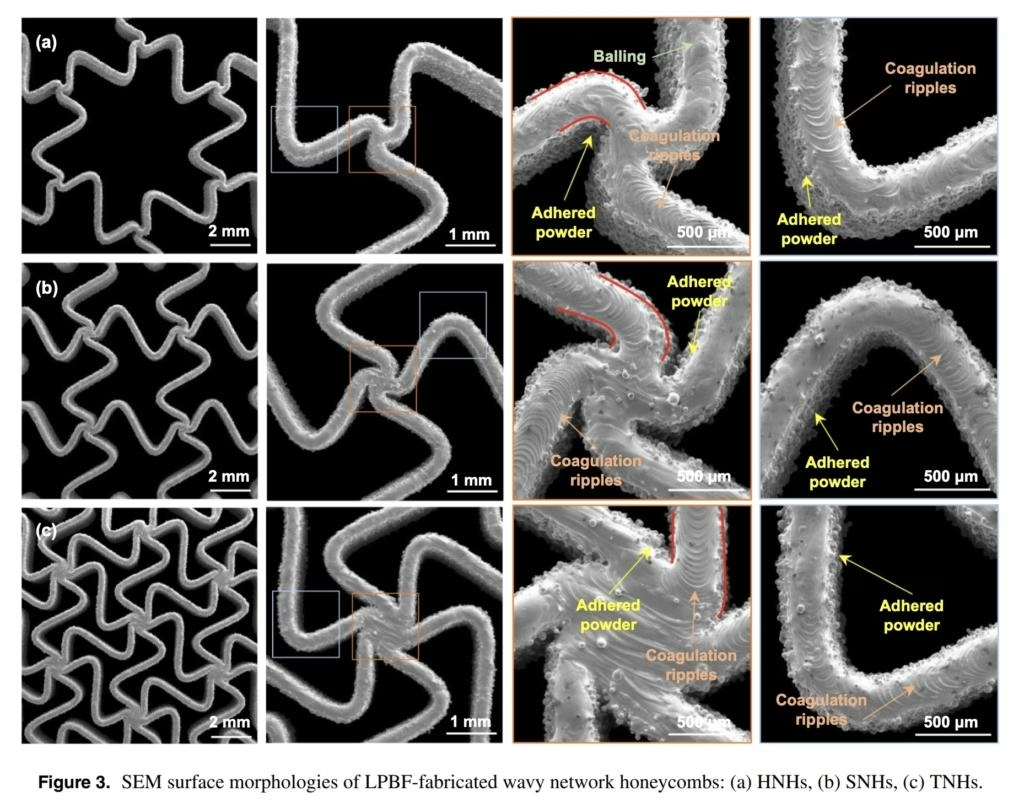
Morphing Aircraft Skin Improves Safety and Fuel Efficiency

BRICS Nations Commit to Enhanced Cooperation on Sustainable Transport and Green Aviation
CFM Turbine Upgrade Doubles LEAP Engine Service Life in Harsh Conditions
CFM Upgrade Doubles LEAP Engine Lifespan in Harsh Climates

Sonoma County Board of Supervisors Revisits Controversial Government Office Deal
