
KI-Erkenntnisse in konkrete Maßnahmen überführen

Trends
Categories
Pilot Training Crucial to EVTOL Success
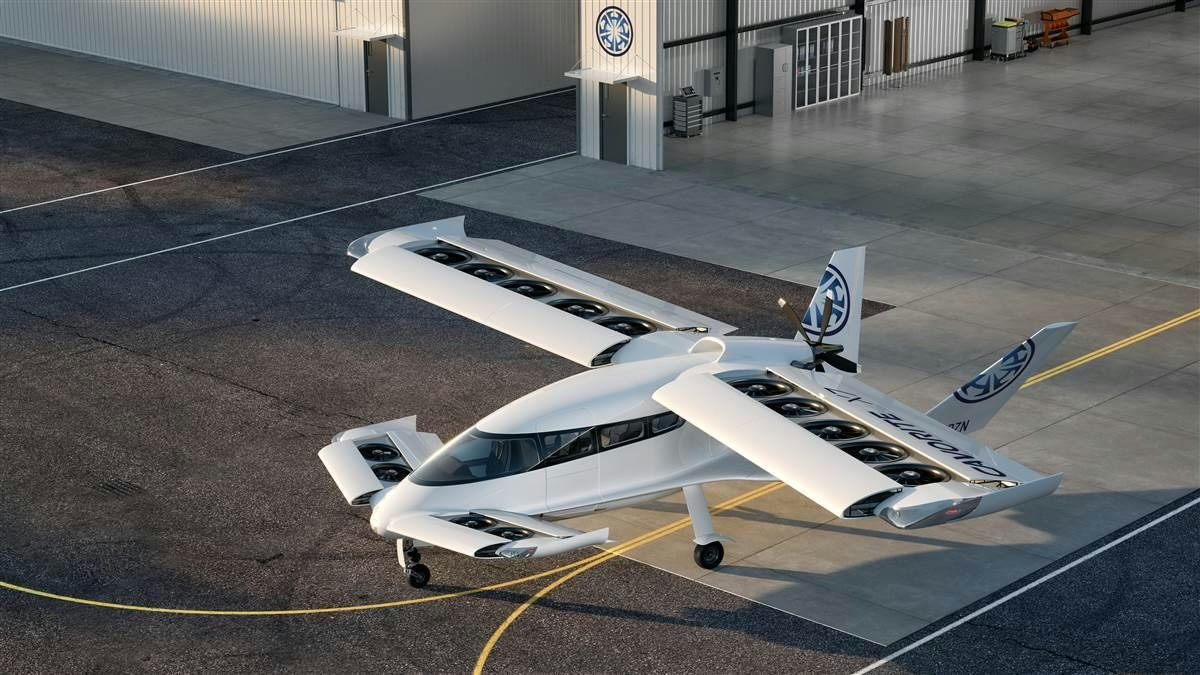
Pilot Training: A Cornerstone for eVTOL Industry Advancement
The electric vertical takeoff and landing (eVTOL) sector has long promised a transformative future for urban transportation, envisioning air taxis ferrying passengers swiftly from airports such as Singapore’s Changi to city centers. Despite ongoing technological advancements and optimistic corporate forecasts, significant obstacles remain before this vision can be fully realized. Among these, the establishment of rigorous pilot training systems has emerged as a critical factor underpinning the success of advanced air mobility (AAM).
Regulatory Framework and Pilot Qualification
Regulatory bodies including the Federal Aviation Administration (FAA) and the European Union Aviation Safety Agency (EASA) are actively shaping the operational and certification standards for eVTOL aircraft. While much of the public discourse has centered on aircraft certification, the development of a qualified pilot workforce tailored to the unique demands of eVTOL operations is equally vital.
In 2024, the FAA introduced a landmark rule that sets forth pilot certification and operational requirements specifically for eVTOL and other powered-lift aircraft intended for air taxi services. This regulation delineates detailed training protocols for both pilots and instructors, with a particular focus on single-pilot operations and the integration of advanced flight simulators. FAA Administrator Mike Whittaker highlighted the significance of this development, describing powered-lift aircraft as “the first new category of aircraft in nearly 80 years” and emphasizing that the rule “will pave the way for accommodating wide-scale Advanced Air Mobility operations in the future.”
Both the FAA and EASA have aligned their regulatory approaches by mandating that initial eVTOL pilots be licensed commercial airplane or helicopter pilots who subsequently obtain a specific type rating for eVTOL aircraft. Neither agency plans to issue eVTOL licenses to ab initio trainees, instead drawing from the existing pool of certified commercial pilots. This strategy acknowledges the distinct operational characteristics of eVTOLs, which diverge considerably from traditional aircraft and necessitate specialized training curricula.
Training Challenges and Industry Response
The extensive automation embedded in eVTOL systems introduces additional complexity to pilot training. Regulators emphasize the need for comprehensive instruction in systems management, energy monitoring, and automation oversight. Consequently, type rating training must extend beyond manual flying skills to encompass software-assisted flight management and procedures for abnormal system recovery. Flight simulation is expected to play a pivotal role, enabling pilots to safely rehearse emergency scenarios and operational protocols that would be hazardous or impractical to replicate in actual aircraft.
Market responses to these training imperatives are already taking shape. The FAA’s recent approval of a fourth Level D-qualified training solution for eVTOLs reflects the growing demand for sophisticated training technologies. Industry leaders such as Joby Aviation, Etihad Aviation Training, and simulator manufacturer CAE have introduced new products and programs designed to meet these evolving requirements. Meanwhile, competitors like Aerofugia are concentrating on integrating pilot oversight capabilities and advancing battery technologies to comply with emerging certification standards.
Infrastructure development is progressing alongside these training initiatives. The FAA’s establishment of an Advanced Air Mobility test range in Oklahoma City highlights the importance of dedicated facilities for training and operational integration of eVTOL aircraft. Concurrently, EASA’s Special Condition for VTOL framework is being incorporated into European aviation regulations, introducing new airworthiness certification criteria that address both physical integrity and digital security risks.
As the eVTOL industry advances toward the realization of urban air mobility, the creation of comprehensive and effective pilot training programs remains a defining challenge. It is a fundamental prerequisite for ensuring the safe and successful deployment of eVTOL air taxis on a global scale.

Etihad and Swissport Extend Global Partnership

Sepehran Airlines B737 Returns to Mashhad After Tyre and Engine Issues

Etihad Deploys Widebody Fleet to Meet Strong Demand

Korean Air Finalizes $36.2 Billion Deal with Boeing
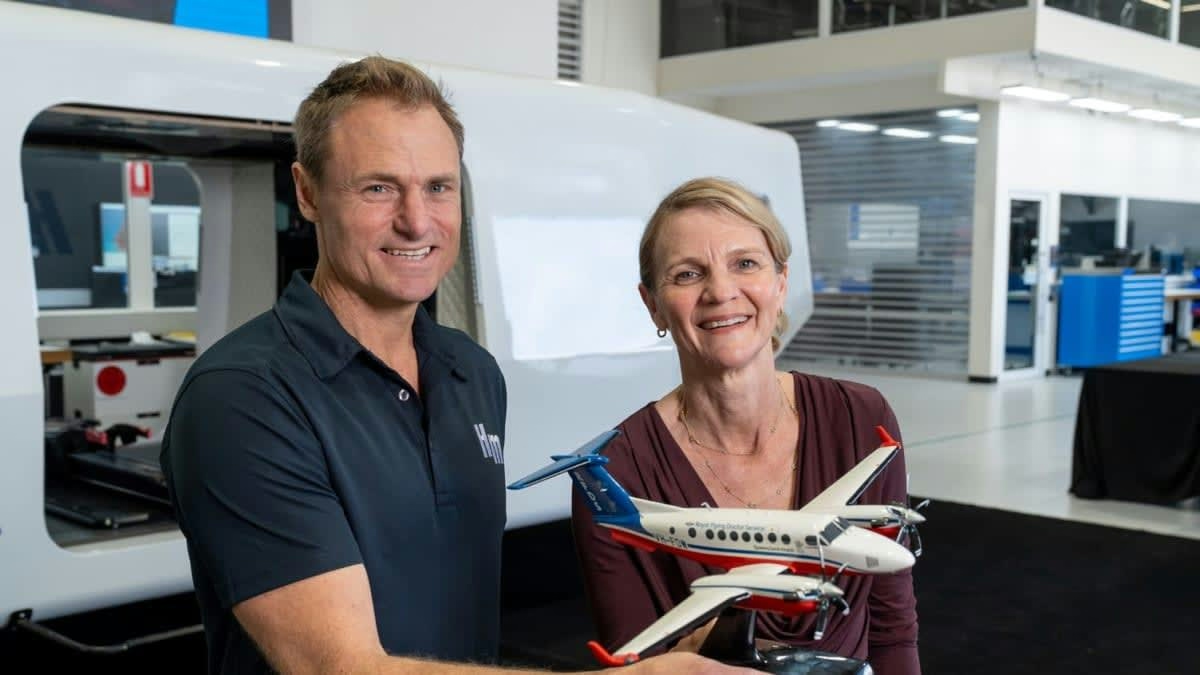
Australia’s RFDS Queensland Section Orders Six King Air 260Cs

Korean Air Finalizes Order for 103 Boeing Jets and Engines

Embraer E195-E2 Features Distinctive Engine Placement Among Regional Jets

What Passengers Can Expect on Boeing’s New 777X Jet

How Ethiopian Airlines Became Africa’s Leading Carrier Amid Gulf Competition
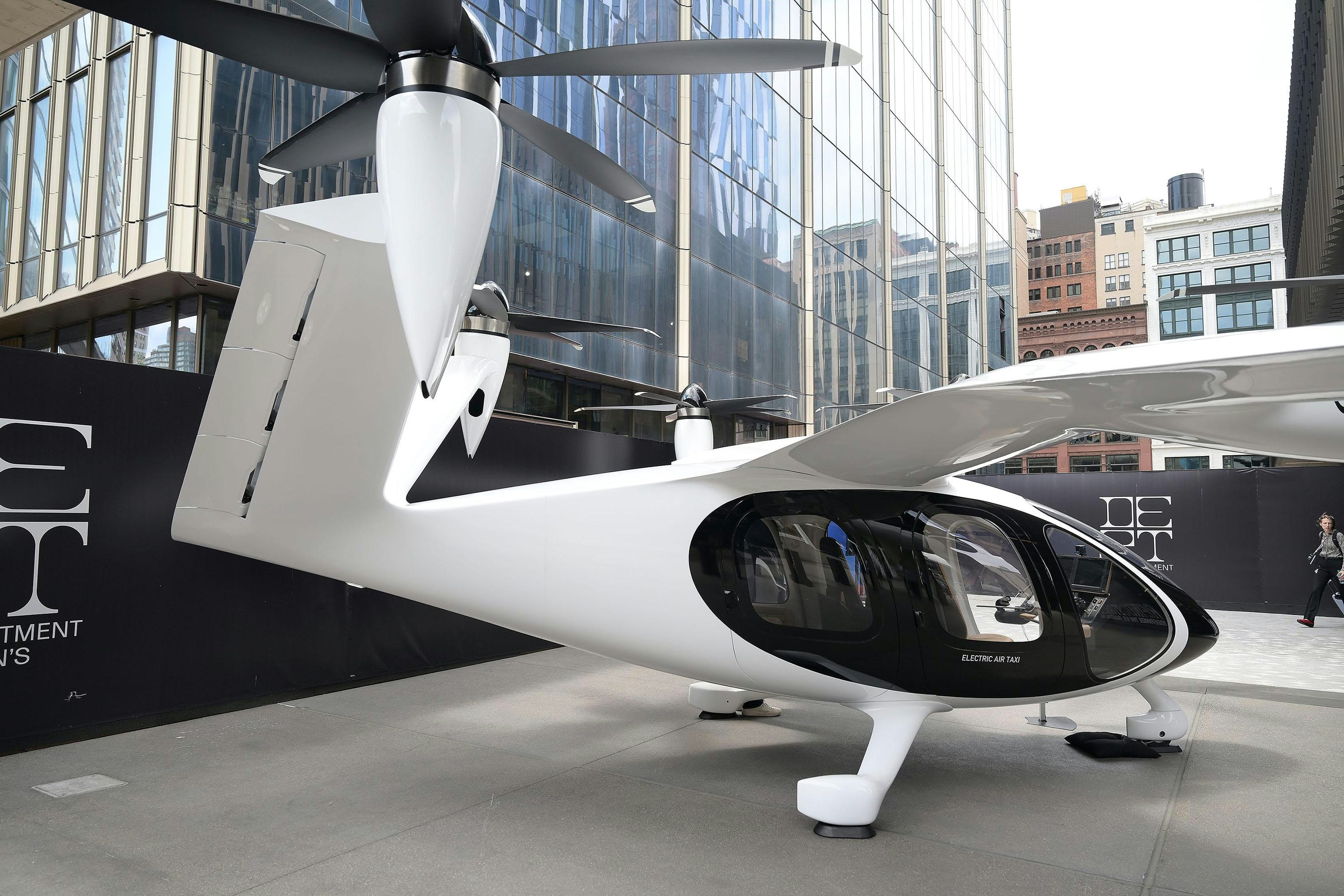
Joby Aviation Extends Autonomous Flight Capabilities with Cross-Country Tour
