
KI-Erkenntnisse in konkrete Maßnahmen überführen

Trends
Categories
Rolls-Royce Delivers 1,500th Trent 700 Engine
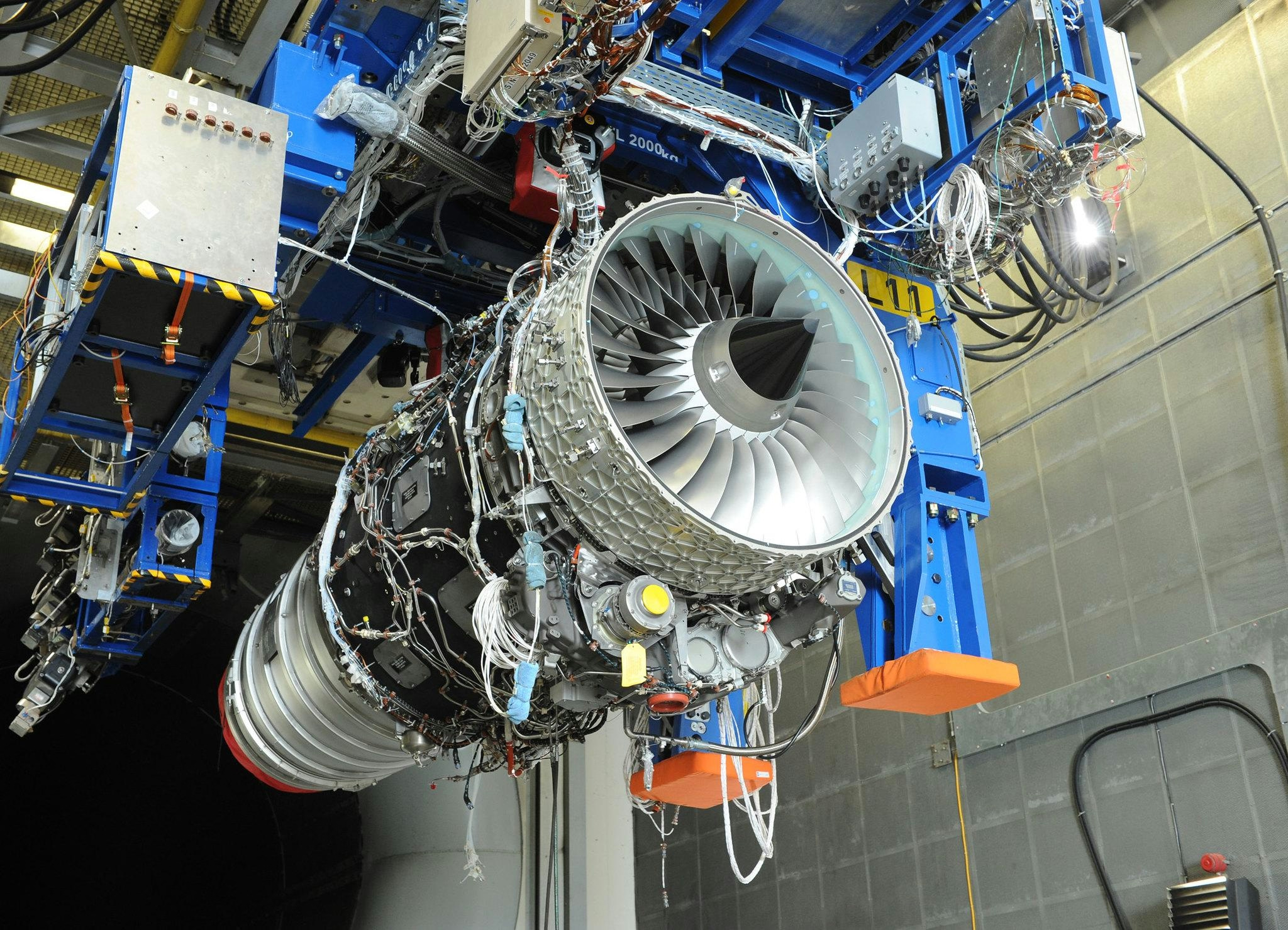
Rolls-Royce Marks Delivery of 1,500th Trent 700 Engine with AirAsia X
Rolls-Royce has reached a significant milestone with the delivery of its 1,500th Trent 700 engine, a landmark celebrated alongside AirAsia X at Kuala Lumpur International Airport 2 (KLIA2). Introduced in 1995 as the first member of the Trent engine family, the Trent 700 has since amassed over 30 million flying hours and is operated by 66 airlines worldwide. This engine model remains a cornerstone of Rolls-Royce’s civil aviation portfolio.
Dominance in the Airbus A330ceo Market
Currently, more than 1,650 Trent 700 engines are either in service or on firm order, making it the largest Trent engine fleet in operation. The Trent 700 has established itself as the preferred engine for the Airbus A330ceo, capturing 67 percent of new orders over the past three years and maintaining a similar share of future A330ceo deliveries. The extensive operational experience with the Trent 700 has also informed the development of the Trent 7000, which powers the newer Airbus A330neo. Earlier this year, AirAsia X announced an order for 50 A330neo aircraft, further strengthening its partnership with Rolls-Royce.
The delivery ceremony was attended by Azran Osman-Rani, CEO of AirAsia X, and Eric Schulz, President of Civil Large Engines at Rolls-Royce. Osman-Rani highlighted the engine’s exceptional performance on the A330ceo and expressed pride that the milestone engine would enter service with AirAsia X. Schulz emphasized the Trent 700’s status as the market leader for A330ceo operators, noting ongoing improvements in efficiency to maintain its competitive edge. AirAsia X currently operates 17 Airbus A330ceos powered by Trent 700 engines, with its first aircraft entering service in 2008.
Challenges Amid a Competitive Landscape
Despite this achievement, Rolls-Royce faces a competitive and evolving market environment. The Trent 700 contends with rival engines from manufacturers such as General Electric and Pratt & Whitney, who offer alternative powerplants for the same aircraft models. Additionally, the aerospace industry continues to grapple with supply chain disruptions that have the potential to affect future engine deliveries.
Market observers may scrutinize Rolls-Royce’s pricing and maintenance costs in comparison to its competitors, potentially intensifying competition in the widebody aircraft engine sector. Competitors are likely to increase their marketing efforts to promote their own technologies, which could further challenge Rolls-Royce’s market share.
Nonetheless, the delivery of the 1,500th Trent 700 engine underscores Rolls-Royce’s robust position in the civil aviation market and its sustained commitment to innovation and customer support.

Etihad Airways Suspends Airbus A380 Flights on Key Route

Aditya Birla Group Seeks Approval for Aircraft Leasing in GIFT City

Qatar Airways Highlights Innovation and Connectivity at Arabian Travel Market 2026

Hong Kong's Five-Year Plan Includes Andrew Fan's Aircraft Parts Processing Hub Proposal

ACIA Aero Leasing Delivers ATR72-600 to Air Nostrum

RTX Appoints Jill Albertelli as Head of Pratt & Whitney

TAT Technologies Joins Beyond Aero Hydrogen Aircraft Program

AURAK Study Highlights Barriers to Air Taxi Adoption in Emerging Economies

Xiamen Air Selects Altitude for 787 Maintenance at Heathrow

Etihad and Swissport Extend Global Partnership
