
KI-Erkenntnisse in konkrete Maßnahmen überführen

Trends
Categories
Rolls-Royce Engine Flight Hours Recovering After Middle East Conflict

Rolls-Royce Engine Flight Hours Recovering After Middle East Conflict
Rolls-Royce has reported a robust recovery in engine flying hours following the recent Middle East conflict, with no lasting impact anticipated on its civil aerospace division. In its first-quarter trading update, the company confirmed that flying hours for Trent XWB engines, which power the Airbus A350, have fully returned to pre-conflict levels among regional customers.
Impact on Aircraft Operations and Engine Performance
The manufacturer highlighted that reductions in airline capacity have predominantly affected narrowbody aircraft, rather than the widebody jets typically equipped with Rolls-Royce engines. Consequently, the company does not expect any changes to the retirement schedule of Trent 700-powered Airbus A330s. Rolls-Royce maintains its forecast that overall large-engine flying hours will exceed 2019 levels by 15 to 20 percent this year, with first-quarter figures already reflecting a 5 to 15 percent increase.
This resilience is attributed to strong growth in regions outside the Middle East, which have benefited from reallocated capacity and operational enhancements. Additionally, Rolls-Royce has upgraded more than one-third of the operational Boeing 787 fleet powered by Trent 1000 TEN engines, fitting them with improved high-pressure turbine blades designed to match the durability of the Trent 1000 XE powerplant.
Orders and Market Position
Recent orders for the Trent 1000 XE, including a notable agreement in April for three Boeing 787s with LATAM Airlines, have reinforced Rolls-Royce’s confidence. The company described these deals as clear evidence that its investment in durability improvements has positioned the XE engine as a competitive and order-winning product.
Rolls-Royce has not revised its full-year guidance for large engine deliveries, which increased by 18 percent in the first quarter. It also does not anticipate any changes to its shop-visit profile for these engines this year or next as a result of the Middle East situation.
Industry Context
Within the broader aerospace industry, Safran remains optimistic despite the conflict, reporting a high volume of shop visits and a 63 percent increase in Leap engine deliveries during the first quarter. In contrast, GE Aviation has cautioned that the fallout from the Iran war could adversely affect its aftermarket business, forecasting a double-digit decline in Middle East flights and potentially reduced volumes in shop visits, spare parts, and engine sales. Nonetheless, GE is maintaining its full-year revenue and profit guidance.
While the Middle East conflict has presented challenges for some aerospace manufacturers, the strong recoveries and continued growth reported by Rolls-Royce and Safran underscore the resilience of the civil aerospace sector.
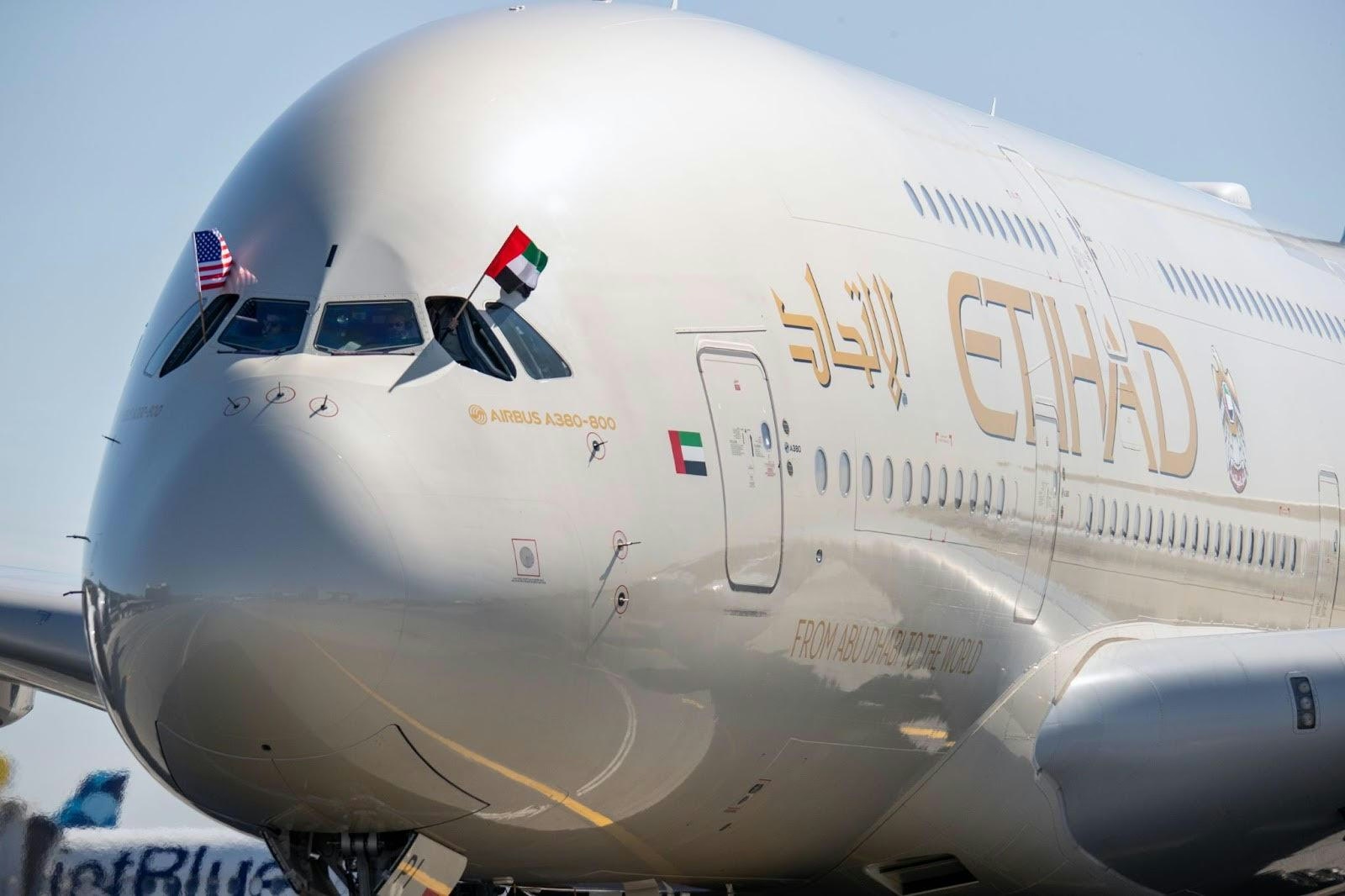
Etihad Airways Suspends Airbus A380 Flights on Key Route

Aditya Birla Group Seeks Approval for Aircraft Leasing in GIFT City
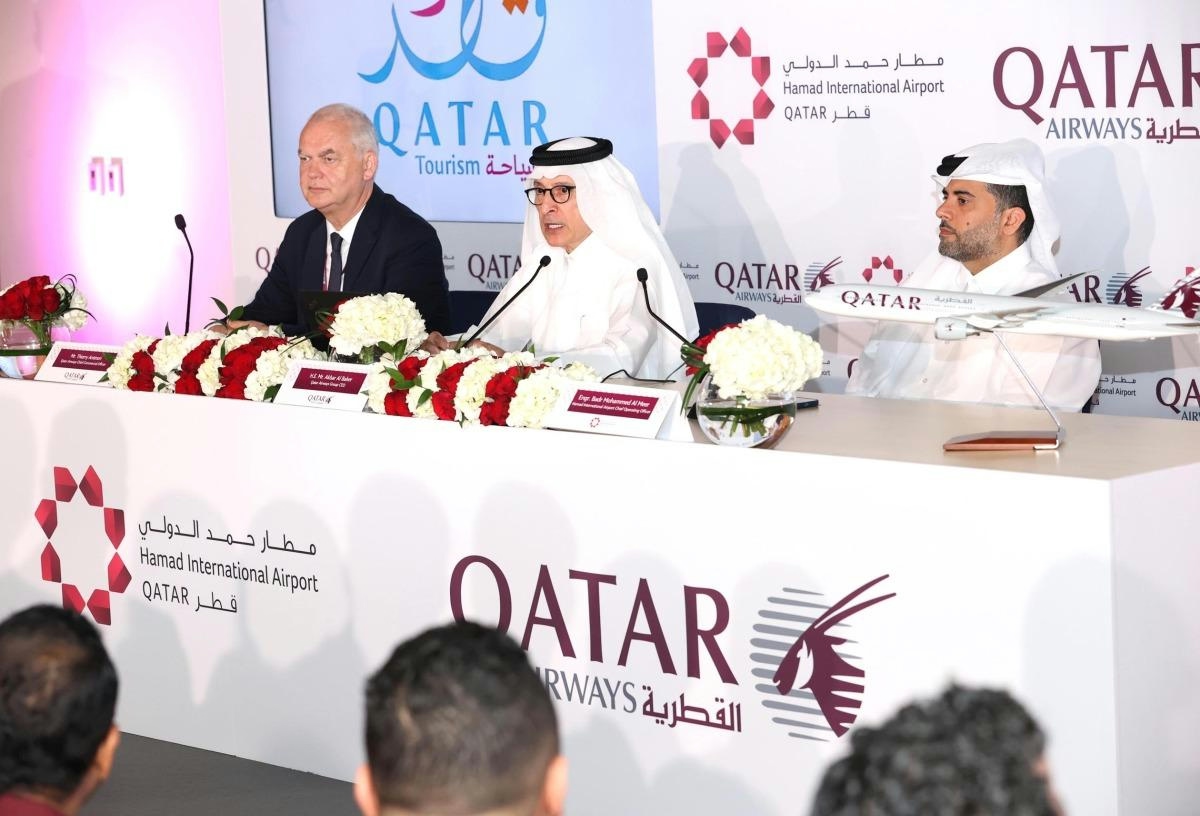
Qatar Airways Highlights Innovation and Connectivity at Arabian Travel Market 2026
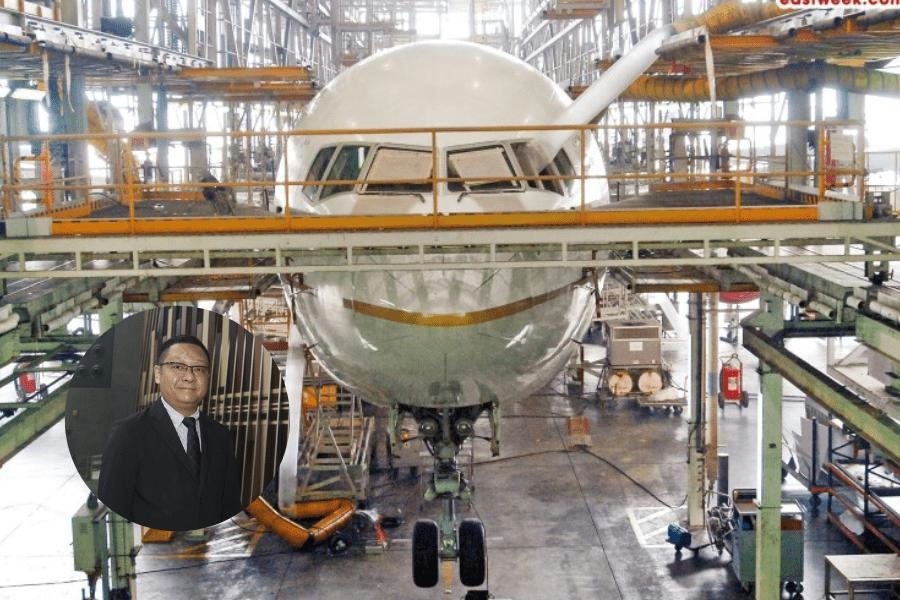
Hong Kong's Five-Year Plan Includes Andrew Fan's Aircraft Parts Processing Hub Proposal
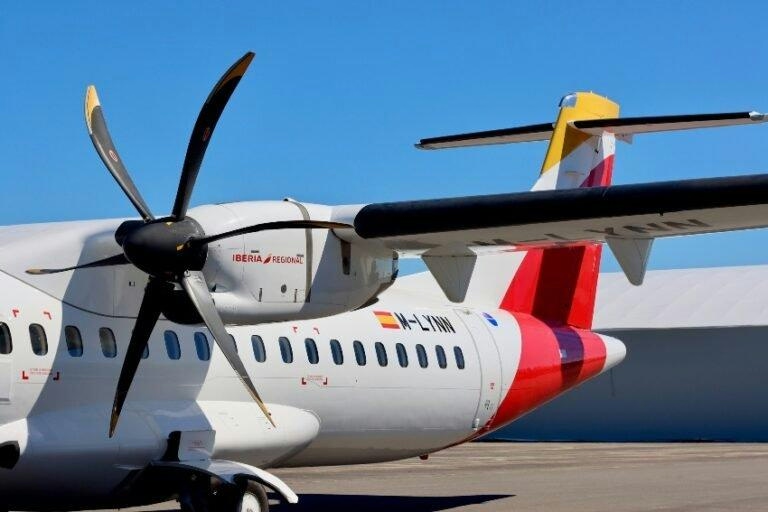
ACIA Aero Leasing Delivers ATR72-600 to Air Nostrum
RTX Appoints Jill Albertelli as Head of Pratt & Whitney
TAT Technologies Joins Beyond Aero Hydrogen Aircraft Program
AURAK Study Highlights Barriers to Air Taxi Adoption in Emerging Economies
Xiamen Air Selects Altitude for 787 Maintenance at Heathrow
Etihad and Swissport Extend Global Partnership
