
KI-Erkenntnisse in konkrete Maßnahmen überführen

Trends
Categories
Safran Seeks to Clear Leap Engine Delivery Backlog to Airbus by End of October
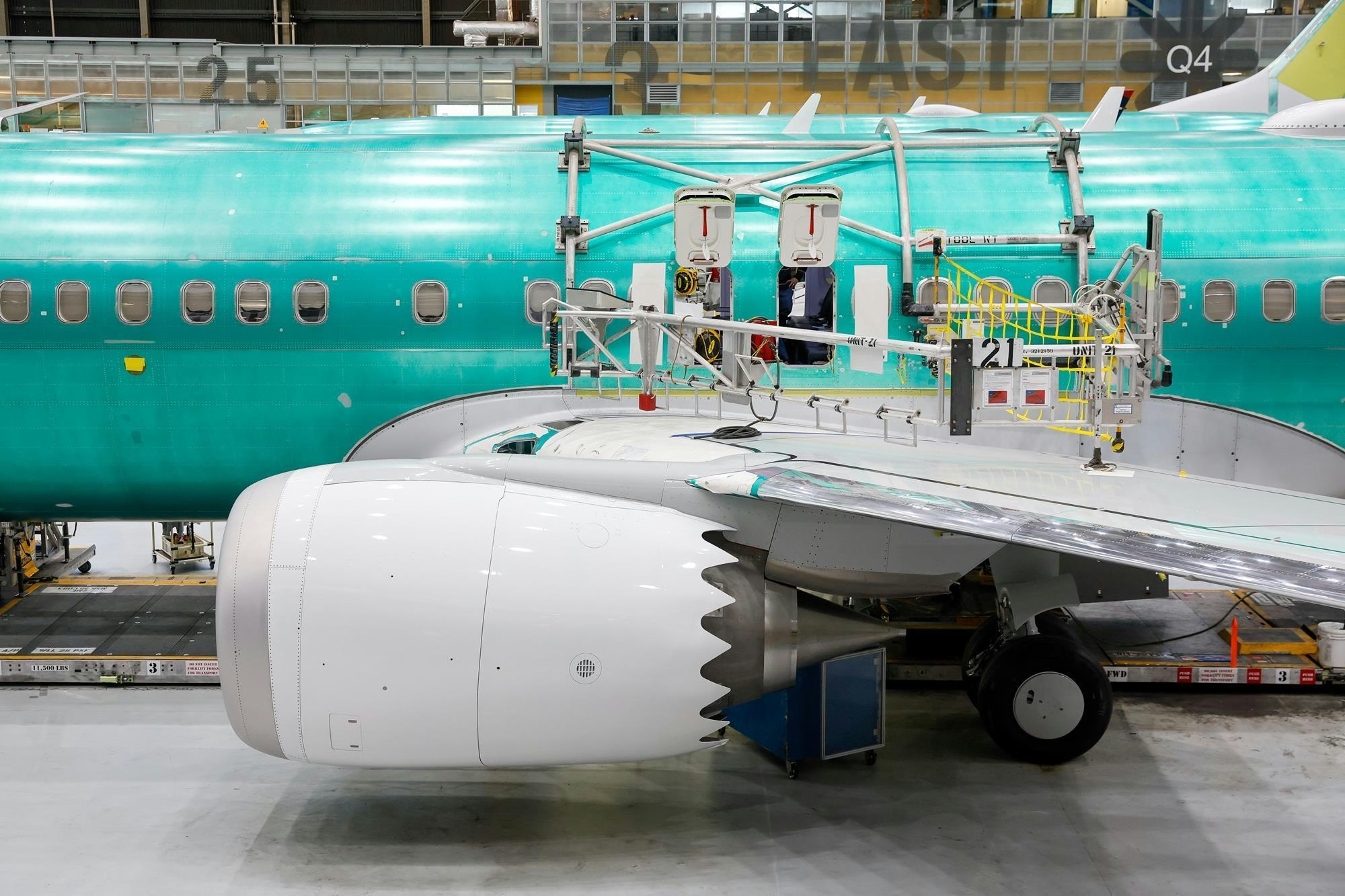
Safran Aims to Resolve Leap Engine Delivery Backlog for Airbus by October
Safran is intensifying efforts to eliminate the backlog of CFM International Leap-1A engine deliveries to Airbus by the end of October, addressing a critical bottleneck that has disrupted aircraft production schedules. The engine manufacturer has faced significant challenges this year, including supply-chain constraints and a strike, which have contributed to delays. As a result, Airbus has been compelled to park approximately 60 aircraft without engines, most of which are awaiting Leap powerplants, leading to a congested delivery schedule in the first half of 2024.
Recovery Plan and Production Challenges
Despite these obstacles, Safran remains optimistic about its recovery trajectory. Chief Executive Olivier Andries, during a half-year briefing on July 31, acknowledged that the company had not yet fully recovered from the strike’s impact but anticipated substantial progress by the end of the third quarter. “By the end of October, we should have completely recovered to avoid further disruption to Airbus’s delivery plan,” Andries stated. Airbus, which targets delivering 820 commercial aircraft in 2024, had completed 306 deliveries by mid-year and is relying heavily on Safran’s ability to meet this timeline to realign its full-year production goals.
Clearing the backlog will necessitate a significant ramp-up in Safran’s production capacity alongside enhanced supply chain management. The company continues to face the complex task of making weekly decisions on whether to allocate engines to support the in-service fleet or to aircraft manufacturers. Andries highlighted the operational frustration caused by grounded aircraft awaiting engines, emphasizing that minimizing aircraft downtime remains a top priority.
Market Implications and Future Outlook
Market responses to Safran’s situation have been varied. While demand for jet engine spare parts has bolstered profits, ongoing delays in engine deliveries risk further impacting Airbus’s production schedules. Competitors such as GE Aerospace and Rolls-Royce may intensify their production efforts to capitalize on the supply challenges and protect their market share.
In spite of these difficulties, Safran recently raised its outlook for 2025 following stronger-than-expected mid-year profits, reflecting confidence in its operational resilience. The company’s success in executing its recovery plan will be closely monitored by industry stakeholders and investors alike, as it seeks to stabilize Airbus’s delivery pipeline and maintain its competitive standing in the global aerospace sector.

Eight Aboard Twin-Engine Cessna Crash in Remote Alaska
American Airlines Plans to Receive New Aircraft Deliveries in 2026
Delta Flight Returns to Atlanta Airport Due to Engine Trouble

Samoa Airways Recovers Damaged DHC-6-300 Aircraft
Man Ingested by Frontier Airlines Engine Marks Denver’s Sixth Airfield Security Breach in Three Years

The Advantages and Disadvantages of Owning Versus Leasing a Private Jet
Former Spirit Employees Express Concerns Over AI Partnership With Google
China Certifies Pilotless Air Taxi for Export; Sri Lanka First Buyer

US Pilot Hourly Pay Ranges from $90 for Regional to $465 for Widebody Flights

NASA Chooses University Teams to Support Aviation Research
