
KI-Erkenntnisse in konkrete Maßnahmen überführen

Trends
Categories
Saudia Receives First A321XLR Aircraft
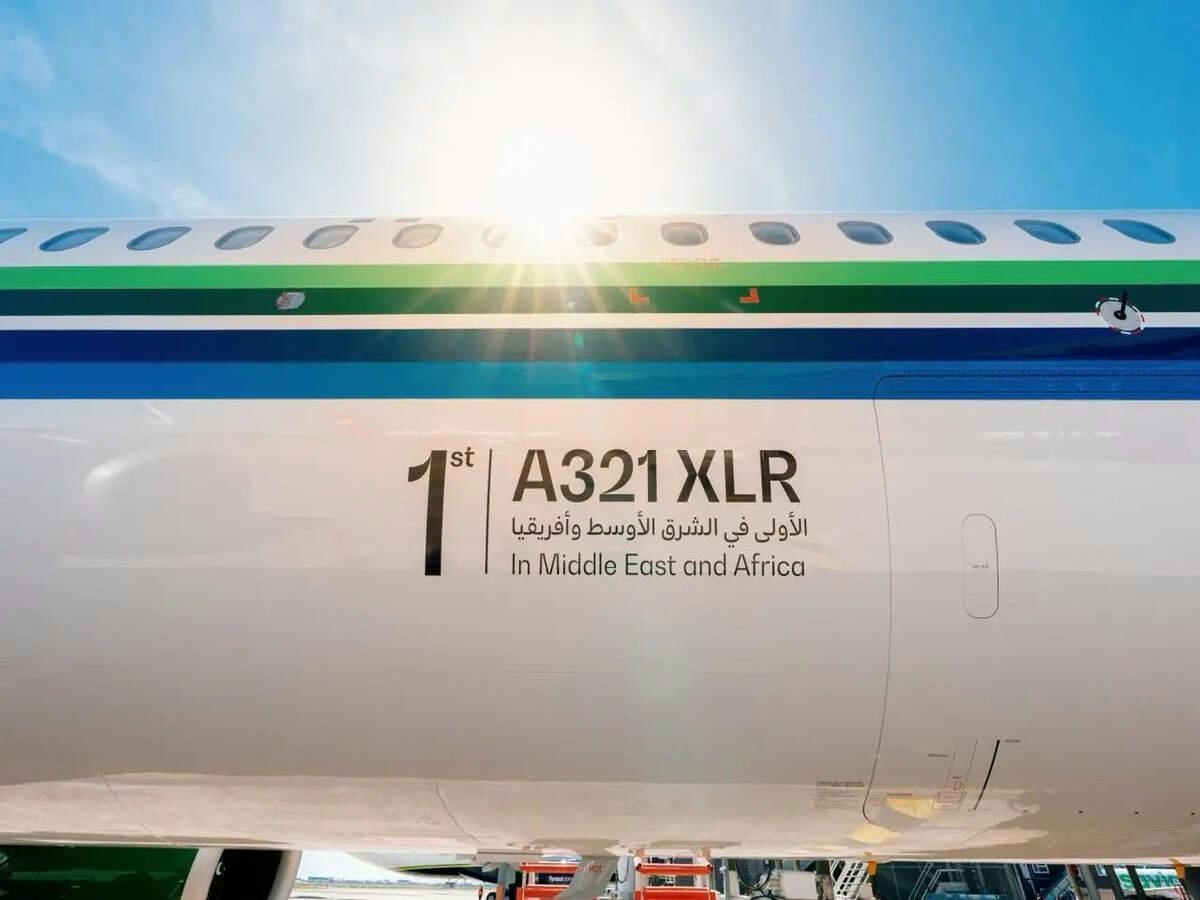
Saudia Takes Delivery of First Airbus A321XLR
Saudia, the national airline of Saudi Arabia, has received its first Airbus A321XLR aircraft, marking a pivotal step in the carrier’s fleet modernization and international expansion strategy. This long-range, single-aisle jet is expected to significantly enhance Saudia’s capacity to operate extended routes with improved efficiency and operational flexibility.
Enhancing Route Network and Market Position
The A321XLR is distinguished by its extended range and fuel efficiency, attributes that will allow Saudia to launch new direct routes and reinforce its competitive standing within the Middle Eastern aviation sector. As regional airlines intensify efforts to broaden their international networks, the aircraft’s capabilities provide Saudia with a strategic advantage in capturing a larger share of global air traffic.
Despite these advancements, the airline’s fleet expansion occurs against a backdrop of persistent global supply chain disruptions affecting Airbus and the wider aviation industry. Airbus is actively pursuing a 10% cost reduction to mitigate these challenges, a factor that may influence the timing of future aircraft deliveries and operational planning for carriers such as Saudia.
Competitive Landscape and Strategic Implications
The competitive environment in Saudi Arabia’s aviation market is evolving rapidly, with new entrants like Riyadh Air aggressively targeting international growth. Riyadh Air has recently sought approval to commence flights to the United States, signaling intensified competition. Airlines are increasingly leveraging the A321XLR’s long-range capabilities to diversify route offerings and attract a broader passenger base.
Industry experts observe that Saudia’s integration of the A321XLR into its fleet equips the airline to navigate these market dynamics effectively. The adoption of advanced aircraft is expected to enhance operational efficiency, reduce costs, and expand direct flight options for passengers.
As the global aviation sector continues its recovery and transformation, Saudia’s investment in next-generation aircraft such as the A321XLR will be instrumental in shaping its future growth trajectory and sustaining its competitiveness on the international stage.

Etihad Airways Suspends Airbus A380 Flights on Key Route

Aditya Birla Group Seeks Approval for Aircraft Leasing in GIFT City

Qatar Airways Highlights Innovation and Connectivity at Arabian Travel Market 2026

Hong Kong's Five-Year Plan Includes Andrew Fan's Aircraft Parts Processing Hub Proposal

ACIA Aero Leasing Delivers ATR72-600 to Air Nostrum

RTX Appoints Jill Albertelli as Head of Pratt & Whitney

TAT Technologies Joins Beyond Aero Hydrogen Aircraft Program

AURAK Study Highlights Barriers to Air Taxi Adoption in Emerging Economies

Xiamen Air Selects Altitude for 787 Maintenance at Heathrow

Etihad and Swissport Extend Global Partnership
