
KI-Erkenntnisse in konkrete Maßnahmen überführen

Trends
Categories
Spirit Airlines Conducts 91 Ferry Flights Across 26 Airports
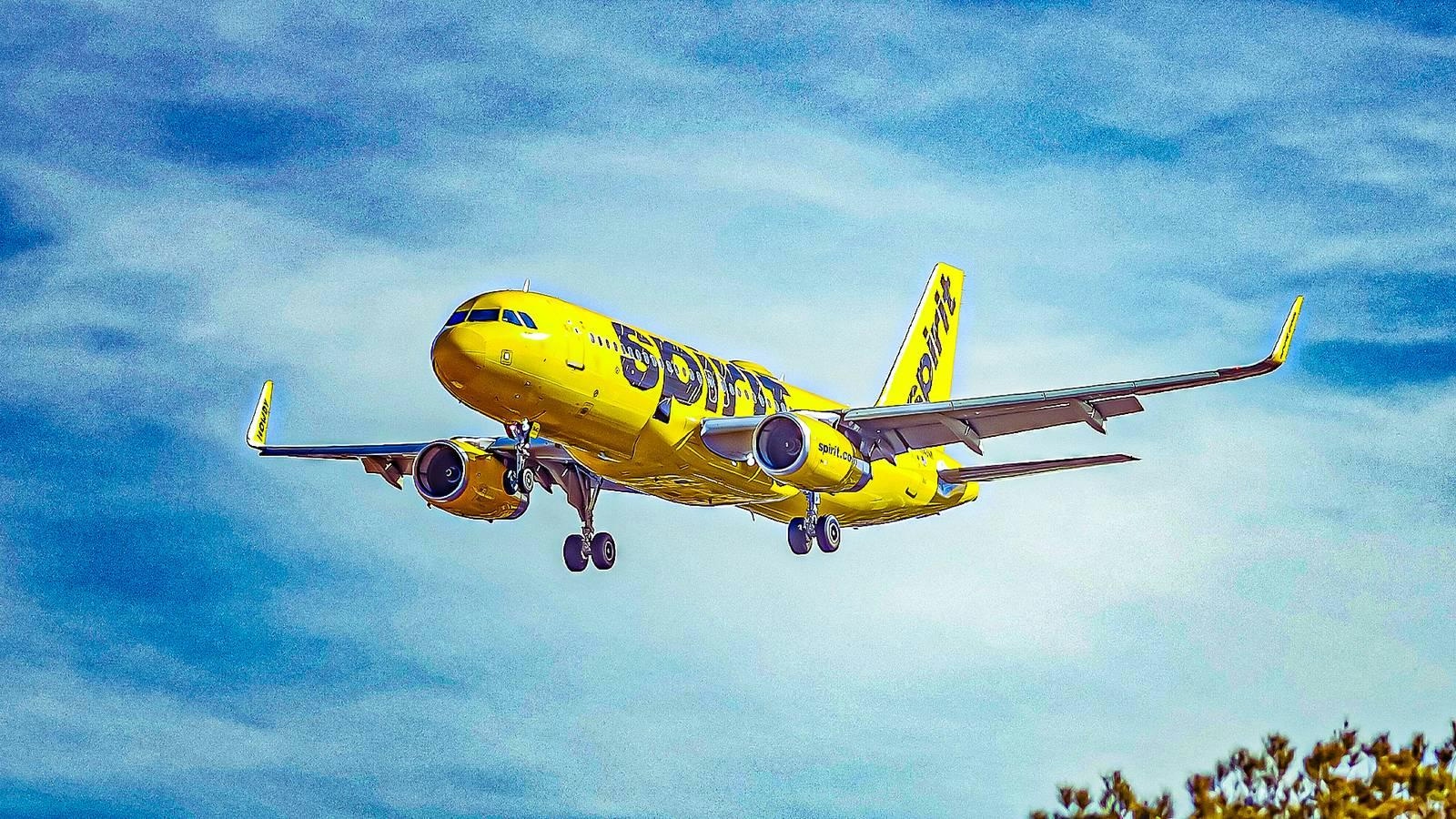
Spirit Airlines Grounds Fleet Following Abrupt Shutdown
Last week marked the end of Spirit Airlines, the United States’ largest ultra-low-cost carrier, as it ceased all operations. The sudden closure left thousands of employees unemployed and stranded passengers and crew across the airline’s extensive network. Spirit’s financial collapse culminated in 91 Airbus A320 family aircraft being dispersed across 26 airports nationwide, signaling the conclusion of years of mounting fiscal difficulties.
Fleet Dispersal and Storage
At the time of the shutdown, Spirit’s fleet was primarily concentrated at its two largest hubs: Fort Lauderdale-Hollywood International Airport (FLL), which housed approximately 17 jets, and Orlando International Airport (MCO), with around 15 aircraft. In the days following the cessation of operations, numerous planes were ferried to long-term storage facilities in Arizona, including Phoenix Goodyear Airport (GYR) and Pinal Airpark (MZJ). These desert locations are favored for aircraft preservation due to their low humidity and minimal rainfall, conditions that reduce corrosion and maintenance expenses.
Prior to the shutdown, Spirit had already placed 40 aircraft into temporary storage, predominantly at Goodyear. Subsequently, three additional jets were relocated to Arizona under the management of aircraft lessors. The majority of Spirit’s fleet was leased, enabling lessors to seek new operators for these planes. However, the airline’s owned Airbus A321-200ceos are expected to be dismantled for parts, with valuable components such as GTF engines likely to be sold separately.
Financial Struggles and Market Implications
Spirit’s financial difficulties intensified in the wake of the COVID-19 pandemic, from which the airline was unable to fully recover. Efforts to secure a $500 million government bailout, which would have granted the U.S. government a 90% ownership stake, ultimately failed. This left the airline with no alternative but to halt operations. In the months preceding the shutdown, Spirit had already reduced its route network, cut flight frequencies, and grounded a significant portion of its fleet in attempts to stabilize its finances.
The abrupt closure has created considerable challenges for passengers, many of whom are still attempting to obtain refunds or alternative travel arrangements following widespread cancellations. The airline’s exit is also expected to have broader repercussions within the aviation market. With the loss of a major ultra-low-cost competitor, legacy carriers such as Delta, American, and United may find opportunities to increase basic economy fares. These airlines might also adjust their pricing and service strategies to attract former Spirit customers, potentially altering the competitive dynamics in key markets.
Spirit’s two primary hubs, Fort Lauderdale and Orlando, accounted for nearly a quarter of its operations. The airline’s departure is anticipated to prompt shifts in market share and fare structures as other carriers respond to the void left behind.
As Spirit’s distinctive yellow jets are relocated to storage and its assets redistributed, the airline industry enters a period of transition, with passengers, employees, and competitors all grappling with the consequences of the carrier’s sudden exit.

Global Aircraft Fuel Strainer Demand Expected to Grow with Fleet Expansion by 2035
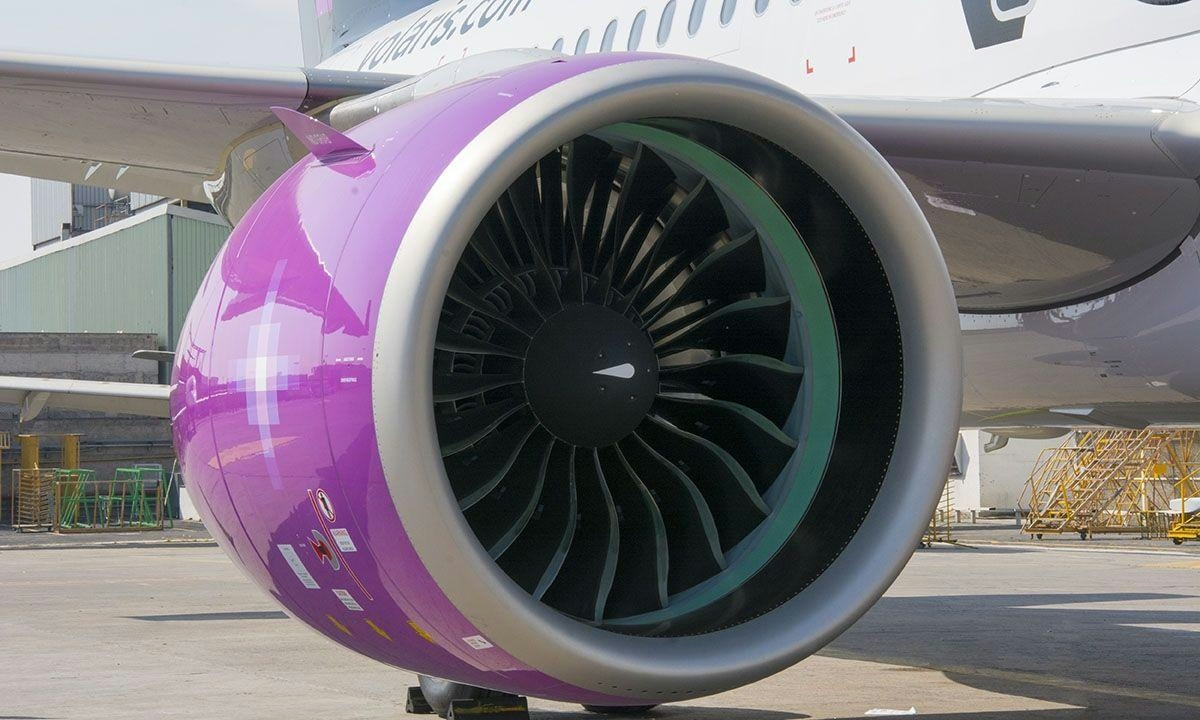
Pratt & Whitney Introduces Retrofit Kit to Extend Airbus A320neo Engine Life
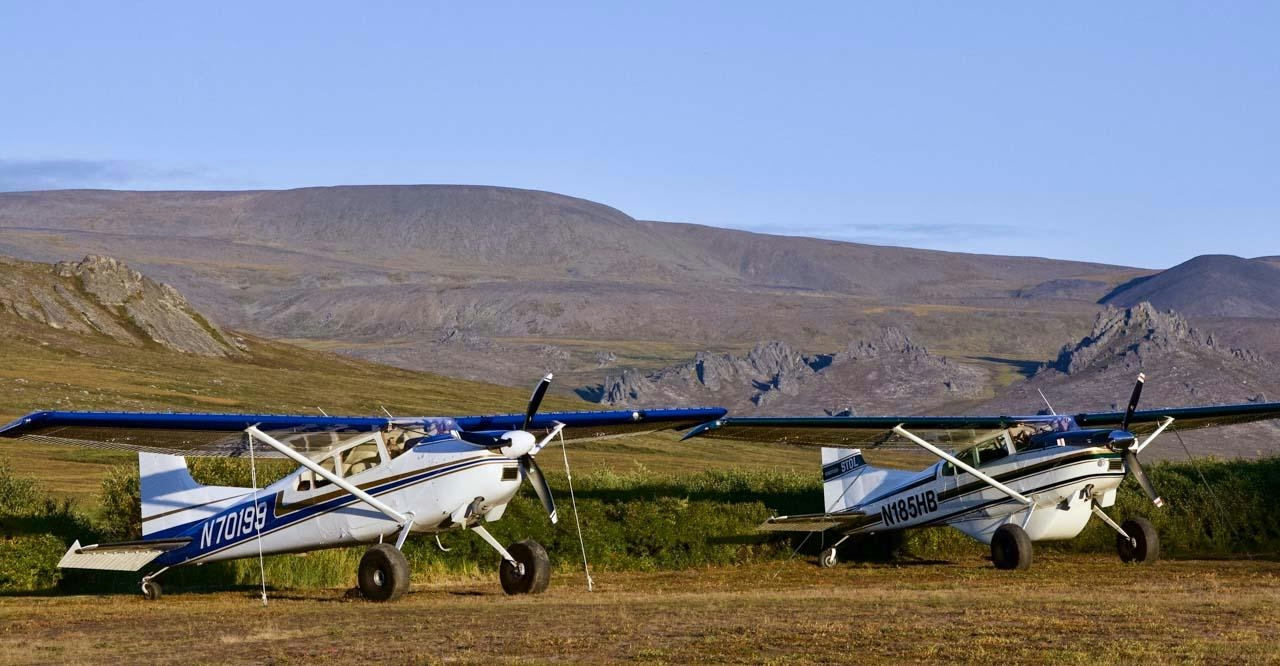
Cessna 185 Crashes Due to Fuel Contamination
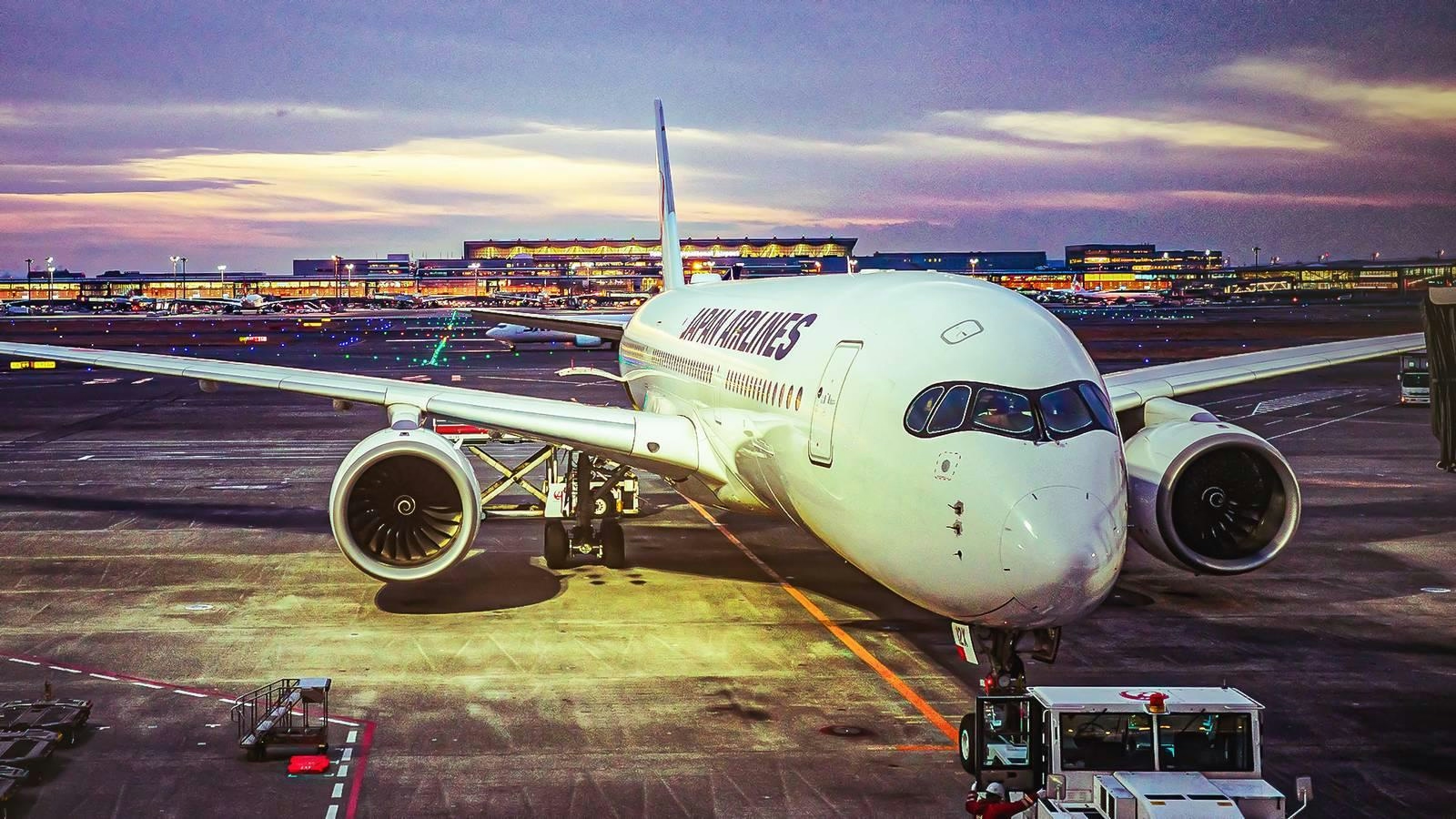
Top 7 Airbus A350-900 Routes by Frequency in 2026

PM Modi Highlights Aviation Growth and MRO Jobs in Independence Day Speech

Indonesia Orders 60 AutoFlight Electric Air Taxis
What Business Class Passengers Experience That Economy Travelers Often Miss
Airbus’s July Deliveries Stall, Raising Questions About 870-Jet Target
Second AI-Related Flight Hydraulic Fault Reported in 10 Days
Airbus Produces A350s Faster Than Airlines Can Accept Them
