
KI-Erkenntnisse in konkrete Maßnahmen überführen

Trends
Categories
Su-30 and Su-34 Fighter Jets' Engines Contribute to Urban Heat
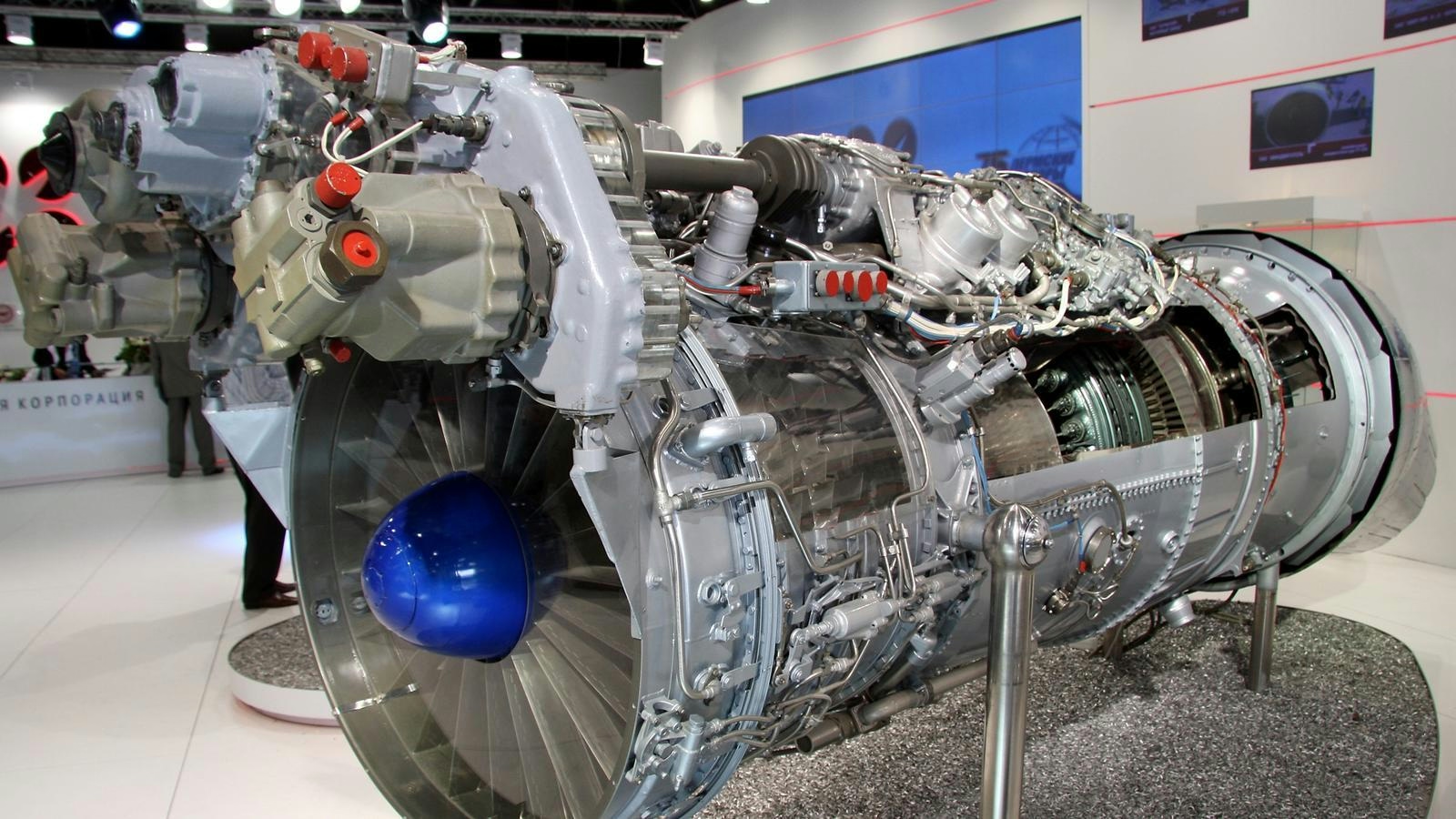
Su-30 and Su-34 Fighter Jet Engines Linked to Urban Heat Concerns
Rostec’s United Engine Corporation (ODK) is advancing the development of the GTD-8SM, a next-generation intelligent gas turbine engine designed to deliver 8 megawatts of power. This new engine is based on the AL-31ST gas generator, itself derived from the AL-31F aircraft engine that powers Russia’s Su-27, Su-30, and Su-34 fighter jets. While the AL-31F has long been a cornerstone of Russia’s military aviation, its adaptation for ground-based energy centers, data centers, and industrial facilities represents a significant broadening of its application.
Environmental Impact and Urban Heat Concerns
The extensive use of these engines in both military and civilian contexts has raised environmental concerns, particularly regarding their contribution to urban heat. The high thermal output of engines like those found in the Su-30 and Su-34 can exacerbate the urban heat island effect, which may adversely affect public health and local climates. These issues have attracted the attention of international organizations and local governments, leading to increased scrutiny of emissions and environmental policies related to such technologies.
In response to these challenges, ODK is integrating modern solutions into the GTD-8SM. The engine will incorporate a digital twin for real-time monitoring and predictive maintenance, enabling early detection of wear and optimizing operational efficiency. Its modular design—dividing the compressor, combustion chamber, power turbine, and auxiliary drive—aims to facilitate repairs and reduce downtime. ODK projects that the GTD-8SM will achieve an efficiency exceeding 30 percent, with an overhaul life of 30,000 hours and a total service life of at least 120,000 hours. The engine is engineered to operate in extreme temperatures ranging from -60°C to +40°C.
Strategic and Industrial Implications
Despite these technological advancements, environmental concerns remain a contentious issue. Russia’s accelerated production and delivery of Su-34 strike fighters, despite low sales and supply challenges in other markets, underscore a strategic emphasis on military capability that may come at the expense of environmental considerations. This dynamic has prompted competitors to explore engine technologies that reduce heat output and emissions, while some governments are reevaluating procurement strategies to prioritize more environmentally sustainable aircraft.
ODK’s expertise in adapting aviation engines for energy use is well established. For example, its GTD-6RM engines, based on the D-30KU/KP from Il-76 transport aircraft, have accumulated over five million hours in industrial operation. The company is also preparing new power plants based on the AL-41 gas generator, further extending the application of aviation-derived technology into the energy sector.
The first prototype of the GTD-8SM is scheduled for release in 2028. As military technology increasingly intersects with civilian energy infrastructure, balancing efficiency, strategic priorities, and environmental responsibility will remain a critical challenge for industry and policymakers alike.

Red Sea Airlines to Lease Two Boeing 737 MAX 8 Aircraft

Airlines Urge Increased Competition in Used Jet Engine Parts Market

Future Developments Planned for NWF Beaches Airport
airBaltic Files for Chapter 11 Bankruptcy Protection
PD-8 Engine Encounters Corrosion Issues from Saltwater Exposure

Weekly Summary: August Deliveries, Year-to-Date Orders, and 4.1 Million Share Buyback
Linking Ireland’s Aircraft Leasing Industry to Elite Football
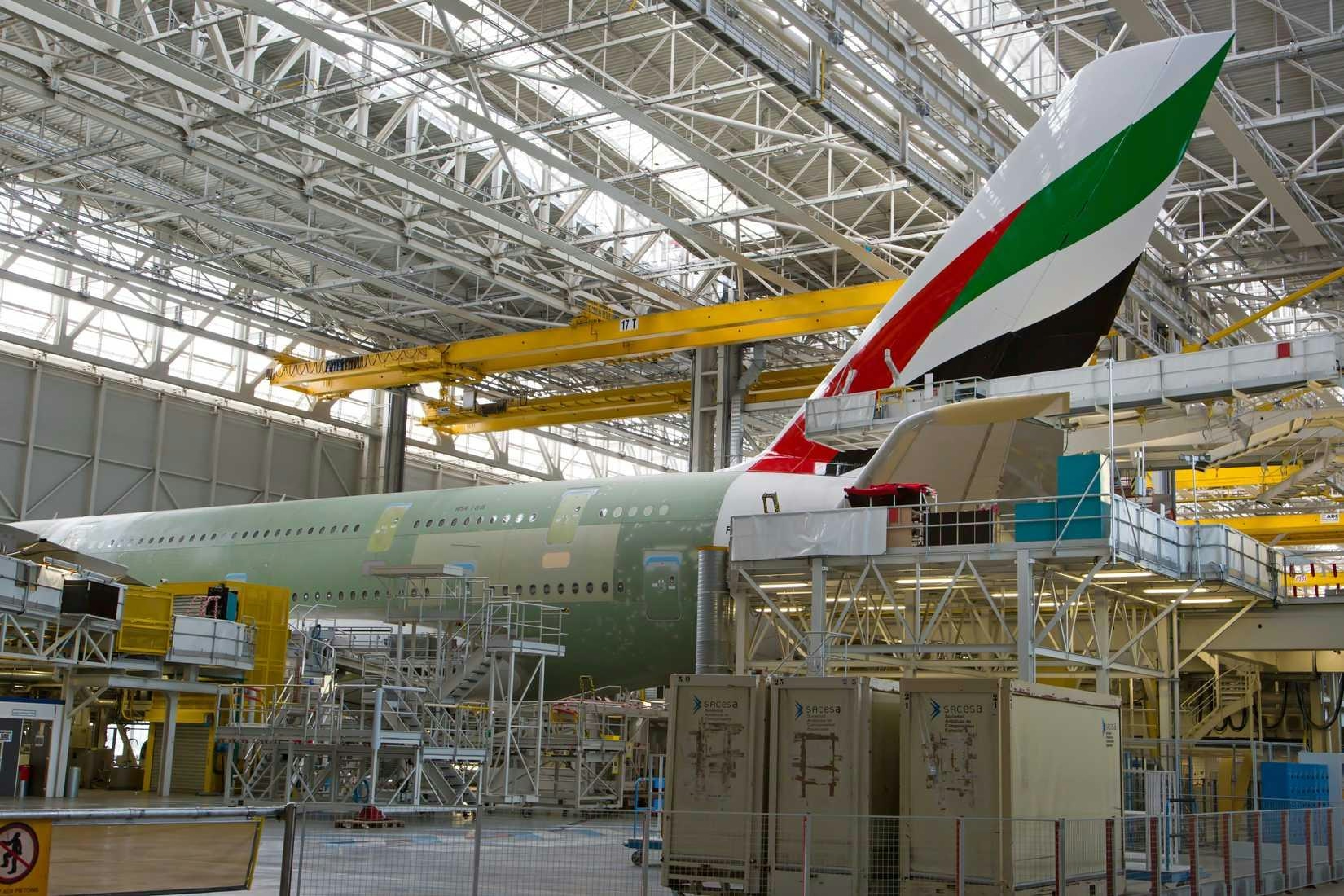
Airbus A380 at Tarbes Yields Over 90% of Parts for Active Fleets Through Careful Dismantling
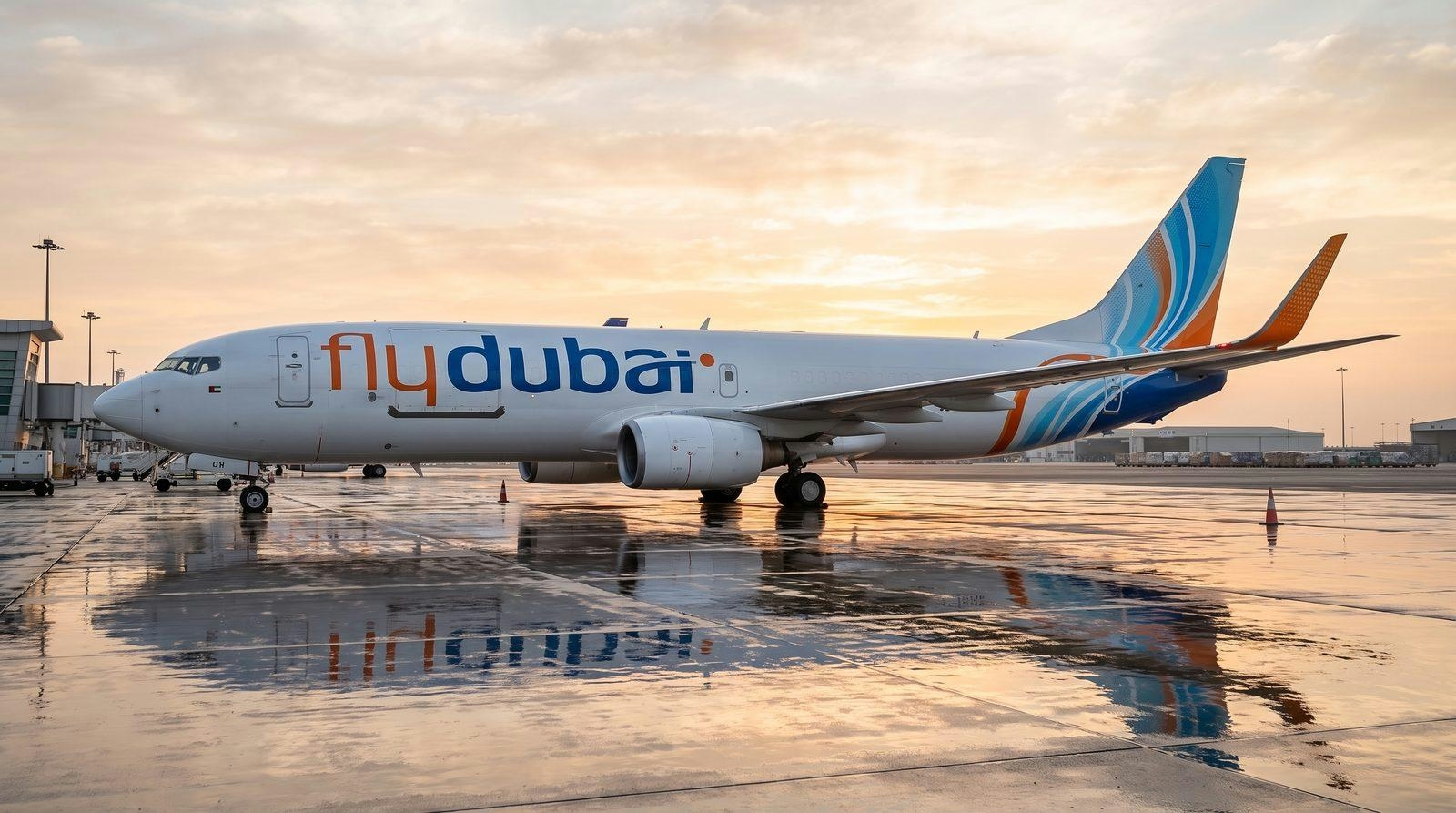
flydubai Begins Dedicated Freighter Operations with Three Leased 737-800s
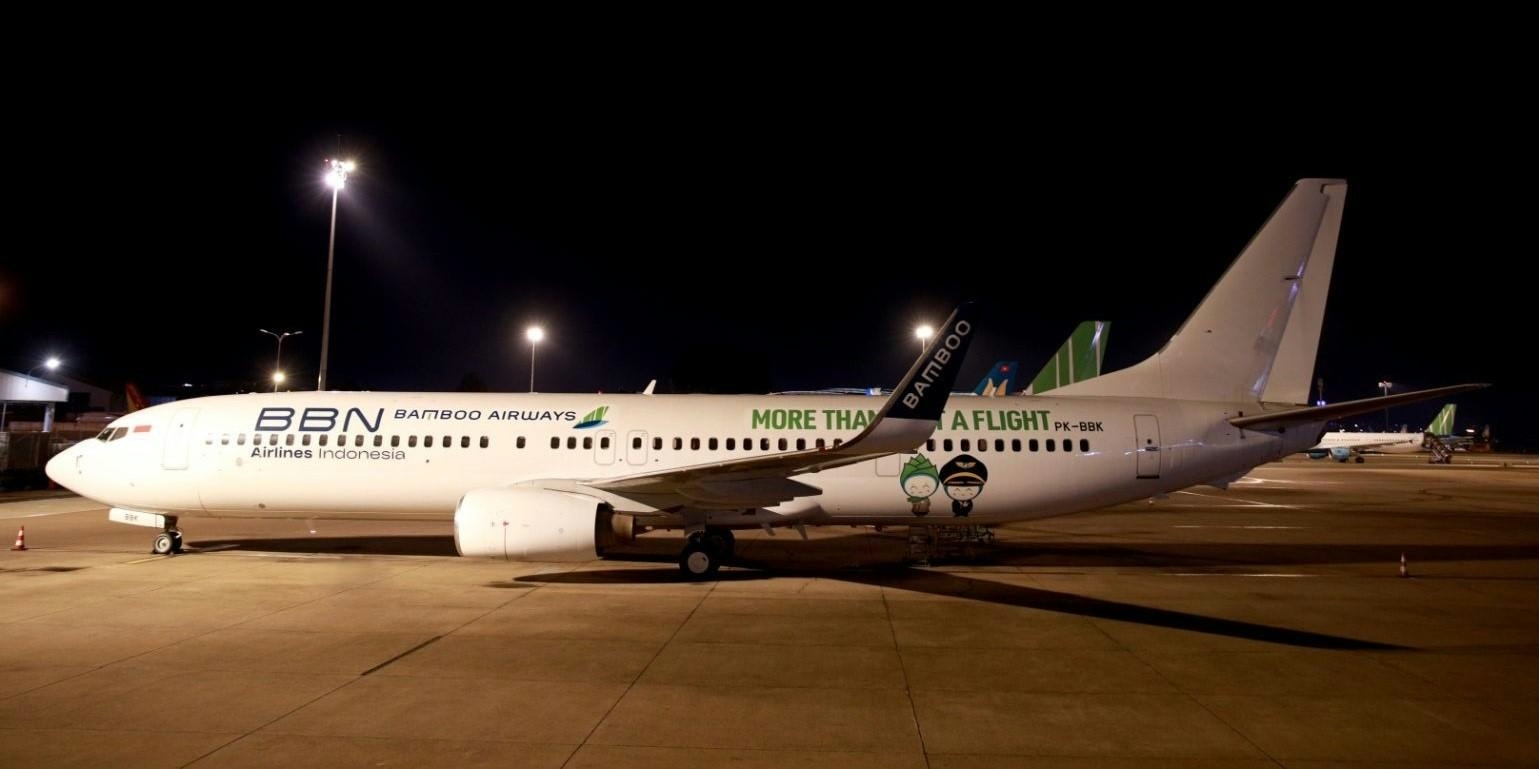
BBN Airlines Becomes IATA Member
