
AeroGenie — Ihr intelligenter Copilot.

Trends
Categories
Uber Prepares to Launch Air Taxi Service
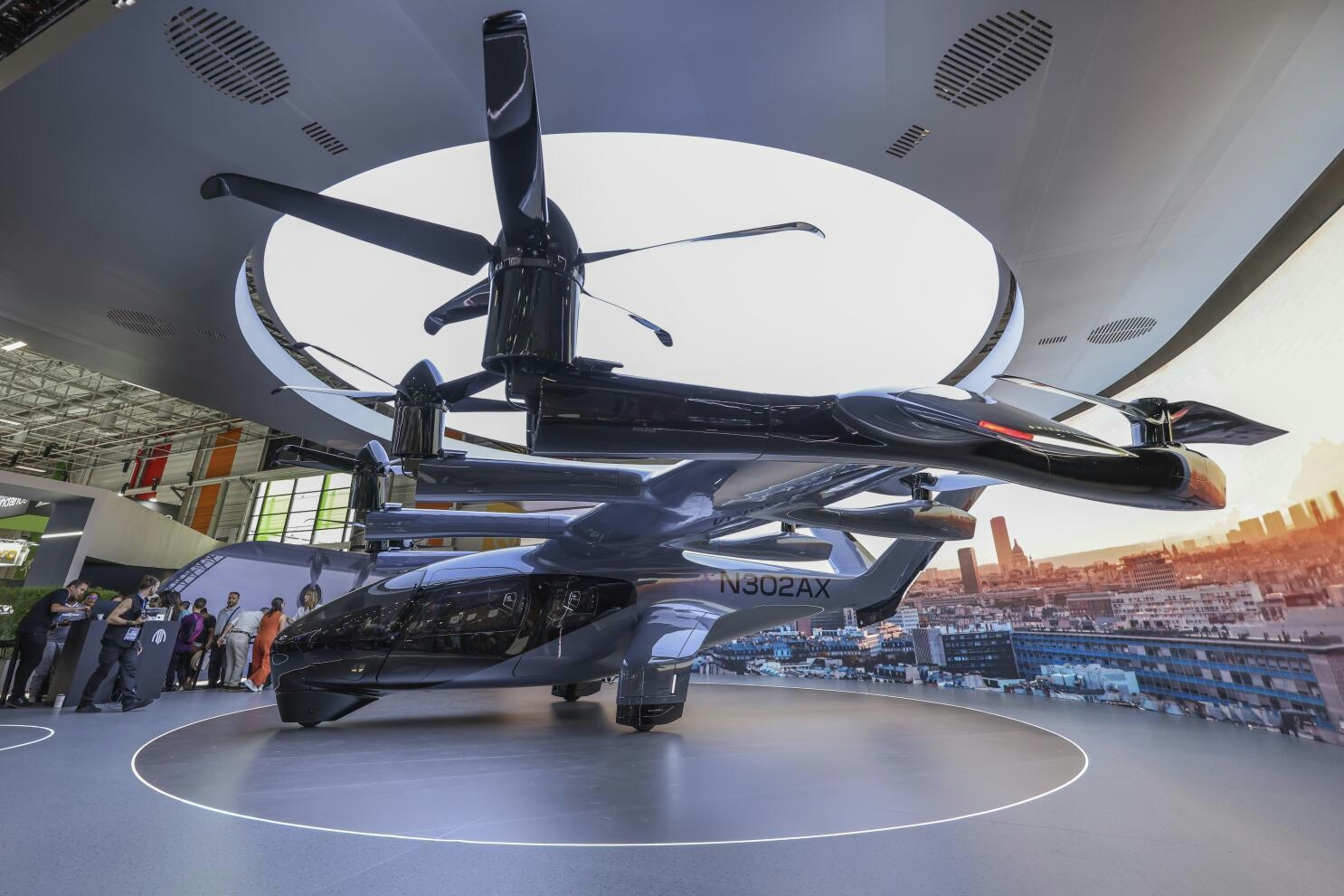
Uber to Launch Electric Air Taxi Service in Dubai
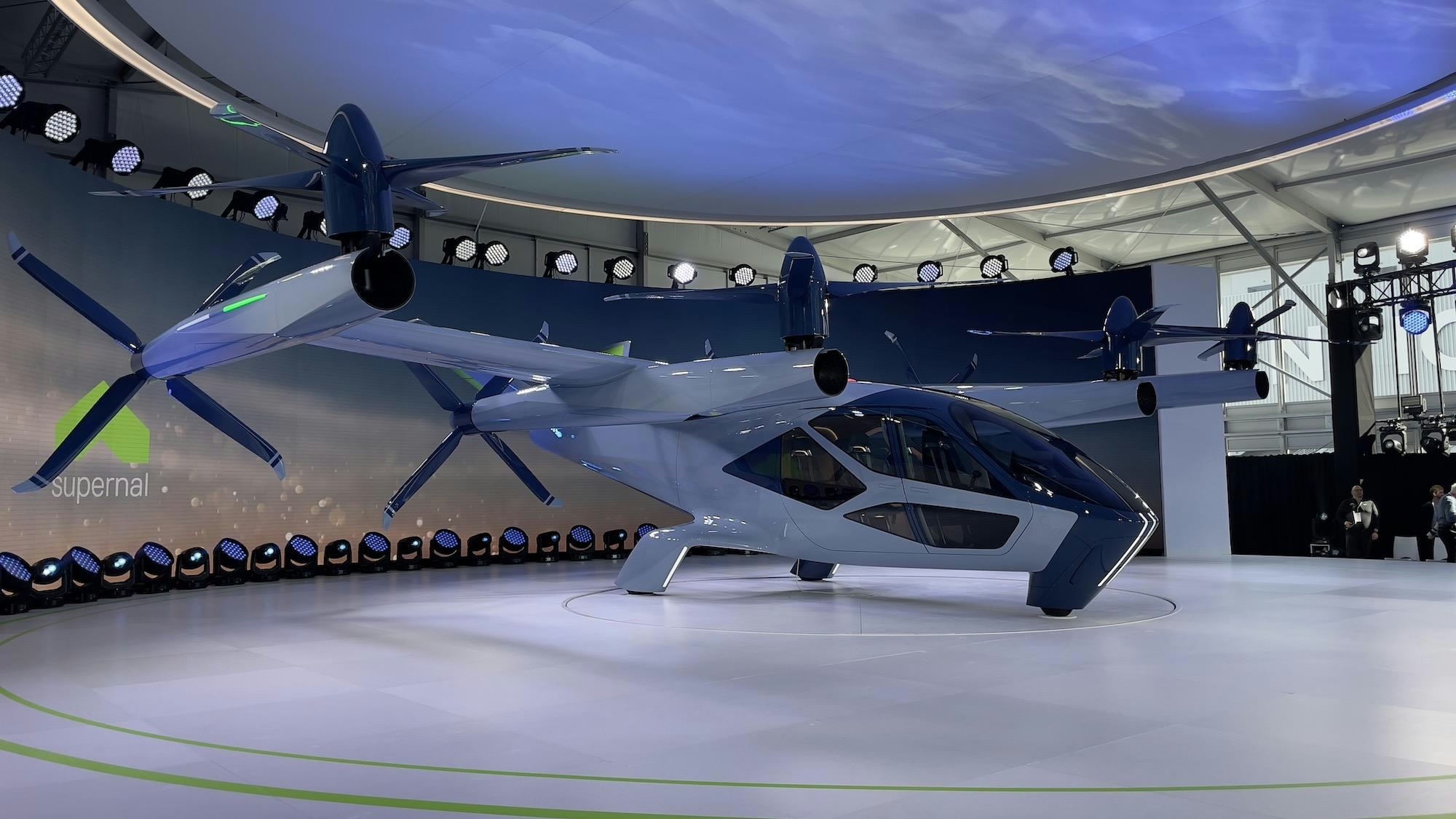
Uber Technologies, in collaboration with Joby Aviation, is preparing to introduce an all-electric air taxi service in Dubai later this year, marking a significant advancement in urban mobility. This initiative aims to transform the conventional ride-hailing experience by integrating airborne travel into the existing Uber platform. Passengers in Dubai will be able to request an “Uber Air powered by Joby” trip through the app, which will coordinate the entire journey, including ground transportation to and from designated vertiports, ensuring a seamless transition between car and air travel.
Joby Aviation’s aircraft is engineered to carry up to four passengers alongside a certified commercial pilot. The vehicle employs six tilting propellers to achieve vertical takeoff and landing, subsequently transitioning to forward flight at speeds reaching 200 miles per hour. It boasts a range of approximately 100 miles on a single charge, with large panoramic windows designed to enhance the passenger experience by offering expansive city views. The aircraft also incorporates multiple safety redundancies and features a noise profile calibrated to blend into urban soundscapes, mitigating the disruptive noise commonly associated with helicopters.
Challenges and Market Implications
Despite the promising technological advancements, Uber’s air taxi service faces considerable regulatory and market challenges, particularly in the United States. The service’s U.S. launch is contingent upon Joby Aviation obtaining certification from the Federal Aviation Administration (FAA). While Joby has completed over 50,000 miles of flight testing and is reportedly in the final stages of the FAA approval process, regulatory clearance remains a significant hurdle.
Market reception to Uber’s air taxi service is expected to be varied. While some consumers may welcome the prospect of faster, futuristic transportation options, others could raise concerns regarding the cost relative to traditional Uber rides. The introduction of air taxis is also likely to intensify competition within the urban air mobility sector, prompting companies such as Blade Air Mobility and Archer to accelerate their own market entry strategies.
Furthermore, Uber’s recent investment in the self-driving technology startup Wayve, which has attracted substantial funding, may influence the company’s allocation of resources and strategic focus. Balancing commitments between autonomous vehicle development and air mobility initiatives could affect the timeline and scope of Uber Air’s broader rollout.
For the time being, Dubai will serve as the primary testing ground for Uber’s air taxi ambitions, while the U.S. market awaits regulatory approval. Although widespread adoption of airborne urban travel remains on the horizon, Uber’s initiative represents a notable step toward reshaping the future of urban transportation.

Merz Visits China: Airbus Orders, Panda Research, and Sports Agreements
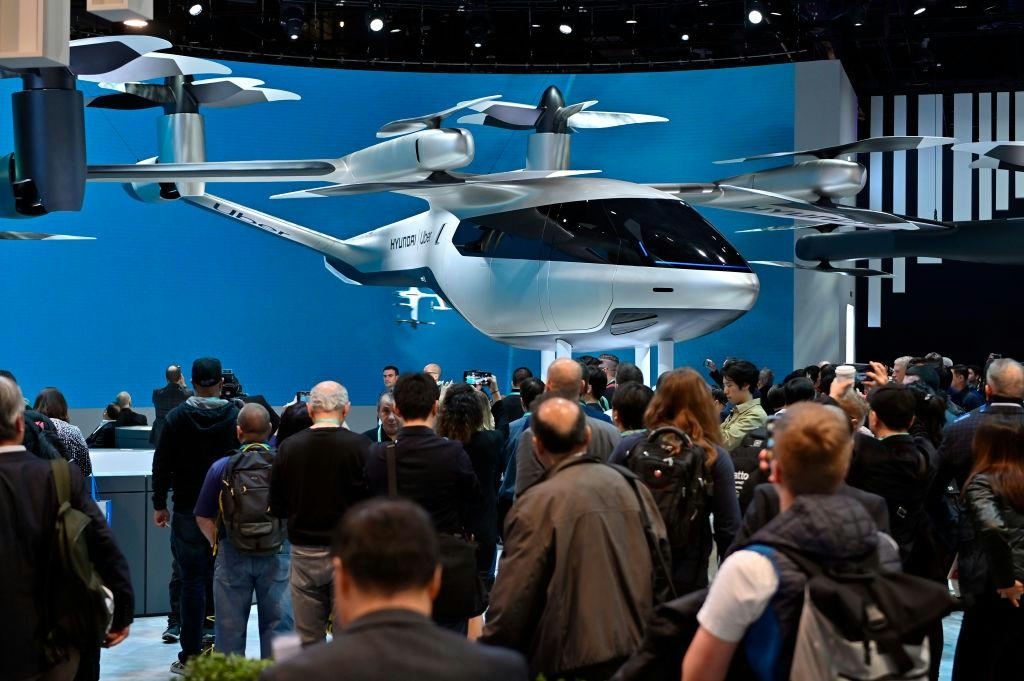
Uber to Launch Air Taxi Service in Dubai

Senator Peter Welch Introduces Aviation Innovation and Global Competitiveness Act
Macquarie Completes Sale of Aircraft Leasing Platform
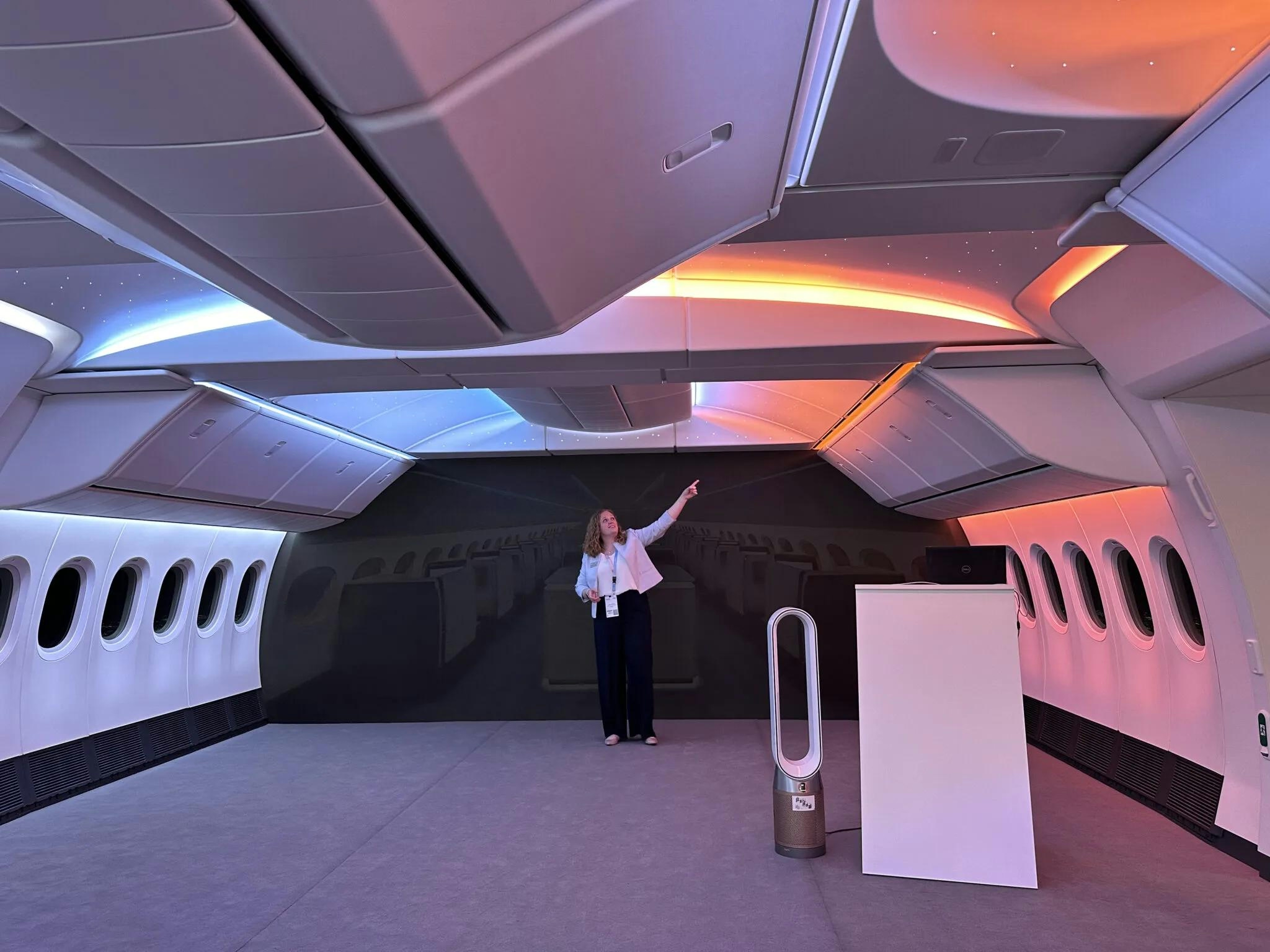
The Design Choices Behind Boeing’s 777X Cabin
DHL to Test Delivery Drones Manufactured in Abu Dhabi
Training Flight Cut Short Due to Fuel Starvation

GIFT City’s Growing Role in Aircraft Leasing
SAE International Honors Vertical Flight Expert Mike Hirschberg
Uber Air Taxis Set to Launch This Year
