
KI-Erkenntnisse in konkrete Maßnahmen überführen

Trends
Categories
US Air Force Plans to Double Fleet by 2026
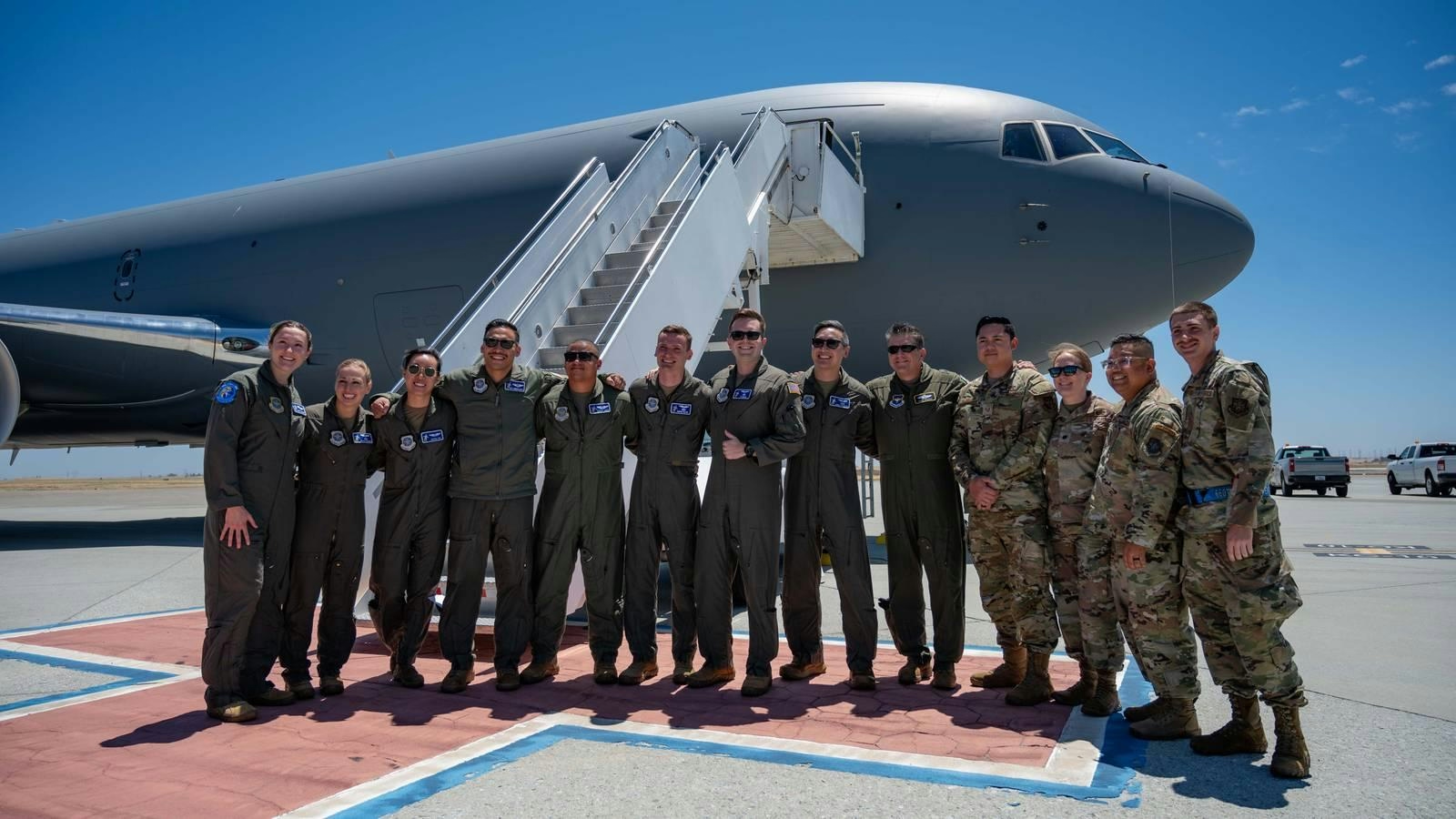
US Air Force Plans to Double Fleet by 2026 Amid Acquisition Challenges
The United States Air Force is advancing an ambitious plan to double its fleet size by 2026, focusing primarily on the acquisition of additional KC-46A aerial refueling tankers. This expansion, however, faces significant operational and legislative obstacles. Persistent engineering flaws in the KC-46A have prompted congressional restrictions on further purchases until these technical issues are fully resolved, complicating the Air Force’s timeline for fleet growth.
Legislative and Industry Implications
Congressional lawmakers have imposed limits on procurement to ensure that the KC-46A meets required performance standards before additional aircraft are acquired. This legislative scrutiny reflects broader concerns about the program’s viability and the potential impact on other defense priorities. In parallel, there are ongoing efforts to protect other critical aircraft programs, such as the E-7A, from cancellation. Lawmakers are wary that the focus on tanker expansion could divert funding and attention away from these essential platforms.
The Air Force’s expansion plans are also drawing close attention from defense contractors and suppliers. The anticipated increase in demand for aircraft and related components is expected to influence supply chain strategies and production priorities across the defense sector. Contractors may need to adjust their operations to accommodate shifting procurement schedules, which could have ripple effects throughout the industry.
Inter-Service Competition and Modernization
The Air Force’s fleet growth initiative is occurring amid a broader context of modernization and competition within the US military. Other branches are enhancing their own capabilities in response. For instance, the Space Force is reportedly investing in spectrum warfare technologies to strengthen its operational edge, underscoring a trend toward advanced technological development and inter-service rivalry.
Despite the technical setbacks and legislative challenges, Air Force officials remain steadfast in their commitment to expanding and modernizing their aerial refueling and support capabilities. They emphasize that these efforts are crucial for maintaining global readiness and operational flexibility. Successfully navigating the current obstacles will be essential not only for the Air Force’s future posture but also for the wider defense industry.

Etihad Airways Suspends Airbus A380 Flights on Key Route

Aditya Birla Group Seeks Approval for Aircraft Leasing in GIFT City

Qatar Airways Highlights Innovation and Connectivity at Arabian Travel Market 2026

Hong Kong's Five-Year Plan Includes Andrew Fan's Aircraft Parts Processing Hub Proposal

ACIA Aero Leasing Delivers ATR72-600 to Air Nostrum

RTX Appoints Jill Albertelli as Head of Pratt & Whitney

TAT Technologies Joins Beyond Aero Hydrogen Aircraft Program

AURAK Study Highlights Barriers to Air Taxi Adoption in Emerging Economies

Xiamen Air Selects Altitude for 787 Maintenance at Heathrow

Etihad and Swissport Extend Global Partnership
