
KI-Erkenntnisse in konkrete Maßnahmen überführen

Trends
Categories
Vietnam and Egypt Advance Travel and Aviation with Smart ID Systems and Airport Upgrades
Vietnam and Egypt Advance Travel and Aviation with Smart ID Systems and Airport Upgrades
Vietnam and Egypt are undergoing significant digital transformations in travel and aviation, establishing Hanoi and Cairo as emerging centers of innovation. Both nations are investing heavily in smart identification systems and airport modernization, reflecting a broader commitment to seamless travel, data-driven governance, and the development of smart tourism ecosystems.
Hanoi’s Digital Transformation: Building a Smart City for Tourism and Business
Hanoi is rapidly advancing its digital agenda, aiming to issue digital identities to 95% of its residents by October 2026. This initiative is part of a wider strategy to integrate artificial intelligence into public administration and digitize 22% of the city’s Gross Regional Domestic Product (GRDP). Central to this effort is the expansion of VNeID, Vietnam’s national digital identity system, which seeks to unify public services, streamline travel documentation, and simplify hotel check-ins. The city’s e-commerce sector is also poised for growth, expected to contribute over 17% of total retail sales, reinforcing Hanoi’s position as a leader in Vietnam’s E-Business Index.
Government operations are undergoing a comprehensive overhaul, with plans to move 60% of official meetings online and centralize reporting through unified digital platforms. The adoption of AI-powered governance and API-first infrastructure is enhancing data interoperability across public services. For travelers, these developments promise a more efficient experience, with digital IDs reducing paperwork for domestic travel, expediting hotel registrations, and facilitating access to tourism services. Hanoi’s transformation into a smart tourism destination aims to balance enhanced convenience with the preservation of its cultural heritage.
Egypt’s Aviation Modernization: Enhancing Passenger Experience through Digital Innovation
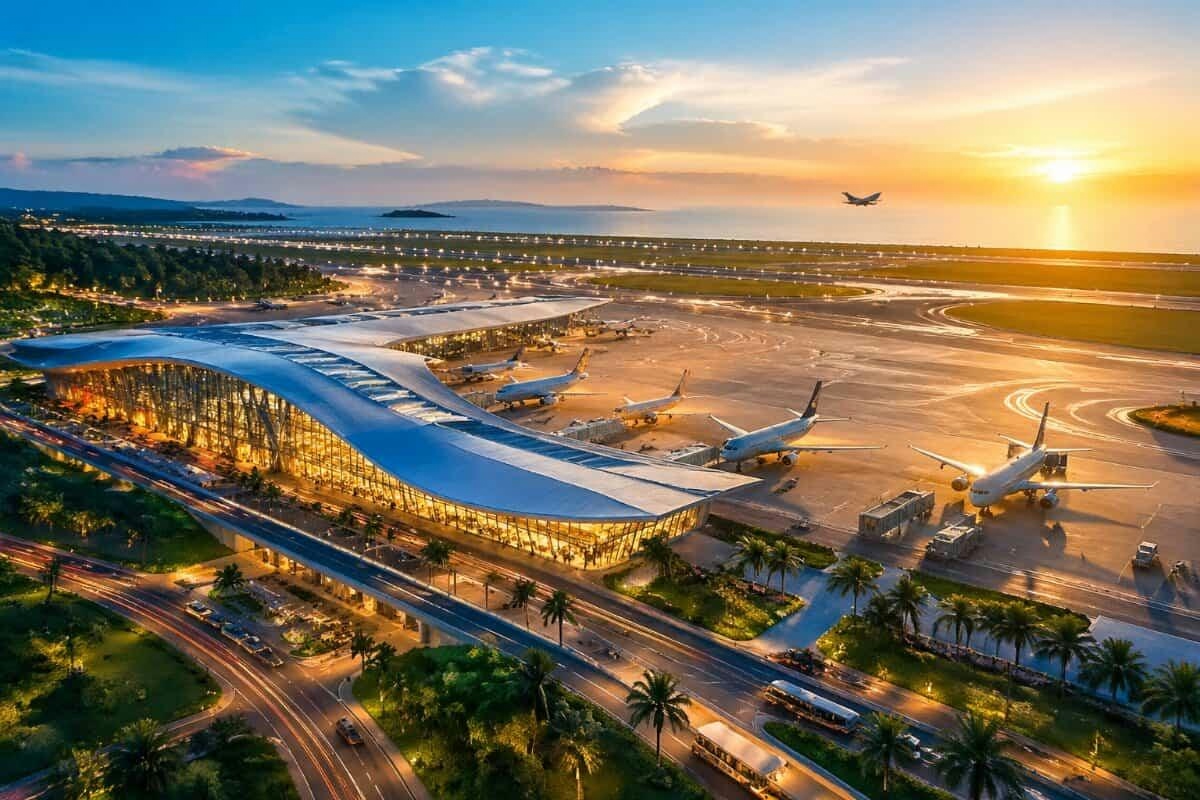
Egypt is pursuing a technology-driven strategy to modernize its aviation sector, focusing on upgrading airport infrastructure and implementing fully digital passenger processing systems. These improvements are designed to create frictionless travel experiences, reduce wait times, and support sustainable infrastructure development. As airports become more efficient and attractive, the aviation market is expected to benefit from increased passenger traffic and smoother airline operations. Travelers will experience faster verification processes at hotels, attractions, and transport hubs, contributing to a more seamless journey.
Economic Inclusivity and Cultural Preservation
Hanoi’s digital roadmap also prioritizes economic inclusivity by supporting 10,000 small and medium enterprises (SMEs) with affordable digital tools, particularly in AI-driven marketing and accounting. This initiative aims to strengthen local businesses that are integral to the tourism value chain, including boutique hotels and handicraft sellers. Additionally, the digitization of cultural assets is a key focus, intended to preserve and promote Hanoi’s rich heritage in the digital era.
Challenges and Regional Implications
Despite the promising benefits, both Vietnam and Egypt face considerable challenges in implementing these initiatives. Significant investments, extensive staff training, and adjustments to existing systems are required. Resistance to new technologies among staff and travelers poses a potential obstacle, while ensuring data security and privacy remains paramount. Regional competitors may respond with similar upgrades or pursue alternative innovations to maintain their competitive advantage.
Vietnam and Egypt’s parallel digital transformations exemplify a broader trend among emerging markets to lead in digital governance and aviation innovation. These efforts are set to reshape regional competitiveness and establish new standards for the future of travel, offering faster, more convenient, and sustainable experiences for global travelers, airlines, and tourism stakeholders.

Etihad Airways Suspends Airbus A380 Flights on Key Route

Aditya Birla Group Seeks Approval for Aircraft Leasing in GIFT City

Qatar Airways Highlights Innovation and Connectivity at Arabian Travel Market 2026

Hong Kong's Five-Year Plan Includes Andrew Fan's Aircraft Parts Processing Hub Proposal

ACIA Aero Leasing Delivers ATR72-600 to Air Nostrum

RTX Appoints Jill Albertelli as Head of Pratt & Whitney

TAT Technologies Joins Beyond Aero Hydrogen Aircraft Program

AURAK Study Highlights Barriers to Air Taxi Adoption in Emerging Economies

Xiamen Air Selects Altitude for 787 Maintenance at Heathrow

Etihad and Swissport Extend Global Partnership
