
KI-Erkenntnisse in konkrete Maßnahmen überführen

Trends
Categories
What Passengers Can Expect on Boeing’s New 777X Jet
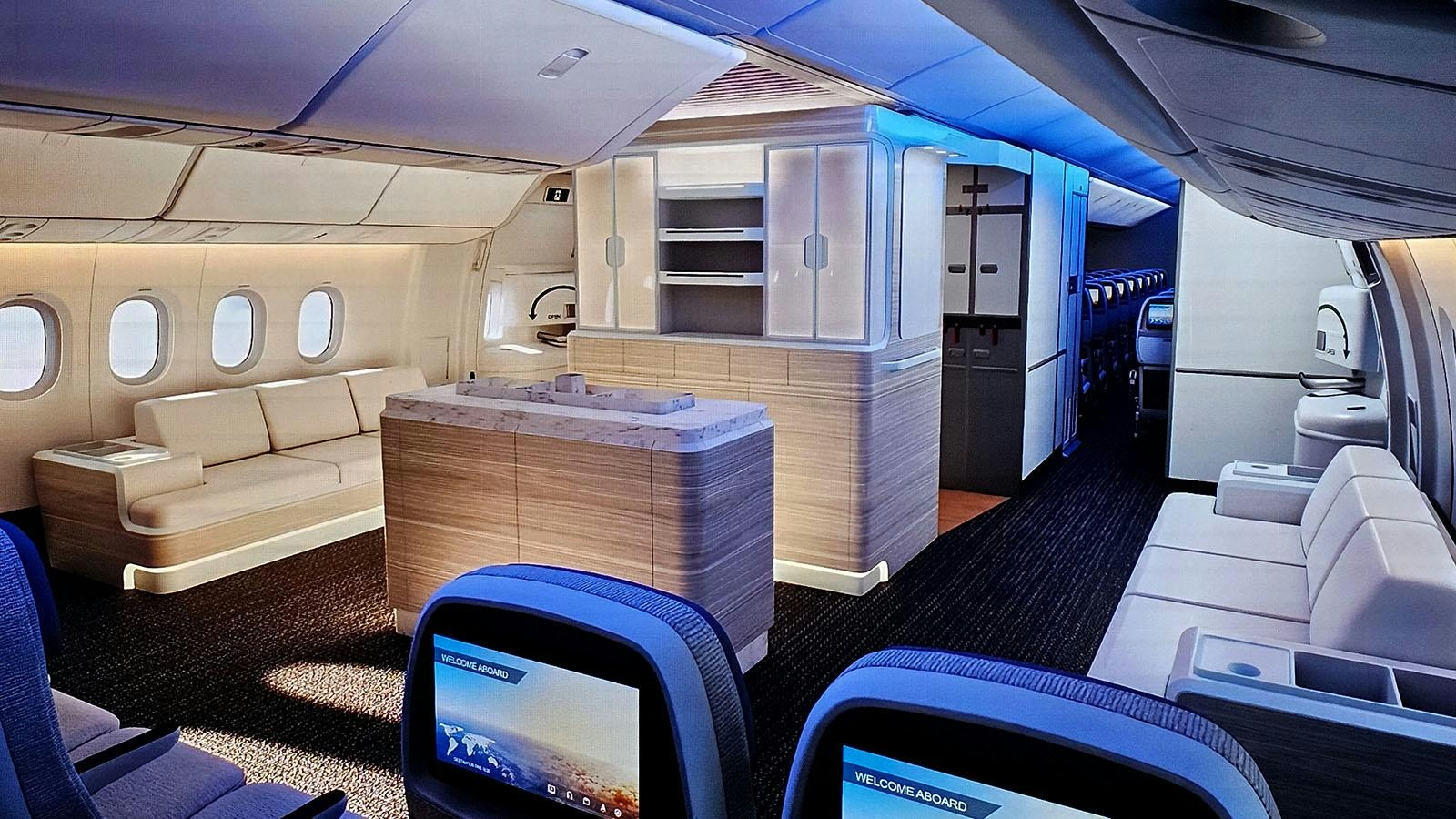
What Passengers Can Expect on Boeing’s New 777X Jet
Boeing’s 777X, the world’s largest twin-engine widebody aircraft, is poised to enter passenger service in 2027, marking a significant milestone after a protracted development period that has extended seven years beyond the original schedule. The program has incurred over $15 billion in development costs, reflecting the complexity and scale of the project. More than a dozen airlines, including launch customer Lufthansa, eagerly await delivery of the yet-to-be-certified aircraft, which boasts seating for over 400 passengers and a nonstop range of up to 9,000 miles.
Development Challenges and Market Impact
The 777X represents a critical initiative for Boeing amid mounting pressure from regulators and fierce competition in the aerospace industry. The extended timeline has not only escalated costs but also intensified scrutiny following a series of quality-control and safety concerns. These delays have caused frustration among key customers such as Emirates, which has declined to accept some of the earliest-built jets due to their age and the financial burden of maintaining older aircraft during the interim. Several 777X planes have now approached eight years in storage without having carried a single passenger.
Despite these setbacks, the aircraft has secured more than 560 orders across its variants, amounting to billions of dollars in value. The 777X is central to many airlines’ strategies to expand their long-haul networks, capitalize on growing demand for premium travel, and replace aging, less efficient widebody fleets. For Boeing, the success of the 777X is pivotal to restoring confidence and financial stability after years of challenges that have eroded trust among customers and the public alike.
Competitive dynamics with Airbus have also influenced the 777X’s development. In response to Airbus’s advancements, Boeing enhanced the 777X’s range capabilities without increasing its maximum takeoff weight, thereby offering airlines greater operational flexibility and efficiency. As the 777X approaches entry into service, Airbus is expected to upgrade its own widebody models to maintain market share, sustaining the intense rivalry between the two aerospace giants.
Passenger Experience and Cabin Innovations
At the Farnborough International Airshow in July, Business Insider previewed a mock-up of the 777X cabin and engaged with Boeing representatives to explore what passengers can anticipate. The 777X features the widest cabin in its class, configured with 10 seats abreast and 18-inch-wide seats in the mock-up. Airlines will have the flexibility to customize seat width and aisle spacing to align with their service models. Additional innovations include longer wings equipped with folding wingtips, large General Electric engines, advanced lighting systems, and strategically placed doors designed to optimize premium cabin layouts.
Justin Hale, Boeing’s managing director of product marketing, analysis, and competitive intelligence, emphasized the company’s intent to create a cabin environment that is both distinctive and marketable. “We wanted to produce a cabin that would be distinctive and unique—something airlines could market as different,” he stated. “We believe we’ve achieved that with the 777X.”
While the double-decker Airbus A380 and Boeing 747 remain the largest and widest passenger aircraft, the 777X aims to establish a new benchmark for efficiency, comfort, and range within the twin-engine widebody category. As airlines and passengers await its long-delayed debut, the 777X stands at the forefront of Boeing’s efforts to reclaim its position in the highly competitive long-haul aviation market.
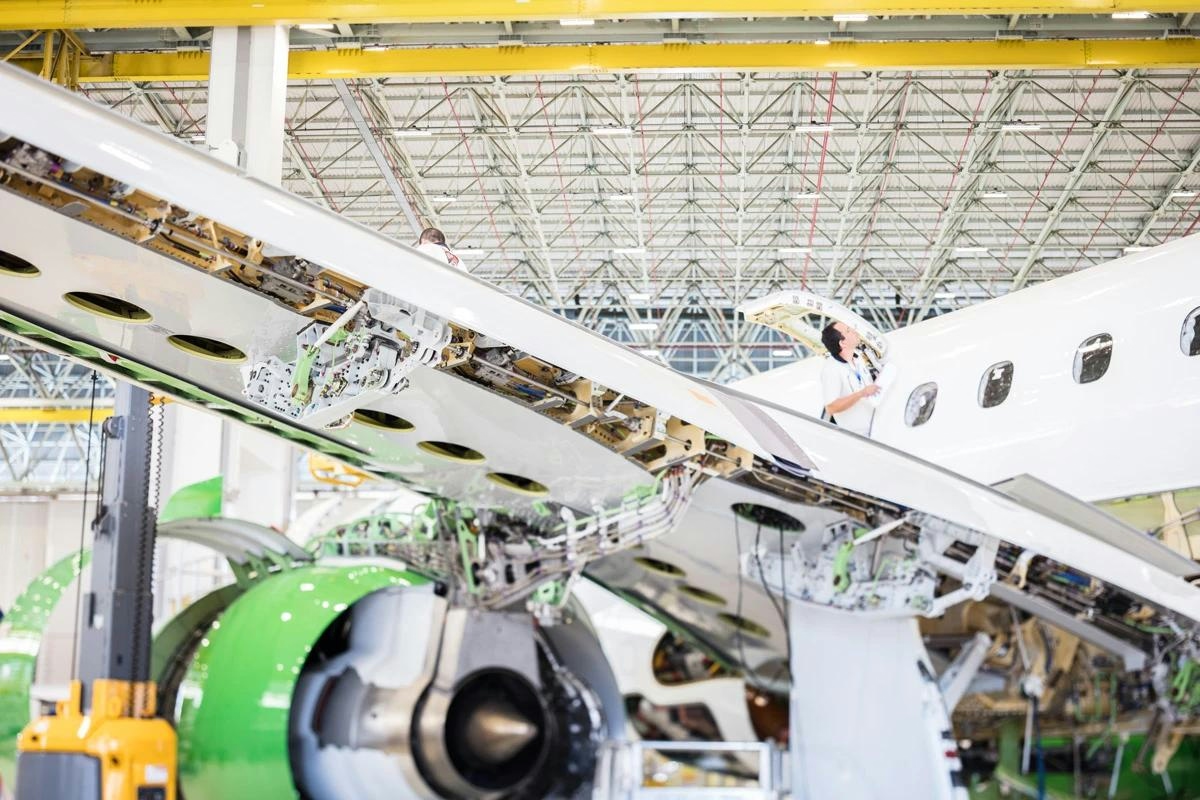
Embraer E195-E2 Features Distinctive Engine Placement Among Regional Jets
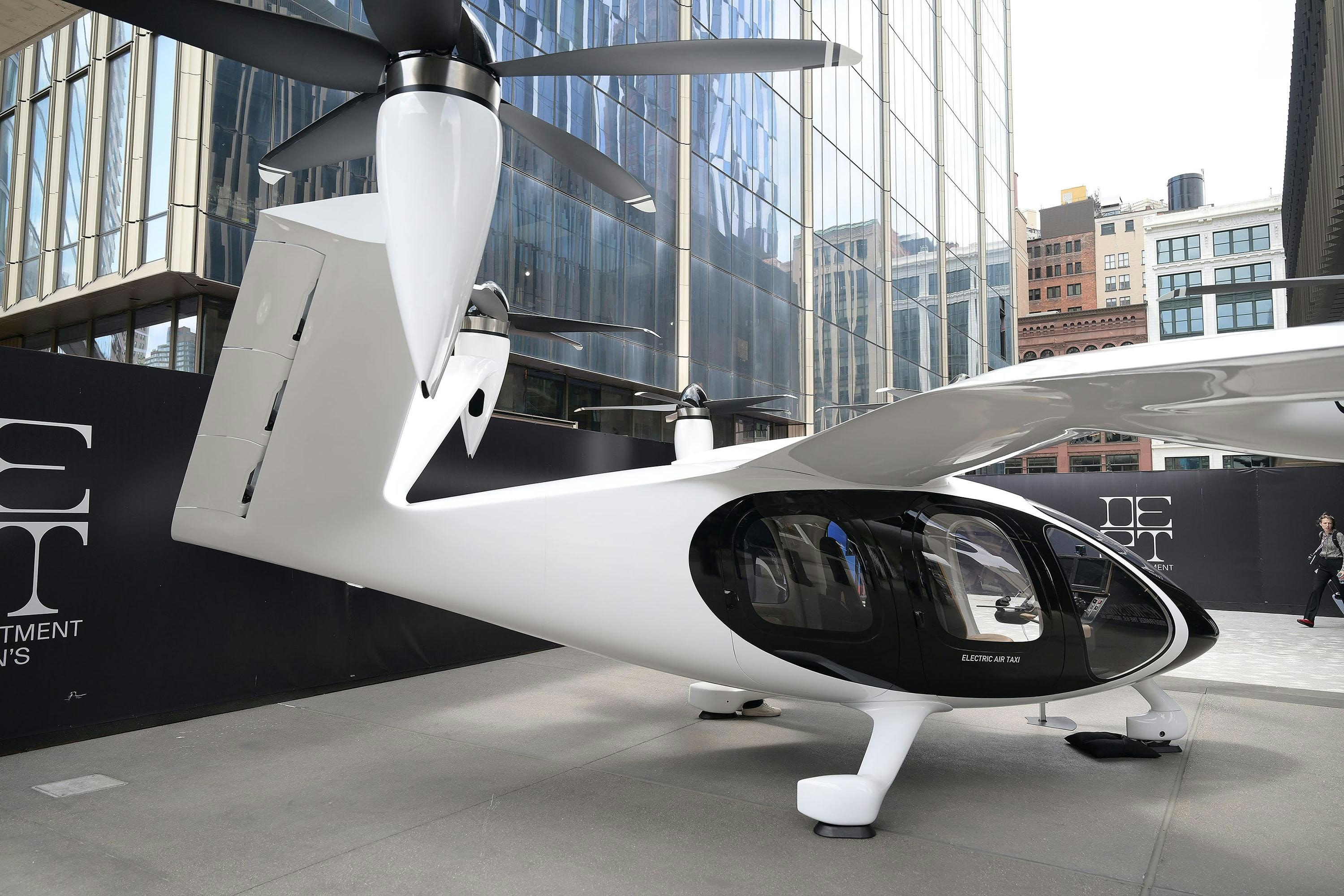
Joby Aviation Extends Autonomous Flight Capabilities with Cross-Country Tour
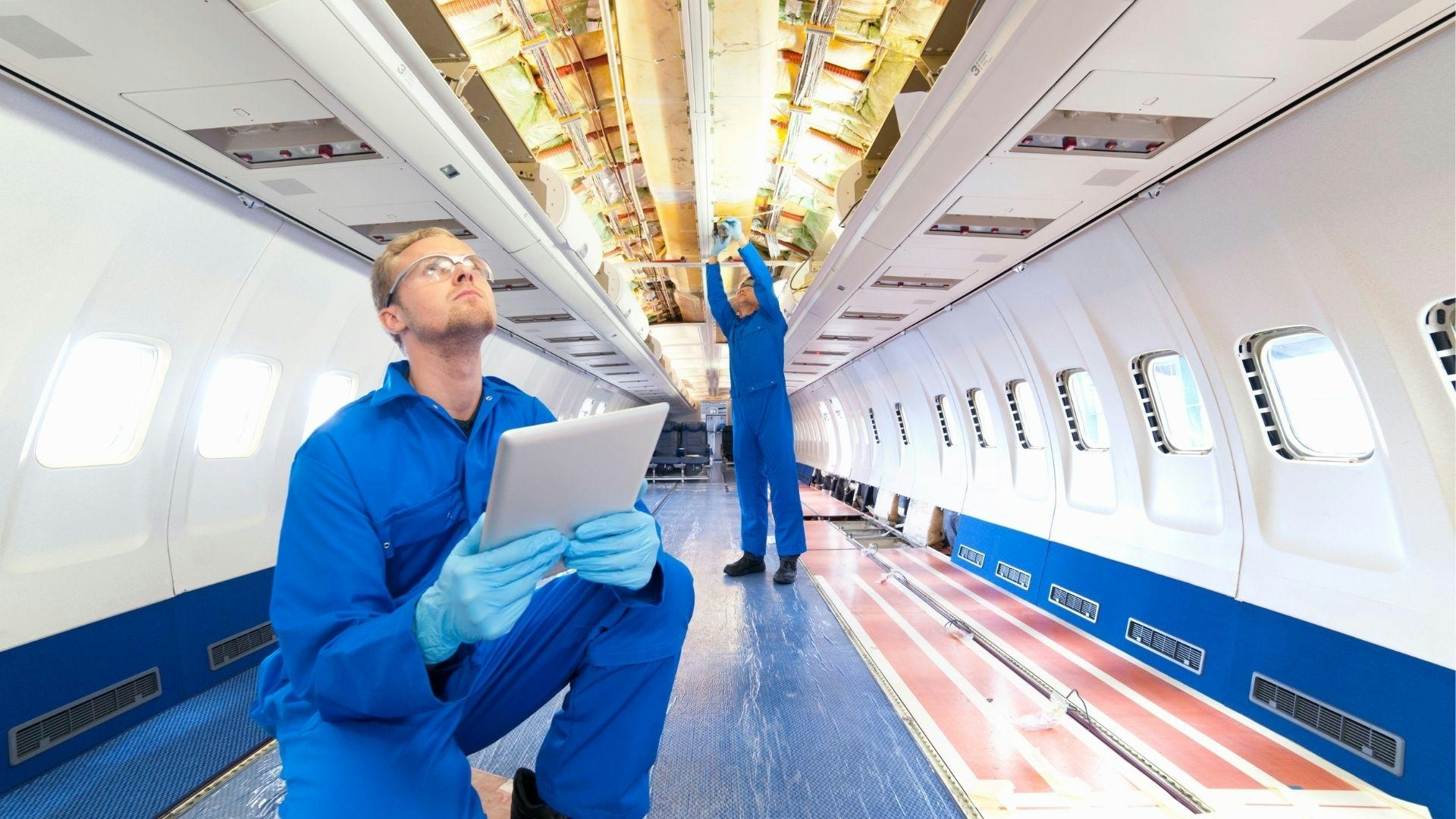
Strengthening Europe's Aviation Supply Chain Amid Uncertainty
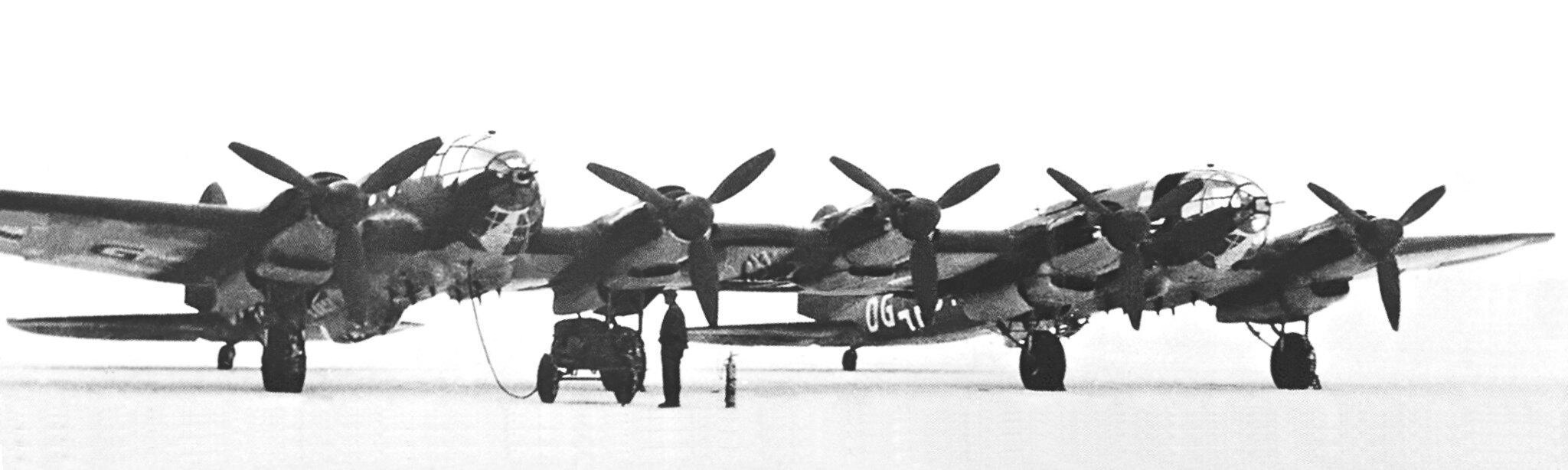
He 111Z Zwilling: Twin Fuselages, Five Engines, One Pilot
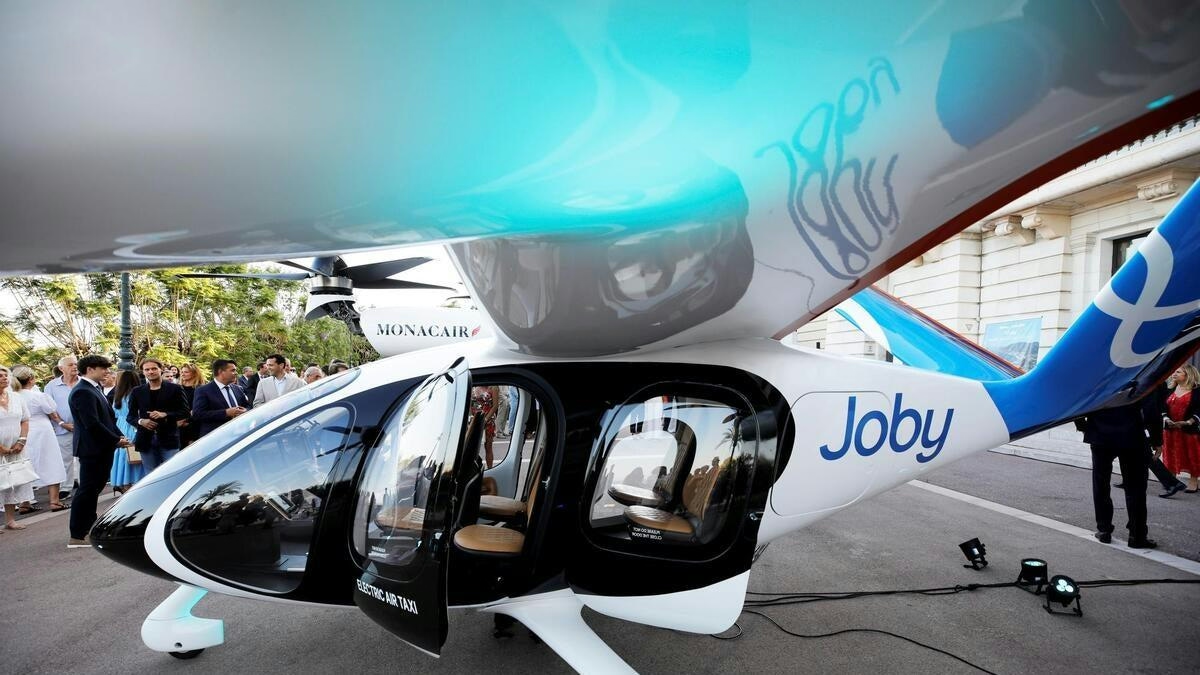
Monacair Plans Electric Air Taxi Service Between Monaco and Nice by 2029
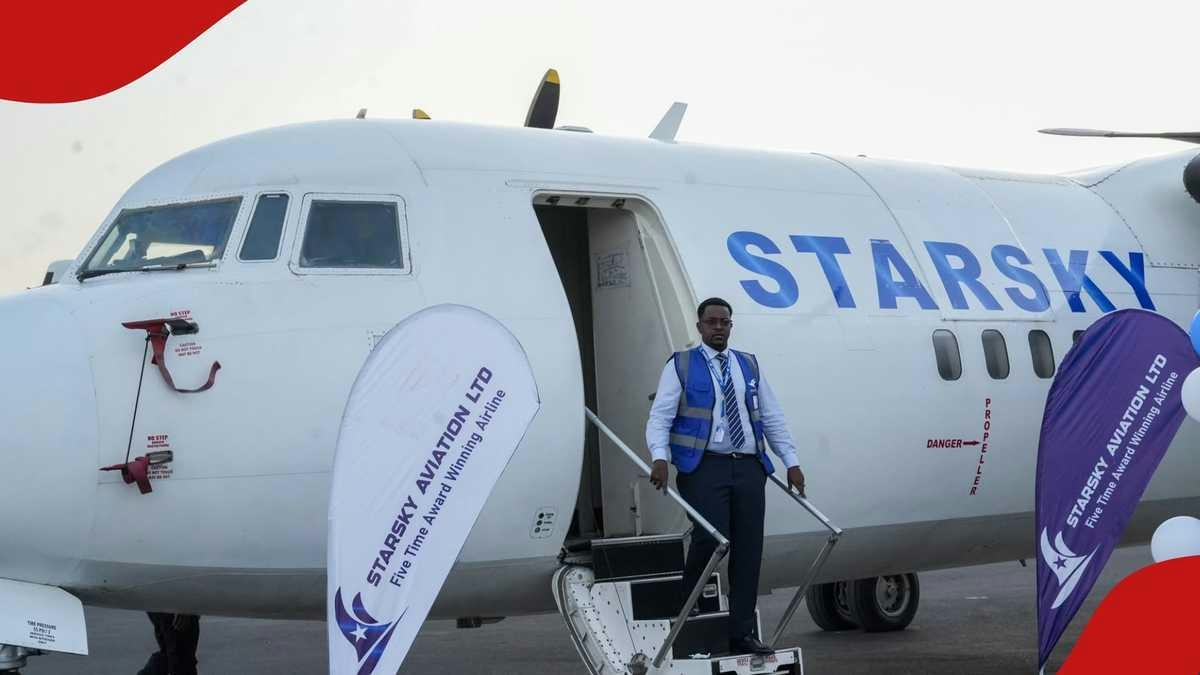
Somalia’s Starsky Aviation Plans International Expansion
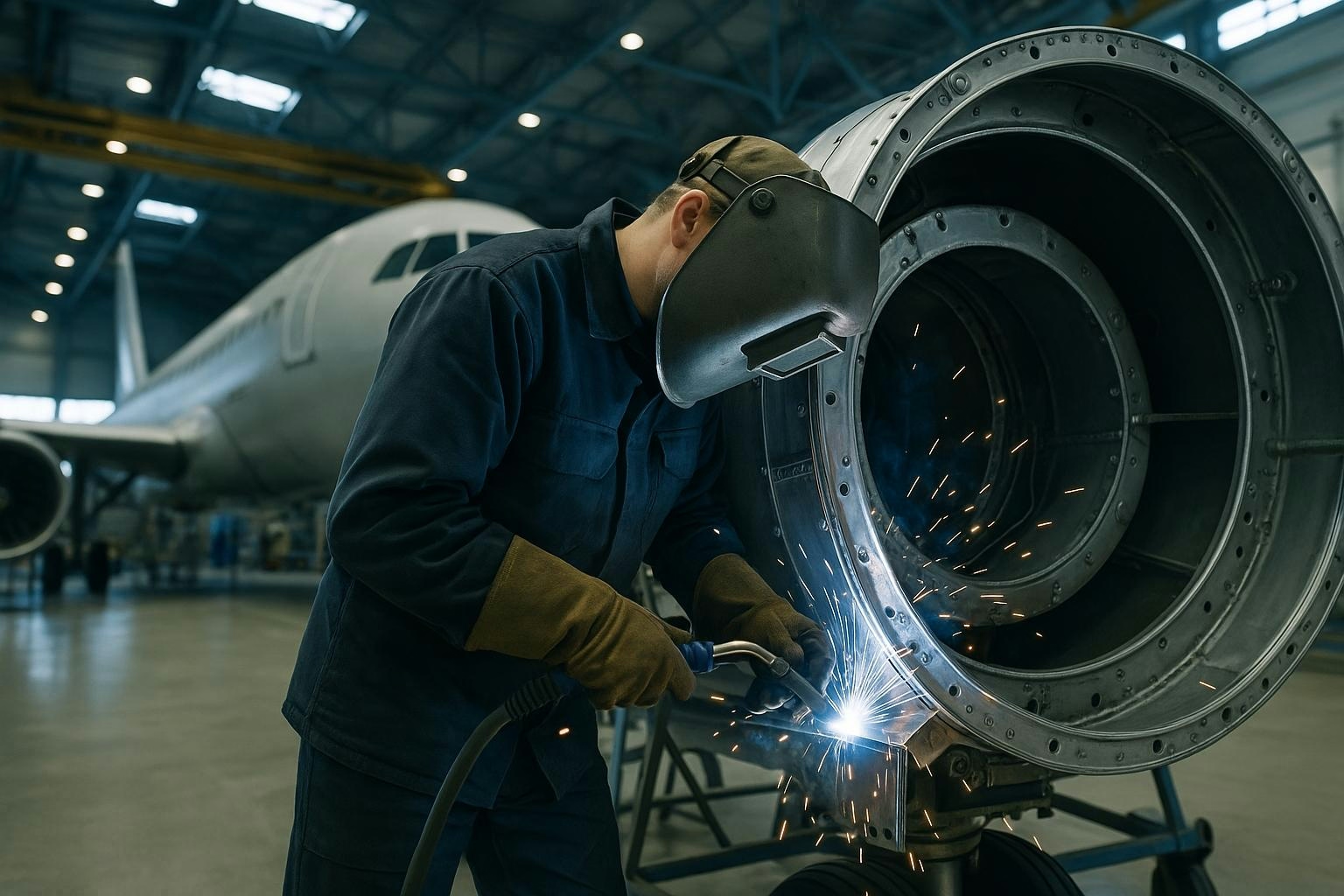
Precision and Care Essential in Aerospace Coating Applications

Drukair Chooses LEAP Engines for Five Airbus Aircraft
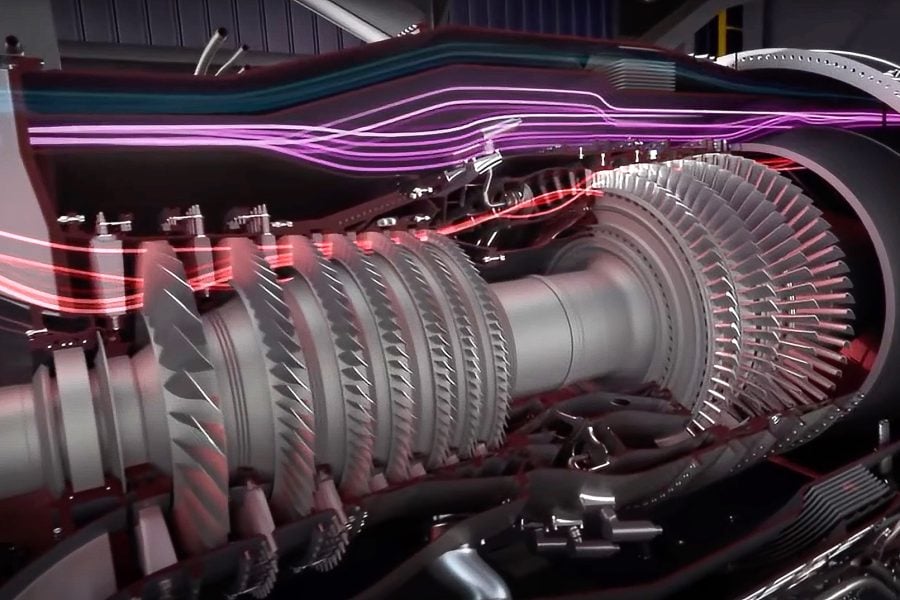
GE Aerospace Advances XA102 Adaptive Cycle Engine Toward Assembly for U.S. Air Force Combat Aircraft
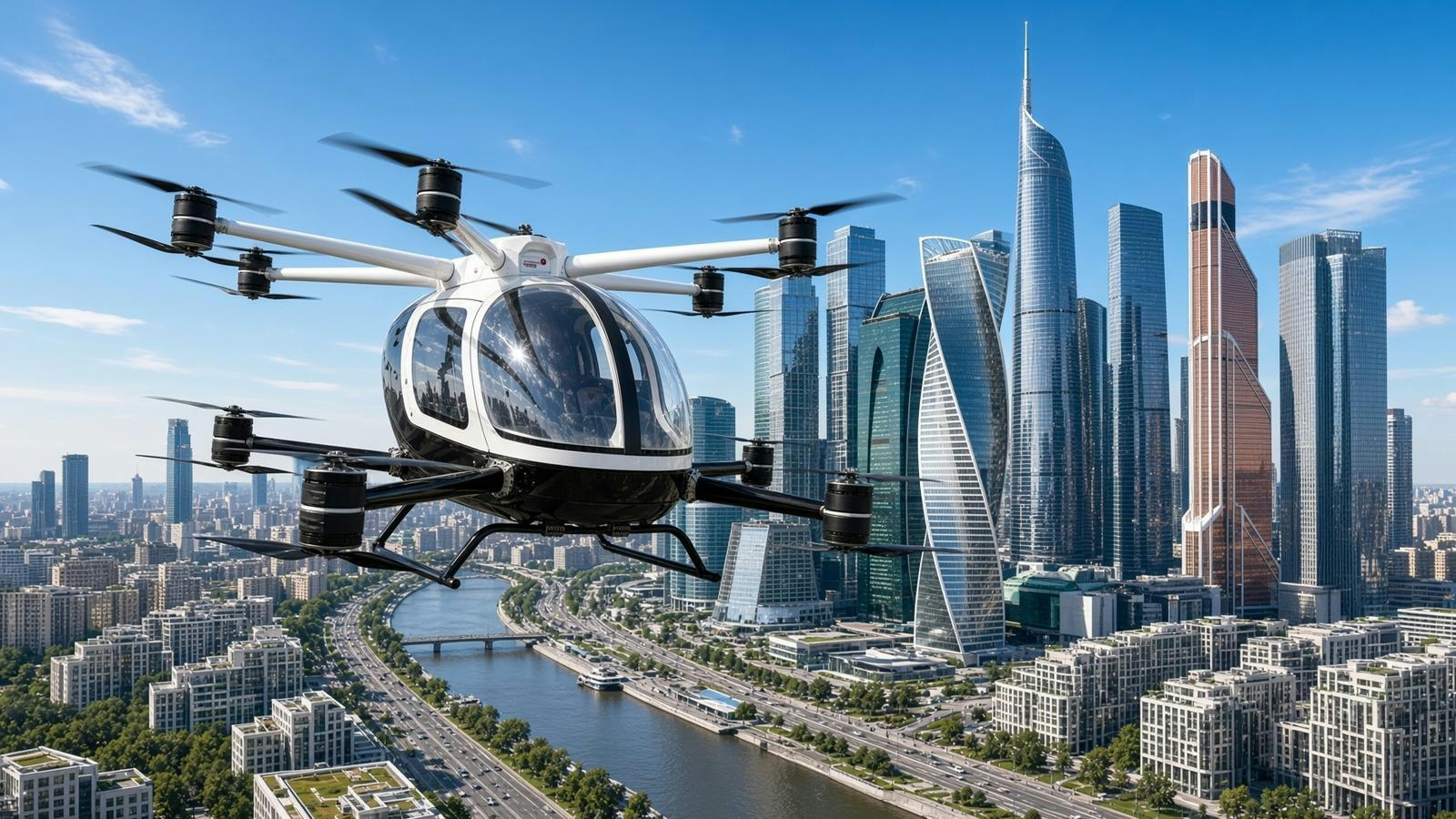
Russia Tests Air Taxis with Passenger Flights Possible in 2-3 Years
