
KI-Erkenntnisse in konkrete Maßnahmen überführen

Trends
Categories
Wizz Air Faces Engine Issues, Disrupting Balkan Routes to Cyprus and Beyond
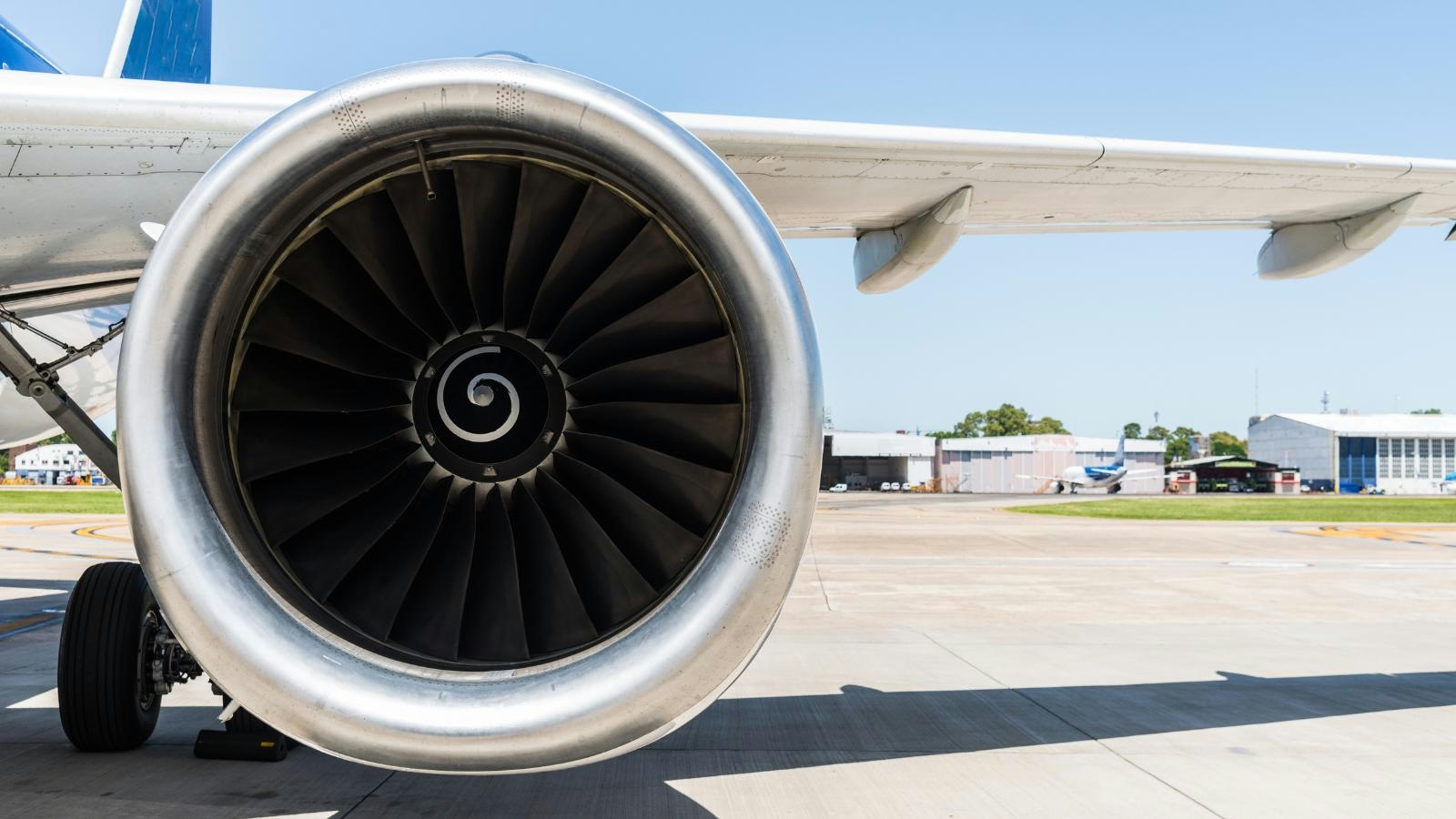
Wizz Air Confronts Engine Crisis Disrupting Balkan-Cyprus Routes
Wizz Air’s rapid expansion across Europe has encountered a significant setback in 2026 due to a global engine crisis affecting its fleet. The airline has been forced to suspend and cancel multiple routes connecting the Balkans, particularly Skopje and Tuzla, to Larnaca, Cyprus. The root cause lies in widespread defects found in Pratt & Whitney’s GTF engines, which power much of Wizz Air’s Airbus A320neo aircraft. Contamination in critical engine components has resulted in cracks, grounding thousands of planes worldwide. Wizz Air is especially impacted given its heavy dependence on these models.
At present, between 33 and 38 of Wizz Air’s aircraft remain grounded, an improvement from the 60 sidelined in 2024 but still a considerable operational challenge. The airline does not expect a full resolution until 2027, indicating that disruptions will likely continue for an extended period.
Strategic Route Adjustments Amid Fleet Constraints
Wizz Air’s suspension of services appears to be a calculated response to limited fleet availability, prioritizing its most profitable routes. Seasonal flights such as Skopje–Larnaca and Tuzla–Larnaca were maintained through mid-April to capitalize on demand during the Orthodox Easter holidays. Following this period, the airline plans to reallocate aircraft to more lucrative Western European routes, including new connections like Varna–Larnaca and Milan–Larnaca.
A notable example of this strategic shift is the abrupt suspension of the Tuzla–Larnaca route. Introduced with significant promotion at the end of March as part of Wizz Air’s 2026 expansion, the service will be discontinued just three weeks later. This decision highlights the airline’s need to rapidly adapt to ongoing engine shortages by concentrating resources on core routes and postponing regional growth initiatives.
Financial Pressures Compound Operational Challenges
The operational difficulties coincide with mounting financial pressures for Wizz Air. The airline recently issued a profit warning, which triggered a sharp decline in its share price. It estimates that the ongoing Middle East crisis, particularly the conflict involving Iran, could reduce profits by approximately €50 million, although the impact is expected to ease from April onward. These financial strains, combined with the operational disruptions, may intensify competitive pressures and alter market dynamics, even as responses from direct competitors remain uncertain.
As Wizz Air contends with these challenges, passengers face uncertainty and must seek alternative travel options. The airline’s reputation for reliability is under scrutiny, with the engine issues unlikely to be fully resolved before 2027. Industry observers and travelers alike will be closely monitoring how Europe’s prominent low-cost carrier manages this prolonged crisis in the coming months.
Embraer Delivers 2,000th E-Jet as Airbus A220 Seeks Market Share
iniBuilds Releases Second In-Depth A380 Video
Ryanair and Alaska Airlines Apply AI to Operational Decision-Making

Digital Payments, AI, and Aviation Strengthen Philippines-India Relations

PlaneSense Suspends PC-12 Jet Card Sales
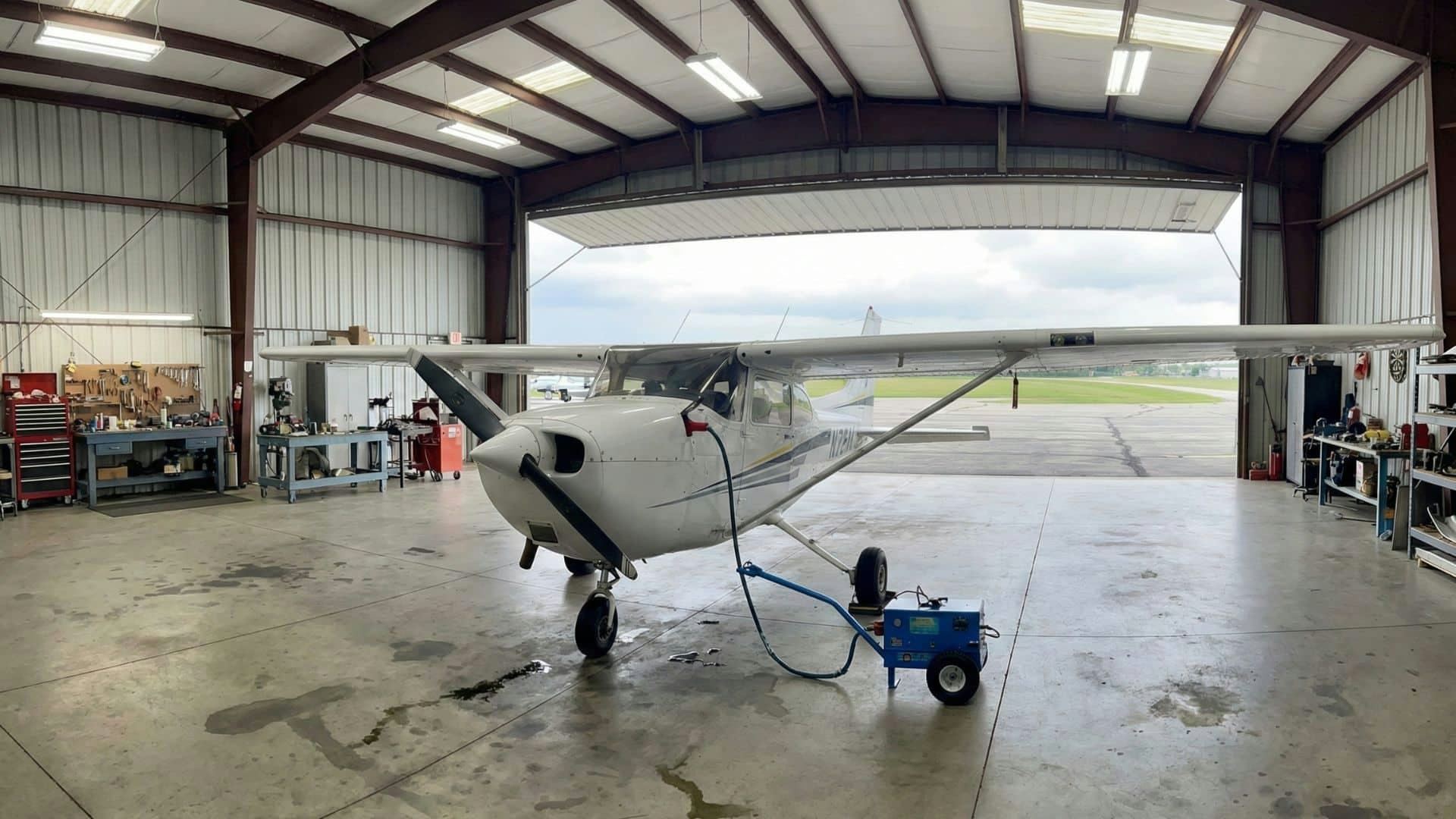
How AI Could Transform Bird-Strike Prevention for Business Aviation
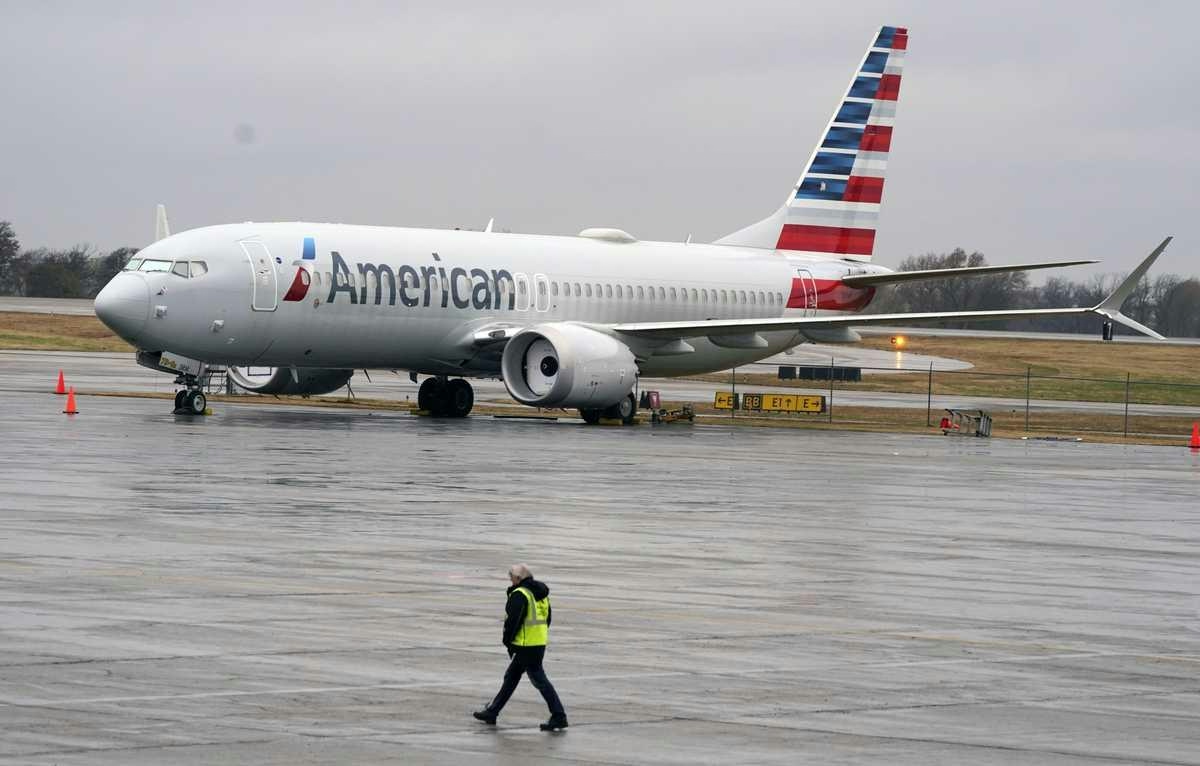
American Airlines and Boeing Complete First 737 MAX Landing Gear Swap

Vietjet and Thales sign major MRO and AI deals in Paris
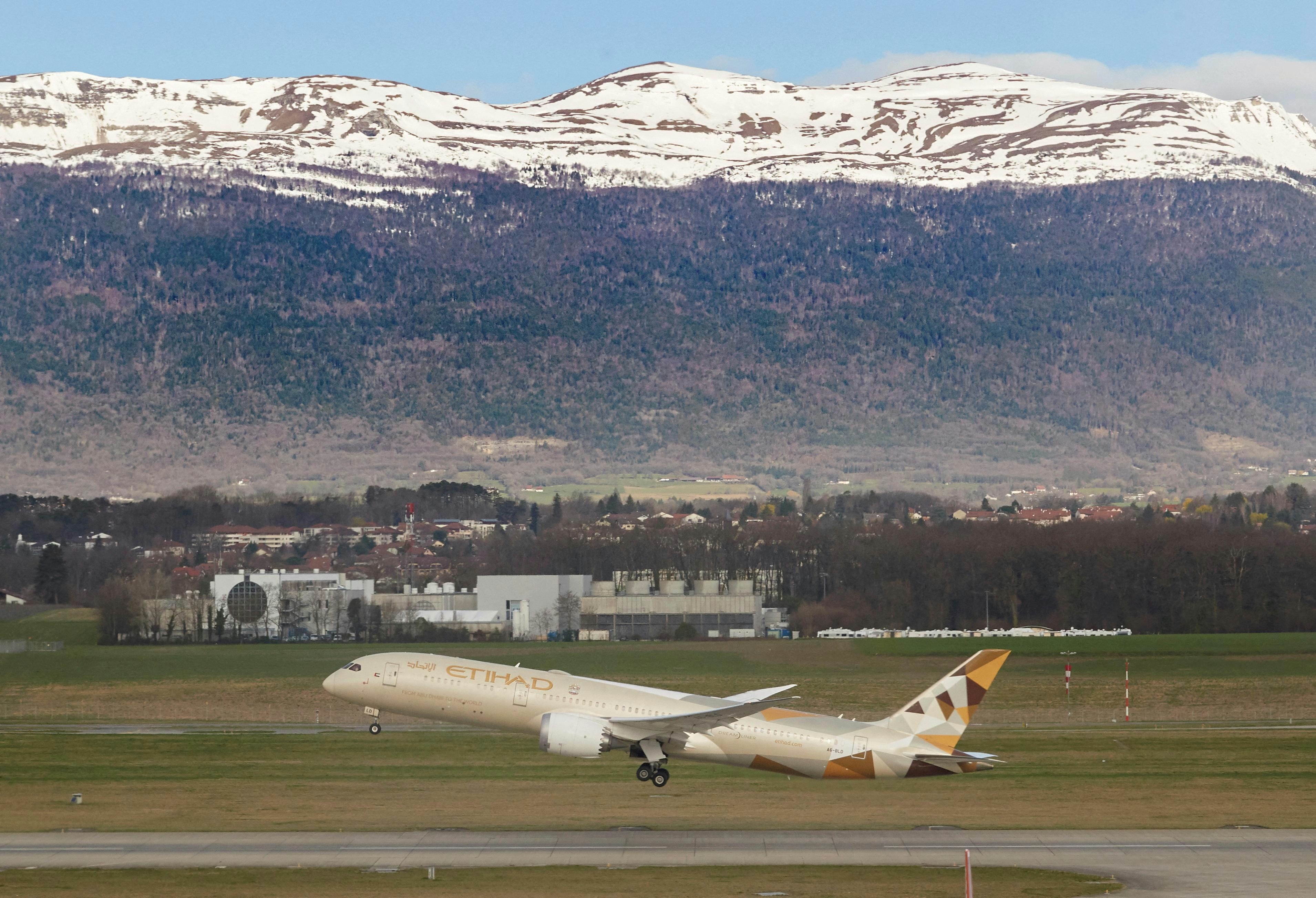
Etihad CEO Cites Aircraft Capacity as Limiting Factor Amid Growth in China and Africa

Artificial Intelligence Enters the Cockpit
