
KI-Erkenntnisse in konkrete Maßnahmen überführen

Trends
Categories
Zhukovsky NIC Develops Four-Engine Aircraft with Wingtip Engines Operating Without Kerosene
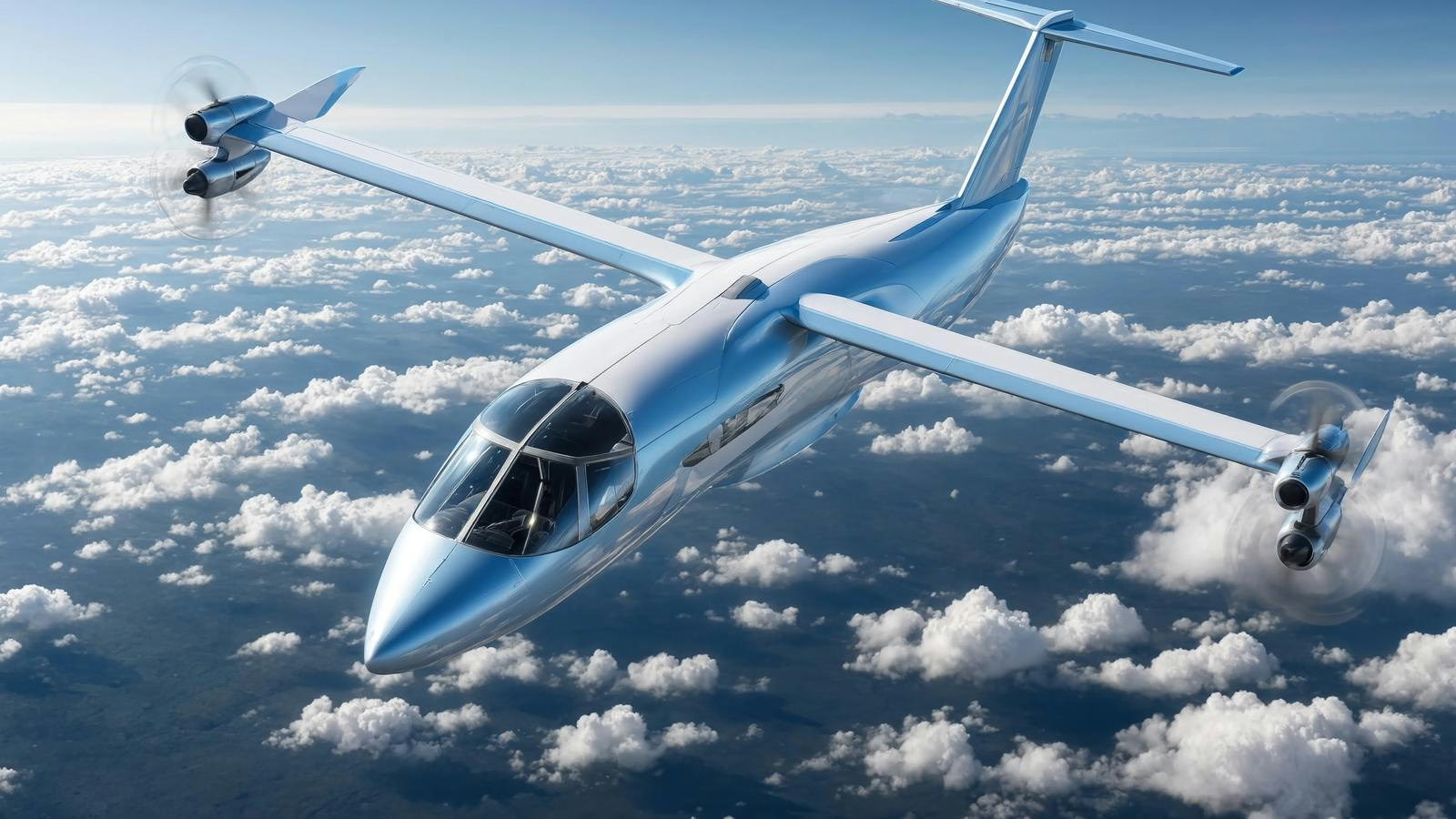
Zhukovsky NIC Develops Four-Engine Aircraft with Wingtip Engines Operating Without Kerosene
Innovative Design and Propulsion System
The Zhukovsky National Research Center has unveiled a pioneering aircraft design featuring a four-engine propulsion system uniquely positioned at the wingtips. This configuration employs two double-row pulling propellers at each wingtip, with each propeller driven by two independent engines, resulting in a total of four engines per aircraft. The design aims to advance electric and hybrid aviation technologies by integrating this unconventional propulsion layout.
A notable innovation within this design is an automated safety system that addresses the challenges of wingtip engine failures. Should an engine malfunction occur, the system automatically deactivates the corresponding engine on the opposite wing. This mechanism preserves balanced thrust and significantly mitigates the hazardous yawing moment typically associated with asymmetric wingtip engine failures. According to the patent, this approach maintains aircraft controllability while retaining the aerodynamic advantages of wingtip-mounted propellers.
The propellers are engineered to rotate counter to the wingtip vortices, a feature intended to reduce induced drag. Designers estimate that this could improve aerodynamic efficiency by 10 to 20 percent compared to conventional aircraft without wingtip propellers.
Variants and Operational Considerations
The aircraft is planned in two variants: a fully electric model powered by four electric motors, and a hybrid version combining two internal combustion engines with two electric motors. In the hybrid configuration, if an internal combustion engine fails, the system compensates by shutting down the symmetrical electric motor to maintain operational balance and flight stability.
Industry Context and Challenges
Zhukovsky NIC’s ambitious project aligns with the broader aviation industry’s push toward kerosene-free, zero-emission flight, reflecting global decarbonization efforts. Similar initiatives include Saab’s ‘loyal wingman’ concept and Safran’s Leap engines, which are designed to meet the evolving requirements of major manufacturers such as Airbus and Boeing, as well as the aftermarket sector.
However, the path to production for such advanced propulsion systems is fraught with challenges. Recent experiences in U.S. Air Force jet engine manufacturing have highlighted issues including production delays, quality control problems, and risks of critical obsolescence. These factors underscore the complexities involved in scaling up next-generation propulsion technologies.
Competitors with established industrial bases may hold an advantage in meeting the increasing procurement demands. For instance, the U.S. Air Force plans to acquire more than 180 engines annually by 2034, illustrating the scale and pace required for successful market adoption.
As the aviation sector intensifies its focus on sustainability and innovation, Zhukovsky NIC’s four-engine, wingtip-propeller aircraft represents both a significant technical advancement and a test of the industry’s capacity to overcome manufacturing and market challenges on the journey toward zero-emission flight.

Etihad and Swissport Extend Global Partnership
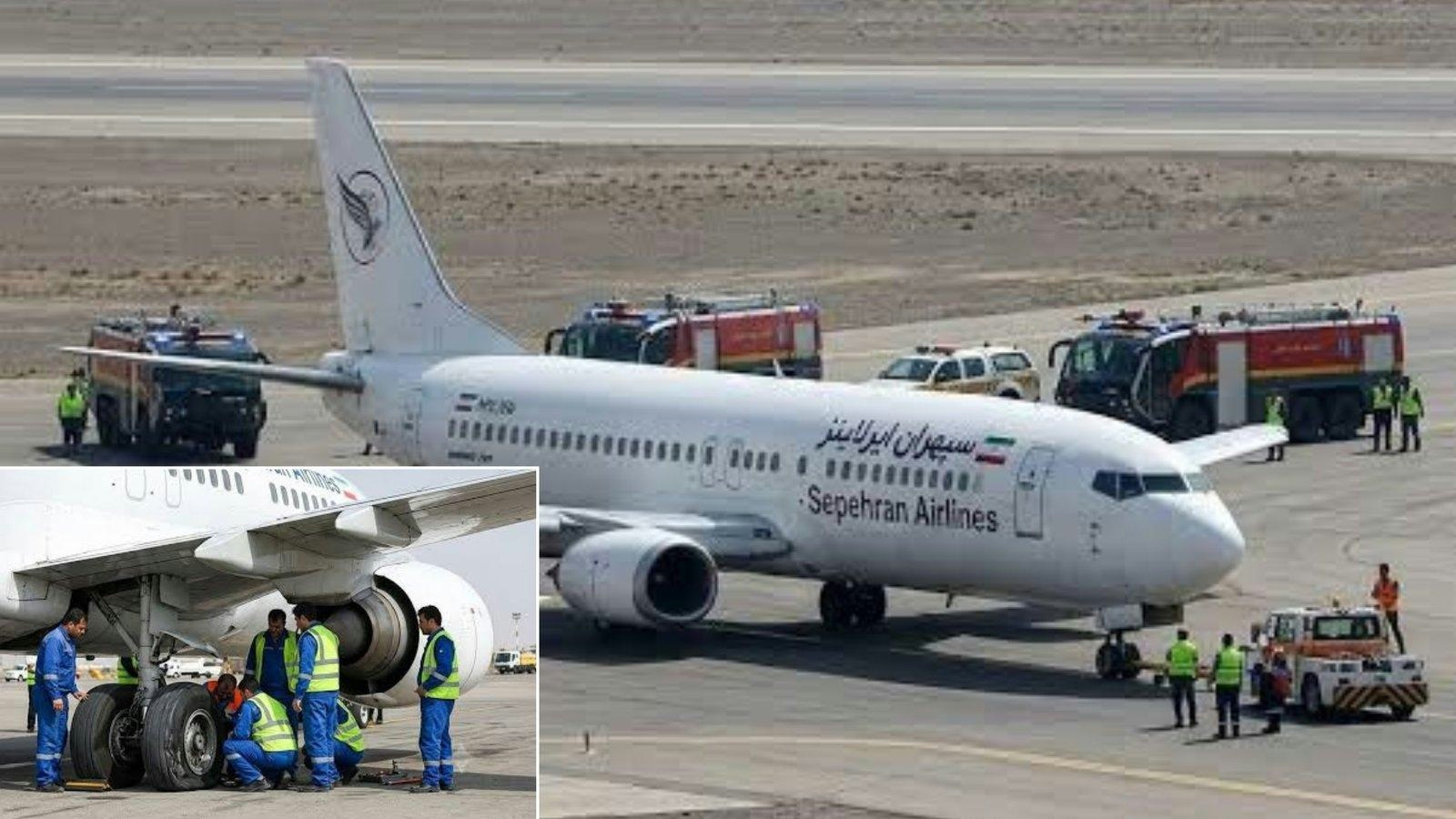
Sepehran Airlines B737 Returns to Mashhad After Tyre and Engine Issues

Etihad Deploys Widebody Fleet to Meet Strong Demand
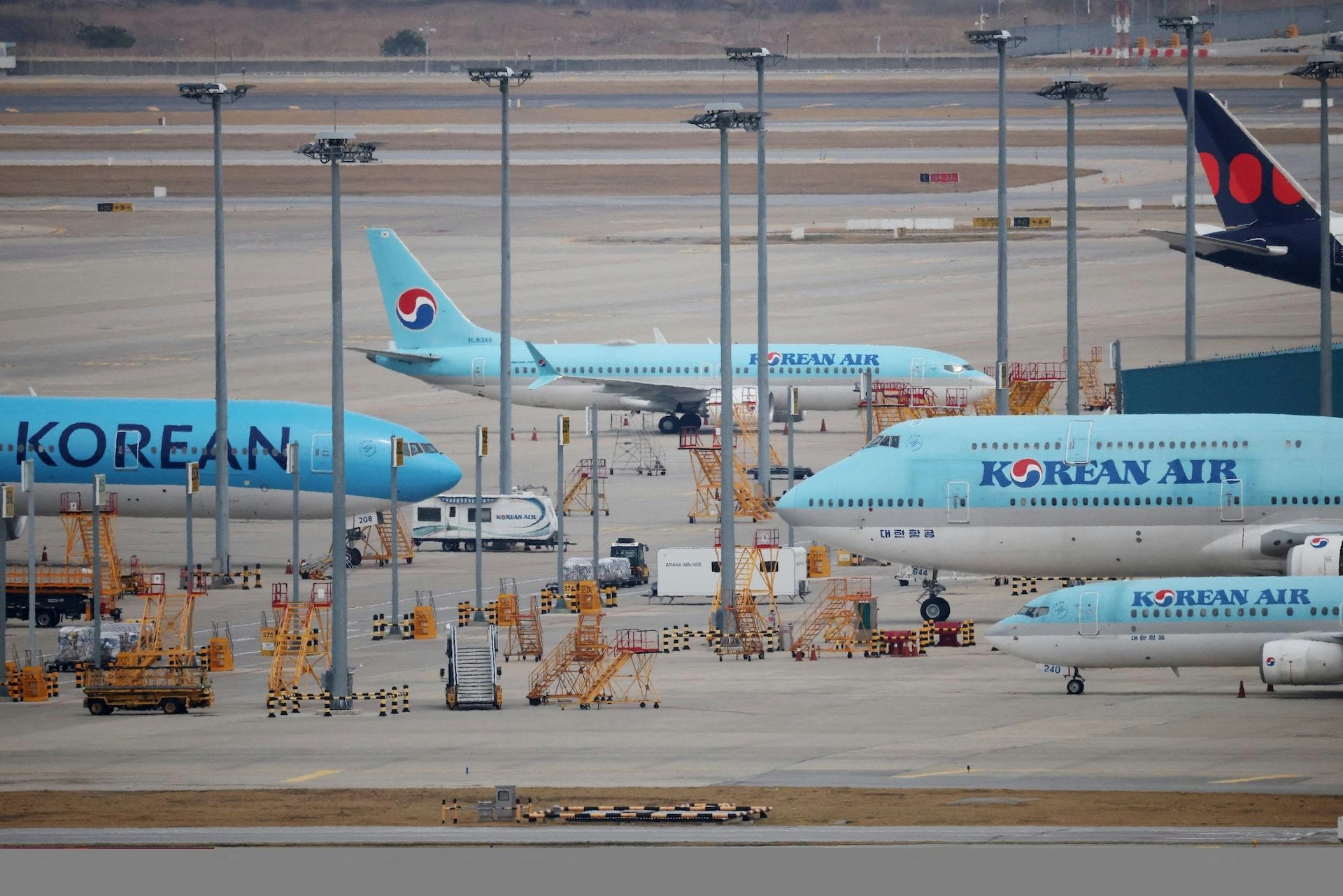
Korean Air Finalizes $36.2 Billion Deal with Boeing

Australia’s RFDS Queensland Section Orders Six King Air 260Cs
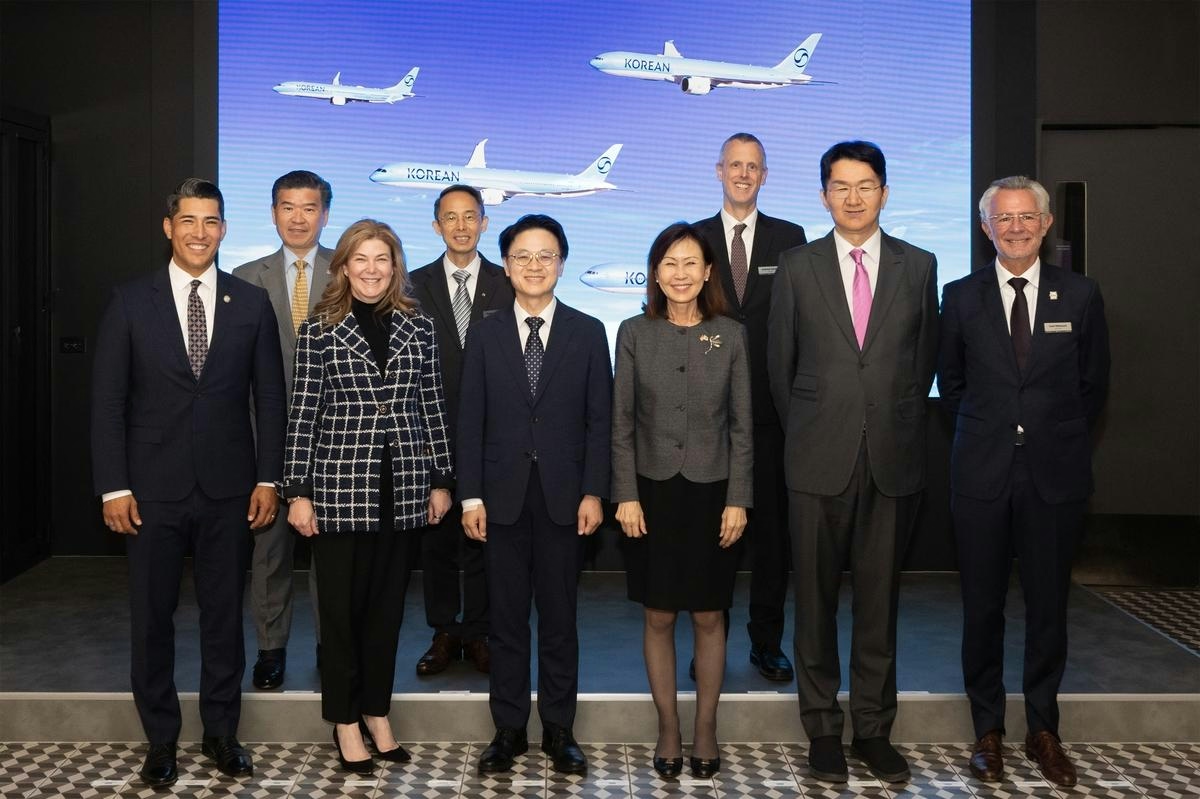
Korean Air Finalizes Order for 103 Boeing Jets and Engines
Embraer E195-E2 Features Distinctive Engine Placement Among Regional Jets
What Passengers Can Expect on Boeing’s New 777X Jet

How Ethiopian Airlines Became Africa’s Leading Carrier Amid Gulf Competition
Joby Aviation Extends Autonomous Flight Capabilities with Cross-Country Tour
