
Orquesta conocimientos de IA para convertirlos en acción

Tendencias
Categories
Airbus Issues Software Update for A320 Fleet Over Solar Radiation Risks
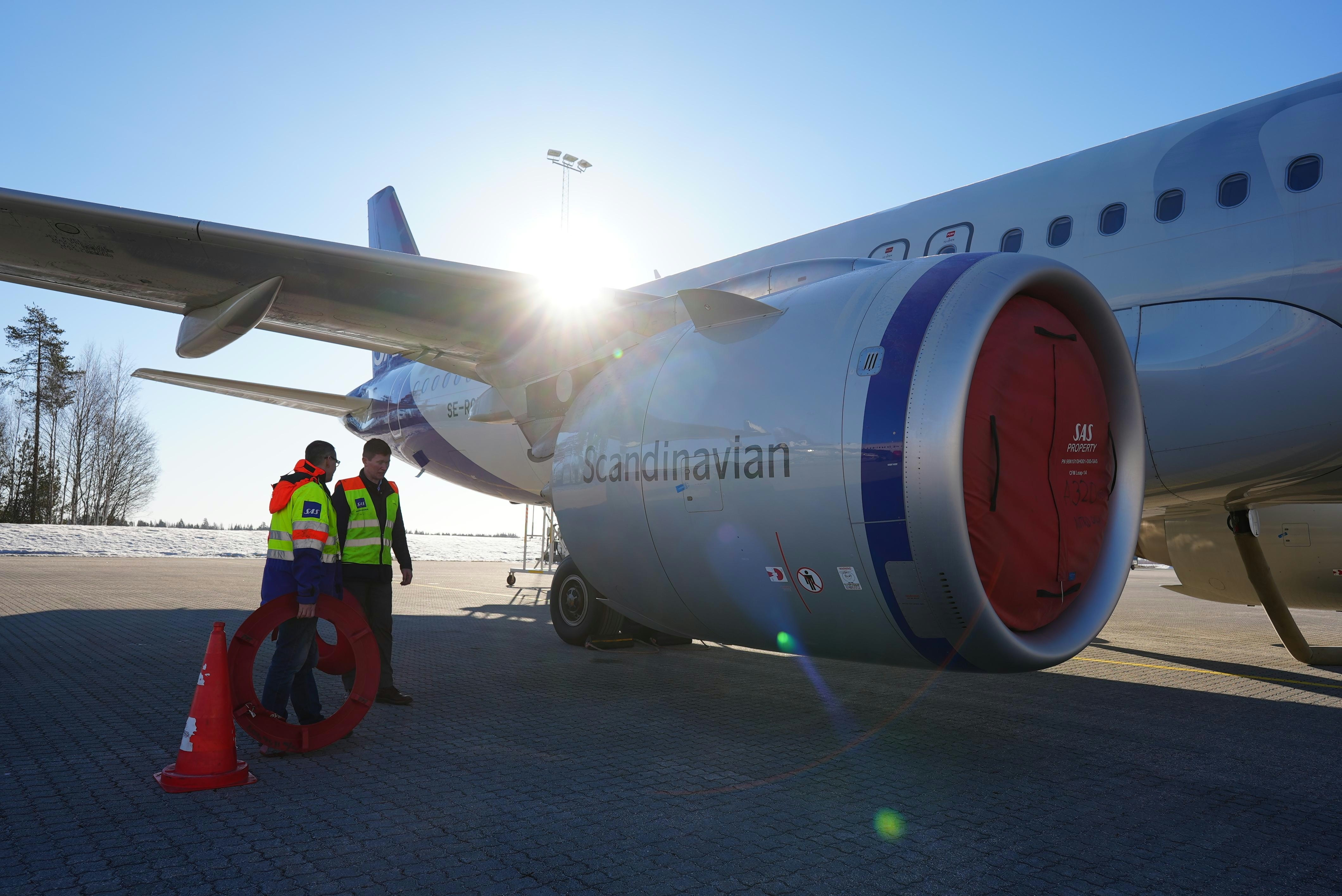
Airbus Implements Software Update for A320 Fleet Amid Solar Radiation Concerns
Airbus, Europe’s foremost aircraft manufacturer, has announced an immediate software upgrade for its widely operated A320-family aircraft in response to concerns that solar radiation could compromise critical flight control data. This decision follows a recent incident and aims to protect the operational integrity of the aircraft while ensuring passenger safety across a substantial portion of the global A320 fleet.
Addressing Emerging Technological Risks
The software update arrives at a crucial juncture for Airbus, which must balance the challenge of mitigating new technological vulnerabilities with the need to maintain seamless operations for its airline customers. The company has prioritized ensuring that the update effectively counters the effects of solar radiation without causing disruptions to flight schedules or airline operations.
Market reactions to the announcement have been varied. Airlines such as EasyJet continue to demonstrate confidence in the A320neo by accelerating deliveries despite the software concerns. Meanwhile, competitors are closely observing the developments. Ryanair is engaged in discussions with Airbus regarding potential fleet renewal, while LATAM is exploring alternative widebody aircraft options, including Boeing’s 777X and Airbus’s own A350-1000, as part of its long-term fleet strategy.
Industry Outlook and Airbus’s Proactive Measures
Industry analysts highlight the resilience of the broader aviation market, noting particularly strong growth prospects in the Middle East, where the fleet size is expected to double by 2044. This robust demand for new aircraft persists even as manufacturers like Airbus confront technical and operational challenges.
Airbus has stressed that the software update is a proactive step designed to prevent any recurrence of data corruption linked to solar radiation. The company is collaborating closely with airlines to implement the upgrade swiftly and efficiently, aiming to minimize any impact on flight operations.
As the aviation industry continues to adapt to evolving technological risks, Airbus’s response underscores the critical importance of vigilance and innovation in maintaining safety and reliability in commercial air travel.

Etihad Airways Suspends Airbus A380 Flights on Key Route

Aditya Birla Group Seeks Approval for Aircraft Leasing in GIFT City

Qatar Airways Highlights Innovation and Connectivity at Arabian Travel Market 2026

Hong Kong's Five-Year Plan Includes Andrew Fan's Aircraft Parts Processing Hub Proposal

ACIA Aero Leasing Delivers ATR72-600 to Air Nostrum

RTX Appoints Jill Albertelli as Head of Pratt & Whitney

TAT Technologies Joins Beyond Aero Hydrogen Aircraft Program

AURAK Study Highlights Barriers to Air Taxi Adoption in Emerging Economies

Xiamen Air Selects Altitude for 787 Maintenance at Heathrow

Etihad and Swissport Extend Global Partnership
