
AeroGenie — Tu copiloto inteligente.

Tendencias
Categories
Airbus Profits Halve Amid Slower Deliveries in Q1 2026
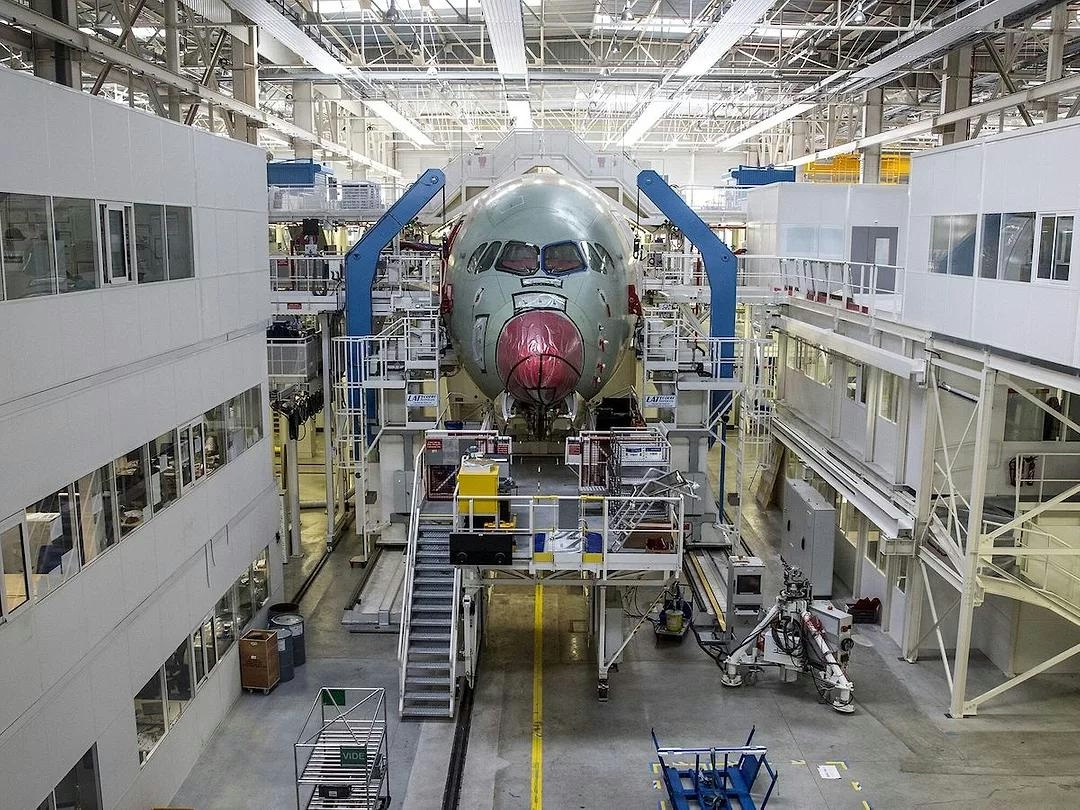
Airbus Profits Halve Amid Slower Deliveries in Q1 2026
Airbus has reported a significant decline in its first-quarter profits for 2026, as ongoing engine shortages and slower aircraft deliveries adversely affected its financial results. The company’s adjusted operating profit dropped by 52%, falling to €300 million from €624 million in the same period last year. Revenue decreased by 7% to €12.65 billion, although this figure exceeded analyst expectations of €12.39 billion. Earnings per share stood at €0.74, also surpassing forecasts.
Delivery Challenges and Engine Supply Constraints
The primary challenge facing Airbus remains the slowdown in aircraft deliveries. The company delivered only 114 commercial jets in the first quarter, marking a 16% decline from 136 deliveries in the corresponding period of 2025. This shortfall was further highlighted by the performance of rival Boeing, which delivered 143 aircraft during the quarter. Boeing’s recovery from previous production difficulties has been notable, with February marking its highest monthly deliveries in nine years. While Airbus maintained solid deliveries in March, it was insufficient to close the gap with its competitor.
The delivery delays are largely attributed to persistent engine supply issues. Pratt & Whitney, a critical supplier for Airbus’s A320neo family, has struggled to meet delivery schedules, limiting Airbus’s capacity to increase production. The situation has deteriorated to the extent that Airbus is reportedly considering seeking damages from the U.S.-based engine manufacturer.
Despite these obstacles, Airbus has reaffirmed its full-year target of delivering 870 commercial aircraft in 2026. The company also reiterated its goal to achieve a production rate of 70 to 75 A320-family jets per month by the end of 2027, a target that was previously revised downward earlier this year. Meeting the annual delivery target will require a substantial acceleration in production in the coming quarters.
Segment Performance and Market Outlook
Sales in Airbus’s commercial aircraft segment declined by 11% year-on-year. The helicopter division remained stable, while the defence and space unit provided a positive contribution, growing by 7% and posting an adjusted core profit of €130 million, surpassing analyst expectations.
Airbus described the operating environment as “dynamic and complex,” with particular attention to potential risks arising from geopolitical tensions in the Middle East. The company’s adjusted free cash flow for the quarter was negative €2.49 billion, reflecting the operational pressures it continues to face.
Investor confidence in Airbus has cooled since the beginning of the year, partly due to Boeing’s improving performance. Boeing reported a narrower-than-expected loss in the first quarter, signaling stabilization in its commercial aircraft business.
Looking forward, analysts emphasize that Airbus’s ability to resolve supply chain disruptions and increase delivery rates will be critical to its earnings and market valuation. With full-year guidance unchanged, the company faces mounting pressure to overcome supply constraints and meet its ambitious targets amid intense competition.
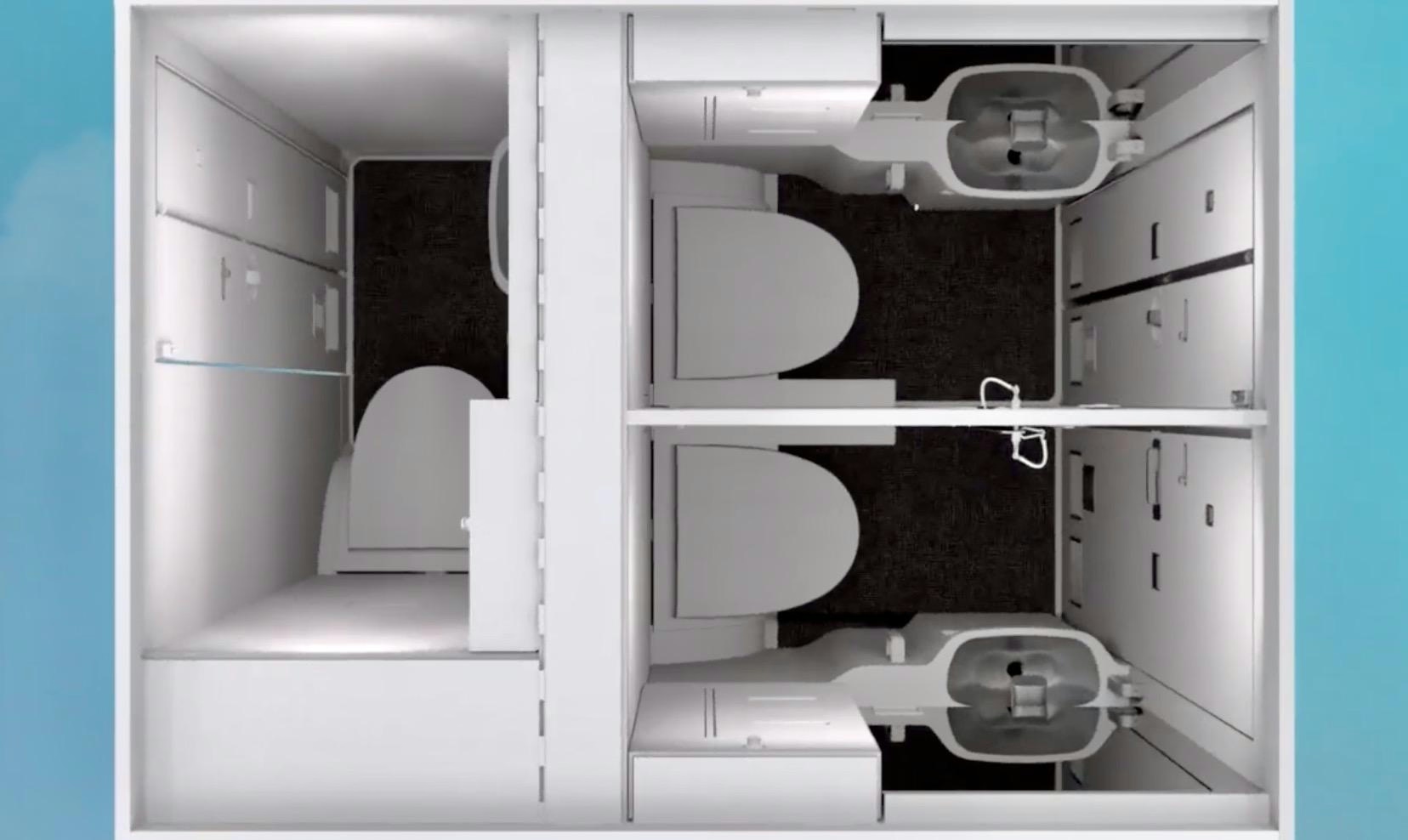
Diehl Space³ Lav to Enter Service This Year; Narrowbody Variant Planned
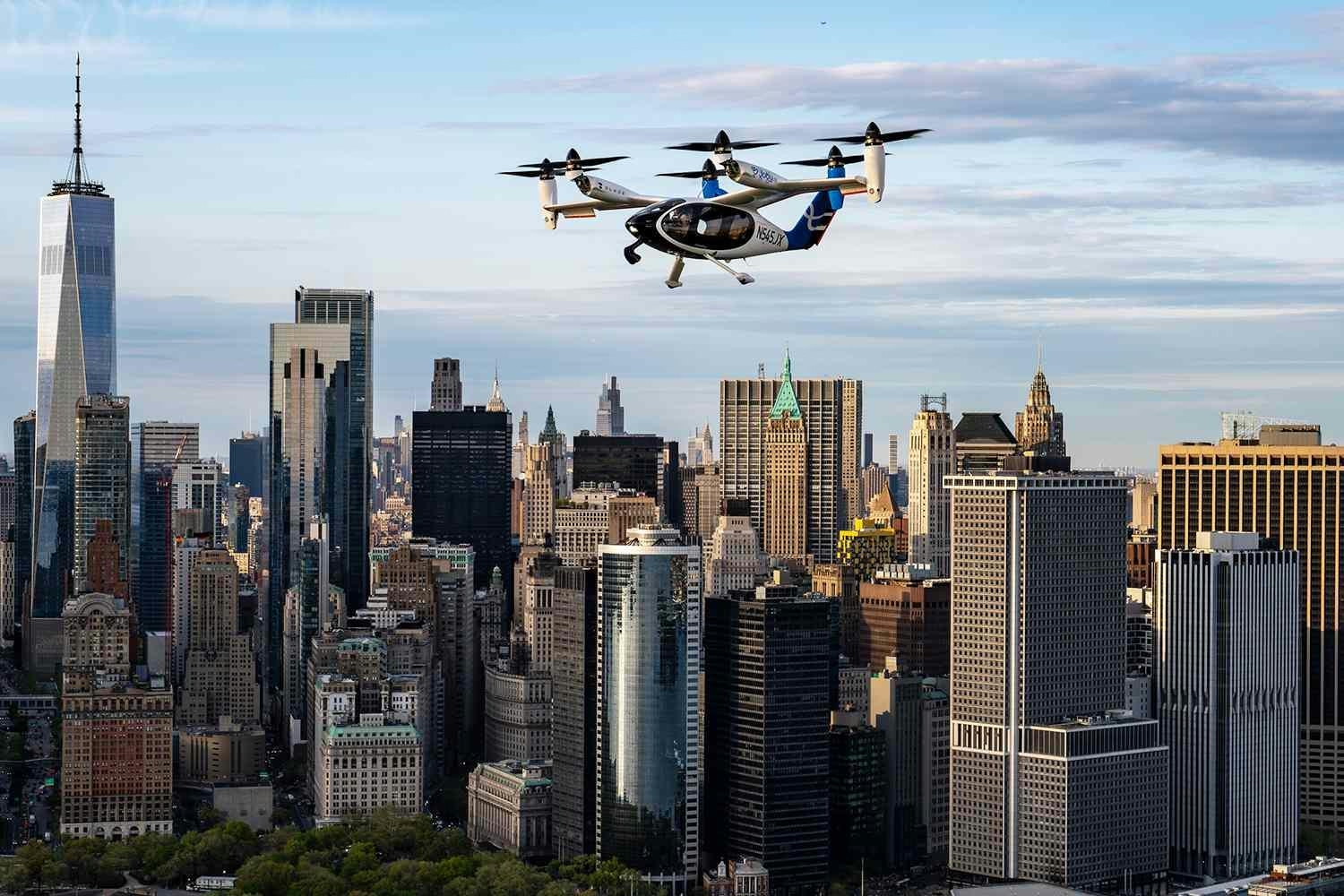
Electric Air Taxi Tested in New York City
Veryon Unveils Data-Driven Maintenance Suite at NBAA Conference
Steven Udvar-Hazy to Receive 2026 Tony Jannus Award
Saudia Airlines Wins 12 Awards at 2026 World Travel Catering and Onboard Services Expo
Why Aircraft Interiors Are Aviation’s Most Strategic Space
Indian Air Force Advances Domestic Production of Aero Engines and Fighter Jets
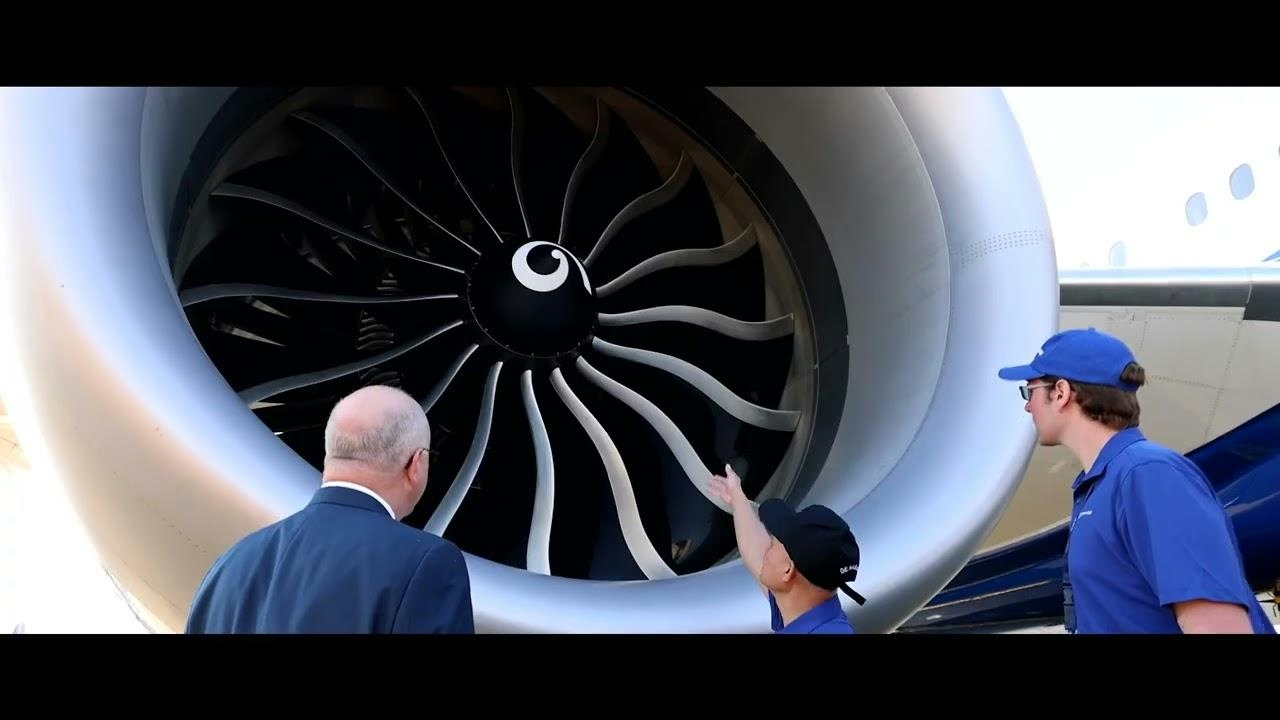
GE Aerospace and Delta Air Lines Collaborate to Improve CF6 Engine Maintenance
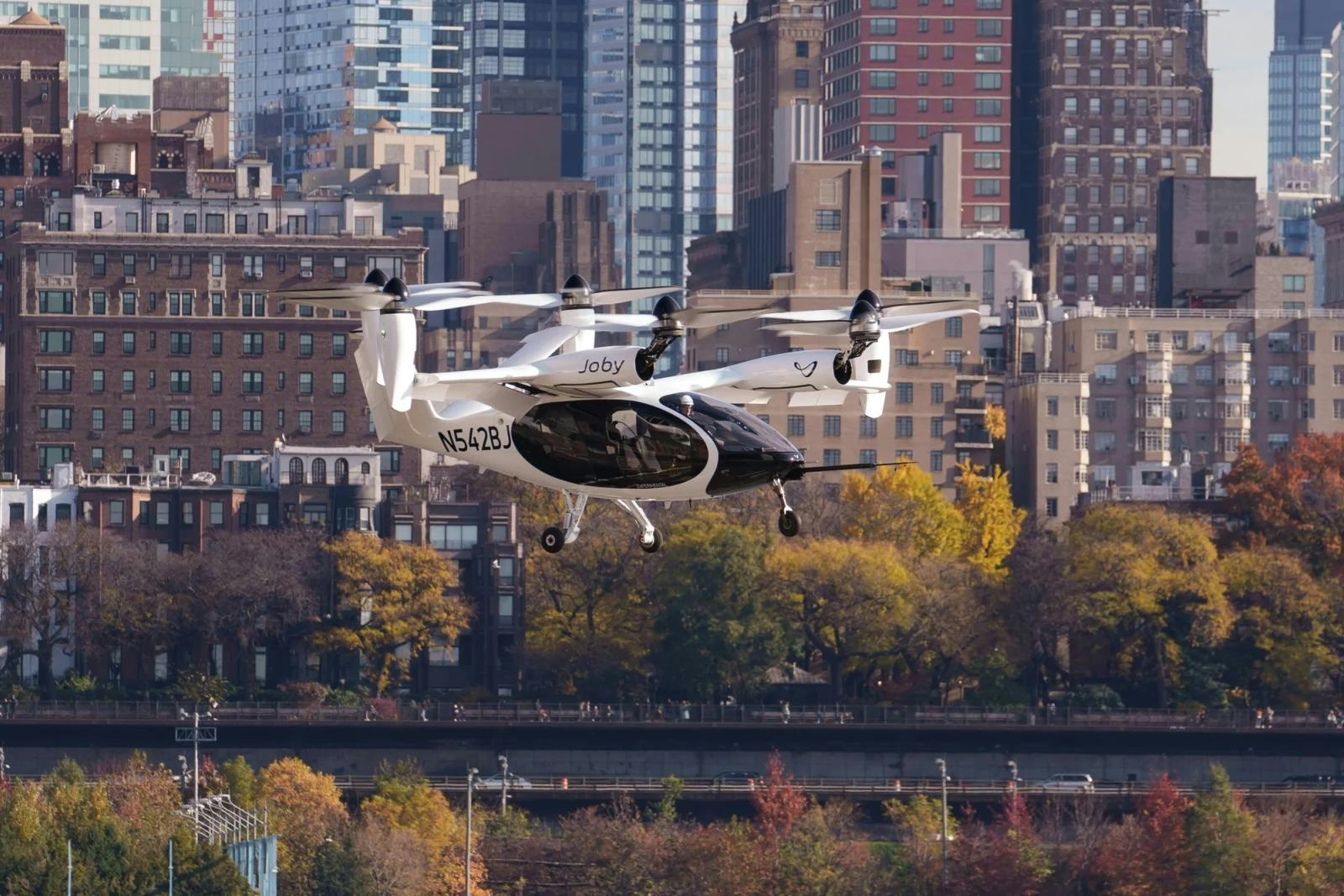
Electric Air Taxis Begin Demonstration Flights to New York Airports
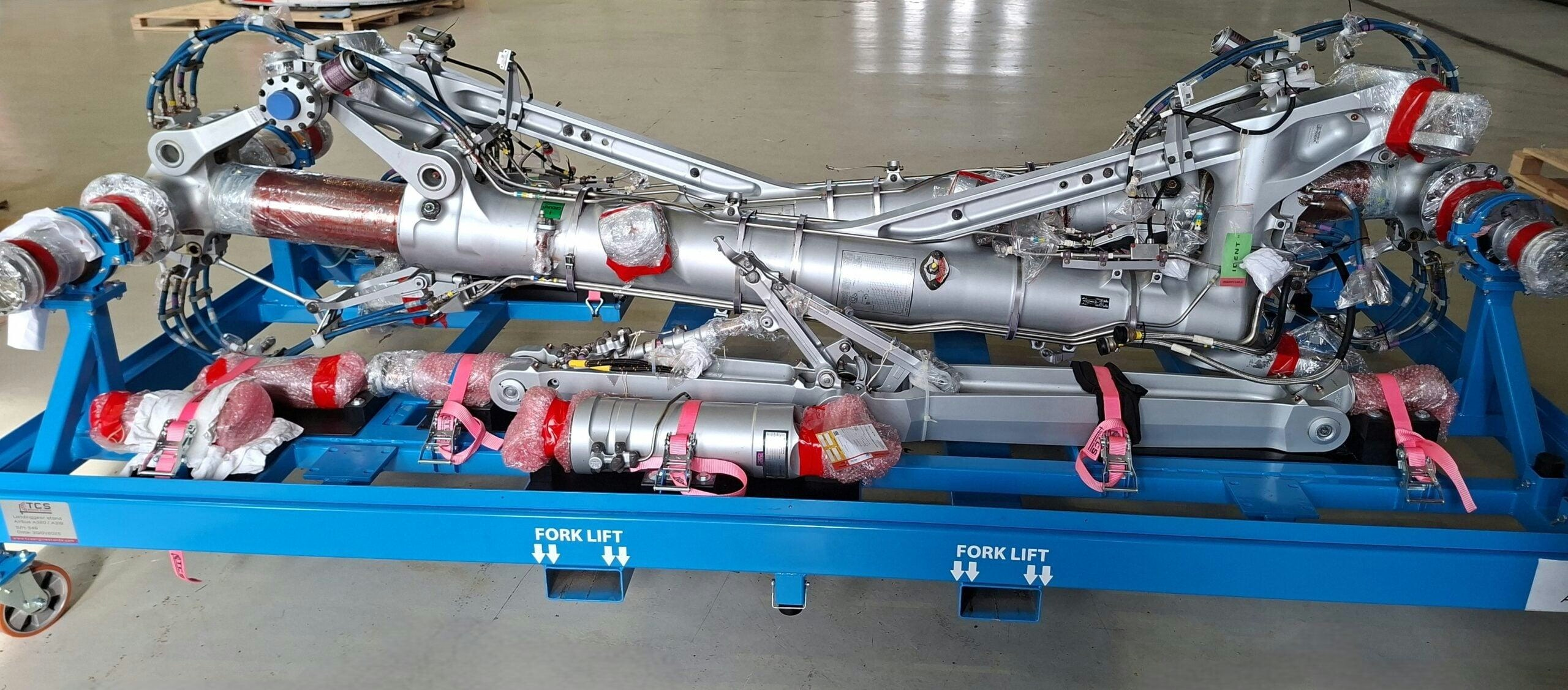
APOC Expands A321neo Landing Gear Offerings
