
Orquesta conocimientos de IA para convertirlos en acción

Tendencias
Categories
Aircraft Seals Market Expected to Reach $4.25 Billion by 2035
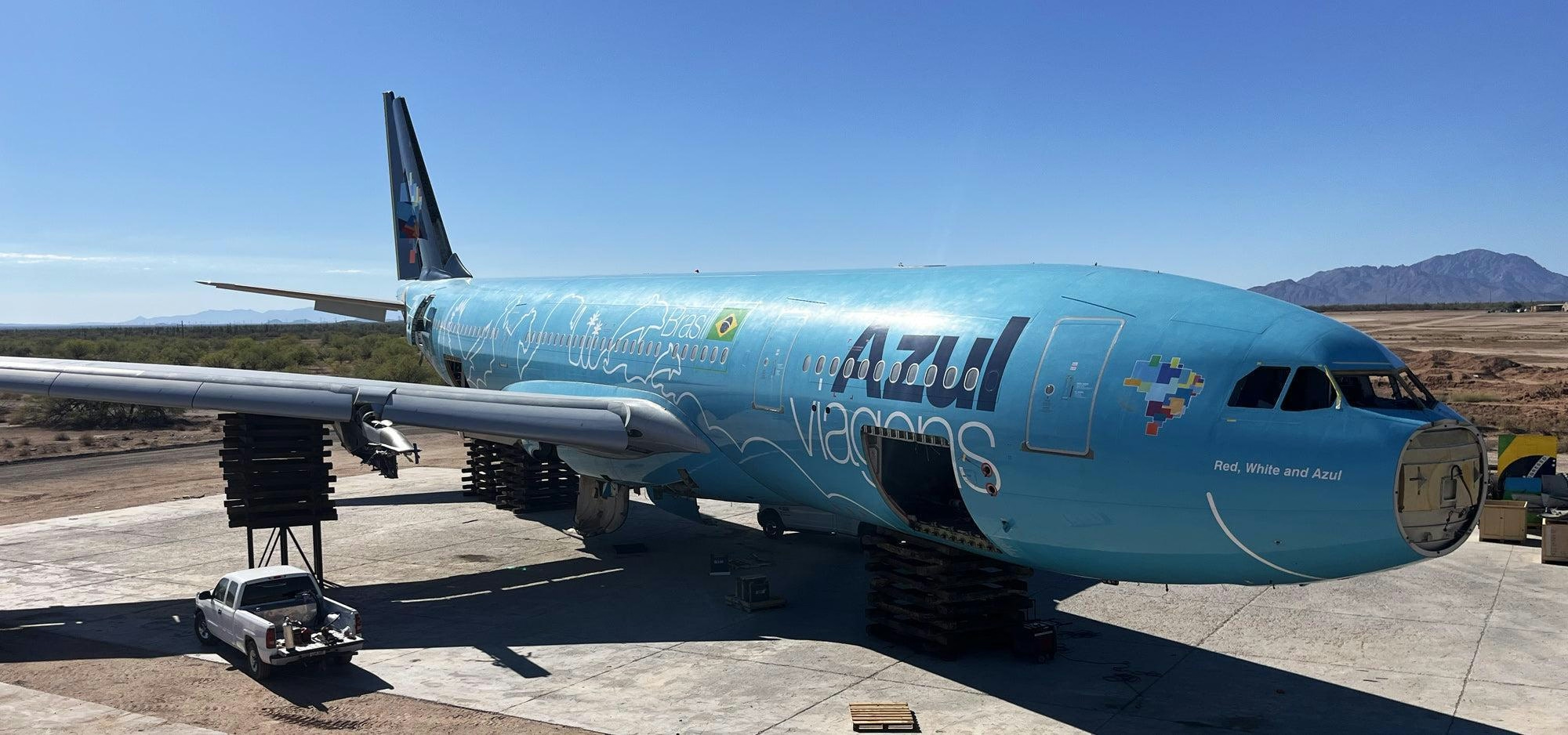
Aircraft Seals Market Expected to Reach $4.25 Billion by 2035
The global aircraft seals market is anticipated to grow significantly, reaching an estimated value of $4.25 billion by 2035. This expansion is driven primarily by increasing aircraft production rates and a growing demand for aftermarket services. Industry analysts project a compound annual growth rate (CAGR) of between 4 and 6 percent from 2026 through 2035, as airlines and manufacturers seek advanced sealing solutions to address evolving operational and regulatory requirements.
Market Dynamics and Industry Challenges
The aircraft seals sector is currently navigating a complex landscape marked by several challenges. Supply chain disruptions, largely stemming from ongoing geopolitical tensions, continue to affect the availability and cost of raw materials. These pressures are compounded by rising material costs and increasingly stringent regulatory standards, which collectively compel manufacturers to innovate. In response, companies are focusing on developing cost-effective, high-performance seal materials capable of withstanding the demanding conditions of modern aviation.
To maintain competitive advantage, industry players are accelerating the development of next-generation sealing technologies. Strategic partnerships and acquisitions have become common approaches to bolster market presence and enhance technological capabilities. The drive for innovation is further intensified by the need to comply with emerging environmental regulations and to address operational pressures faced by airlines worldwide.
Industry Context: Operational Pressures and Regulatory Shifts
Recent developments within the aviation sector highlight the critical role of reliable aircraft components, including seals. For instance, Air Montenegro has commenced operations of a Boeing 737-400 on a wet-lease basis from Turkish charter airline Tailwind Airlines. This arrangement compensates for delays in the delivery of its fourth Embraer E195 aircraft. The deployment of this 31-year-old jet underscores the operational challenges regional carriers face amid rising costs and supply chain uncertainties.
Wet-leasing, which involves the provision of aircraft along with crew, maintenance, and insurance, is increasingly utilized by airlines to manage delivery delays and fluctuating demand. However, such agreements raise concerns regarding long-term cost structures and operational sustainability, especially as contract negotiations and regulatory frameworks continue to evolve.
Simultaneously, European carbon regulations are exerting significant influence on fleet management strategies among major carriers. United Airlines, for example, is expediting the retirement of its older Boeing 777-200 aircraft in favor of more fuel-efficient models such as the Boeing 787 Dreamliner and Airbus A350-900. The European Union’s Carbon Border Adjustment Mechanism (CBAM), scheduled to enter its definitive phase in 2026, is expected to further impact the economics of aircraft manufacturing and operation. This mechanism will affect the cost of carbon-intensive materials like steel and aluminum, which are essential components in aircraft and engine production.
Outlook
As the aviation industry adapts to these shifting dynamics, the aircraft seals market is positioned for steady growth. The sector’s emphasis on innovation, regulatory compliance, and operational efficiency will be crucial in meeting the demands of both new aircraft production and the expanding aftermarket. Technological advancements and collaborative ventures among market participants are expected to play a decisive role in shaping the competitive landscape in the coming years.

Etihad and Swissport Extend Global Partnership
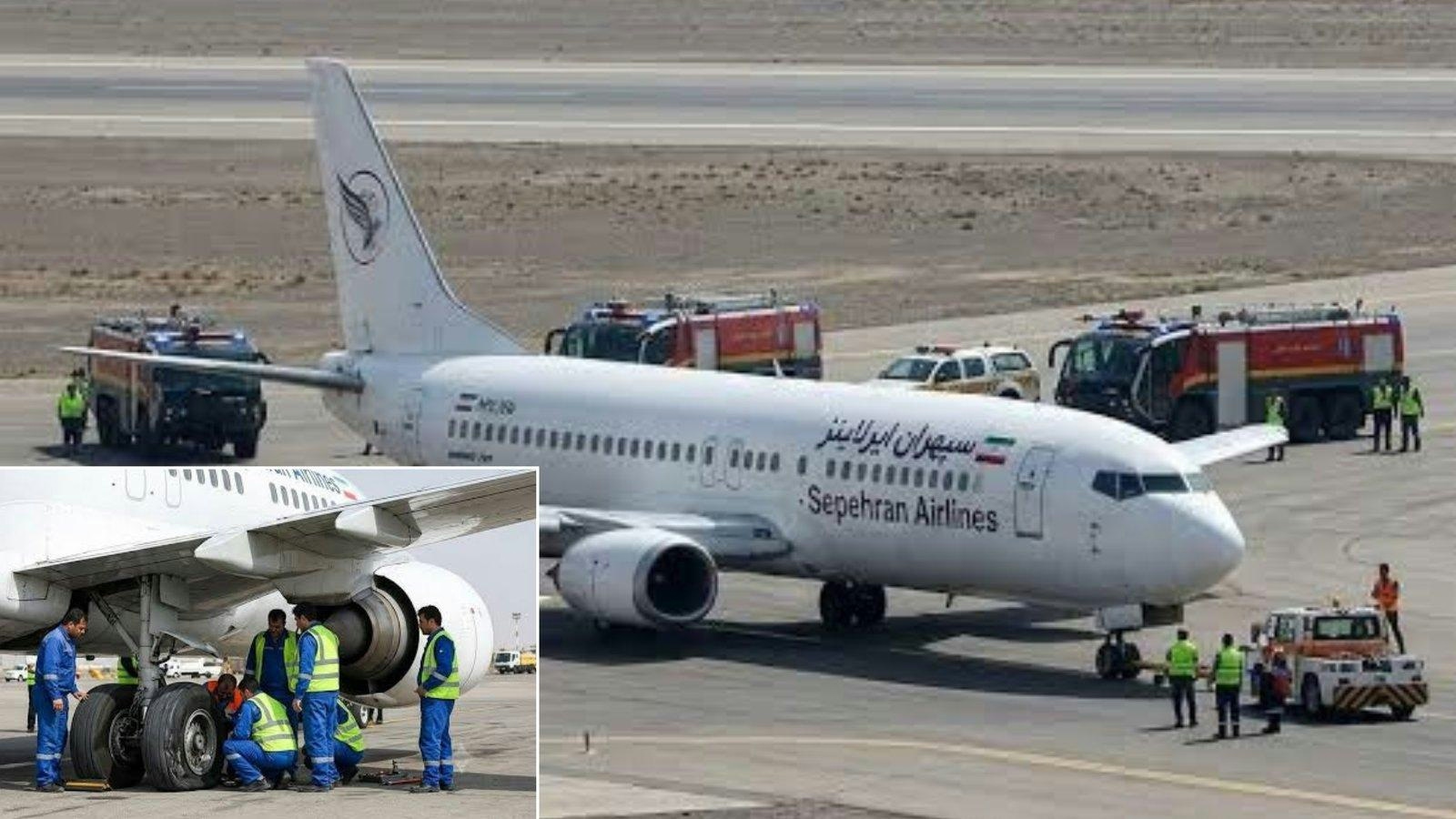
Sepehran Airlines B737 Returns to Mashhad After Tyre and Engine Issues

Etihad Deploys Widebody Fleet to Meet Strong Demand

Korean Air Finalizes $36.2 Billion Deal with Boeing

Australia’s RFDS Queensland Section Orders Six King Air 260Cs

Korean Air Finalizes Order for 103 Boeing Jets and Engines
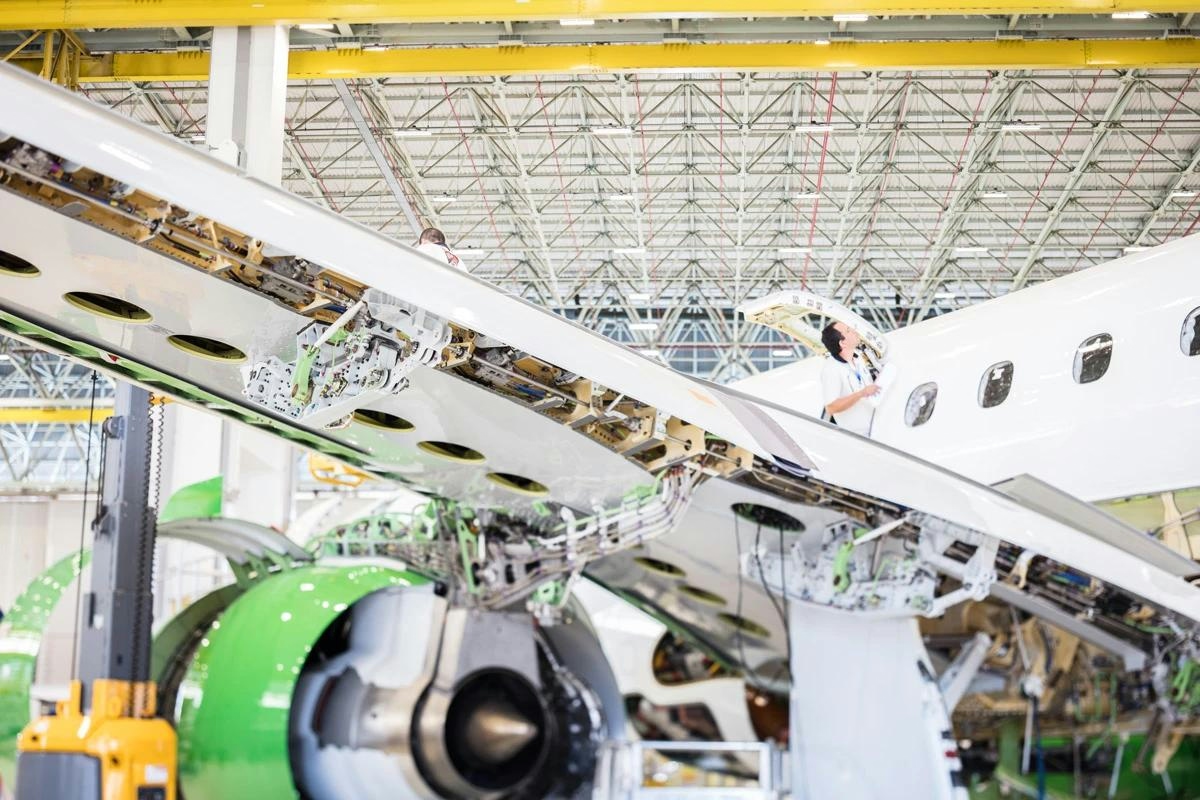
Embraer E195-E2 Features Distinctive Engine Placement Among Regional Jets
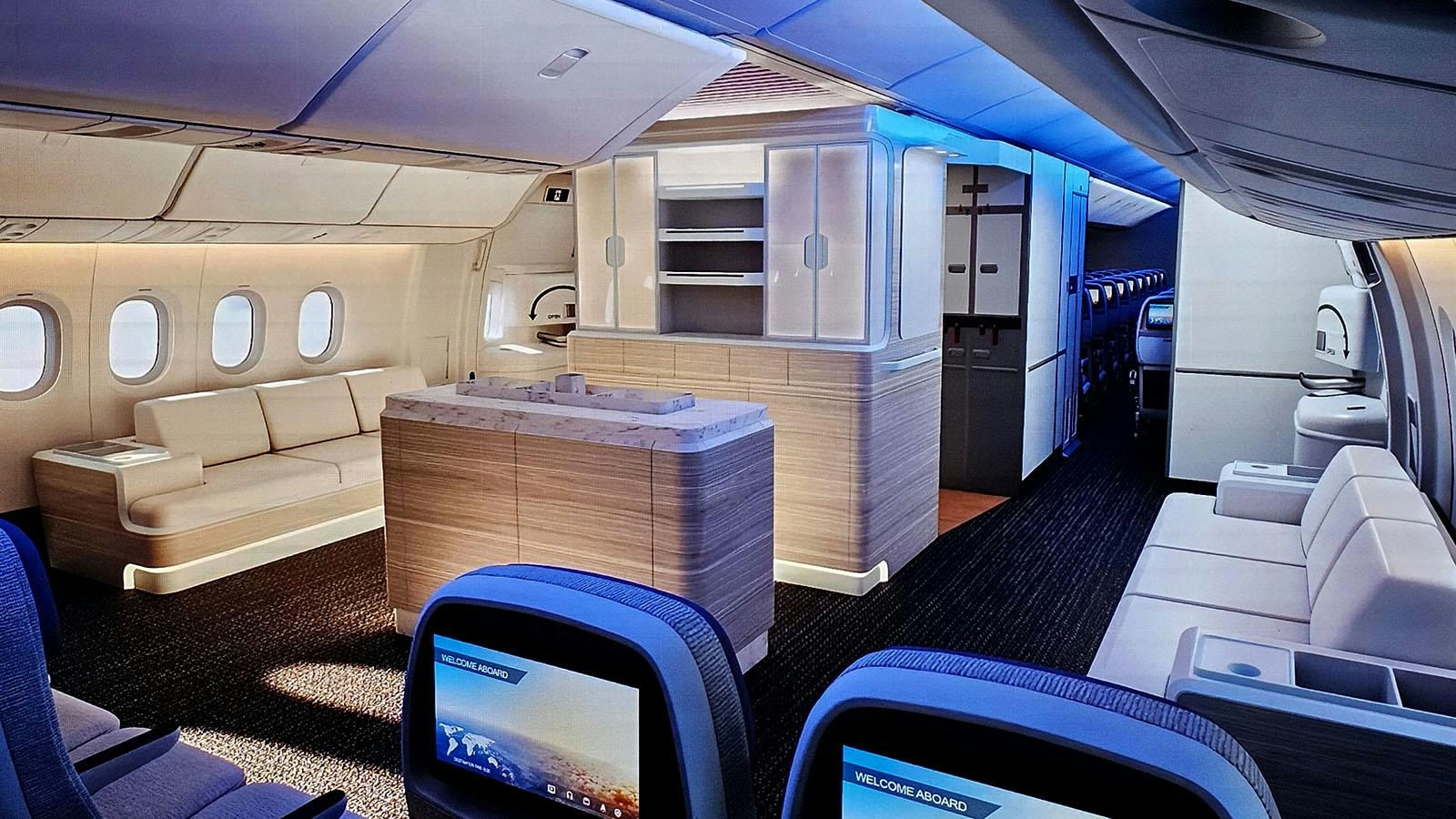
What Passengers Can Expect on Boeing’s New 777X Jet

How Ethiopian Airlines Became Africa’s Leading Carrier Amid Gulf Competition

Joby Aviation Extends Autonomous Flight Capabilities with Cross-Country Tour
