
Orquesta conocimientos de IA para convertirlos en acción

Tendencias
Categories
AIX Report Examines Aircraft Cabin Technologies Derived from Other Industries
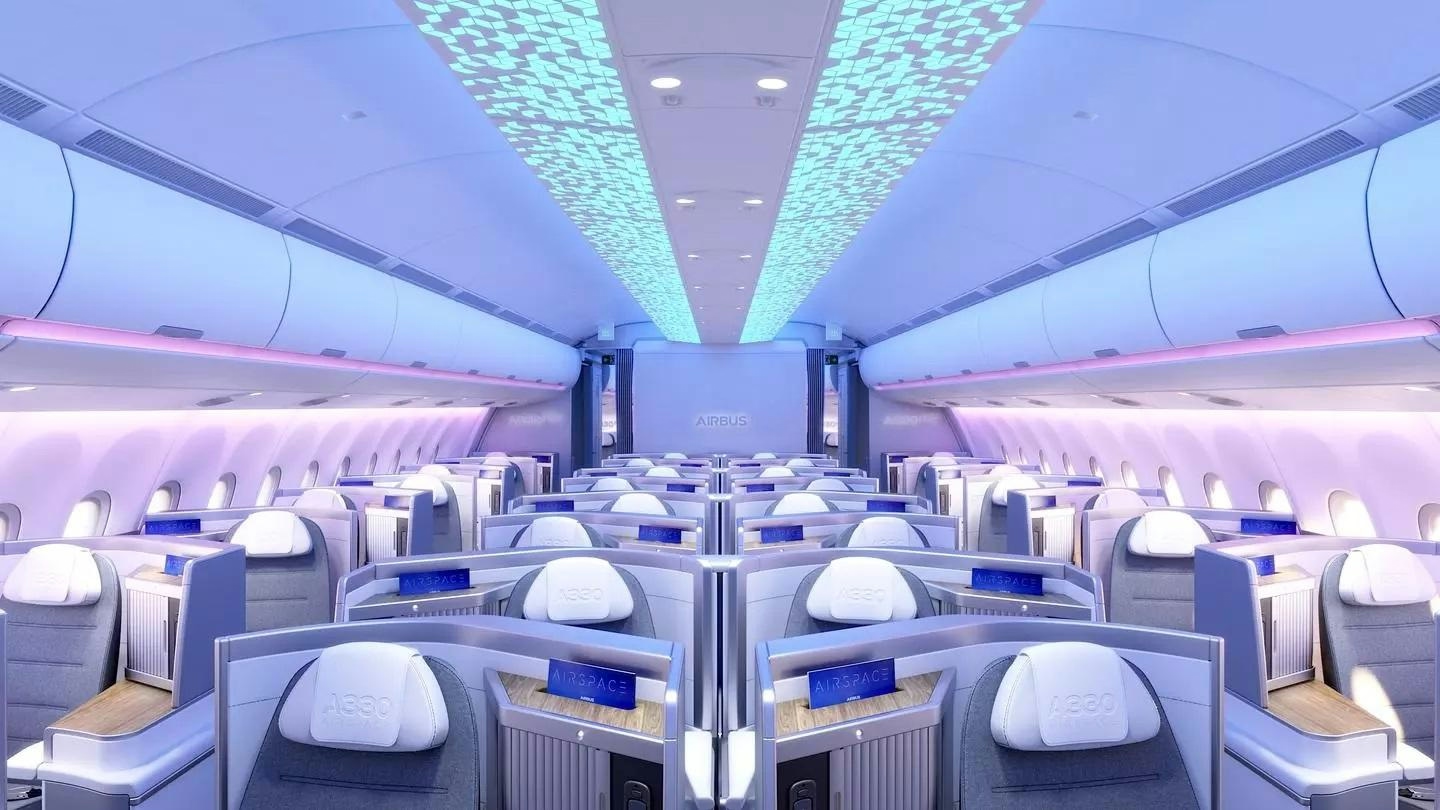
AIX Report Examines Cross-Industry Innovations Transforming Aircraft Cabins
The Aircraft Interiors Expo (AIX) has published a comprehensive report titled “From the Edge to the Aisle,” which explores ten technologies originally developed for sectors such as space exploration, healthcare, telecommunications, and advanced manufacturing that are now revolutionizing commercial aircraft cabins. Drawing on extensive input from the global cabin community, the report not only reviews current applications but also anticipates emerging solutions poised to shape the next decade of air travel.
Innovations Inspired by Space and Healthcare
One of the most notable technologies highlighted is circadian lighting, initially engineered by space researchers to help astronauts cope with the absence of natural day-night cycles. By adjusting light to regulate passengers’ internal clocks, these systems enhance alertness, sleep quality, and overall wellbeing in confined environments such as spacecraft and submarines. Today, dynamic LED lighting based on this research is standard on aircraft like the Boeing 787 and Airbus A350, guiding passengers through various flight phases and improving comfort on long-haul journeys. The report notes that 78% of aviation leaders prioritize enhancing onboard sleep and comfort.
Seat design has also benefited from insights gained through space science. Microgravity experiments conducted during the Space Shuttle program revealed that the human body naturally assumes a relaxed, neutral posture that minimizes strain. This understanding now informs the engineering of business-class and premium-economy seats, which feature articulated recline and leg elevation to support natural alignment during extended flights.
Healthcare innovations have contributed pressure-distributing foams, originally developed for patients confined to beds or chairs, which are now widely used in aircraft seating to alleviate pressure points. Additionally, antimicrobial materials, first created for hospitals and laboratories, are increasingly incorporated into high-touch cabin surfaces such as tray tables and lavatory fittings. This development responds to the 69% of industry leaders advocating for improved cabin cleanliness.
Telecommunications, Sustainability, and Emerging Technologies
Advances in telecommunications are reshaping the passenger experience through Low Earth Orbit (LEO) satellite constellations. Initially designed to provide broadband access to remote regions, these networks now enable high-speed inflight connectivity with reduced latency, supporting video calls, streaming, and cloud-based work. Major airlines are actively deploying LEO connectivity across their fleets.
Sustainability efforts have drawn on materials from other industries to create lighter, more eco-friendly cabins. Natural fiber composites, commonly used in snow sports and automotive interiors, are being tested for cabin panels and seat shells, offering potential weight reductions of up to 20% compared to traditional fiberglass. Furthermore, closed-loop waste systems and vacuum toilets—technologies pioneered in maritime and rail transport—are helping airlines reduce water consumption, lower weight, and enhance hygiene.
Despite these advances, integrating cross-industry technologies into aircraft cabins presents challenges. Compliance with stringent aviation safety standards and the costs associated with new materials remain significant obstacles. While initial skepticism from traditional cabin manufacturers was prevalent, enthusiasm is growing as these innovations demonstrate tangible improvements in passenger experience and operational efficiency. Competitors are responding by adopting similar technologies or developing proprietary solutions to maintain a competitive edge.
At the most recent AIX event, these trends were prominently displayed. Companies such as Lufthansa Technik and Designworks unveiled modular cabin concepts, while Boeing showcased new approaches to cabin accessibility. Looking forward, the report highlights promising emerging technologies including smart textiles that adjust seat comfort in real time, optical and holographic displays for windows and dividers, and aerogel insulation—originally developed for spacecraft—to reduce cabin noise and enhance energy efficiency.
The report concludes by emphasizing that many of the technologies shaping aircraft interiors today were developed and proven in industries where performance is critical, underscoring the growing influence of cross-sector innovation in redefining the future of air travel.
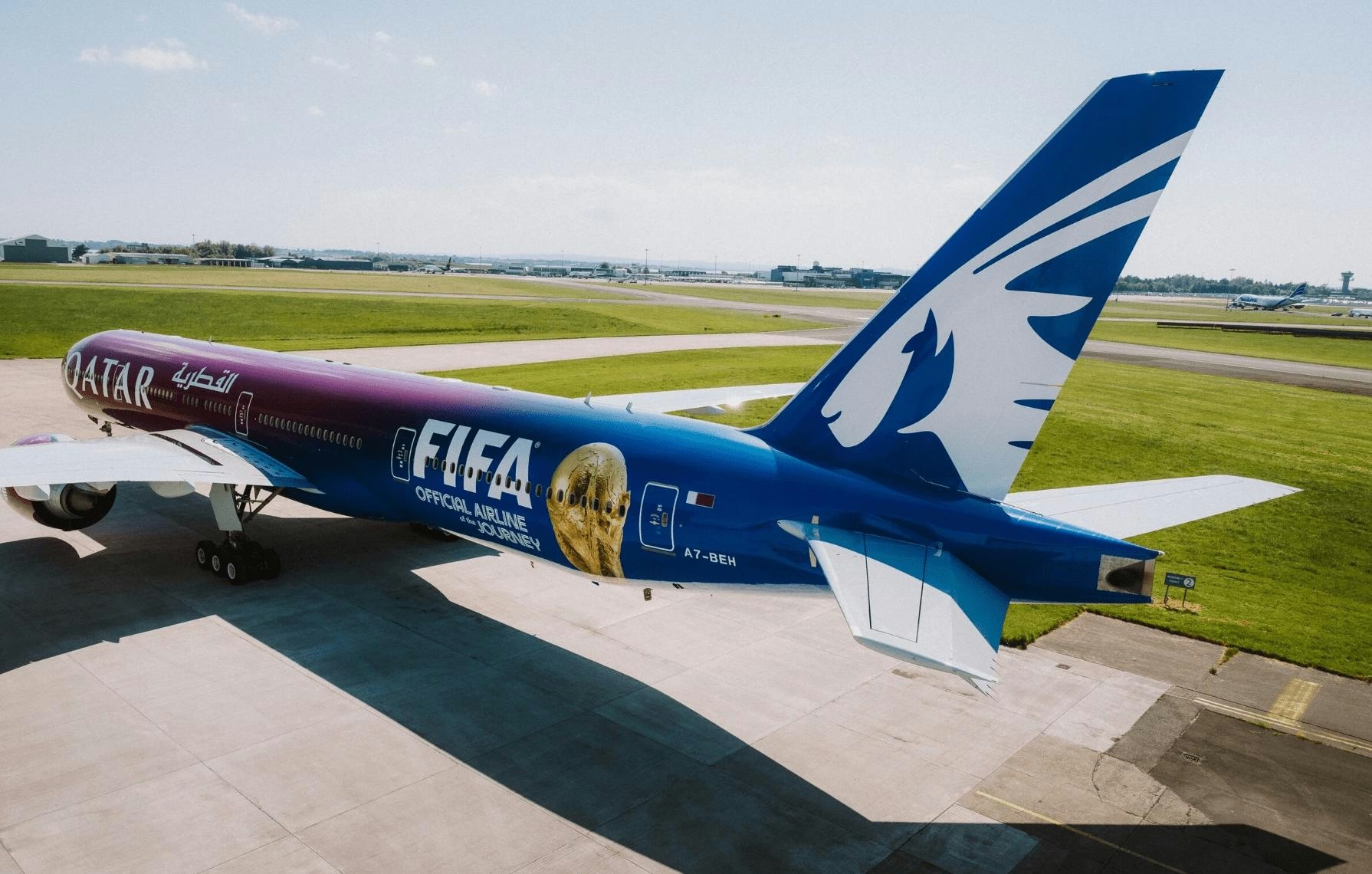
Linking Ireland’s Aircraft Leasing Industry to Elite Football
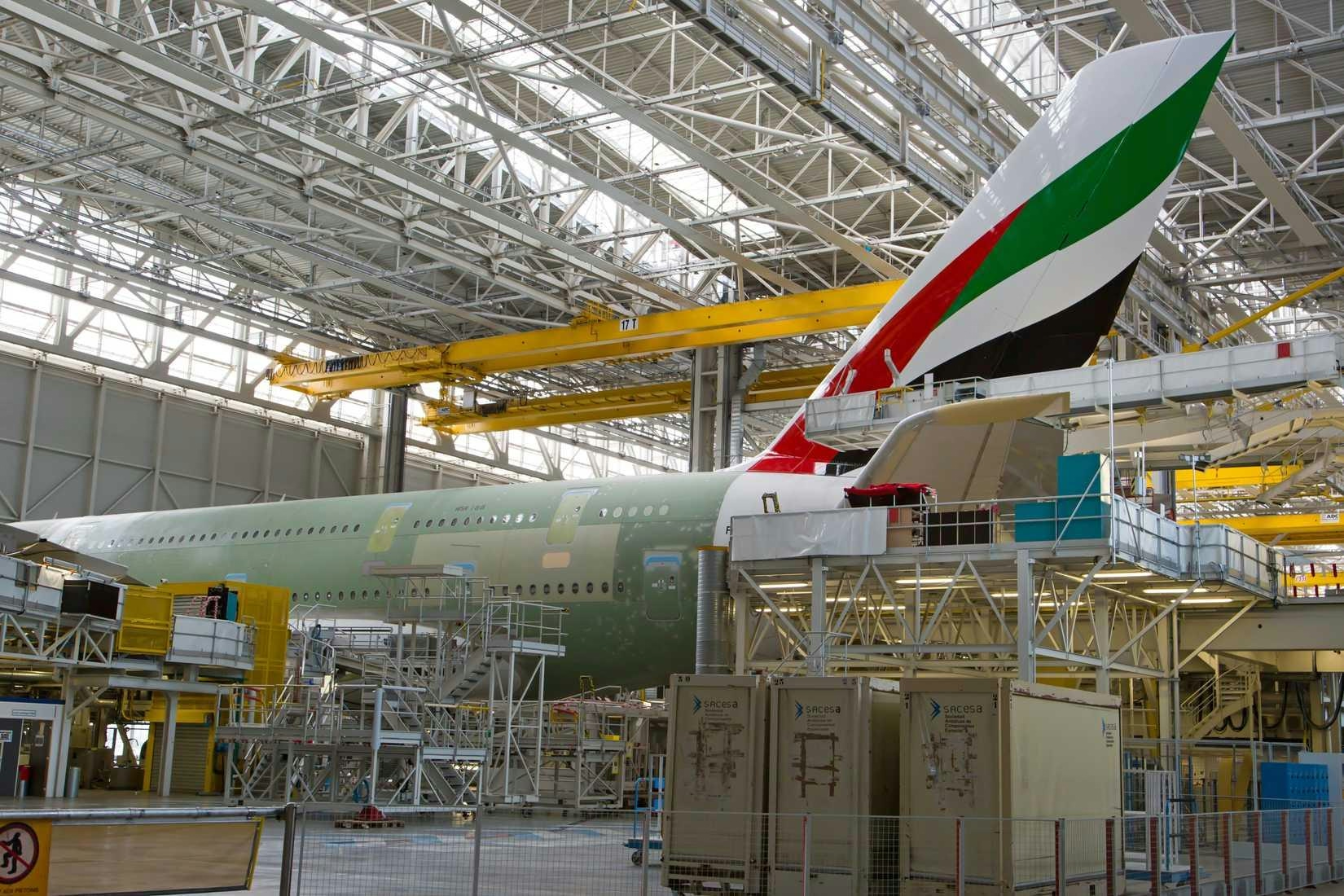
Airbus A380 at Tarbes Yields Over 90% of Parts for Active Fleets Through Careful Dismantling
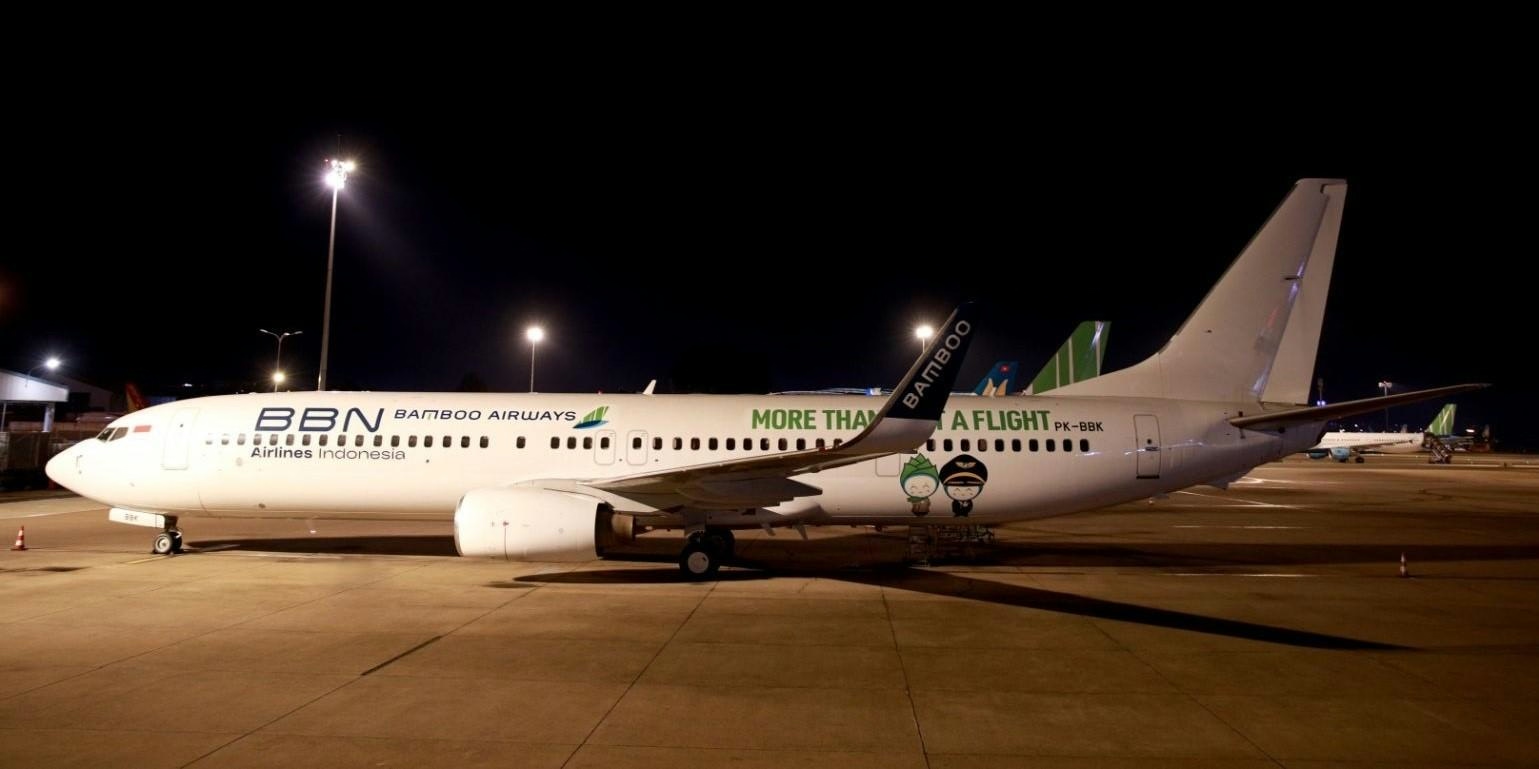
BBN Airlines Becomes IATA Member
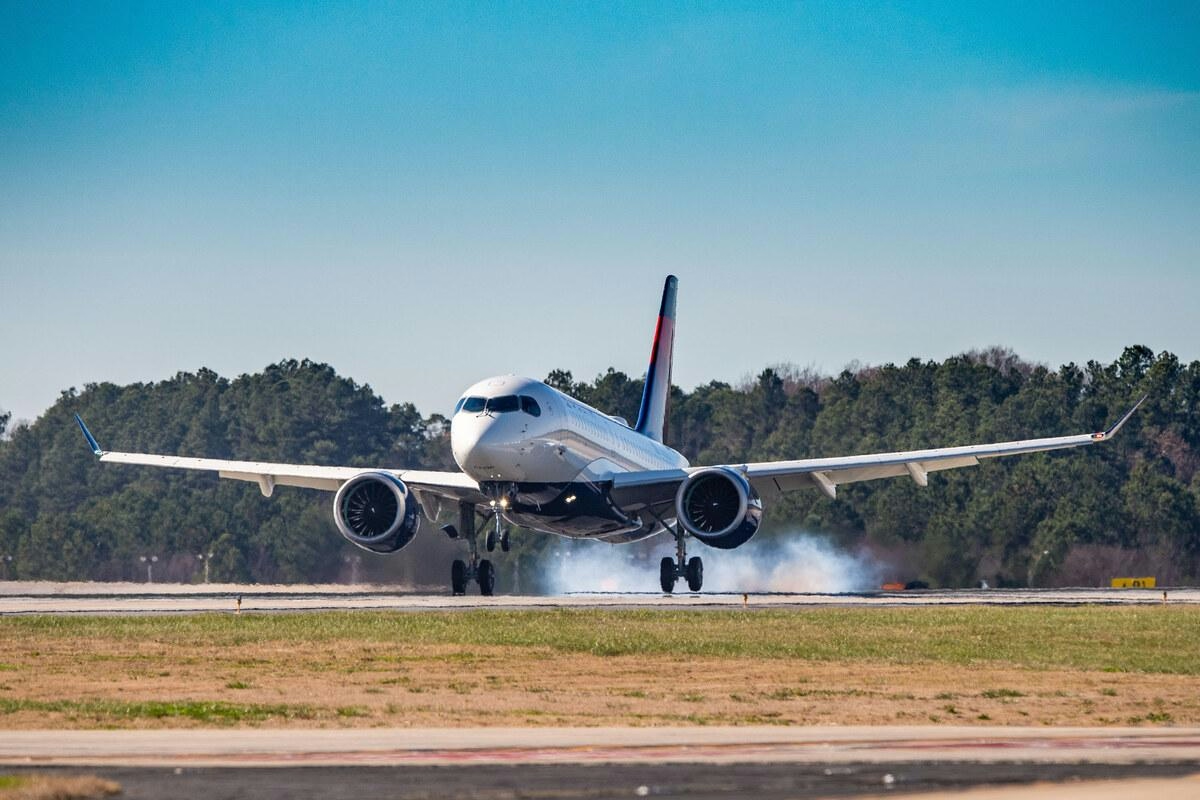
FAA Orders Breeze Airways and Delta to Inspect Airbus A220 Fuel Hoses

Philippine Aviation Navigates Expansion and Costs Amid Fuel Price Volatility
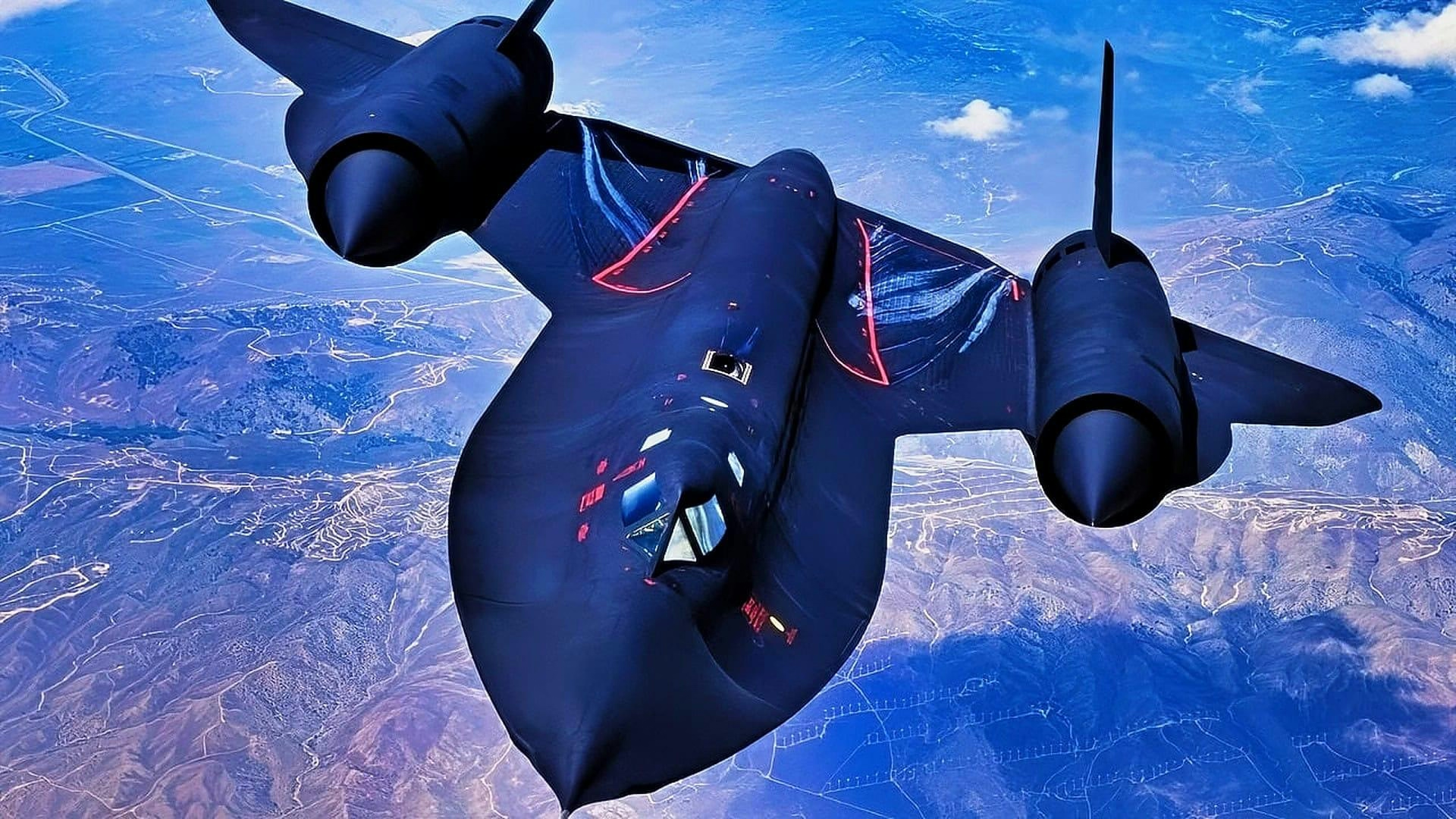
On April 26, 1971, an SR-71 Blackbird Flew Over 15,000 Miles in 10.5 Hours, Limited by Liquid Nitrogen Supply
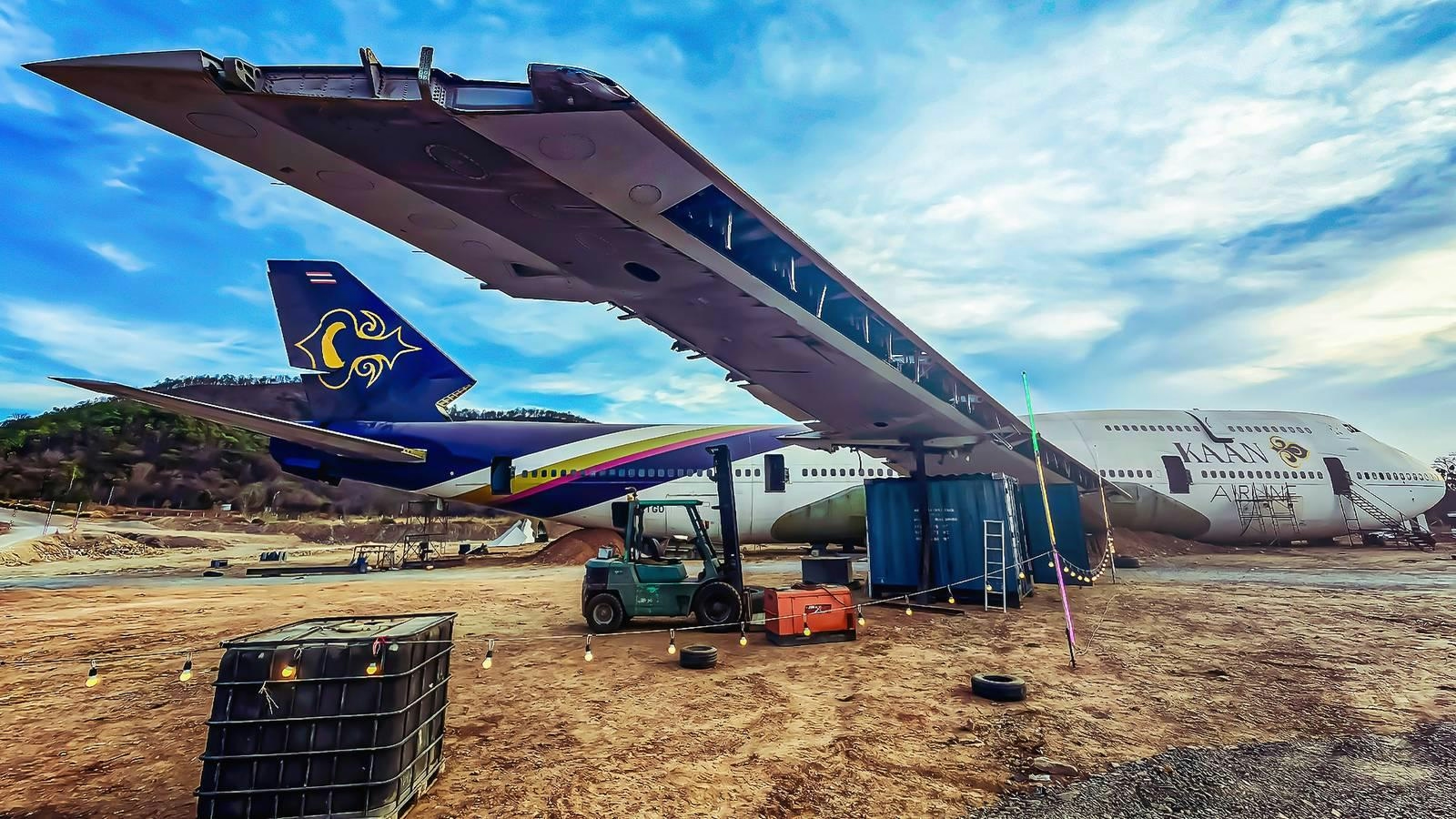
Boeing 747 Airframe Valued Less Than One Landing Gear Component
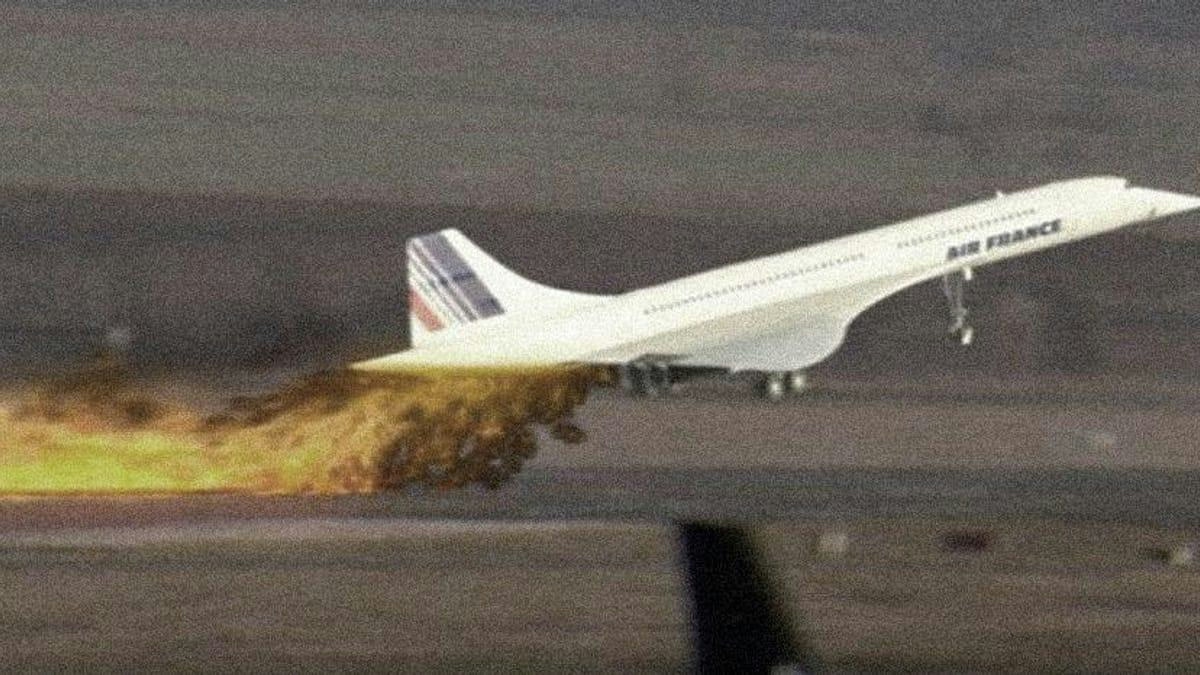
The Rear-Fan Engine Behind the Crash of the World's Fastest Airliner
Morphing Aircraft Skin Improves Safety and Fuel Efficiency
BRICS Nations Commit to Enhanced Cooperation on Sustainable Transport and Green Aviation
