
Orquesta conocimientos de IA para convertirlos en acción

Tendencias
Categories
April 2026 Commercial Aircraft Production and Delivery Forecasts for Airbus and Boeing
April 2026 Commercial Aircraft Production and Delivery Forecasts for Airbus and Boeing
Production Overview
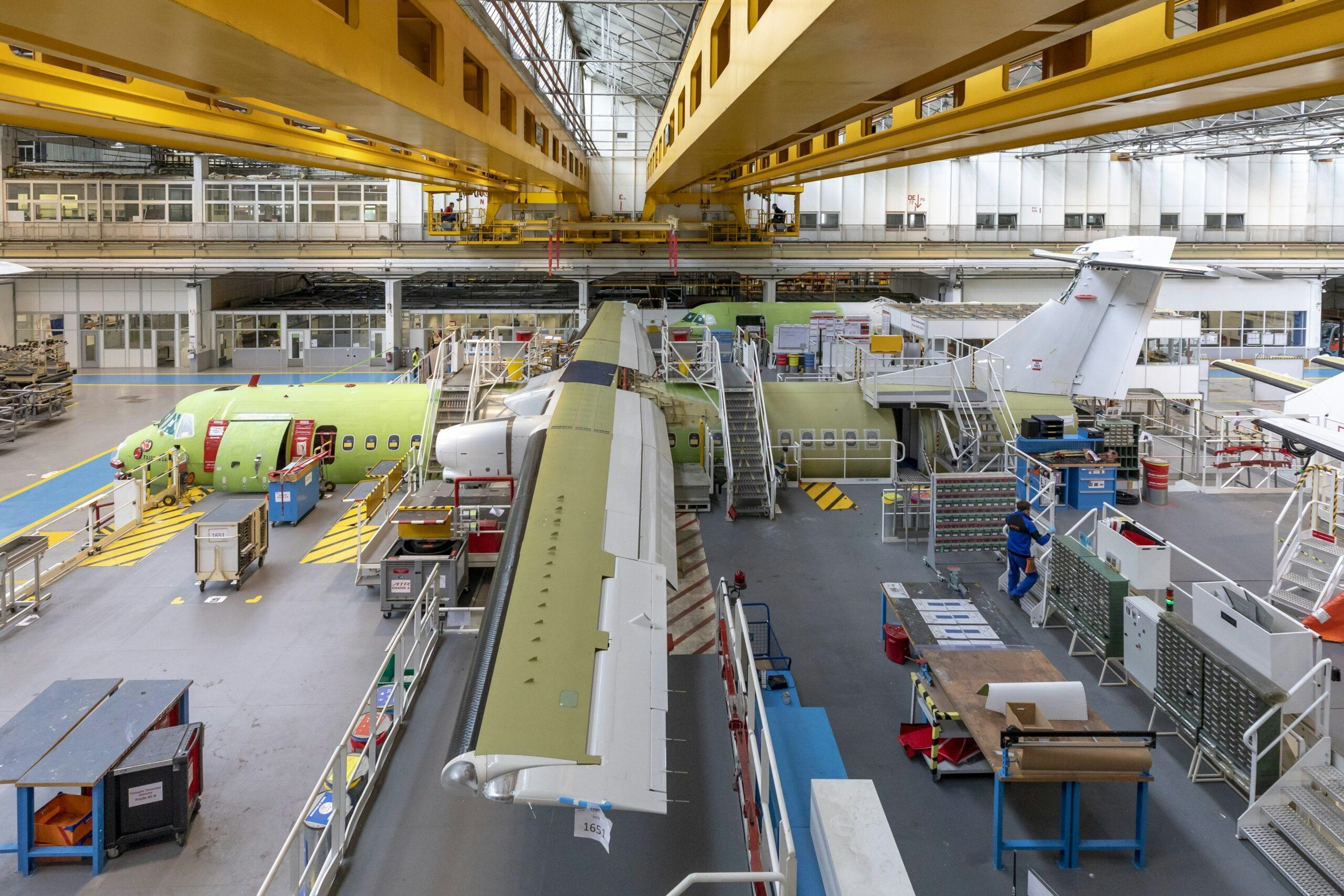
In April 2026, total commercial aircraft production reached 133 units, marking a modest increase from 128 units in March and continuing the positive trend observed at the close of the first quarter, according to Forecast International. The narrowbody segment remained dominant, accounting for 103 aircraft, although this represented a slight decline of four units compared to the previous month. Conversely, widebody production experienced a notable surge, rising to 24 aircraft from 16 in March. This increase was primarily driven by accelerated output in the Airbus A350 and Boeing 787 programs. Production of regional jets and turboprops remained limited, with three units each.
Year-to-date figures through April show a total of 462 commercial aircraft produced, led by 371 narrowbodies and 75 widebodies. Regional jets and turboprops contributed 10 and 6 units respectively. It is important to note that Forecast International defines an aircraft as “produced” once it completes its first test flight, a criterion that may differ from manufacturers’ internal definitions.
Changes in Lead Times
April also saw significant shifts in production-to-delivery lead times across different aircraft segments. Narrowbody lead times increased to an average of 31 days, up from 24 days in March. This extension was largely attributed to bottlenecks within the A320neo family, where delivery delays have resulted in a buildup of undelivered inventory and exerted pressure on Airbus’s delivery rates. These operational challenges were reflected in Airbus’s first-quarter earnings, which reported an 11% revenue decline. The downturn was partly linked to insufficient deliveries of Pratt & Whitney engines and panel quality issues affecting A320neo production, factors that have collectively slowed deliveries and impacted the company’s adjusted earnings.
In contrast, widebody lead times improved significantly, falling to an average of 23 days. This improvement followed enhanced production performance from both Airbus and Boeing, as earlier bottlenecks—particularly the backlog of stored Boeing 787s—have largely been resolved. The smoother transition from factory to customer has contributed to stabilizing widebody deliveries. Turboprop lead times remained extended at 161 days, consistent with the segment’s traditionally longer delivery cycles. No lead-time data was available for regional jets in April. Across all segments, the average production-to-delivery lead time stood at 72 days.
Delivery Estimates and Market Challenges
Forecast International estimates that Airbus and Boeing collectively delivered approximately 107 aircraft in April, an increase from 99 in March. Airbus is projected to have delivered 60 aircraft, with narrowbodies constituting the majority of these deliveries.
Looking forward, both manufacturers face distinct challenges. Airbus continues to contend with supply chain disruptions and quality control issues, particularly within the A320neo program, which have adversely affected its financial performance and delivery pace. Meanwhile, Boeing confronts geopolitical headwinds, notably ongoing tensions between the United States and China. These frictions pose risks to Boeing’s delivery schedules and long-term order book in the Asia-Pacific region, as aircraft sales to China remain intertwined with broader trade negotiations. Consequently, Boeing’s financial outlook remains sensitive to shifts in U.S. foreign policy.
Despite these challenges, April’s production and delivery figures underscore the resilience of the commercial aircraft sector, with widebody programs demonstrating particular strength as manufacturers work to overcome persistent supply and delivery obstacles.

Red Sea Airlines to Lease Two Boeing 737 MAX 8 Aircraft
Su-30 and Su-34 Fighter Jets' Engines Contribute to Urban Heat

Airlines Urge Increased Competition in Used Jet Engine Parts Market
Future Developments Planned for NWF Beaches Airport
airBaltic Files for Chapter 11 Bankruptcy Protection
PD-8 Engine Encounters Corrosion Issues from Saltwater Exposure

Weekly Summary: August Deliveries, Year-to-Date Orders, and 4.1 Million Share Buyback
Linking Ireland’s Aircraft Leasing Industry to Elite Football
Airbus A380 at Tarbes Yields Over 90% of Parts for Active Fleets Through Careful Dismantling
flydubai Begins Dedicated Freighter Operations with Three Leased 737-800s
