
Orquesta conocimientos de IA para convertirlos en acción

Tendencias
Categories
Alaska Airlines Cancels 10 Flights Over Russian Volcanic Ash
Alaska Airlines Cancels Flights Amid Volcanic Ash Disruption
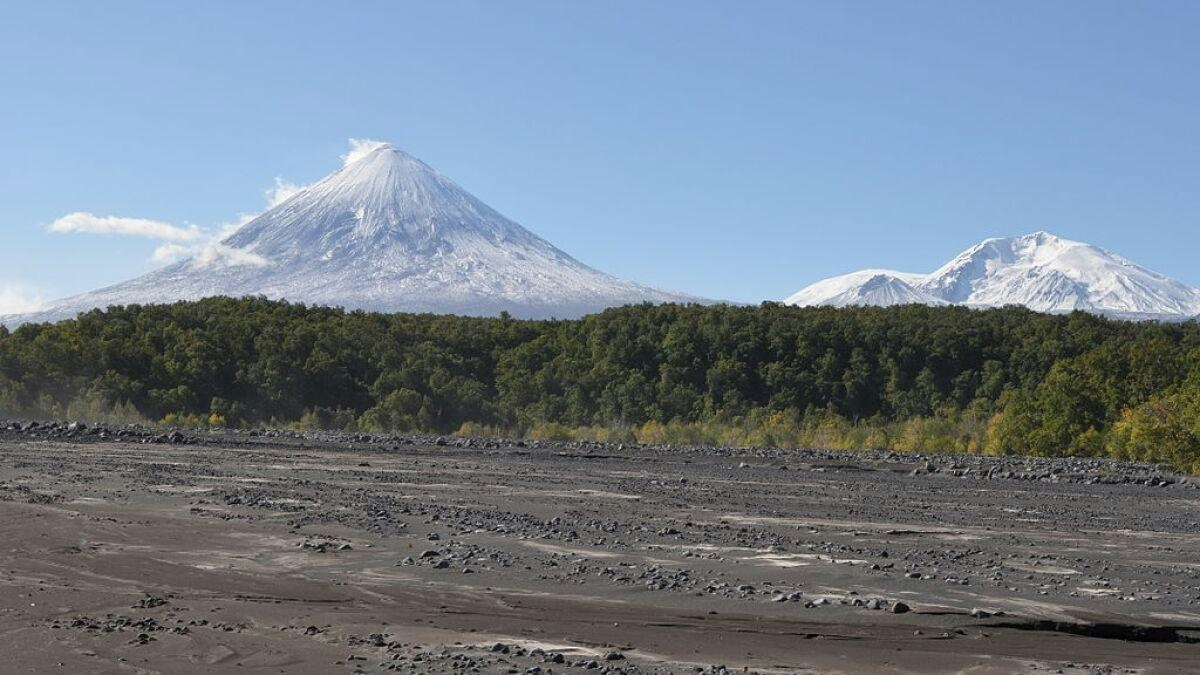
Alaska Airlines canceled ten flights across the state on Wednesday after volcanic ash from Russia’s Mount Shiveluch entered Alaskan airspace, affecting more than 1,000 passengers. The cancellations impacted flights to Ted Stevens Anchorage International Airport and Fairbanks International Airport, with the airline citing safety concerns related to the hazards volcanic ash poses to aircraft engines.
Volcanic Activity and Ash Dispersion
The ash originated from an eruption on Tuesday at Mount Shiveluch, a highly active volcano located on Russia’s Kamchatka Peninsula, approximately 1,000 miles across the Bering Sea from Alaska’s westernmost islands. David Fee, coordinating scientist at the Alaska Volcano Observatory, described Shiveluch as one of the world’s more active and explosive volcanoes. Currently, the volcano is in an active phase, with a lava dome inside the crater producing intermittent explosive eruptions that propel ash high into the atmosphere.
Prevailing winds carried the ash toward Alaska, prompting the airline’s precautionary cancellations. Late Wednesday, Shiveluch erupted again; however, meteorologists at the Anchorage Volcanic Ash Advisory Center reported that the ash from this latest event was not initially directed toward Alaska. Prince Balal, a meteorologist with the center, warned that shifting wind patterns could alter the ash’s trajectory. Similarly, the Tokyo Volcanic Ash Advisories Center indicated it was unlikely the new ash plume would reach Alaska, though further eruptions remain a possibility.
Operational and Financial Implications
The disruption arrives at a challenging moment for Alaska Airlines, which is already contending with financial pressures stemming from rising fuel costs that have resulted in significant losses. These ongoing difficulties may affect the airline’s capacity to manage operational disruptions effectively. The cancellations could also invite increased scrutiny from aviation regulators and lead to compensation claims from affected passengers.
Industry analysts observe that such volcanic events can provoke broader market reactions, with competing airlines potentially adjusting their operations or rerouting flights to avoid affected airspace. This situation highlights the vulnerability of Alaska’s air travel network to natural phenomena occurring thousands of miles away, as well as the complex operational and financial challenges airlines face when responding to sudden disruptions.
Fee underscored the uncertainty surrounding future eruptions and their potential impact on Alaska’s airspace, noting that the outcome will depend on the magnitude of eruptions and prevailing wind conditions.
As monitoring of Mount Shiveluch’s activity continues, Alaska Airlines and other carriers remain vigilant for further ash clouds that could jeopardize flight safety and disrupt travel plans in the region.

Etihad and Swissport Extend Global Partnership

Sepehran Airlines B737 Returns to Mashhad After Tyre and Engine Issues

Etihad Deploys Widebody Fleet to Meet Strong Demand

Korean Air Finalizes $36.2 Billion Deal with Boeing

Australia’s RFDS Queensland Section Orders Six King Air 260Cs

Korean Air Finalizes Order for 103 Boeing Jets and Engines

Embraer E195-E2 Features Distinctive Engine Placement Among Regional Jets

What Passengers Can Expect on Boeing’s New 777X Jet

How Ethiopian Airlines Became Africa’s Leading Carrier Amid Gulf Competition

Joby Aviation Extends Autonomous Flight Capabilities with Cross-Country Tour
