
Orquesta conocimientos de IA para convertirlos en acción

Tendencias
Categories
Alaska Airlines Delays Embraer Jet Deliveries; Spirit Airlines May Delay Airbus Orders
Alaska Airlines Delays Embraer Jet Deliveries Amid Tariff Concerns
Alaska Airlines is experiencing delays in the delivery of Embraer E175 jets, a development that threatens to disrupt its fleet expansion plans and summer flight schedules. Horizon Air, the regional subsidiary of Alaska Airlines, was slated to receive two 76-seat Embraer E175 aircraft in May. However, these jets remain in Brazil, where they are manufactured, as the airline grapples with uncertainties surrounding potential increases in U.S. import tariffs.
The Seattle-based carrier has made clear that it will not absorb additional costs stemming from tariffs, which currently impose a 10% duty on imports from several countries, including Brazil. Alaska Airlines is particularly concerned about the possibility of further tariff hikes announced by the U.S. administration, which could render the deliveries financially untenable. Consequently, the airline has already canceled some scheduled summer flights due to a shortage of available aircraft.
With no further E175 deliveries expected this year, Alaska’s regional fleet will remain at 87 aircraft, divided between Horizon Air’s 45 jets and SkyWest Airlines’ 42. Despite these setbacks, Alaska Airlines, a significant Boeing customer, anticipates receiving seven 737 MAX jets and a 787 aircraft intended for Hawaiian Airlines, which was recently acquired by the group.
The delays have raised questions about Embraer’s production schedules and opened the door to potential renegotiations between airlines and manufacturers. Industry analysts suggest that competitors may respond by shifting their focus to alternative aircraft suppliers or adjusting operational plans to mitigate similar risks.
Spirit Airlines Weighs Postponing Airbus Orders Amid Tariff Uncertainty
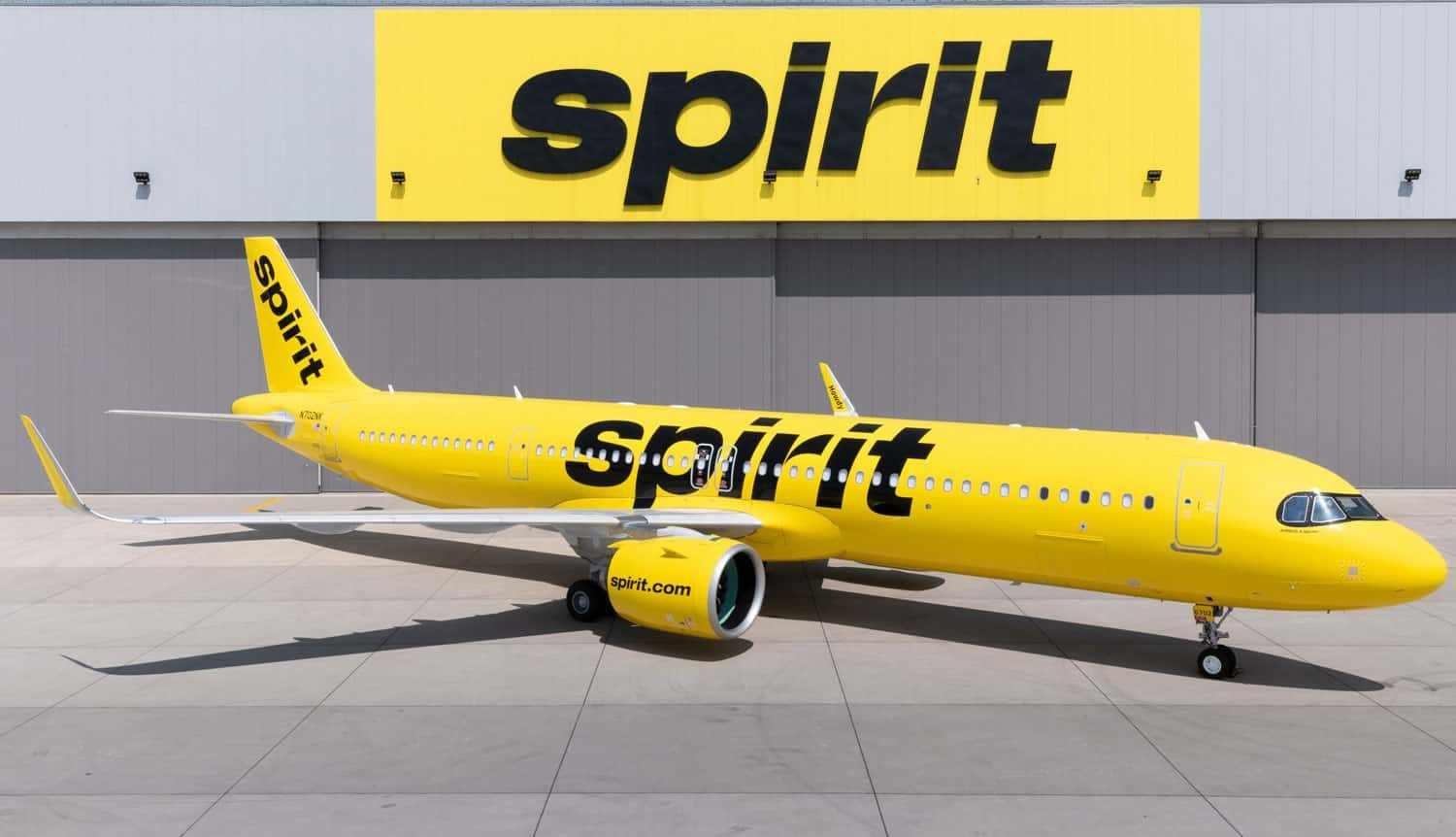
Meanwhile, Spirit Airlines is confronting its own challenges related to tariff uncertainties. The Florida-based low-cost carrier, which operates an all-Airbus fleet, is concerned that tariffs on European products could escalate to as much as 20% following the expiration of a 90-day reprieve in July. In a recent filing with the U.S. Securities and Exchange Commission, Spirit warned that such tariff increases could jeopardize its orders for A320neo family jets, potentially forcing the airline to delay or cancel deliveries.
Having recently emerged from Chapter 11 bankruptcy, Spirit is reassessing its fleet modernization strategy and financial planning in light of these potential additional costs and an uncertain economic environment. Airbus is scheduled to deliver four A320neo family aircraft to Spirit in 2025, as part of a broader order for 92 jets extending through 2031.
Across the airline industry, carriers are exploring legal avenues to address aircraft delivery delays and are seeking collaborative solutions with manufacturers to prevent tariff-driven price increases. This situation highlights the broader challenges airlines face as they navigate supply chain disruptions, shifting trade policies, and the imperative to maintain operational efficiency amid evolving market dynamics.

Etihad Airways Suspends Airbus A380 Flights on Key Route

Aditya Birla Group Seeks Approval for Aircraft Leasing in GIFT City

Qatar Airways Highlights Innovation and Connectivity at Arabian Travel Market 2026

Hong Kong's Five-Year Plan Includes Andrew Fan's Aircraft Parts Processing Hub Proposal

ACIA Aero Leasing Delivers ATR72-600 to Air Nostrum

RTX Appoints Jill Albertelli as Head of Pratt & Whitney

TAT Technologies Joins Beyond Aero Hydrogen Aircraft Program

AURAK Study Highlights Barriers to Air Taxi Adoption in Emerging Economies

Xiamen Air Selects Altitude for 787 Maintenance at Heathrow

Etihad and Swissport Extend Global Partnership
