
Orquesta conocimientos de IA para convertirlos en acción

Tendencias
Categories
American Airlines AI rebooks passengers without consent
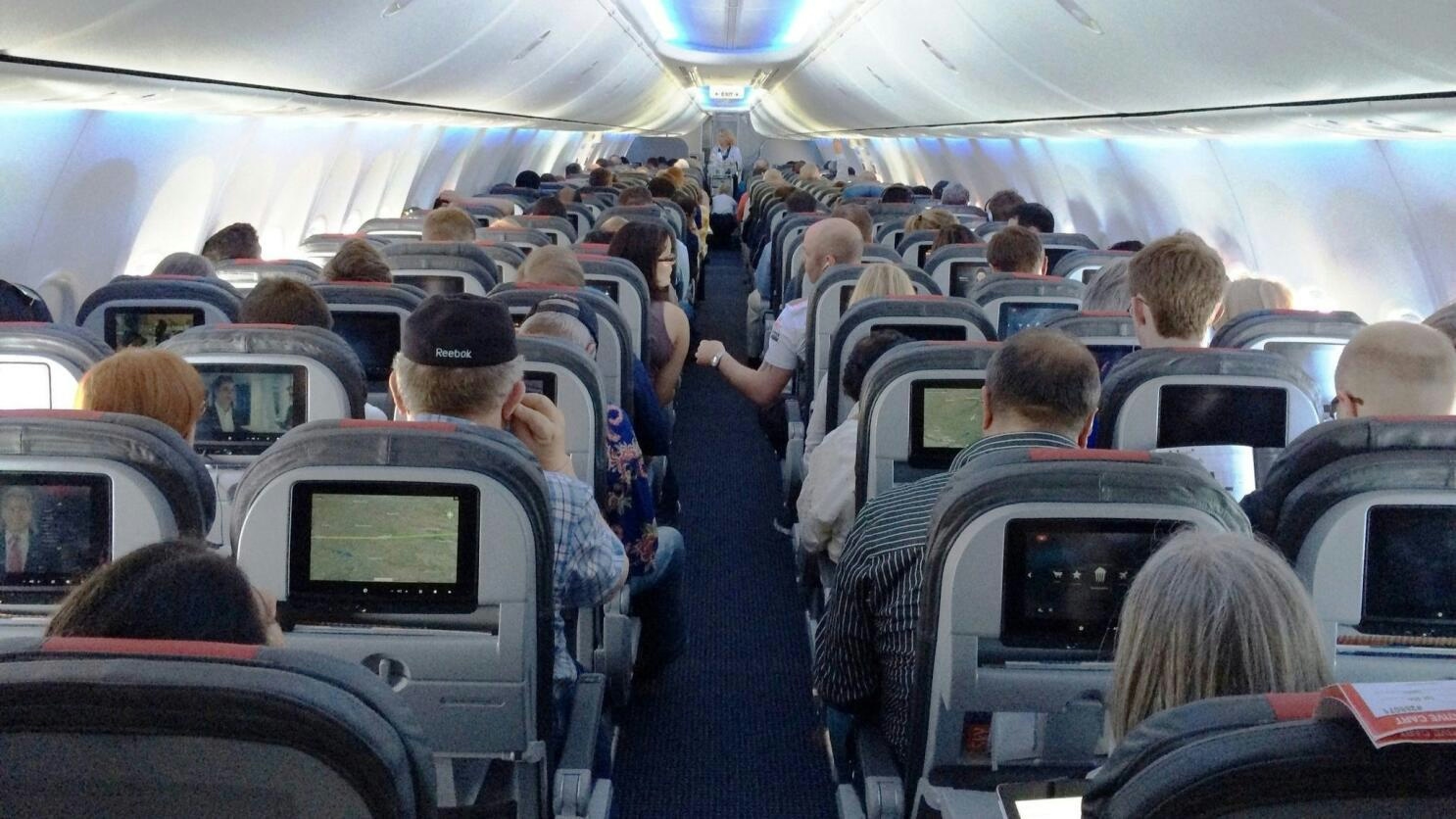
American Airlines’ AI System Rebooks Passengers Without Consent, Sparking Backlash
American Airlines is under intense scrutiny following revelations that its automated rebooking system, known as AURA, has been removing passengers from flights they are still able to board—without their consent. This AI-driven tool, intended to predict missed connections and optimize seat allocation, has instead caused confusion and frustration among travelers who arrive at their gates only to find their seats reassigned.
Operational Efficiency at the Expense of Passengers
AURA’s predictive algorithms automatically rebook passengers onto later flights if the system anticipates they will miss their connections, even when those passengers arrive on time. High-profile cases, including those of Marc Thiessen and Beverly Hallberg, have brought the issue to light. Both passengers reported being denied boarding despite having confirmed reservations and arriving punctually at the gate. The airline’s emphasis on operational efficiency through automation has compromised passenger certainty and satisfaction, raising questions about the system’s reliability and oversight.
Passenger Dissatisfaction and Regulatory Implications
The unauthorized rebookings have generated widespread dissatisfaction, with social media platforms flooded by complaints from affected customers. Many have called for improved staffing and enhanced customer service to address the shortcomings of the AI system. This negative publicity threatens to damage American Airlines’ reputation, potentially eroding customer trust and loyalty.
Industry experts warn that the airline may face increased regulatory scrutiny and possible legal challenges. According to Department of Transportation (DOT) regulations, passengers who are involuntarily denied boarding despite timely check-in, assigned seats, and arrival at the gate at least 15 minutes before departure are entitled to compensation. This compensation can reach up to $2,150 for delays exceeding two hours and must be provided within 24 hours if not offered at the airport. Failure to comply with these rules constitutes a violation of federal law.
Competitive and Industry-Wide Repercussions
Rival airlines have begun leveraging American Airlines’ difficulties in their marketing campaigns, seeking to attract dissatisfied customers. Meanwhile, American Airlines faces mounting pressure to increase transparency and improve its customer service protocols in response to the backlash.
As the aviation industry increasingly adopts automation and artificial intelligence to enhance operational efficiency, American Airlines’ experience highlights the challenges of balancing technological innovation with passenger care. The airline’s response to this controversy is likely to influence regulatory approaches and consumer attitudes in the coming months.

Etihad Airways Suspends Airbus A380 Flights on Key Route

Aditya Birla Group Seeks Approval for Aircraft Leasing in GIFT City

Qatar Airways Highlights Innovation and Connectivity at Arabian Travel Market 2026

Hong Kong's Five-Year Plan Includes Andrew Fan's Aircraft Parts Processing Hub Proposal

ACIA Aero Leasing Delivers ATR72-600 to Air Nostrum

RTX Appoints Jill Albertelli as Head of Pratt & Whitney

TAT Technologies Joins Beyond Aero Hydrogen Aircraft Program

AURAK Study Highlights Barriers to Air Taxi Adoption in Emerging Economies

Xiamen Air Selects Altitude for 787 Maintenance at Heathrow

Etihad and Swissport Extend Global Partnership
