
Orquesta conocimientos de IA para convertirlos en acción

Tendencias
Categories
Boeing Shares Drop After China Order Falls Short, Raising Concerns Over Fleet Capacity and Flight Disruptions
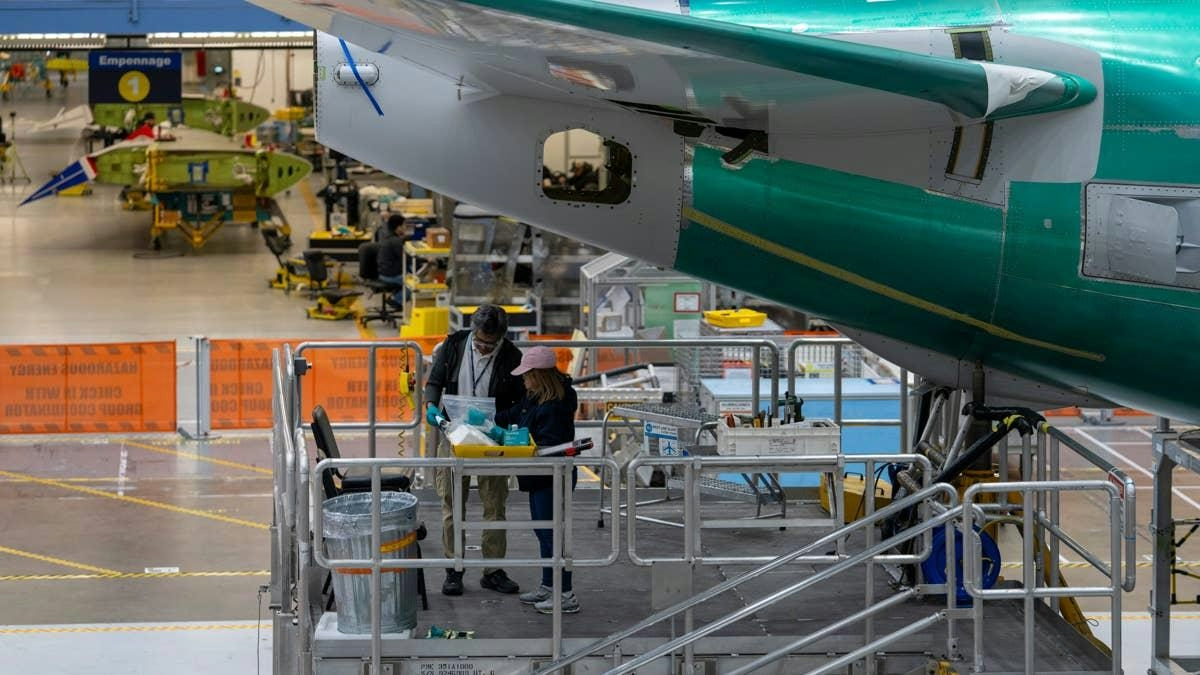
Boeing Shares Decline Following Disappointing China Order, Raising Concerns Over Fleet Capacity and Flight Disruptions
Boeing’s shares experienced a sharp decline after a highly anticipated order from Chinese airlines fell significantly short of market expectations. The US aircraft manufacturer had been widely expected to secure a major deal potentially involving up to 200 commercial jets, with some analysts forecasting orders as large as 500 aircraft. The failure to finalize such a substantial agreement triggered a nearly 6% drop in Boeing’s stock price, reflecting investor disappointment and renewed uncertainty regarding the company’s production outlook.
Market Impact and Investor Sentiment
The absence of a definitive large-scale order from China has reverberated across both the aerospace industry and financial markets. Investors had anticipated that the deal would strengthen Boeing’s long-term manufacturing revenue and help mitigate persistent delivery delays. Instead, the shortfall has raised doubts about Boeing’s capacity to increase production and meet the rising demand for aircraft amid a global surge in international travel. Airlines worldwide continue to face challenges in securing new widebody and narrowbody jets ahead of peak travel seasons, intensifying concerns about supply constraints.
Fleet Constraints and Potential Flight Disruptions
The shortfall in new aircraft orders comes at a time when major international carriers are struggling to expand their fleets to accommodate growing passenger volumes. Industry experts warn that this could lead to localized flight cancellations and airport disruptions, particularly during busy holiday travel periods along key global corridors. In response, regional aviation hubs are implementing phased flight departures and dynamic scheduling measures to better manage gate capacity and alleviate terminal congestion, aiming to minimize passenger inconvenience amid these operational challenges.
Strategic Importance of the Chinese Aviation Market
China remains a pivotal market for global aircraft manufacturers, driven by a rapidly expanding middle class and strong demand for both domestic and long-haul international air travel. The expectation of a potential 200-aircraft agreement had generated optimism among investors, airlines, and tourism stakeholders. The delay in finalizing this deal highlights the intricate linkages between aircraft manufacturing, global tourism growth, and international trade dynamics.
Geopolitical and Competitive Considerations
Aircraft procurement decisions in China carry significant geopolitical implications, often reflecting the broader trade relationship between Washington and Beijing. Ongoing geopolitical tensions and tariff disputes influence the purchasing strategies of Chinese state-owned carriers, which must balance operational requirements with diplomatic considerations. Large-scale aviation deals frequently serve as leverage in bilateral trade negotiations, affecting both delivery schedules and order approvals.
The reduced Boeing order may also alter competitive dynamics within the Asia-Pacific region. While responses from rival manufacturers remain speculative, the shortfall could provide an opportunity for competitors such as Airbus to strengthen their presence in the Chinese market.
Industry Resources
For those monitoring aircraft backlogs, delivery schedules, and investor updates, Boeing’s official portal offers comprehensive information. Additional resources include Airbus’s platform for airliner specifications and sustainable aviation initiatives, as well as data and regulatory guidelines provided by the Civil Aviation Administration of China.
As the global aviation sector continues to navigate manufacturing challenges and geopolitical complexities, the outcome of Boeing’s negotiations with China will remain a critical indicator for industry stakeholders and investors worldwide.

Etihad Airways Suspends Airbus A380 Flights on Key Route

Aditya Birla Group Seeks Approval for Aircraft Leasing in GIFT City

Qatar Airways Highlights Innovation and Connectivity at Arabian Travel Market 2026

Hong Kong's Five-Year Plan Includes Andrew Fan's Aircraft Parts Processing Hub Proposal

ACIA Aero Leasing Delivers ATR72-600 to Air Nostrum

RTX Appoints Jill Albertelli as Head of Pratt & Whitney

TAT Technologies Joins Beyond Aero Hydrogen Aircraft Program

AURAK Study Highlights Barriers to Air Taxi Adoption in Emerging Economies

Xiamen Air Selects Altitude for 787 Maintenance at Heathrow

Etihad and Swissport Extend Global Partnership
