
Orquesta conocimientos de IA para convertirlos en acción

Tendencias
Categories
CFM Upgrade Doubles LEAP Engine Lifespan in Harsh Climates
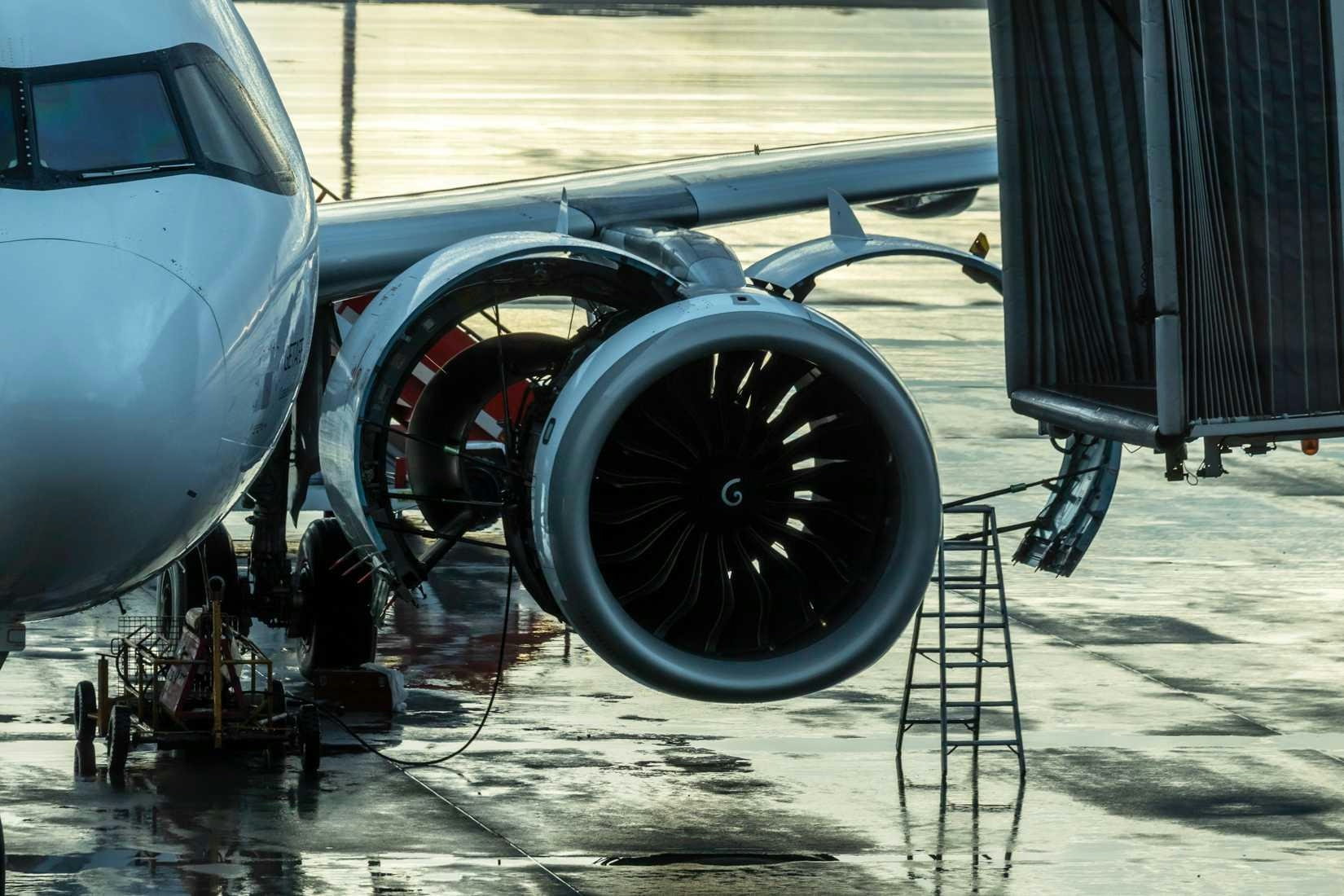
CFM Upgrade Doubles LEAP Engine Lifespan in Harsh Climates
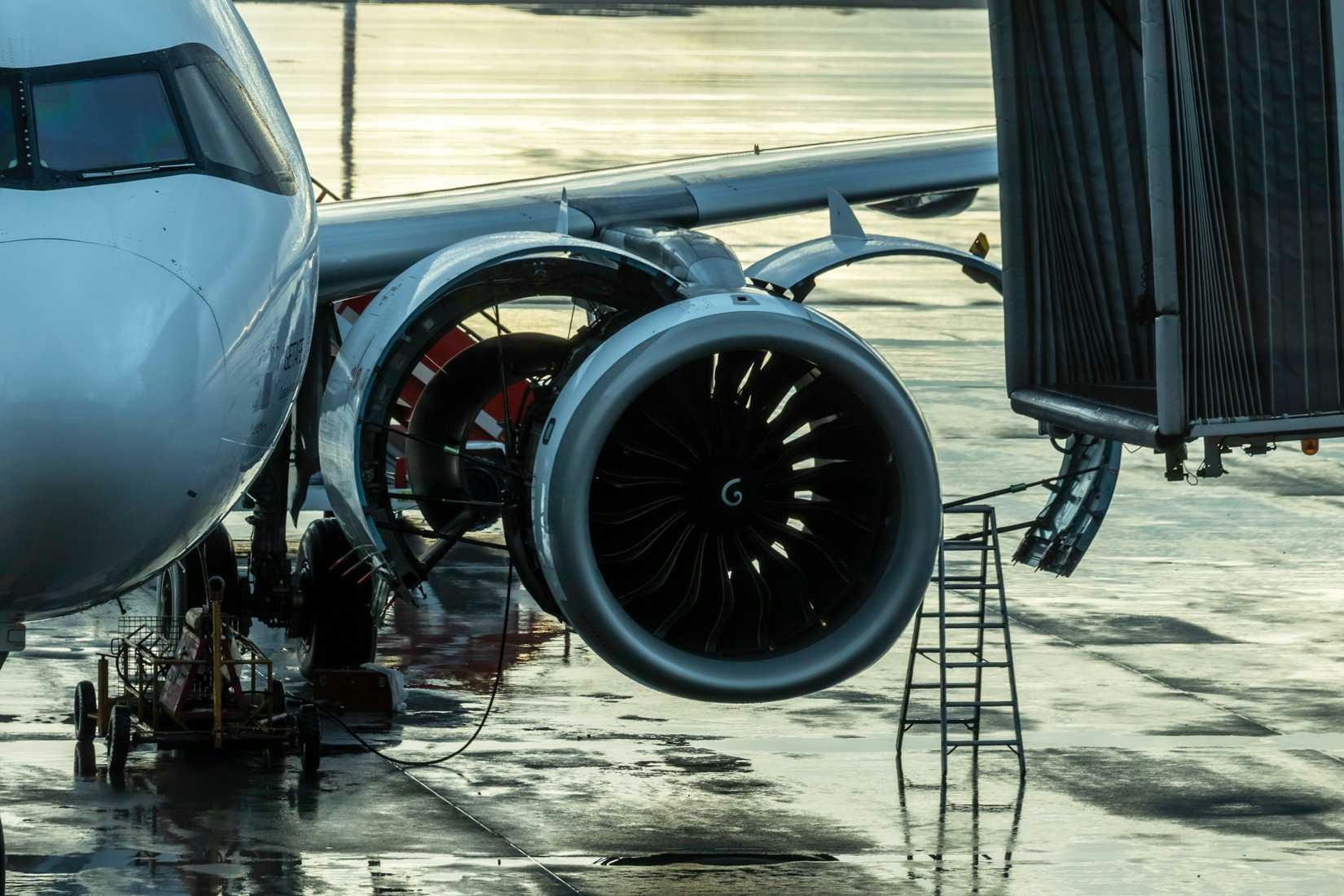
CFM International has introduced a significant redesign of its LEAP engine turbines, effectively doubling their durability in desert and high-temperature environments. This upgrade addresses critical issues such as sand erosion and thermal stress, promising to reduce unscheduled engine removals and enhance operational reliability for airlines operating in some of the world’s most challenging climates.
Technical Enhancements and Certification Progress
The improvements concentrate on the high-pressure turbine section of both the LEAP-1A and LEAP-1B engines. Three core components have been replaced with advanced parts featuring sand-resistant cooling channels and reinforced nozzles. A notable addition is the new reverse-bleed system, designed to prevent fuel coking after engine shutdowns. This system, which received certification for the A320neo in 2024, is currently installed on 40% of active LEAP-1A engines, with projections indicating 70% adoption by July 2026.
Certification for the 737 MAX variant has been secured, enabling a global retrofit rollout scheduled for completion by 2027. To minimize operational disruptions, retrofits are exclusively performed during scheduled shop visits. This approach has allowed airlines such as IndiGo to integrate the upgrade seamlessly during heavy maintenance periods, reducing turnaround delays from 150% above standard to normal intervals.
Market Impact and Industry Challenges
CFM’s phased rollout is underpinned by a $2 billion investment in maintenance, repair, and overhaul (MRO) facility upgrades, aimed at meeting increased retrofit demand without straining the supply of spare engines. Nonetheless, the company faces challenges in a capacity-constrained market. Competitors like IAG Engine Tech plan to launch LEAP engine maintenance operations in 2027, potentially intensifying competition for limited MRO resources.
The market response has been immediate, with airlines eager to extend engine lifespan amid rising fuel costs, driving demand for the upgraded LEAP engines. In turn, competitors may seek to introduce similar technological enhancements or adopt aggressive pricing strategies to maintain market share as CFM scales up production and delivery of the enhanced engines.
As the retrofit program expands globally, CFM’s strategy seeks to balance the imperative for improved engine resilience with the constraints of a tight maintenance market, positioning the LEAP engine family as a preferred choice for operators confronting extreme operating conditions.
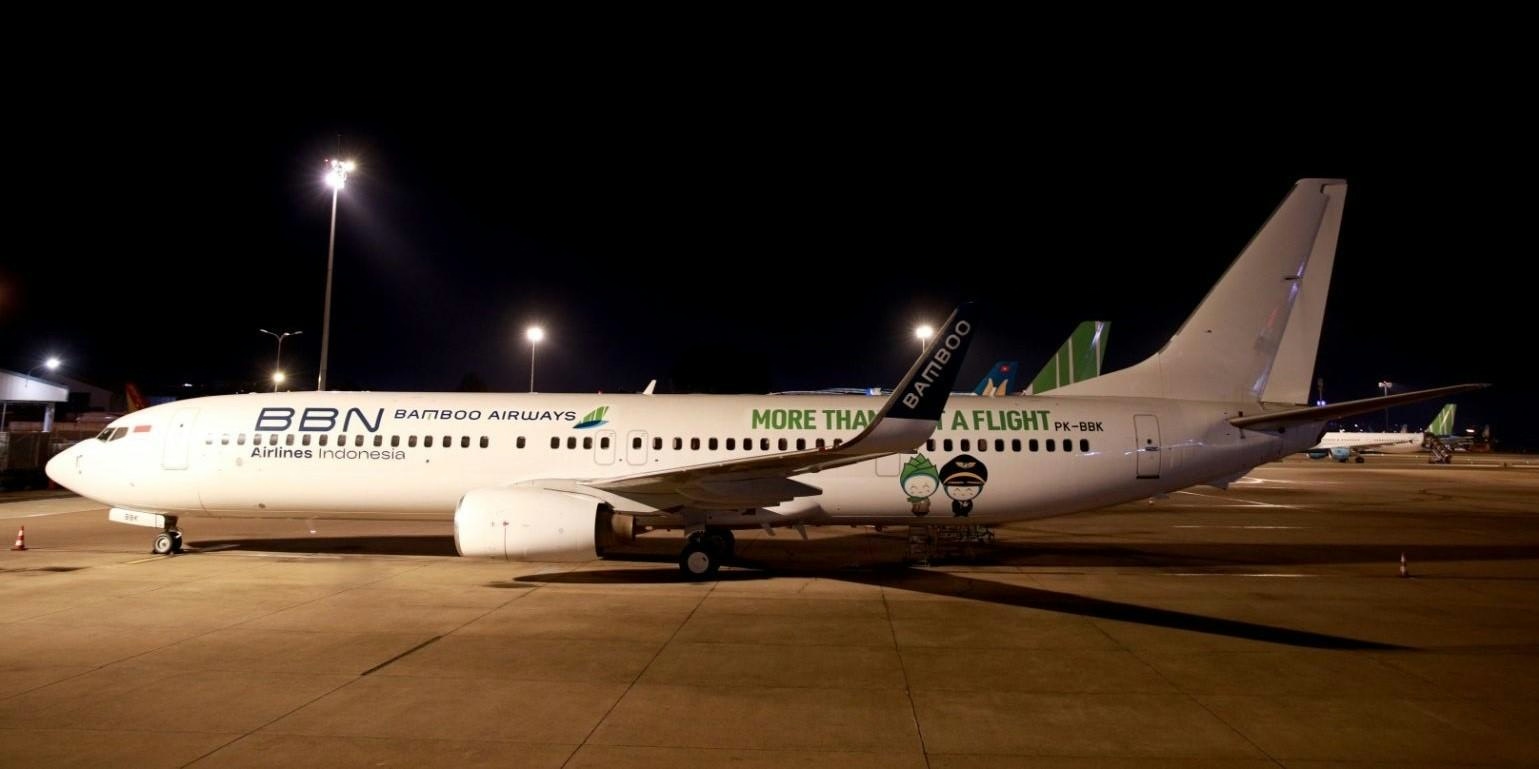
BBN Airlines Becomes IATA Member

FAA Orders Breeze Airways and Delta to Inspect Airbus A220 Fuel Hoses

Philippine Aviation Navigates Expansion and Costs Amid Fuel Price Volatility
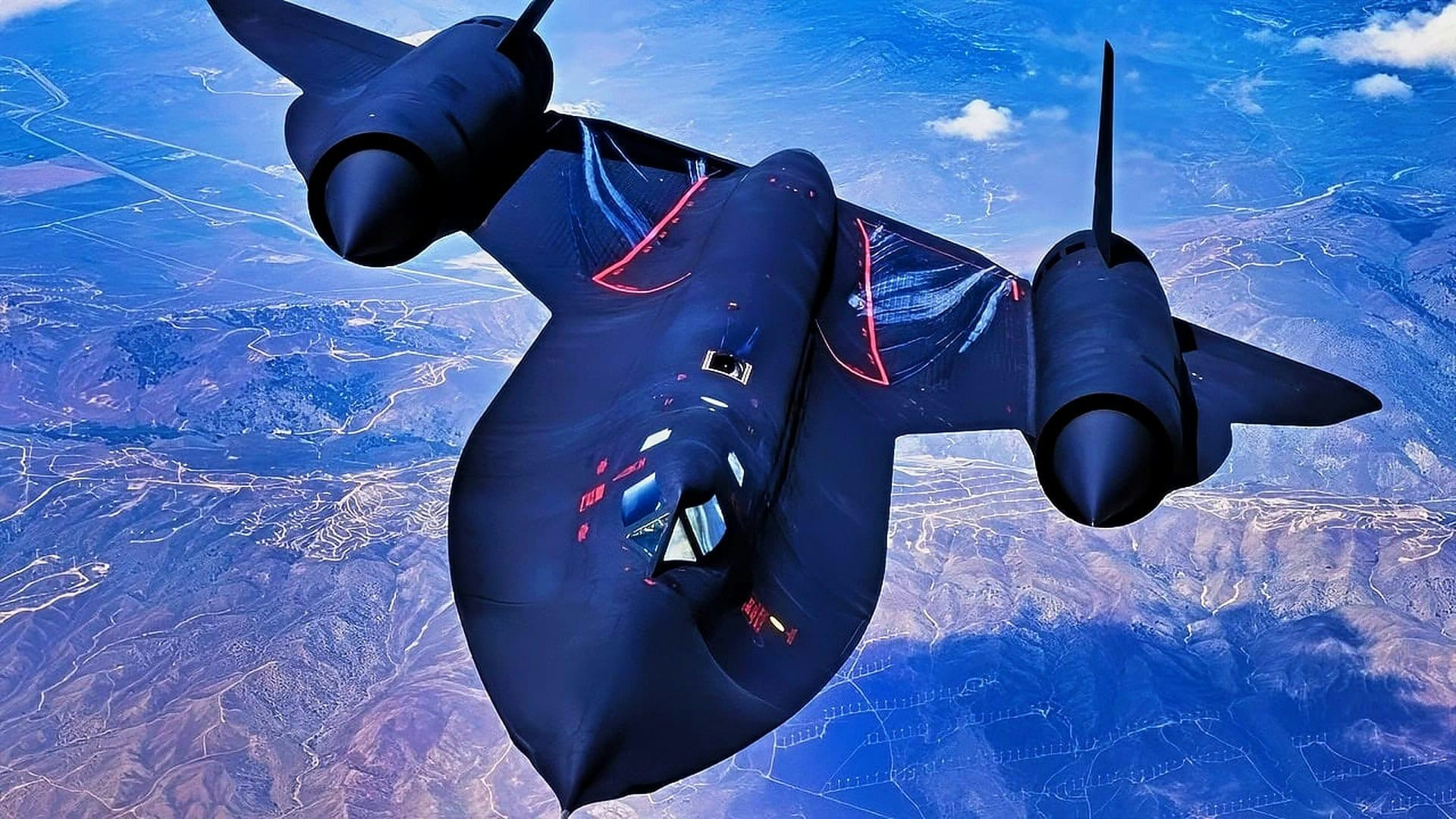
On April 26, 1971, an SR-71 Blackbird Flew Over 15,000 Miles in 10.5 Hours, Limited by Liquid Nitrogen Supply
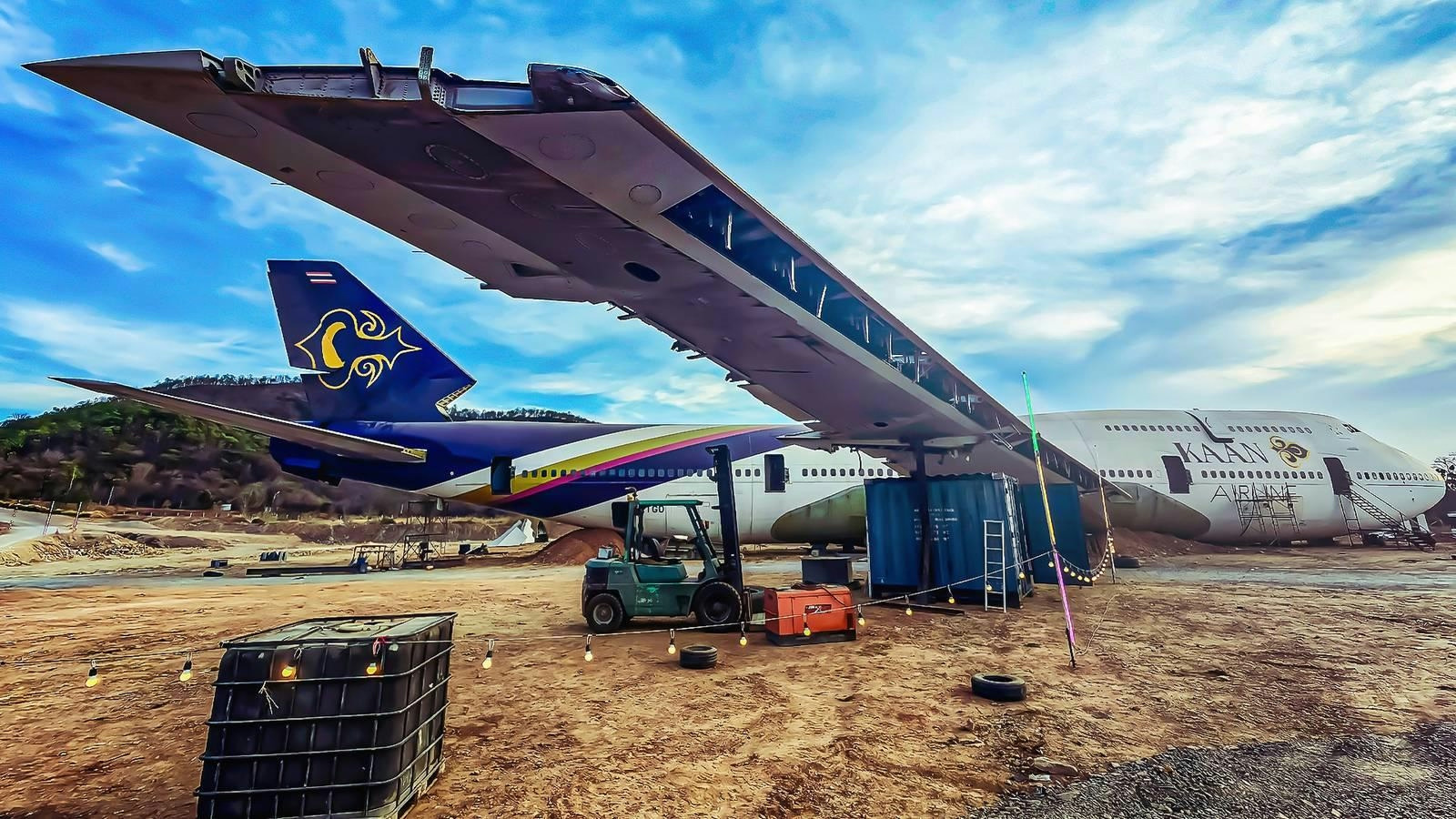
Boeing 747 Airframe Valued Less Than One Landing Gear Component

The Rear-Fan Engine Behind the Crash of the World's Fastest Airliner
Morphing Aircraft Skin Improves Safety and Fuel Efficiency

BRICS Nations Commit to Enhanced Cooperation on Sustainable Transport and Green Aviation
CFM Turbine Upgrade Doubles LEAP Engine Service Life in Harsh Conditions

Sonoma County Board of Supervisors Revisits Controversial Government Office Deal
