
Orquesta conocimientos de IA para convertirlos en acción

Tendencias
Categories
China Advances Efforts to Replace Western Components in C919 Supply Chain
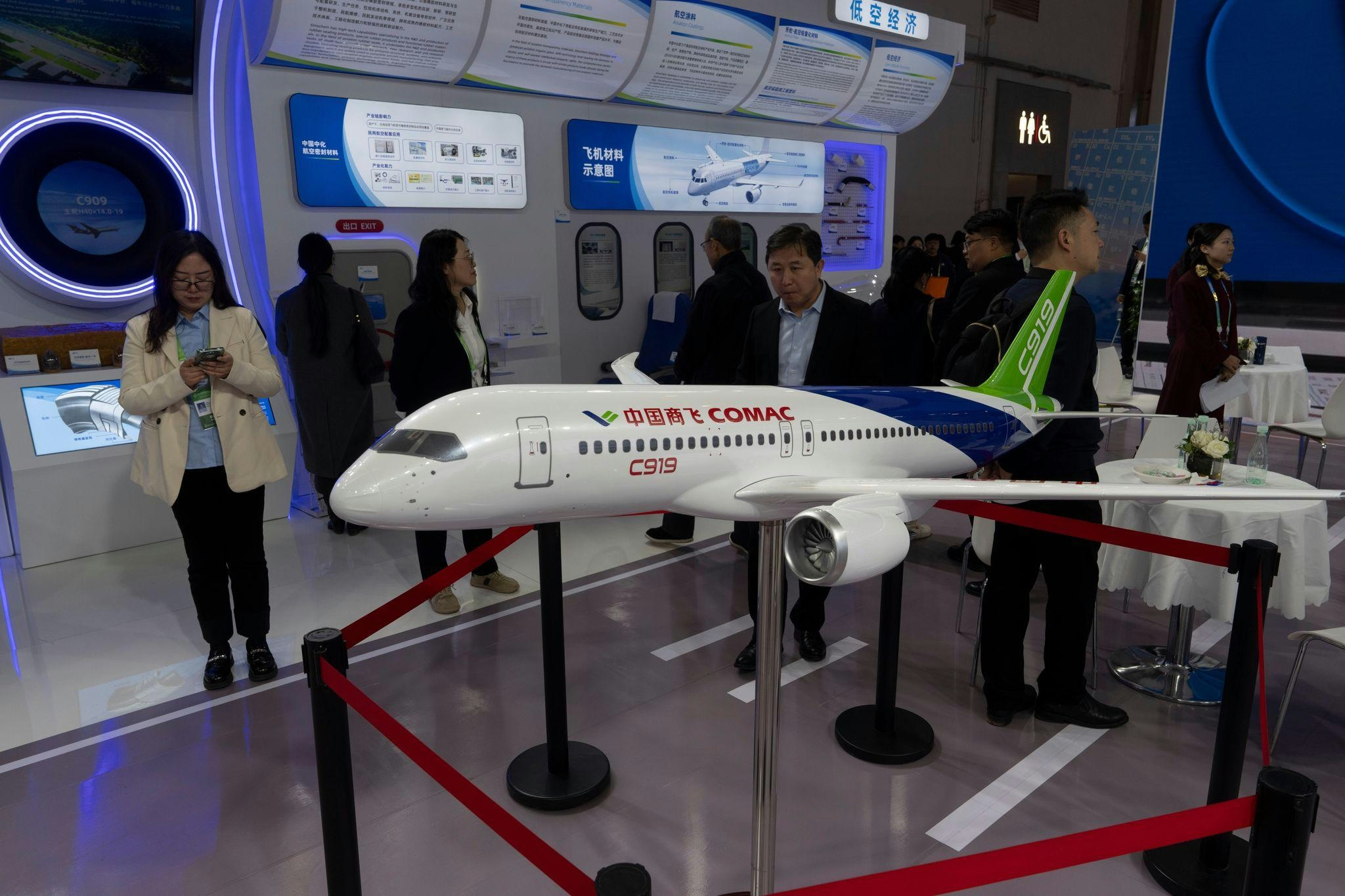
China Advances Efforts to Replace Western Components in C919 Supply Chain
Expanding Localization Beyond Engines
China is intensifying its efforts to increase the use of domestically produced components in its flagship narrowbody airliner, the C919, as part of a broader strategy to reduce dependence on Western suppliers. Initially focused on developing indigenous engines, the initiative has expanded to include a wide range of materials such as sealants, paints, bolts, rubber, and cleaning agents. Zhang Xiaoyan, chief engineer at the Aero Engine Corporation of China (AECC)’s Beijing Institute of Aeronautical Materials, highlighted these efforts during an aviation forum in Guangzhou, emphasizing the comprehensive nature of the localization drive.
The C919, which entered commercial service in May 2023, represents a cornerstone of China’s ambition to challenge the Boeing-Airbus duopoly and establish a significant presence in the global aircraft manufacturing industry. By July, the state-owned Commercial Aircraft Corporation of China (COMAC) had delivered 42 C919 jets to domestic airlines, signaling the country’s commitment to advancing its aerospace capabilities.
Challenges in Supply Chain Localization and Market Penetration
Despite these advances, the C919 remains heavily reliant on foreign components, particularly its engines, which are supplied by CFM International—a joint venture between GE Aerospace and Safran Aircraft Engines. The replacement of such critical systems with domestic alternatives presents a complex and long-term challenge. Industry experts note that the aircraft has yet to secure certification from major U.S. or European aviation regulators, a crucial hurdle that restricts its ability to compete in international markets.
Furthermore, analysts caution that COMAC’s relatively gradual pace of development and production means that any significant impact on the sales of Boeing and Airbus aircraft is unlikely in the near term. Beyond technical and regulatory obstacles, COMAC faces the challenge of building trust among airlines and passengers by demonstrating the C919’s reliability and providing comprehensive, around-the-clock technical support. Given the complexity of modern aircraft manufacturing and the stringent standards of global commercial aviation, this remains a formidable task.
Strategic Implications of the Localization Drive
Beijing’s push to localize the C919’s supply chain reflects a strategic effort to mitigate supply chain vulnerabilities and geopolitical risks. However, industry insiders acknowledge that reducing dependence on Western suppliers will be a gradual and multifaceted process, requiring sustained investment and technological development over many years. The ongoing efforts underscore China’s determination to establish a more self-reliant aerospace industry, even as it navigates significant technical, regulatory, and market challenges.

Etihad Airways Suspends Airbus A380 Flights on Key Route

Aditya Birla Group Seeks Approval for Aircraft Leasing in GIFT City

Qatar Airways Highlights Innovation and Connectivity at Arabian Travel Market 2026

Hong Kong's Five-Year Plan Includes Andrew Fan's Aircraft Parts Processing Hub Proposal

ACIA Aero Leasing Delivers ATR72-600 to Air Nostrum

RTX Appoints Jill Albertelli as Head of Pratt & Whitney

TAT Technologies Joins Beyond Aero Hydrogen Aircraft Program

AURAK Study Highlights Barriers to Air Taxi Adoption in Emerging Economies

Xiamen Air Selects Altitude for 787 Maintenance at Heathrow

Etihad and Swissport Extend Global Partnership
