
Orquesta conocimientos de IA para convertirlos en acción

Tendencias
Categories
Delta Installs Finlets on 240 Boeing 737 Aircraft
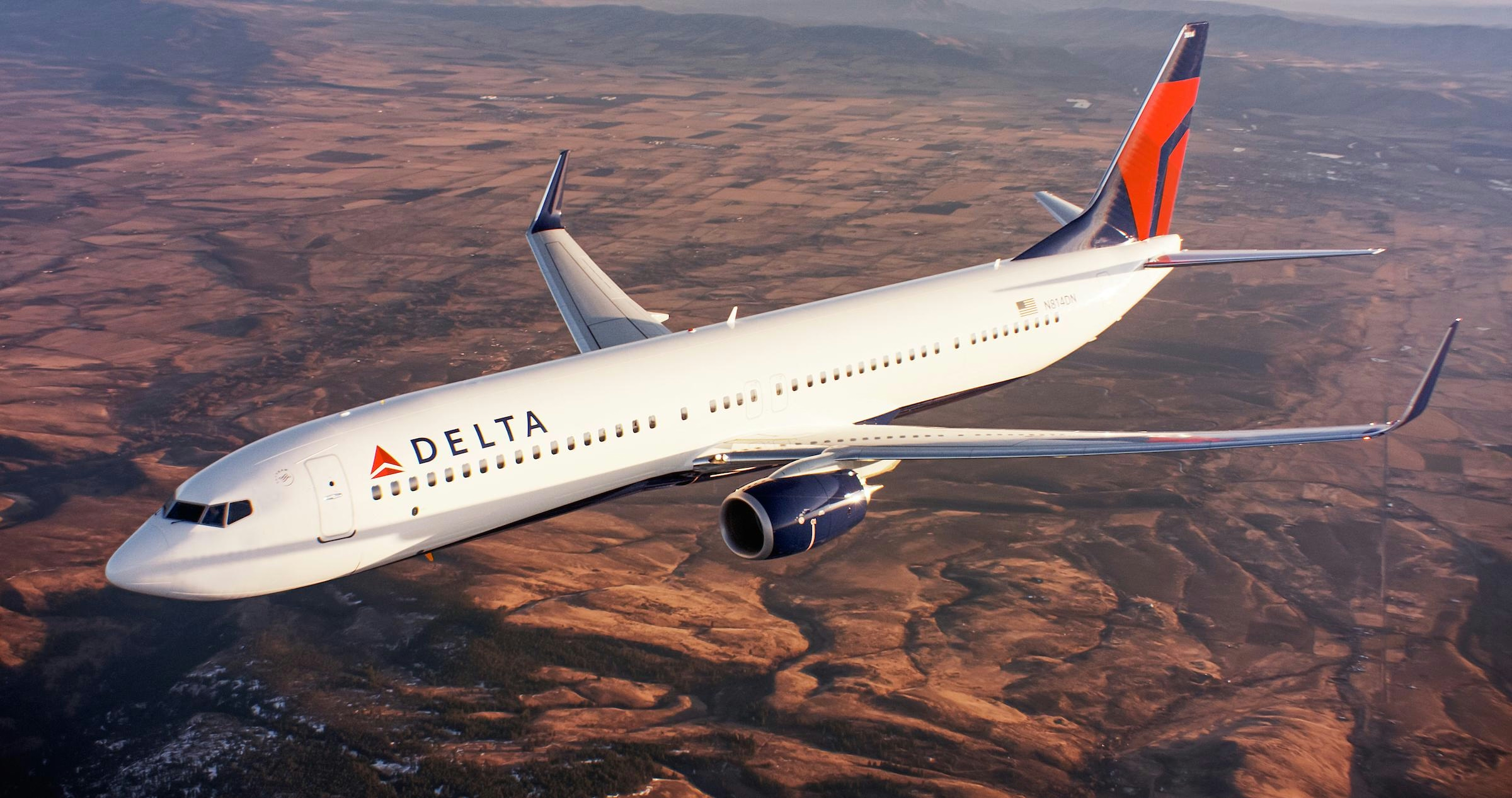
Delta Air Lines Implements Finlets on 240 Boeing 737 Aircraft to Enhance Efficiency
Delta Air Lines has announced a significant upgrade to its fleet by installing Vortex Control Technologies’ (VCT) Finlet modification package on 240 Boeing 737-800 and 737-900ER aircraft. These aerodynamic devices, mounted on the aft fuselage, are engineered to optimize airflow, reduce drag, and improve overall aircraft performance by minimizing flow separation and enhancing pressure distribution. The initiative is part of Delta’s broader strategy to increase fuel efficiency and reduce carbon emissions.
Evaluation and Expected Impact
The decision to adopt Finlets followed a comprehensive evaluation process that included flight testing, operational analysis, and computational fluid dynamics (CFD) assessments across Delta’s 737 Next Generation fleet. The airline determined that the Finlet modification presents a practical and effective solution to improve fuel efficiency, aligning with its long-term sustainability objectives. Given that approximately 90% of Delta’s carbon emissions originate from jet fuel consumption, these aerodynamic enhancements are anticipated to contribute substantially to lowering the airline’s environmental footprint.
Gil Morgan, Chief Executive Officer of VCT, hailed the deployment as a major milestone, highlighting the technology’s potential to enhance airline operating economics while advancing environmental goals.
Challenges and Industry Implications
Despite the anticipated benefits, the large-scale retrofit poses operational and maintenance challenges for Delta. Integrating Finlets across a significant portion of the fleet may introduce complexities that could affect the overall efficiency gains and cost savings projected from the program.
The initiative has also attracted attention from competitors and regulatory authorities. Industry observers suggest that rival airlines may feel compelled to adopt similar aerodynamic improvements or pursue alternative strategies to sustain operational efficiency. This development occurs amid a period of volatile fuel prices, which have exacerbated disparities among U.S. carriers. While financially robust airlines like Delta invest in advanced technologies and premium services, less competitive carriers may find it difficult to keep pace, potentially intensifying competition within the sector.
Delta’s Finlet program not only reinforces the airline’s commitment to sustainability and operational excellence but also reflects the broader dynamics shaping the aviation industry as carriers navigate the complex balance between environmental responsibility, cost management, and competitive positioning.

Etihad Airways Suspends Airbus A380 Flights on Key Route

Aditya Birla Group Seeks Approval for Aircraft Leasing in GIFT City

Qatar Airways Highlights Innovation and Connectivity at Arabian Travel Market 2026

Hong Kong's Five-Year Plan Includes Andrew Fan's Aircraft Parts Processing Hub Proposal

ACIA Aero Leasing Delivers ATR72-600 to Air Nostrum

RTX Appoints Jill Albertelli as Head of Pratt & Whitney

TAT Technologies Joins Beyond Aero Hydrogen Aircraft Program

AURAK Study Highlights Barriers to Air Taxi Adoption in Emerging Economies

Xiamen Air Selects Altitude for 787 Maintenance at Heathrow

Etihad and Swissport Extend Global Partnership
