
Orquesta conocimientos de IA para convertirlos en acción

Tendencias
Categories
FAA Approves Green Taxi Aerospace Certification Approach
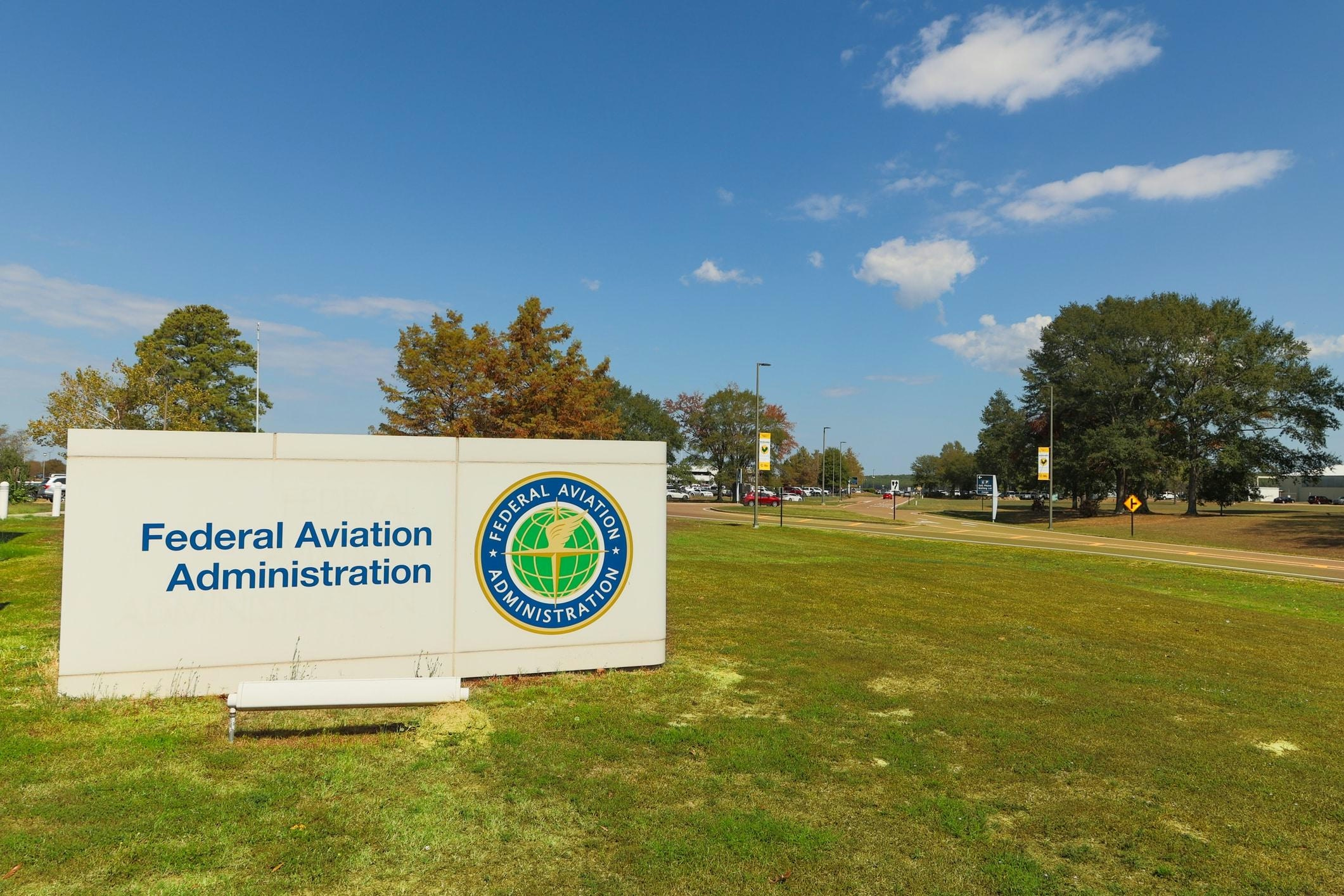
FAA Endorses Certification Approach for Green Taxi Aerospace’s Electric Taxi System
Green Taxi Aerospace has secured formal approval from the Federal Aviation Administration (FAA) for its certification approach concerning an innovative electric taxi system. This development represents a significant advancement in sustainable aviation technology. The company’s Zero Engine Taxi system enables aircraft to taxi without engaging their main engines, a feature projected to save airlines up to $300,000 per aircraft annually, according to Green Taxi Aerospace.
Advancing Sustainable Ground Operations
The electric taxi system offers multiple operational benefits, including reduced fuel consumption, decreased brake wear, lower emissions, the elimination of pushback tugs, and overall enhanced efficiency during ground movements. These advantages align with the aviation industry’s growing emphasis on environmental responsibility and cost reduction.
The certification approach was submitted to the FAA by StandardAero, Green Taxi Aerospace’s certification partner. After a thorough review of the conformity plan and compliance checklist summary, the FAA concurred with the proposed certification pathway. StandardAero will play a pivotal role in developing and executing the certification program, while Green Taxi Aerospace pursues Supplemental Type Certificate (STC) approval. Additionally, the Organization Designation Authorization (ODA) for the project has been delegated to StandardAero’s ODA team.
David Valaer, CEO of Green Taxi Aerospace, described the FAA’s concurrence as a major milestone, highlighting the strong collaboration with certification partners. John Miedwig, Director of Certification Services at StandardAero, expressed his organization’s commitment to supporting Green Taxi Aerospace throughout the STC process.
Challenges and Industry Implications
Despite this regulatory endorsement, Green Taxi Aerospace and its partners face considerable challenges ahead. The certification of novel aviation technologies remains a complex and costly endeavor, demanding strict adherence to evolving environmental regulations. Furthermore, the adoption of electric taxi systems may encounter resistance from traditional aviation stakeholders accustomed to established ground operation procedures.
Nonetheless, the FAA’s approval is anticipated to stimulate greater investor interest in eco-friendly aviation technologies. Industry analysts expect that competitors will accelerate their own development and certification efforts for similar zero-engine taxi systems, reflecting the expanding market for sustainable aviation solutions.
Green Taxi Aerospace’s progress exemplifies the broader industry trend toward reducing emissions and enhancing operational efficiency, driven by regulatory mandates and market demand for innovation in aviation ground operations.

Etihad Airways Suspends Airbus A380 Flights on Key Route

Aditya Birla Group Seeks Approval for Aircraft Leasing in GIFT City

Qatar Airways Highlights Innovation and Connectivity at Arabian Travel Market 2026

Hong Kong's Five-Year Plan Includes Andrew Fan's Aircraft Parts Processing Hub Proposal

ACIA Aero Leasing Delivers ATR72-600 to Air Nostrum

RTX Appoints Jill Albertelli as Head of Pratt & Whitney

TAT Technologies Joins Beyond Aero Hydrogen Aircraft Program

AURAK Study Highlights Barriers to Air Taxi Adoption in Emerging Economies

Xiamen Air Selects Altitude for 787 Maintenance at Heathrow

Etihad and Swissport Extend Global Partnership
