
Orquesta conocimientos de IA para convertirlos en acción

Tendencias
Categories
FAA Certifies Boeing 737 Max 7 for Flight After Years of Delays
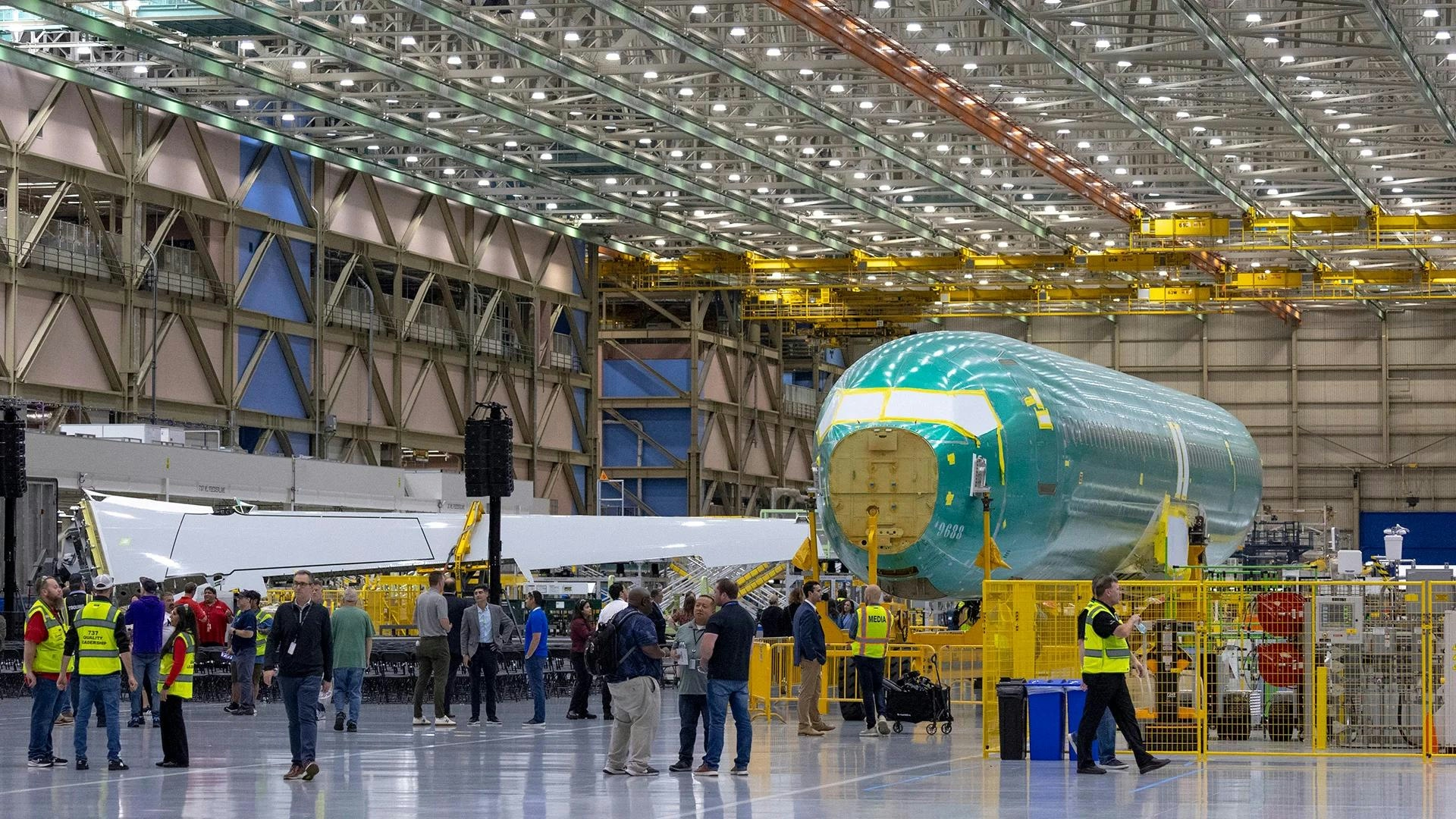
FAA Certifies Boeing 737 Max 7 for Commercial Service After Prolonged Delays
The Federal Aviation Administration (FAA) has officially certified Boeing’s 737 Max 7 for commercial operation, marking a pivotal achievement for the aerospace manufacturer after nearly a decade of delays and intensified regulatory scrutiny. The announcement, made on Monday, concludes a lengthy process that began when Boeing first unveiled the smallest variant in its Max series of jetliners.
Rigorous Testing and Safety Enhancements
The certification of the Max 7 followed an exhaustive period of additional testing, design revisions, and comprehensive safety evaluations. This process was extended as Boeing addressed a series of technical challenges and responded to heightened oversight triggered by two fatal crashes involving the larger 737 Max 8 model in 2018 and 2019, which resulted in 346 fatalities. These tragedies compelled the FAA to reform its aircraft certification protocols and increase its supervision of Boeing’s manufacturing and safety procedures.
Prior to granting approval, the FAA mandated several critical safety improvements. These included updates to the flight-control software, enhanced cockpit alert systems for pilots, and a redesigned engine anti-ice mechanism aimed at preventing overheating. Stephanie Pope, president and CEO of Boeing Commercial Airplanes, acknowledged the efforts involved, stating, “Our team of dedicated engineers and test experts worked through challenges, an extended pandemic, and the transition to new certification processes.”
Ongoing Oversight and Market Implications
The FAA has made clear that its oversight of Boeing will persist beyond the Max 7’s certification. Safety inspectors will continue to monitor Boeing’s production facilities, scrutinizing manufacturing processes, the company’s Safety Management System, and its overall safety culture to ensure ongoing compliance.
The Max 7 is primarily intended for short- and medium-haul routes, with several airlines, including Southwest Airlines, holding outstanding orders for the aircraft. The certification is expected to prompt airlines to reevaluate their fleet strategies and delivery timelines, potentially prioritizing the Max 7 over other aircraft models.
Nevertheless, the Max 7’s market introduction faces challenges. Boeing must consistently demonstrate compliance with regulatory standards and address any residual safety concerns among carriers and passengers. Additionally, the certification intensifies competition within the single-aisle jet market, where rivals such as Airbus may accelerate the development of new models to protect their market share. This competitive dynamic could influence pricing and operational decisions across the aviation industry.
The FAA’s approval of the 737 Max 7 represents a significant step forward for Boeing as it seeks to rebuild trust in its flagship jet family. However, both the company and regulators remain under considerable pressure to maintain the highest safety standards amid a rapidly evolving commercial aviation environment.

Etihad and Swissport Extend Global Partnership

Sepehran Airlines B737 Returns to Mashhad After Tyre and Engine Issues

Etihad Deploys Widebody Fleet to Meet Strong Demand

Korean Air Finalizes $36.2 Billion Deal with Boeing
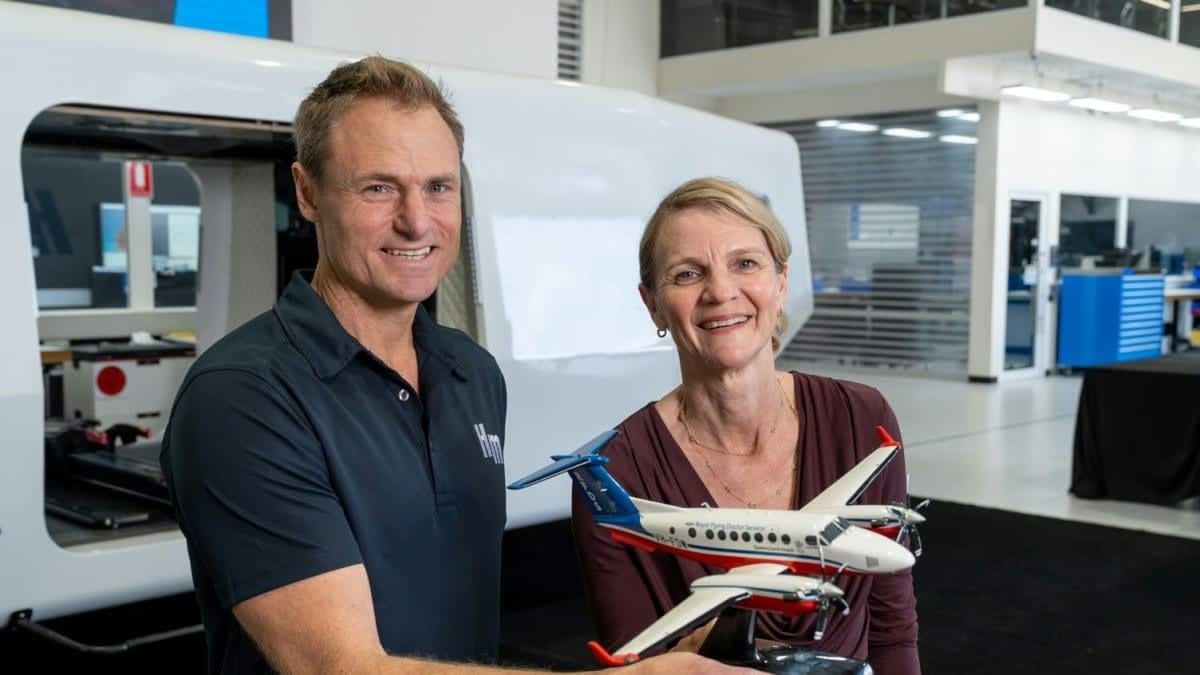
Australia’s RFDS Queensland Section Orders Six King Air 260Cs
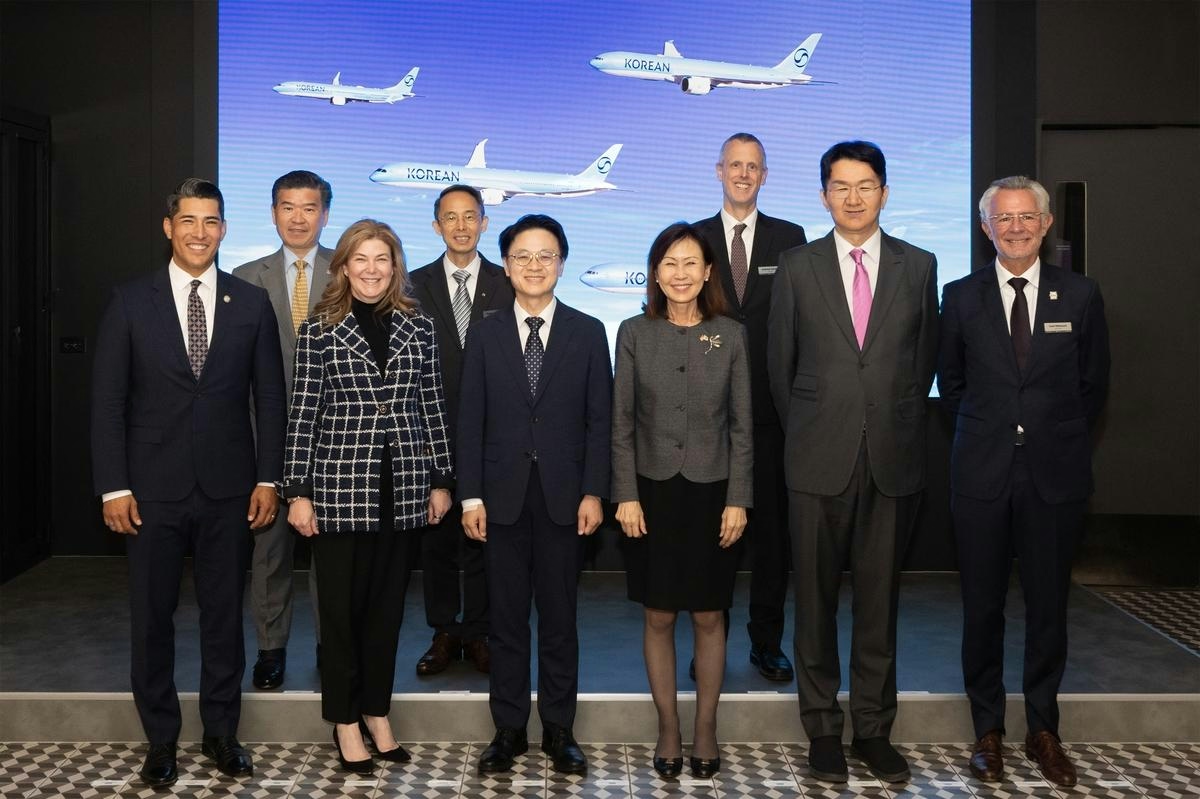
Korean Air Finalizes Order for 103 Boeing Jets and Engines
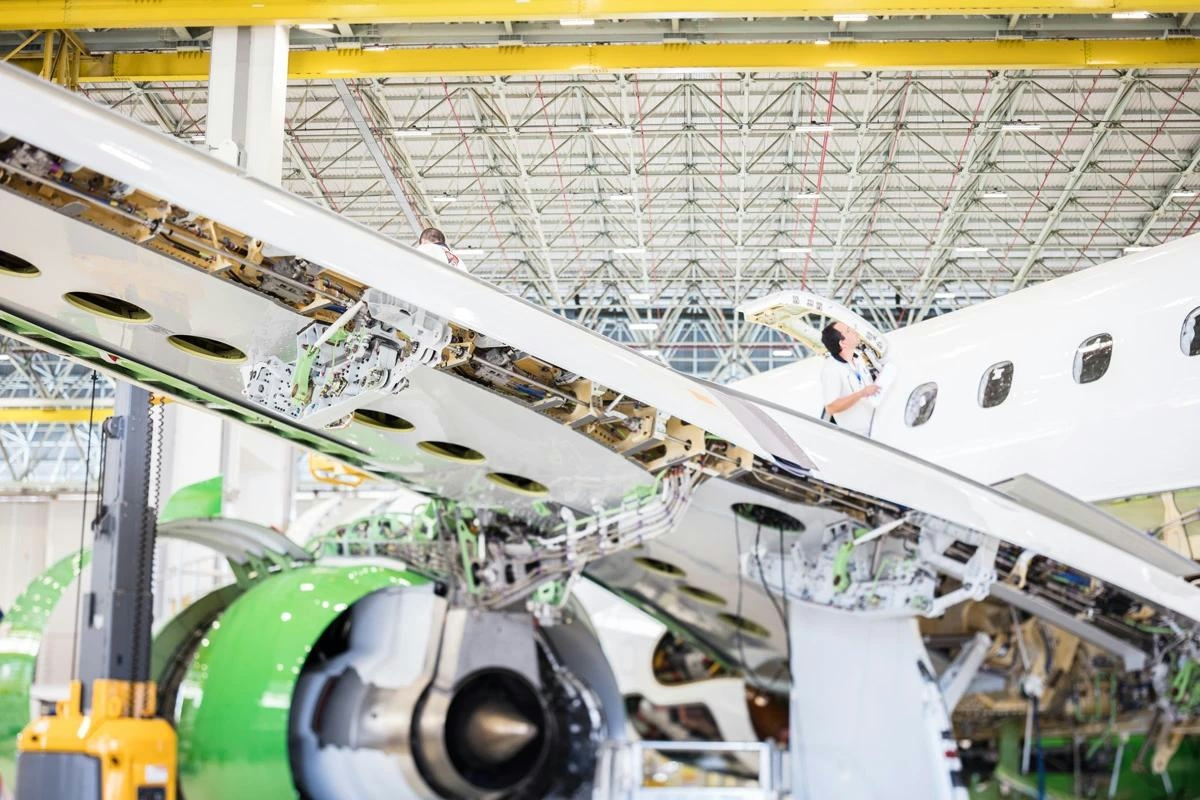
Embraer E195-E2 Features Distinctive Engine Placement Among Regional Jets
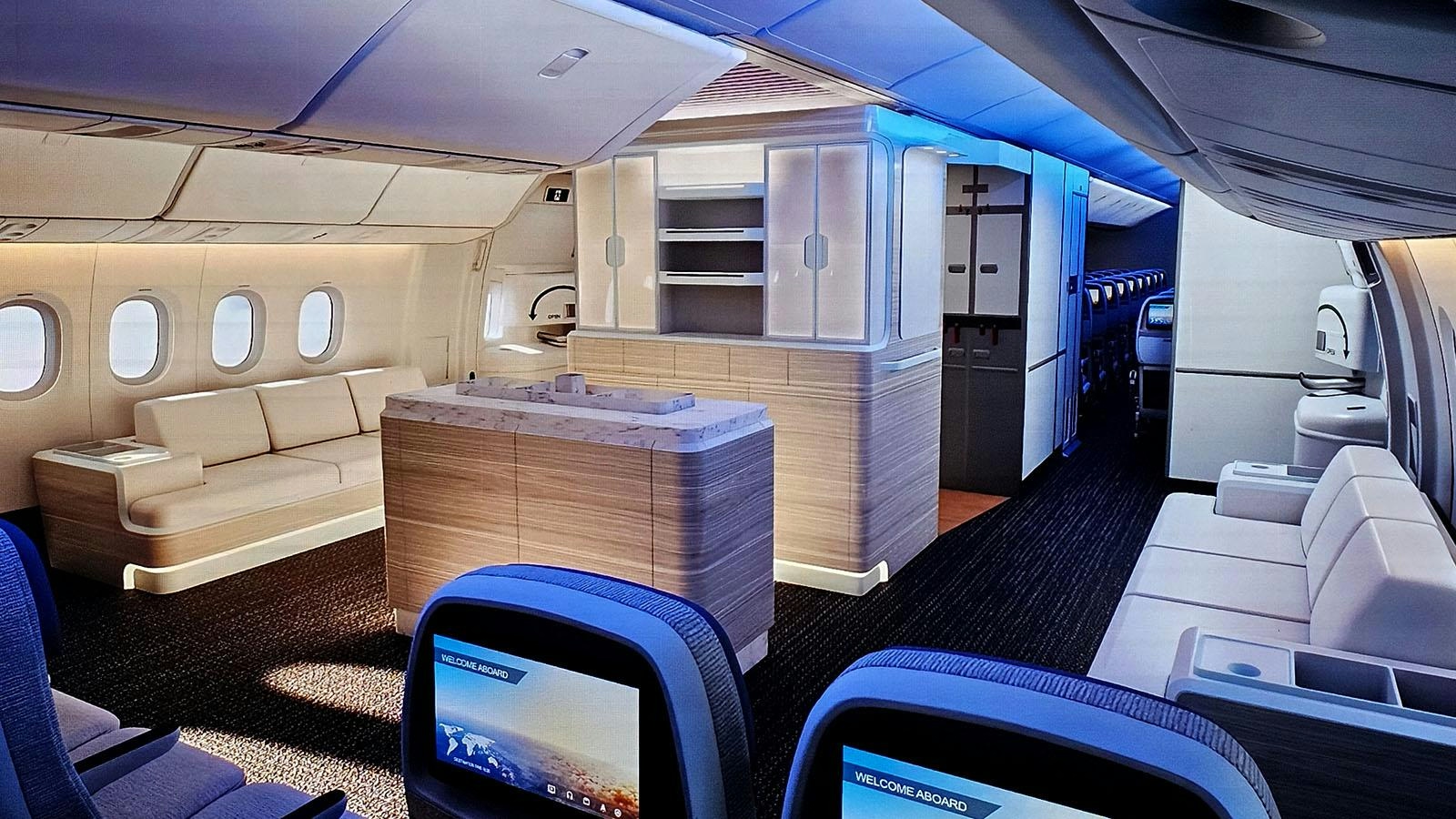
What Passengers Can Expect on Boeing’s New 777X Jet
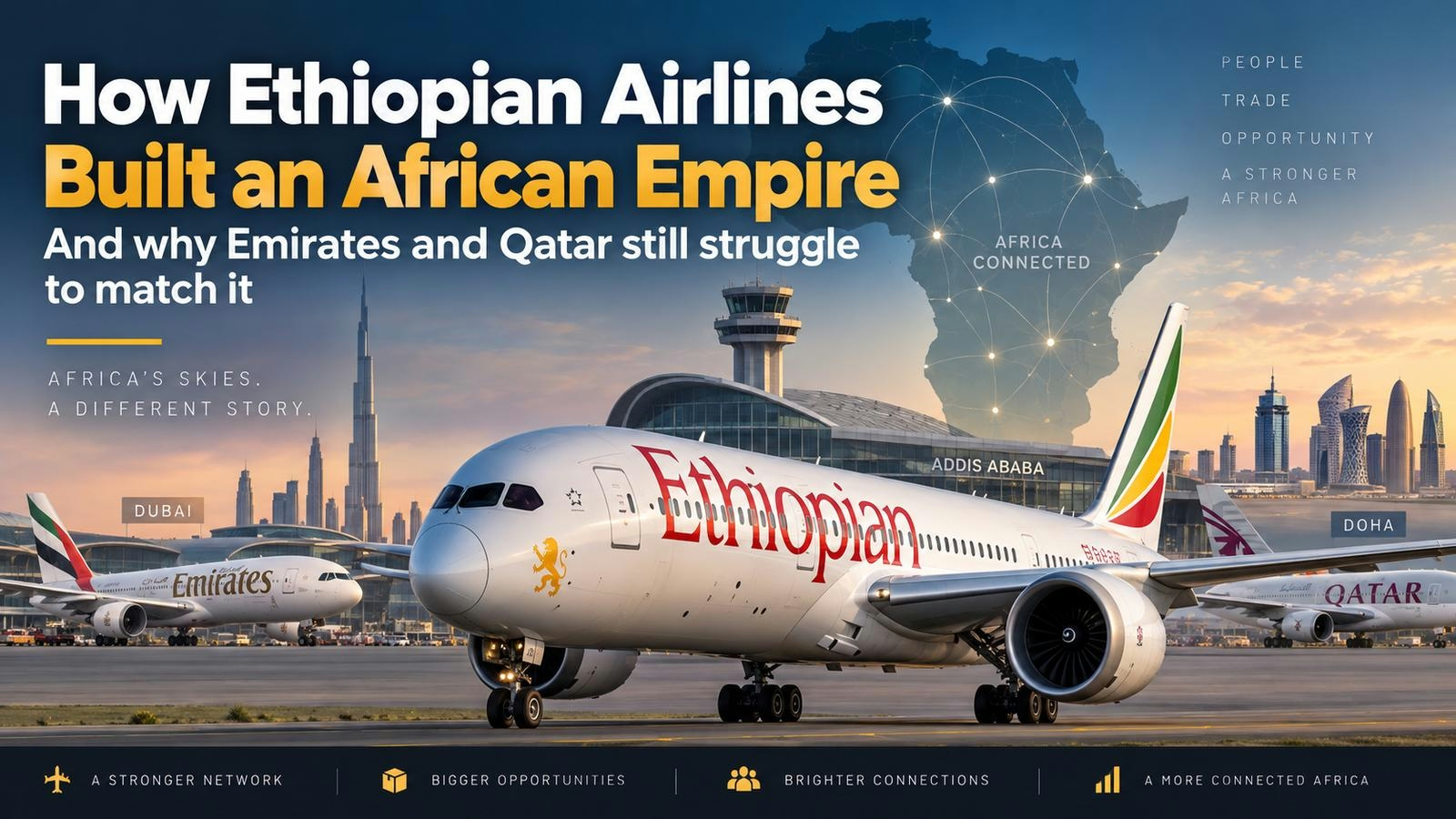
How Ethiopian Airlines Became Africa’s Leading Carrier Amid Gulf Competition

Joby Aviation Extends Autonomous Flight Capabilities with Cross-Country Tour
