
Orquesta conocimientos de IA para convertirlos en acción

Tendencias
Categories
How AI Is Changing Airfare Pricing
How AI Is Changing Airfare Pricing
The integration of artificial intelligence into airfare pricing is transforming the travel industry, prompting both intrigue and concern among travelers and sector experts. As airlines increasingly adopt AI technologies, questions about transparency, fairness, and regulatory oversight have come to the forefront.
AI Adoption and Industry Response
Last summer, Delta Air Lines revealed that it was employing AI to determine approximately 3% of its domestic airfares, with ambitions to increase this figure to 20% by the end of 2025. This disclosure ignited immediate criticism, with detractors accusing the airline of exploiting AI to justify price hikes and engage in what some described as corporate greed. In response, lawmakers introduced legislation aimed at banning “surveillance pricing,” reflecting broader unease about the use of AI in fare setting. Since then, the public debate has subsided somewhat, as Delta and other carriers have adopted a more discreet approach to their AI initiatives. Nonetheless, the technology remains a significant and expanding factor in airfare pricing strategies across the industry.
The Role of AI and Personal Data in Fare Setting
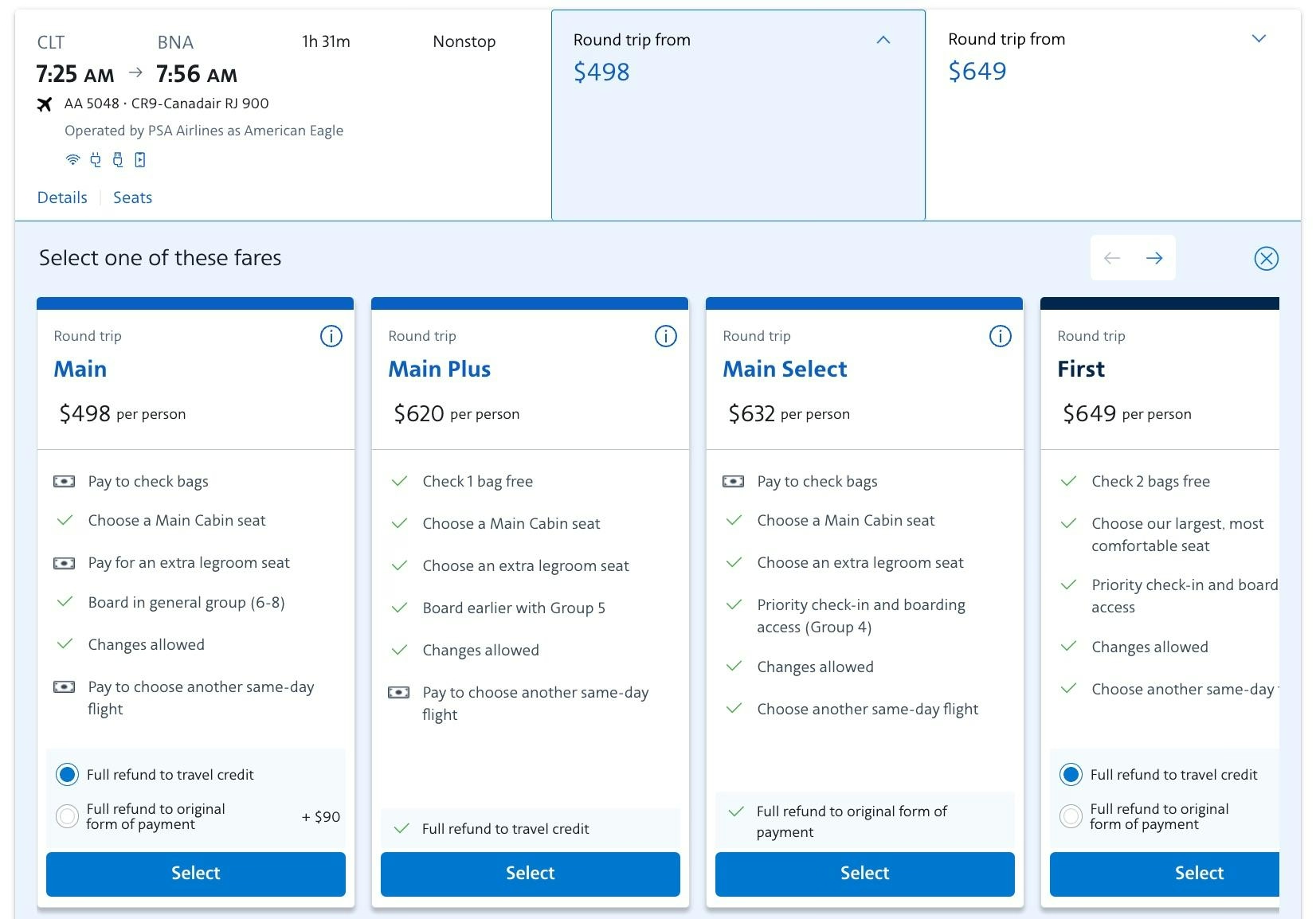
Contrary to popular belief, airlines are not currently using personal data such as search histories or previous purchases to tailor individual ticket prices. The widespread notion that clearing cookies, browsing incognito, or employing VPNs can secure better fares is unfounded. Instead, airfare pricing continues to be governed by a complex, long-established system involving multiple fare classes per flight, each with distinct price points. Airlines rely on a combination of human analysts and increasingly sophisticated algorithms to adjust these fares dynamically, aiming to optimize revenue and maximize seat occupancy. Price fluctuations of $50 or more are common, but these changes stem from this intricate pricing mechanism rather than targeted surveillance of individual consumers.
Delta has characterized AI as a “super analyst” that automates and accelerates fare adjustments, a process that previously demanded thousands of hours of manual labor. Other key players in the industry, including technology providers such as Sabre and Amadeus, are also investing heavily in AI-driven pricing tools. However, the financial outcomes of these investments remain largely undisclosed, leaving the full impact of AI on airline profitability somewhat opaque.
Industry Challenges: Volatility, Regulation, and Recovery
The growing reliance on AI in airfare pricing introduces new complexities for the airline industry. Regulatory scrutiny is intensifying, with AI emerging as a focal point for oversight and potential intervention. This heightened attention could precipitate a market correction as airlines and investors reassess the long-term revenue implications of AI-based pricing models.
Simultaneously, market dynamics are evolving. Airlines are shifting away from aggressive pricing strategies aimed at capturing market share, instead prioritizing cost recovery amid recent surges in fuel prices. This strategic pivot has contributed to increased volatility in airfare, a development that has raised concerns among business travelers and corporate travel managers who seek predictability in travel expenses.
The industry remains in the midst of a two-year recovery phase, striving to stabilize costs and adapt to new pricing frameworks. While AI offers the promise of enhanced efficiency and responsiveness, it also brings challenges related to unpredictability and regulatory risk, complicating the path forward.
Outlook for Travelers
For the foreseeable future, travelers should anticipate continued unpredictability in airfare pricing, driven by a combination of traditional algorithms and emerging AI technologies. Although AI is not yet employed to personalize fares based on individual consumer data, its expanding role is reshaping the mechanisms by which prices are determined and the amounts passengers ultimately pay. As airlines, regulators, and technology providers navigate this evolving landscape, the future of airfare pricing is poised to remain dynamic and uncertain.
Comments

Etihad Airways Suspends Airbus A380 Flights on Key Route

Aditya Birla Group Seeks Approval for Aircraft Leasing in GIFT City

Qatar Airways Highlights Innovation and Connectivity at Arabian Travel Market 2026

Hong Kong's Five-Year Plan Includes Andrew Fan's Aircraft Parts Processing Hub Proposal

ACIA Aero Leasing Delivers ATR72-600 to Air Nostrum

RTX Appoints Jill Albertelli as Head of Pratt & Whitney

TAT Technologies Joins Beyond Aero Hydrogen Aircraft Program

AURAK Study Highlights Barriers to Air Taxi Adoption in Emerging Economies

Xiamen Air Selects Altitude for 787 Maintenance at Heathrow

Etihad and Swissport Extend Global Partnership
