
Orquesta conocimientos de IA para convertirlos en acción

Tendencias
Categories
How AI Quietly Became the Backbone of Today’s Aviation Industry
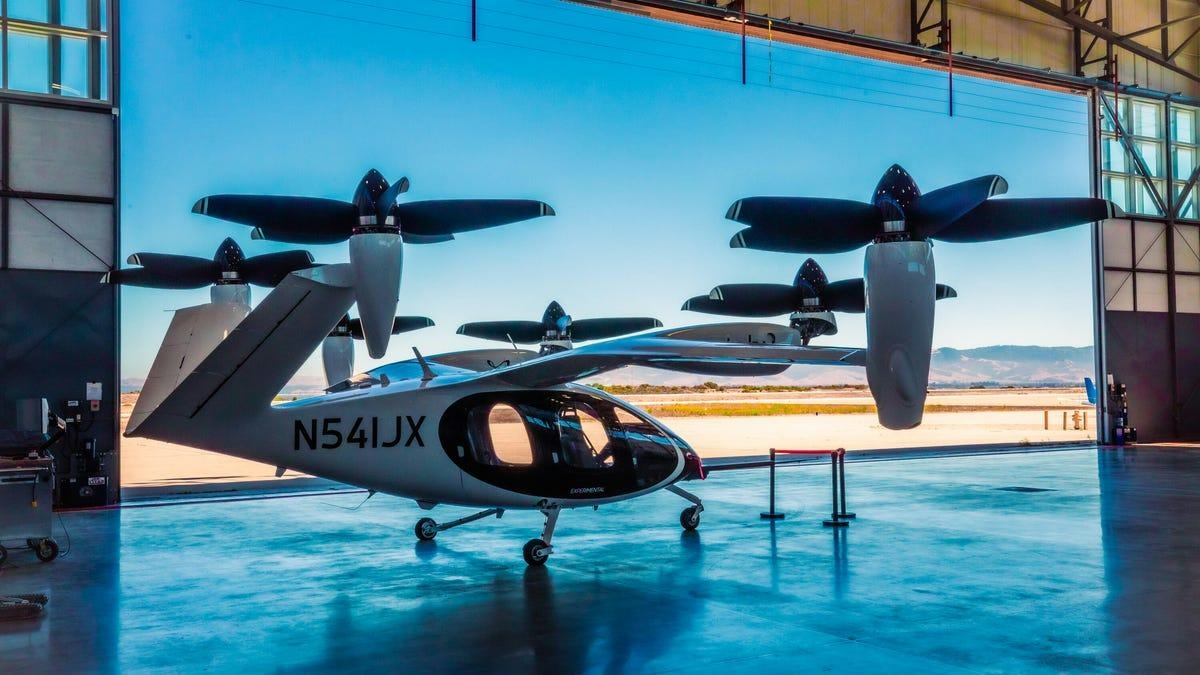
How AI Quietly Became the Backbone of Today’s Aviation Industry
Every traveler is familiar with the frustration of hearing, “The flight has been delayed due to mechanical issues.” While such announcements remain common across airports worldwide, artificial intelligence (AI) is increasingly operating behind the scenes to mitigate these disruptions. From predictive maintenance to dynamic pricing, AI has become an indispensable yet often invisible foundation of modern aviation.
Transforming Maintenance and Operations
A prominent example of AI’s impact is Delta Airlines’ Advanced Predictive Engine (APEX) system, which continuously monitors engine health in real time and optimizes maintenance schedules. According to Airways Magazine, APEX contributed to a remarkable reduction in maintenance-related cancellations at Delta, dropping from 5,600 annually in 2010 to just 55 by 2018. This significant improvement underscores how AI-driven predictive maintenance is effectively minimizing delays and cancellations, directly benefiting passengers.
Beyond aircraft upkeep, AI is being integrated across various operational domains to reduce costs, increase revenue, and enhance safety. Machine learning algorithms now monitor engine and component health, enabling maintenance to be scheduled only when necessary, thereby reducing unnecessary downtime. In ground operations, AI manages passenger flow and optimizes aircraft turnaround times. Digital twin models simulate real-time airport ramp activities, including baggage handling, refueling, and cleaning, improving overall efficiency.
AI also plays a critical role in route optimization by dynamically adjusting flight paths in response to weather conditions and air traffic, resulting in fuel and time savings. In revenue management, AI systems analyze millions of pricing scenarios within milliseconds, taking into account factors such as holidays, competitor fares, and real-time demand to maximize airline revenue. Additionally, AI-powered assistants and chatbots handle passenger inquiries, reducing reliance on physical help desks and alleviating the workload on ground staff.
Challenges and Strategic Considerations
Despite these advances, the rapid adoption of AI in aviation presents challenges. Recent volatility in technology stocks, including those of major aerospace companies, reflects growing market skepticism regarding the sustainability of substantial AI investments. Both investors and industry leaders are scrutinizing whether the high costs associated with AI integration yield sufficient corporate benefits.
Airlines are increasingly emphasizing the importance of maintaining human oversight in AI-driven processes. Ensuring that AI serves to augment rather than replace human expertise is viewed as essential for maximizing productivity and avoiding the risks associated with improper implementation.
In response, competitors within the aviation sector are adopting a measured approach to AI deployment. Many are carefully assessing the return on investment and aligning AI initiatives with broader business strategies to secure long-term viability and sustain a competitive advantage.
As AI technology continues to evolve, its role in aviation is expected to expand further. The industry faces the ongoing challenge of balancing innovation with prudent investment and thoughtful integration, aiming to ensure that AI remains a dependable backbone rather than a costly experiment in the future of air travel.

Etihad and Swissport Extend Global Partnership
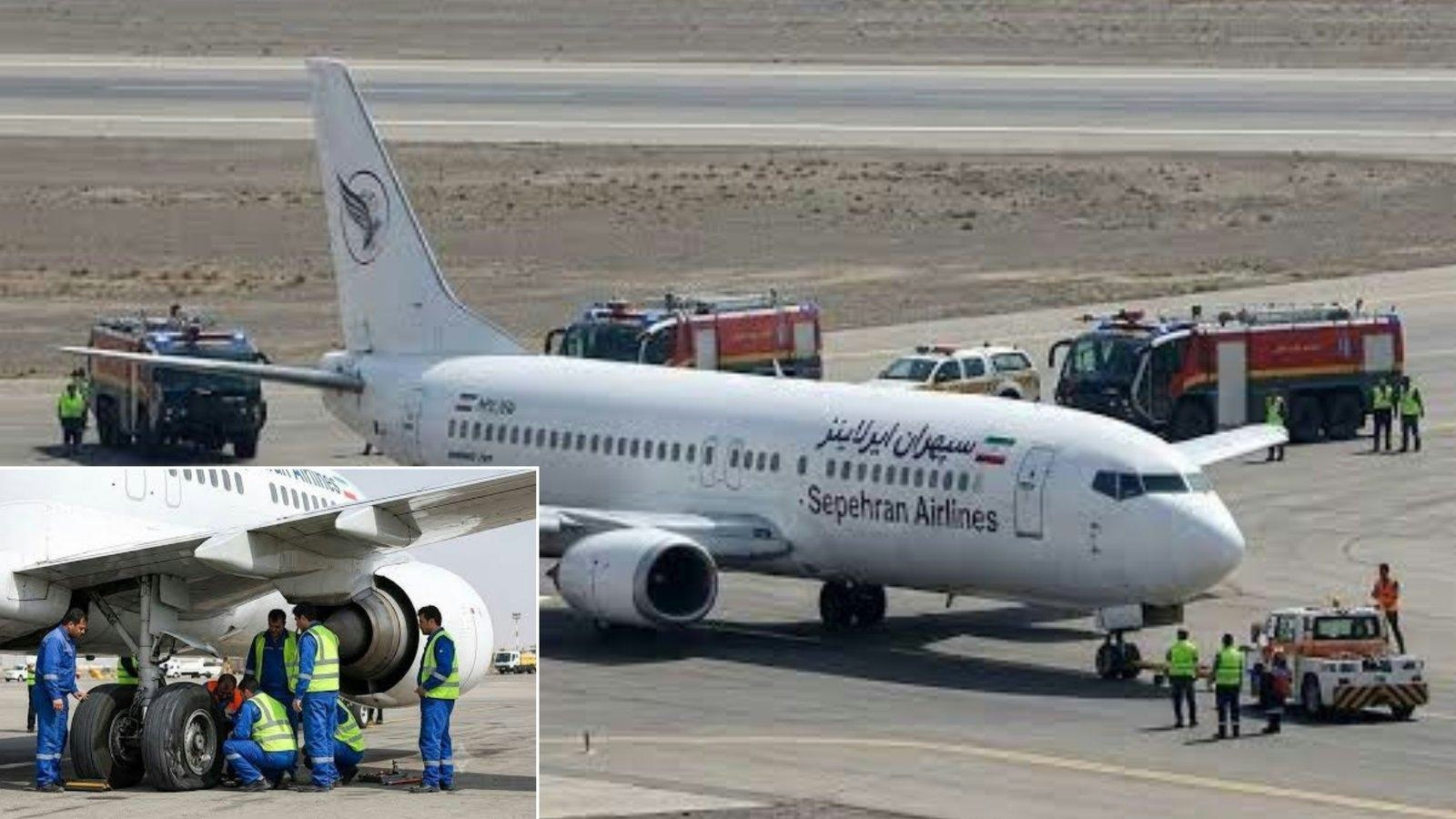
Sepehran Airlines B737 Returns to Mashhad After Tyre and Engine Issues

Etihad Deploys Widebody Fleet to Meet Strong Demand
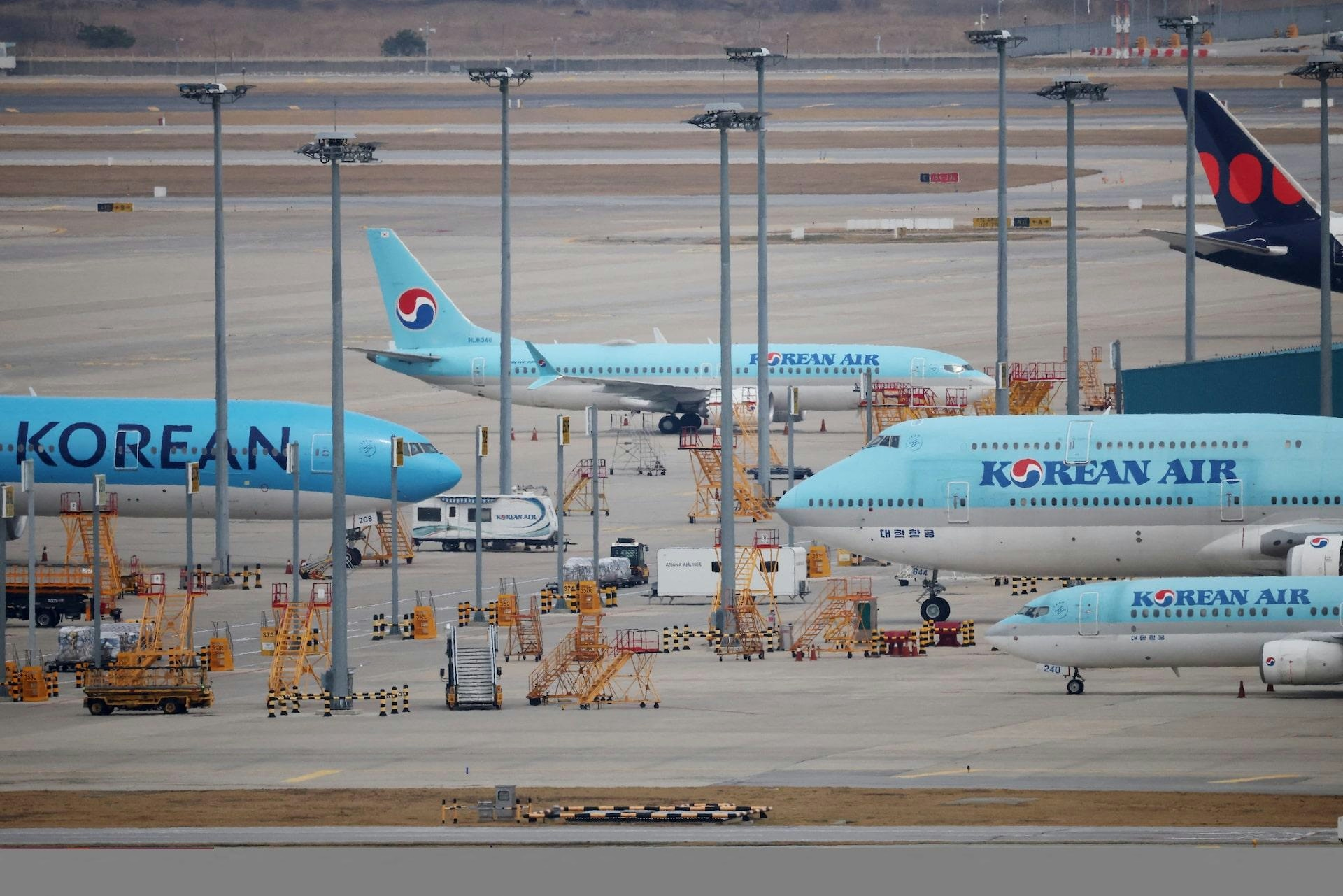
Korean Air Finalizes $36.2 Billion Deal with Boeing

Australia’s RFDS Queensland Section Orders Six King Air 260Cs

Korean Air Finalizes Order for 103 Boeing Jets and Engines
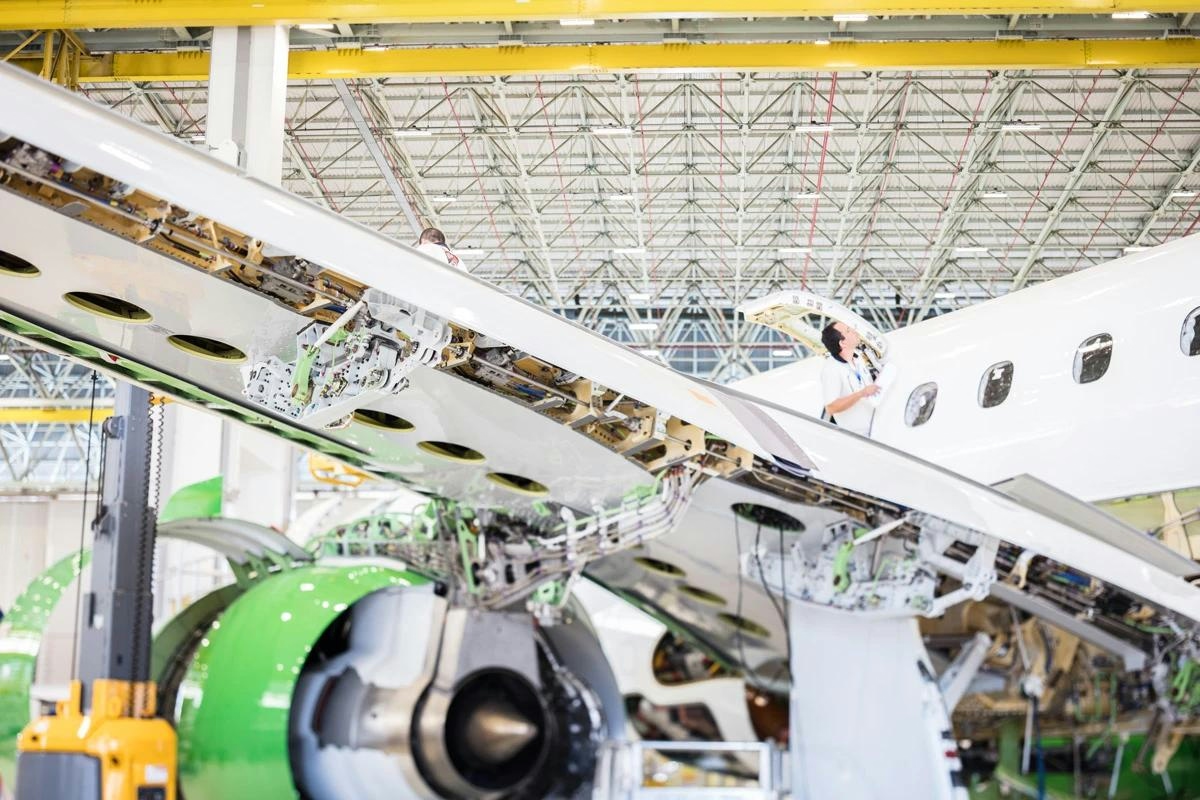
Embraer E195-E2 Features Distinctive Engine Placement Among Regional Jets
What Passengers Can Expect on Boeing’s New 777X Jet

How Ethiopian Airlines Became Africa’s Leading Carrier Amid Gulf Competition
Joby Aviation Extends Autonomous Flight Capabilities with Cross-Country Tour
