
Orquesta conocimientos de IA para convertirlos en acción

Tendencias
Categories
India Leases Two Additional MQ-9B SeaGuardian Drones
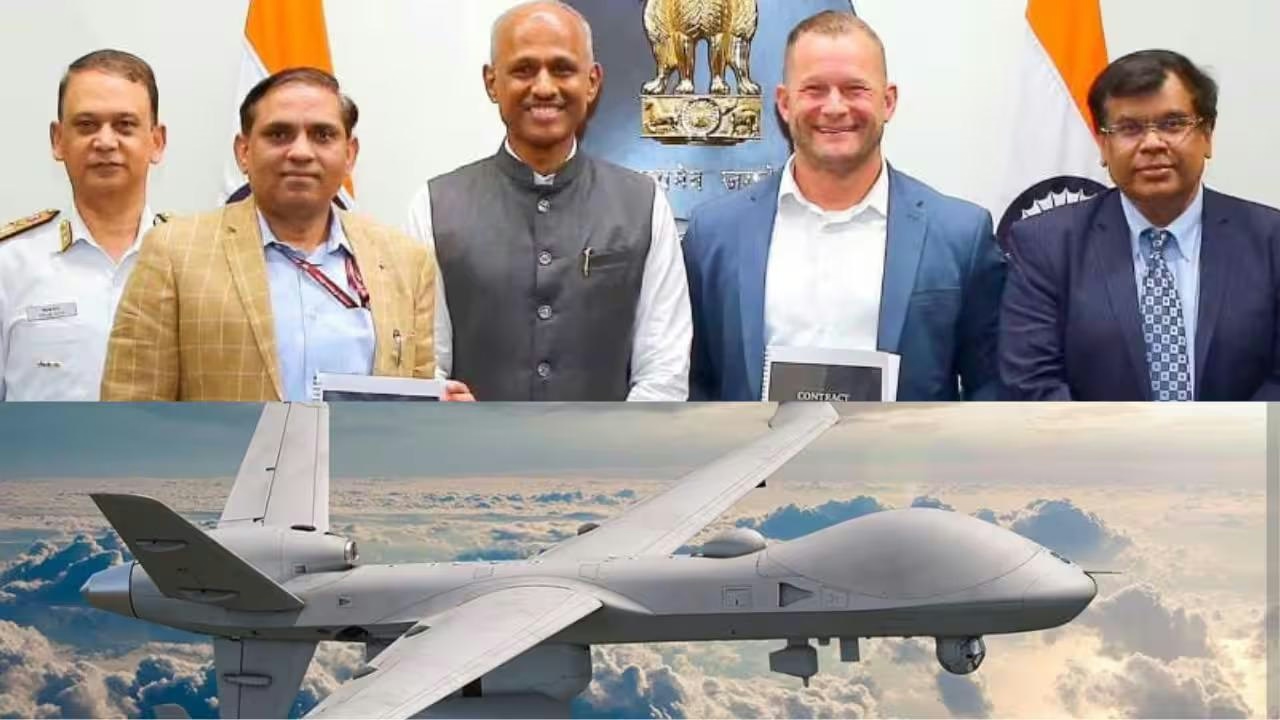
India Expands Maritime Surveillance with Additional MQ-9B SeaGuardian Drones
On August 17, 2026, India took a significant step in bolstering its maritime surveillance capabilities by signing a contract in New Delhi to lease two additional MQ-9B SeaGuardian drones from General Atomics Aeronautical Systems (GA-ASI). Valued at approximately Rs 1,943 crore (around US$200 million), this agreement will double the Indian Navy’s leased SeaGuardian fleet from two to four over the next 30 months. This expansion is a strategic move to enhance monitoring of one of the world’s most contested and vital oceanic regions.
Advanced Capabilities and Strategic Importance
The MQ-9B SeaGuardian is a maritime variant of the SkyGuardian drone, itself an advanced iteration of the Predator B and Reaper platforms that have become synonymous with modern aerial surveillance. Unlike the Reaper, which is primarily designed for land-based strike missions, the SeaGuardian is optimized for persistent maritime domain awareness. It boasts an endurance of up to 40 hours in flight and is equipped with Leonardo’s SeaSpray radar, an automatic identification system for vessel tracking, and a sonobuoy kit for anti-submarine warfare. Operating from bases in Tamil Nadu, these drones can surveil shipping lanes thousands of kilometers away, providing India with continuous and comprehensive maritime intelligence.
This leasing arrangement serves as an interim solution until the delivery of a much larger order of 31 MQ-9B drones, signed in October 2024 for just under US$4 billion, begins around 2029. The future fleet will be distributed among the Indian armed services, with 15 SeaGuardians allocated to the Navy and eight SkyGuardians each to the Army and Air Force.
Integration Challenges and Industry Implications
While the fleet expansion significantly enhances India’s maritime surveillance capabilities, it also introduces operational challenges. Integrating the leased MQ-9Bs into existing military infrastructure will require meticulous planning, particularly in training Indian personnel and managing the complex logistics associated with drone operations. The contractor-owned, contractor-operated (COCO) model means that while Indian crews will operate the drones, GA-ASI will be responsible for maintenance, necessitating seamless coordination to ensure operational readiness.
This development is also influencing India’s broader defense sector. The growing reliance on sophisticated unmanned aerial systems is stimulating interest in domestic procurement and indigenous manufacturing. A burgeoning ecosystem of startups and defense contracts is emerging within India’s drone industry, intensifying competition among global manufacturers eager to supply advanced technology. This trend aligns with India’s ambition to become a future hub for indigenous drone production.
By doubling its leased SeaGuardian fleet, India is not only enhancing its maritime surveillance capabilities but also signaling a strategic shift in defense priorities, technological advancement, and regional security posture in the Indian Ocean.

Etihad and Swissport Extend Global Partnership
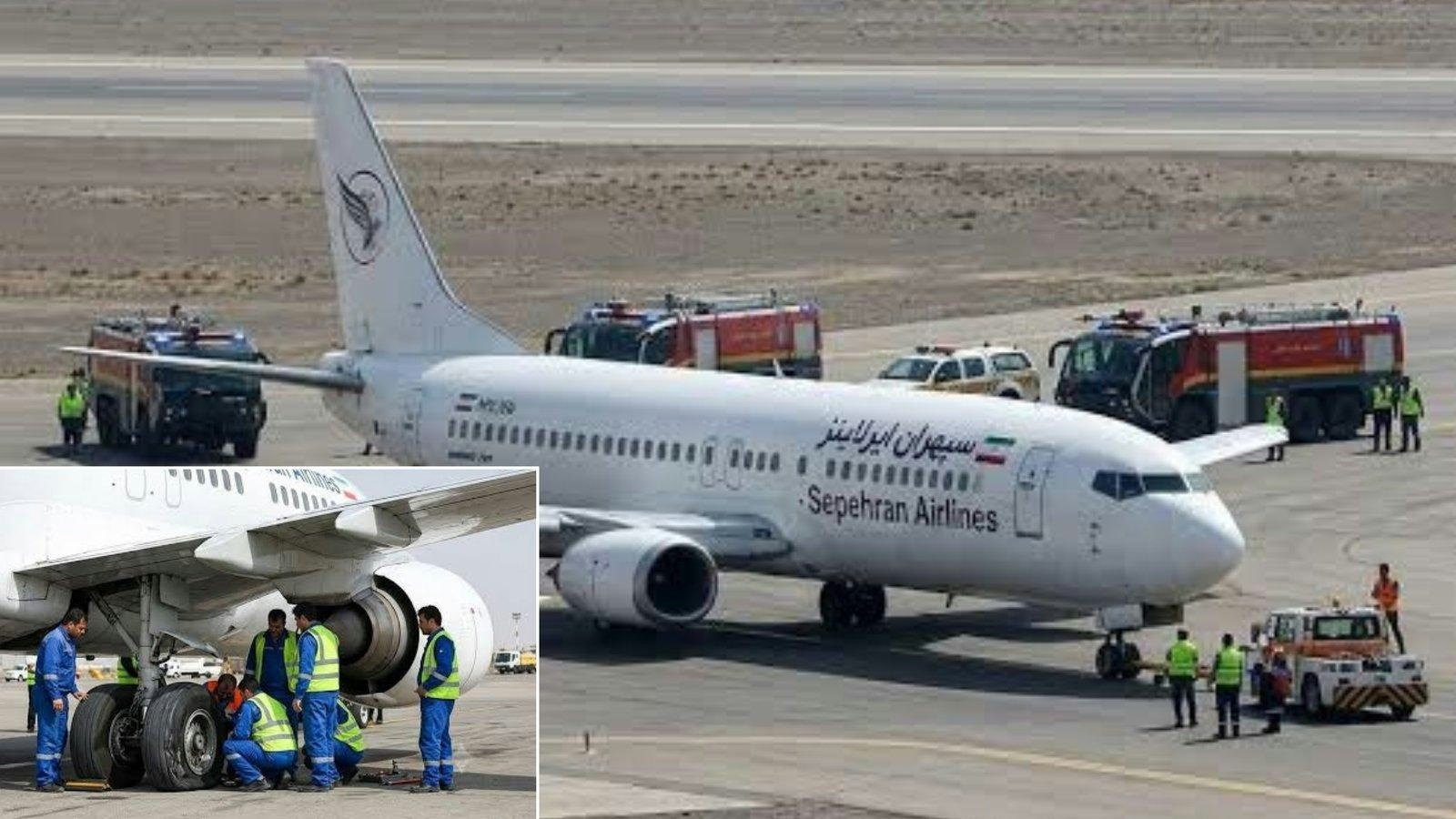
Sepehran Airlines B737 Returns to Mashhad After Tyre and Engine Issues

Etihad Deploys Widebody Fleet to Meet Strong Demand
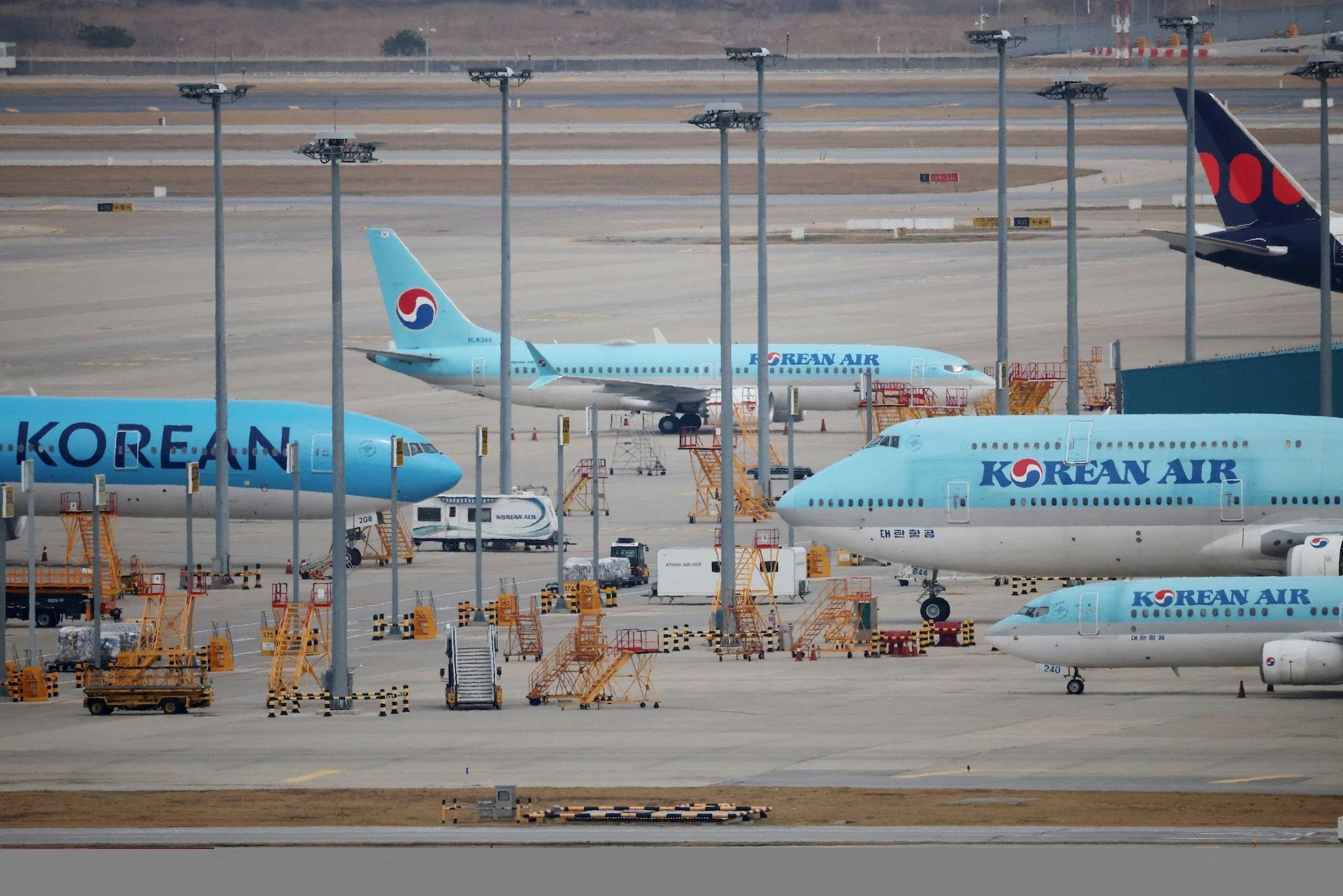
Korean Air Finalizes $36.2 Billion Deal with Boeing

Australia’s RFDS Queensland Section Orders Six King Air 260Cs

Korean Air Finalizes Order for 103 Boeing Jets and Engines

Embraer E195-E2 Features Distinctive Engine Placement Among Regional Jets

What Passengers Can Expect on Boeing’s New 777X Jet

How Ethiopian Airlines Became Africa’s Leading Carrier Amid Gulf Competition

Joby Aviation Extends Autonomous Flight Capabilities with Cross-Country Tour
