
Orquesta conocimientos de IA para convertirlos en acción

Tendencias
Categories
Korean Air Adopts IBS Software’s iFlight Platform for Flight Operations and Crew Management
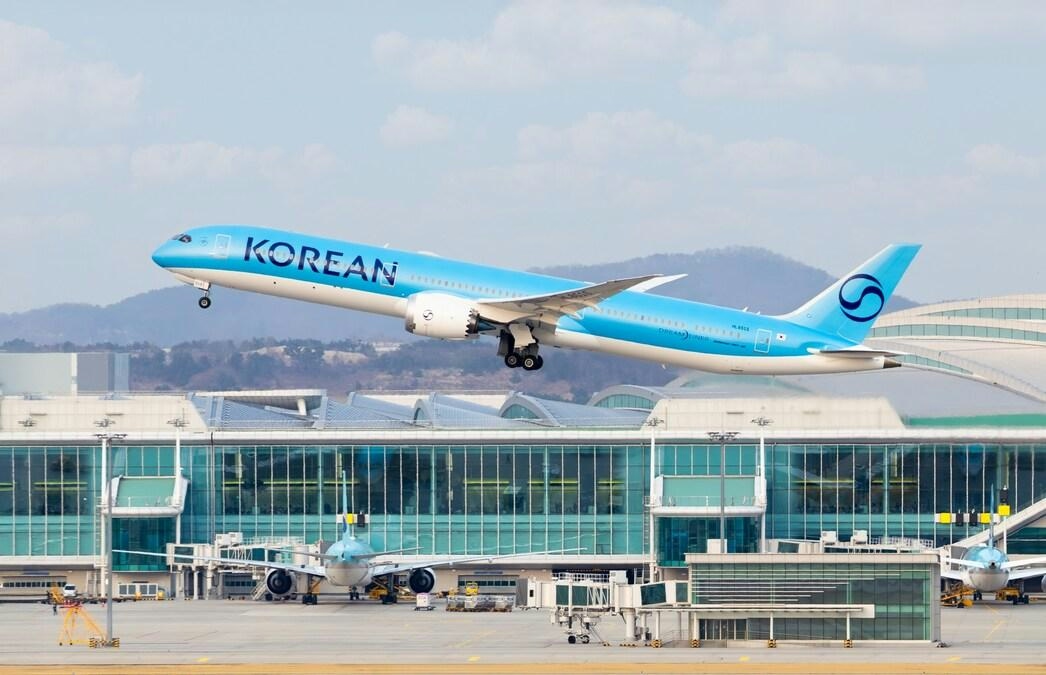
Korean Air Implements IBS Software’s iFlight Platform to Enhance Flight Operations and Crew Management
Seoul, South Korea — Korean Air has successfully completed the deployment of IBS Software’s iFlight platform, a cloud-native, AI-driven solution designed to integrate and optimize flight operations alongside crew management. This strategic initiative represents a significant milestone in the airline’s digital transformation journey, aimed at enhancing operational resilience, improving crew productivity, and enabling more data-driven decision-making processes.
A Unified Platform for Operational Efficiency
After a thorough evaluation process, Korean Air selected the iFlight platform for its comprehensive capabilities to centralize operations control, crew planning, crew tracking, and training within a single system. The implementation followed a phased approach, beginning with Operations Control, then progressing to Crew Tracking and Crew Planning. This method was intended to minimize disruptions to daily operations and facilitate a smooth transition. Nevertheless, the airline acknowledged the inherent challenges involved in integrating new technology with legacy systems and managing the adaptation process among crew members.
The timing of this adoption is particularly significant as Korean Air prepares for its forthcoming integration with Asiana Airlines. The scalability of the iFlight platform will be critical in supporting an expanded fleet, a larger workforce, and increasingly complex route networks. By consolidating data and leveraging advanced analytics and artificial intelligence, Korean Air anticipates achieving sustained operational efficiencies and cost reductions over the long term.
Industry Impact and Strategic Collaboration
Industry analysts have noted that initial skepticism from stakeholders regarding the platform’s effectiveness is to be expected. However, a successful implementation could establish a new benchmark for operational efficiency within the region. This development may prompt competitors to accelerate their own digital transformation efforts or adopt similar technologies to maintain competitive parity.
Ryo Funakoshi, Senior Vice President and Head of East Asia at IBS Software, highlighted the significance of the deployment: “This is the first full-scope deployment of iFlight for a global full-service carrier, covering pilots, cabin crew, and aircraft management. It demonstrates the scalability, reliability, and innovation our customers expect as they build the airlines of the future.”
Kenny Chang, Executive Vice President and Chief Marketing Officer at Korean Air, emphasized the collaborative nature of the project, stating, “By migrating to the iFlight cloud-native platform, we have unified our operations with agility that matches the scale and complexity of our global network. This transformation streamlines our internal processes, empowers our crew, and directly supports our mission to provide a seamless travel experience for our passengers.”
The deployment not only underscores IBS Software’s commitment to delivering integrated, intelligent platforms for the aviation sector but also marks a key milestone in the expansion of the iFlight platform’s market presence.
About Korean Air
With a history spanning more than 55 years, Korean Air ranks among the world’s top 20 airlines, transporting over 25 million passengers in 2025. Operating from its global hub at Incheon International Airport, the airline serves 116 cities across 39 countries with a fleet of 165 aircraft and a workforce exceeding 20,000 employees. Renowned for its safety standards, service quality, and innovation, Korean Air holds a 5-star Skytrax rating and has received numerous industry accolades. As a founding member of the SkyTeam alliance, the airline continues to expand its global footprint and operational capabilities.
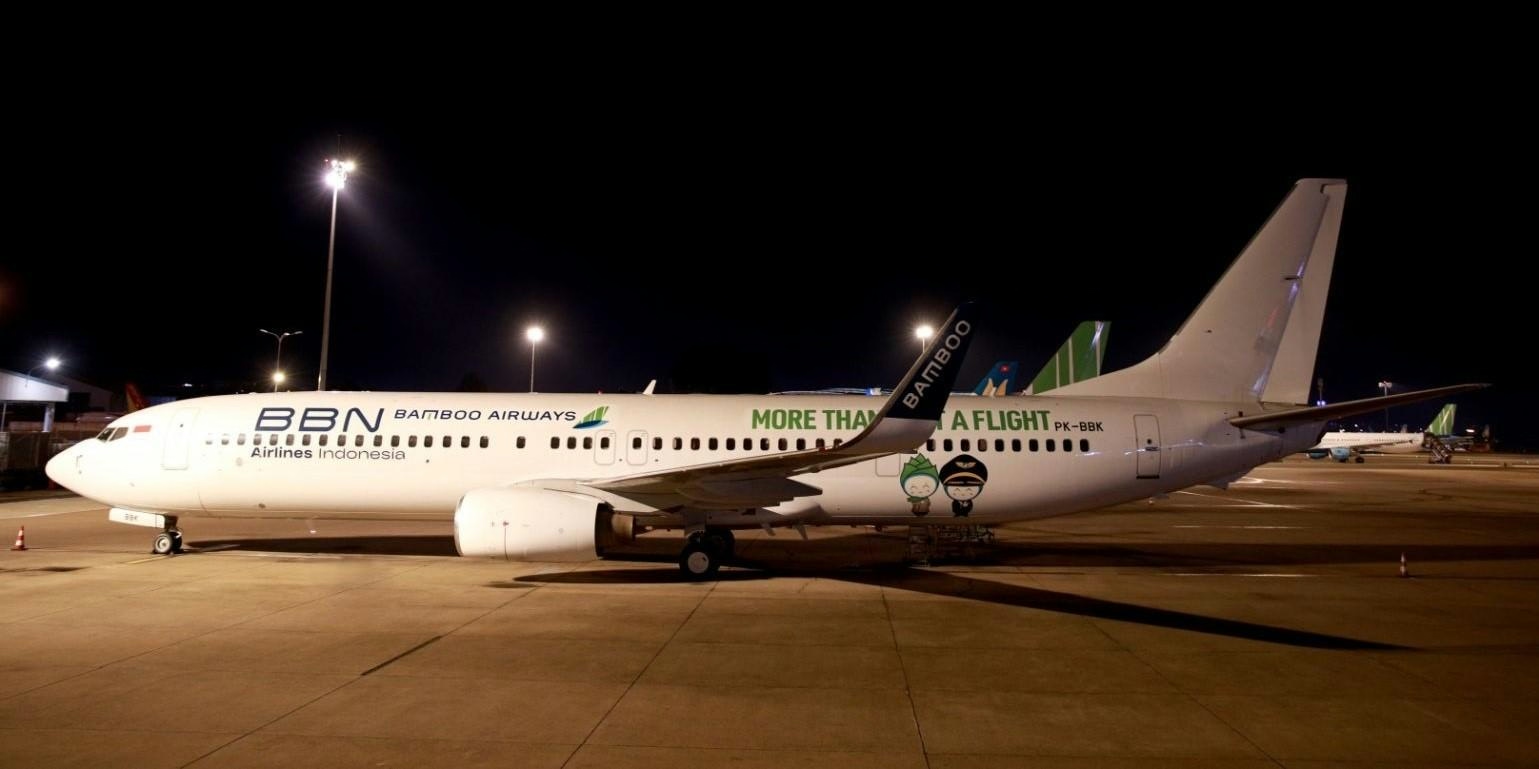
BBN Airlines Becomes IATA Member
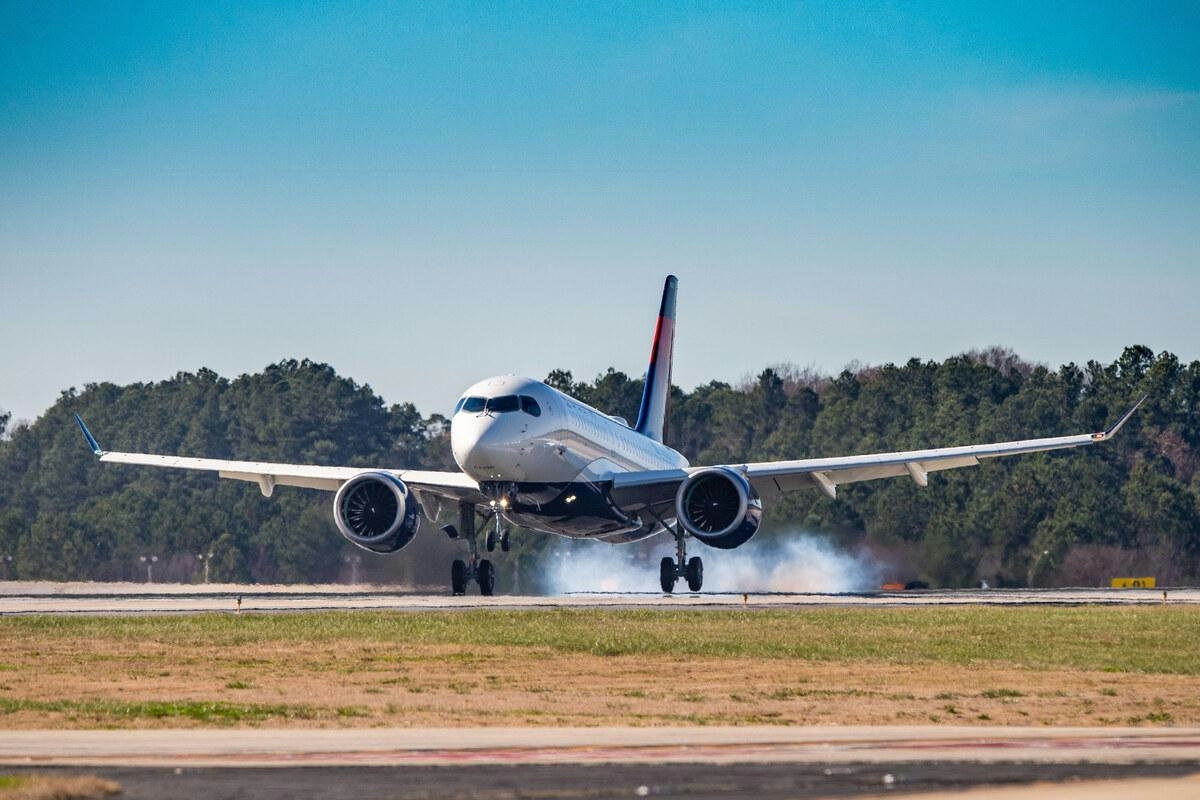
FAA Orders Breeze Airways and Delta to Inspect Airbus A220 Fuel Hoses

Philippine Aviation Navigates Expansion and Costs Amid Fuel Price Volatility
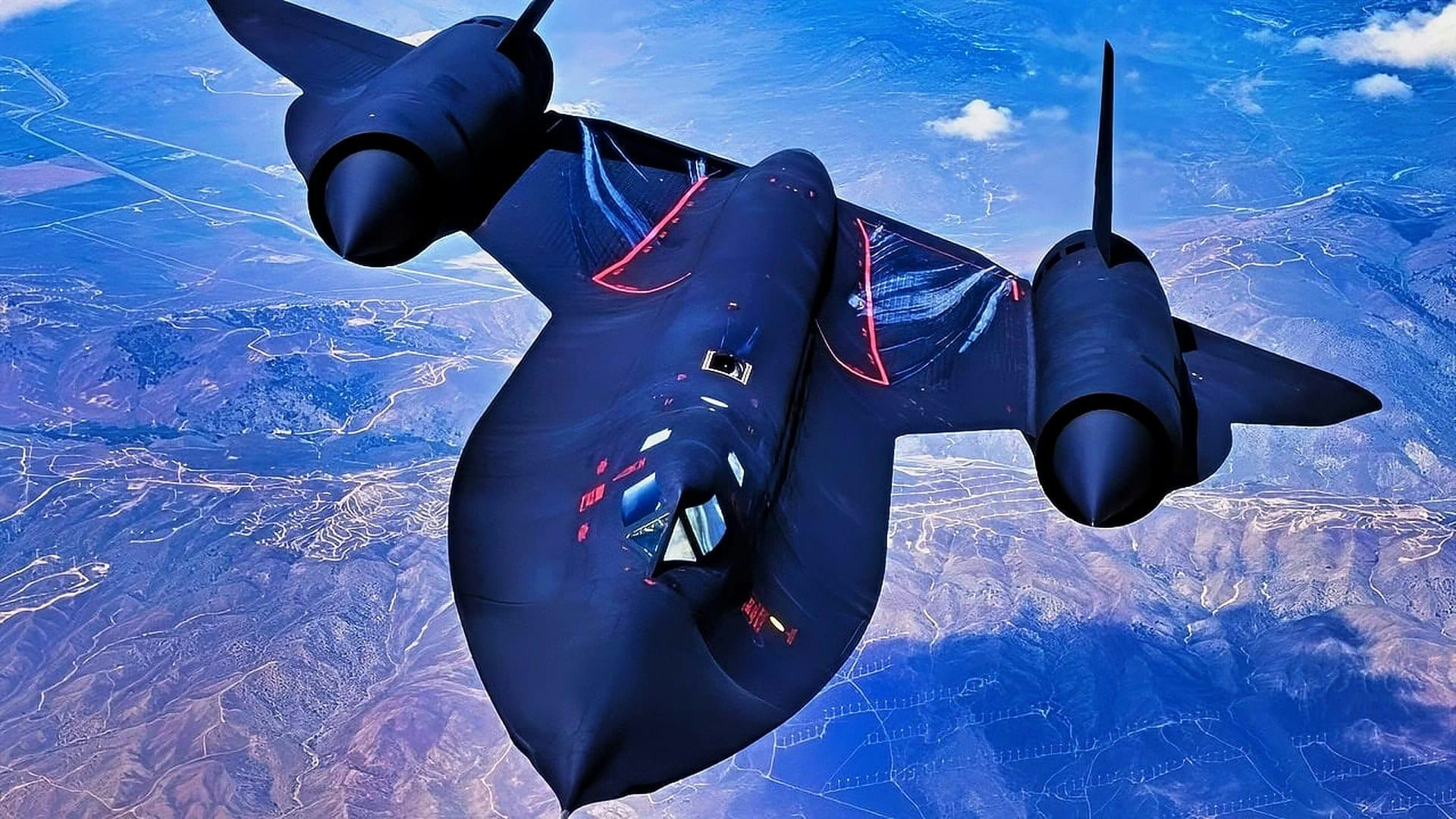
On April 26, 1971, an SR-71 Blackbird Flew Over 15,000 Miles in 10.5 Hours, Limited by Liquid Nitrogen Supply
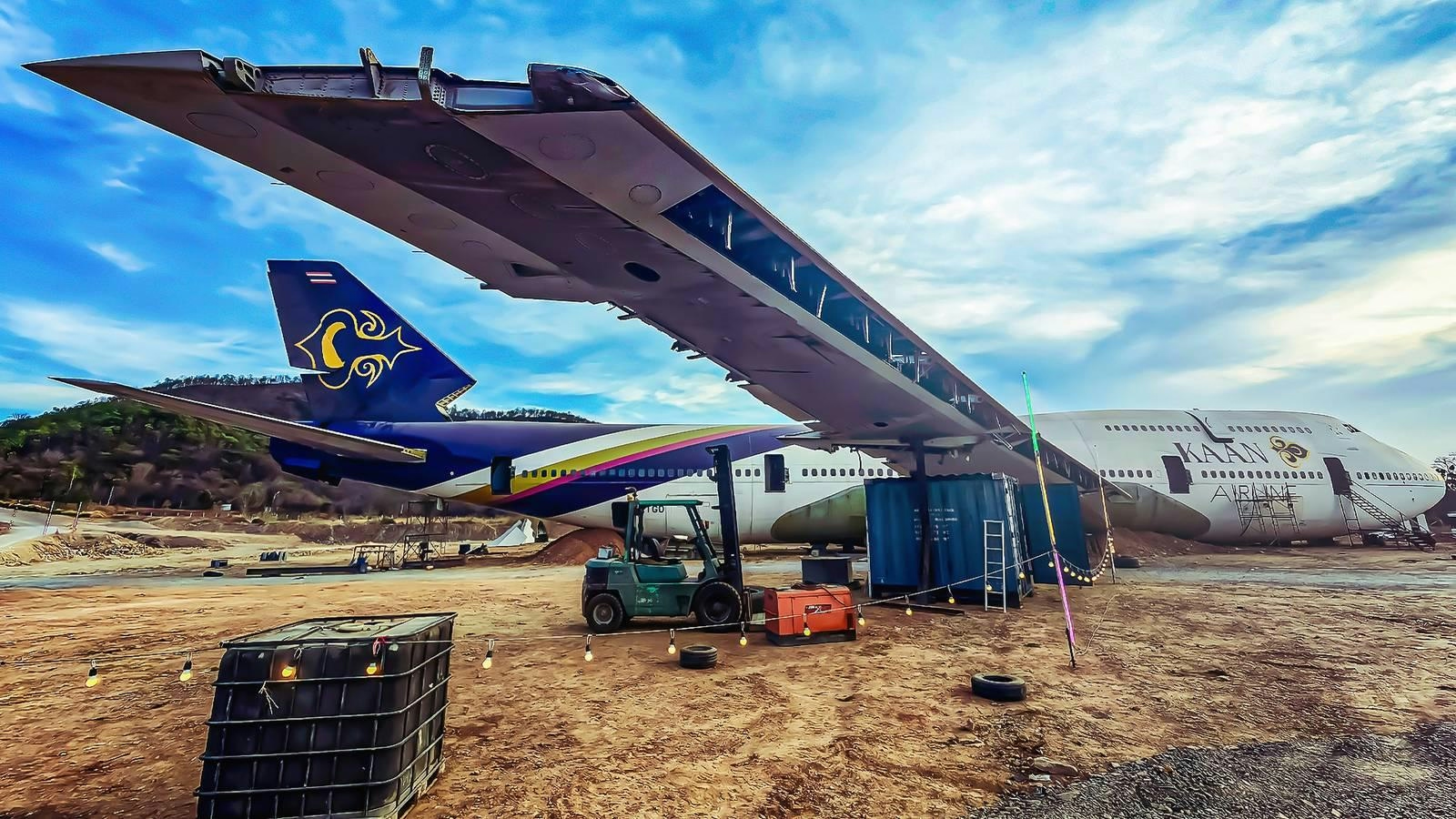
Boeing 747 Airframe Valued Less Than One Landing Gear Component
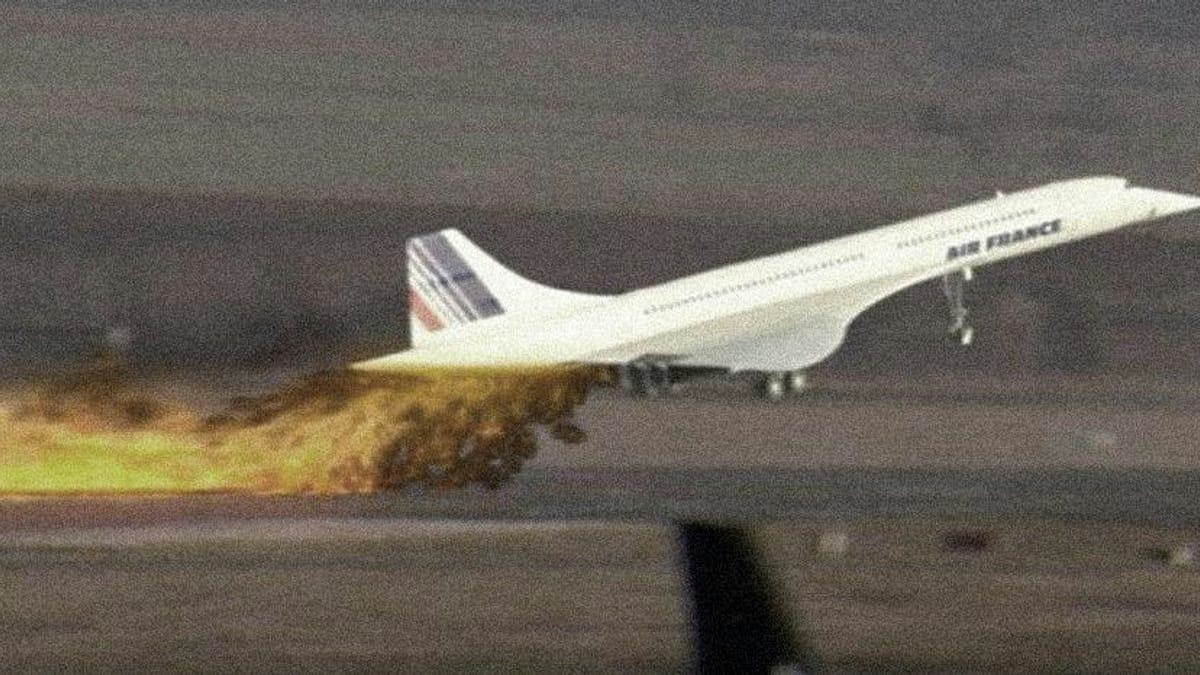
The Rear-Fan Engine Behind the Crash of the World's Fastest Airliner

Morphing Aircraft Skin Improves Safety and Fuel Efficiency

BRICS Nations Commit to Enhanced Cooperation on Sustainable Transport and Green Aviation
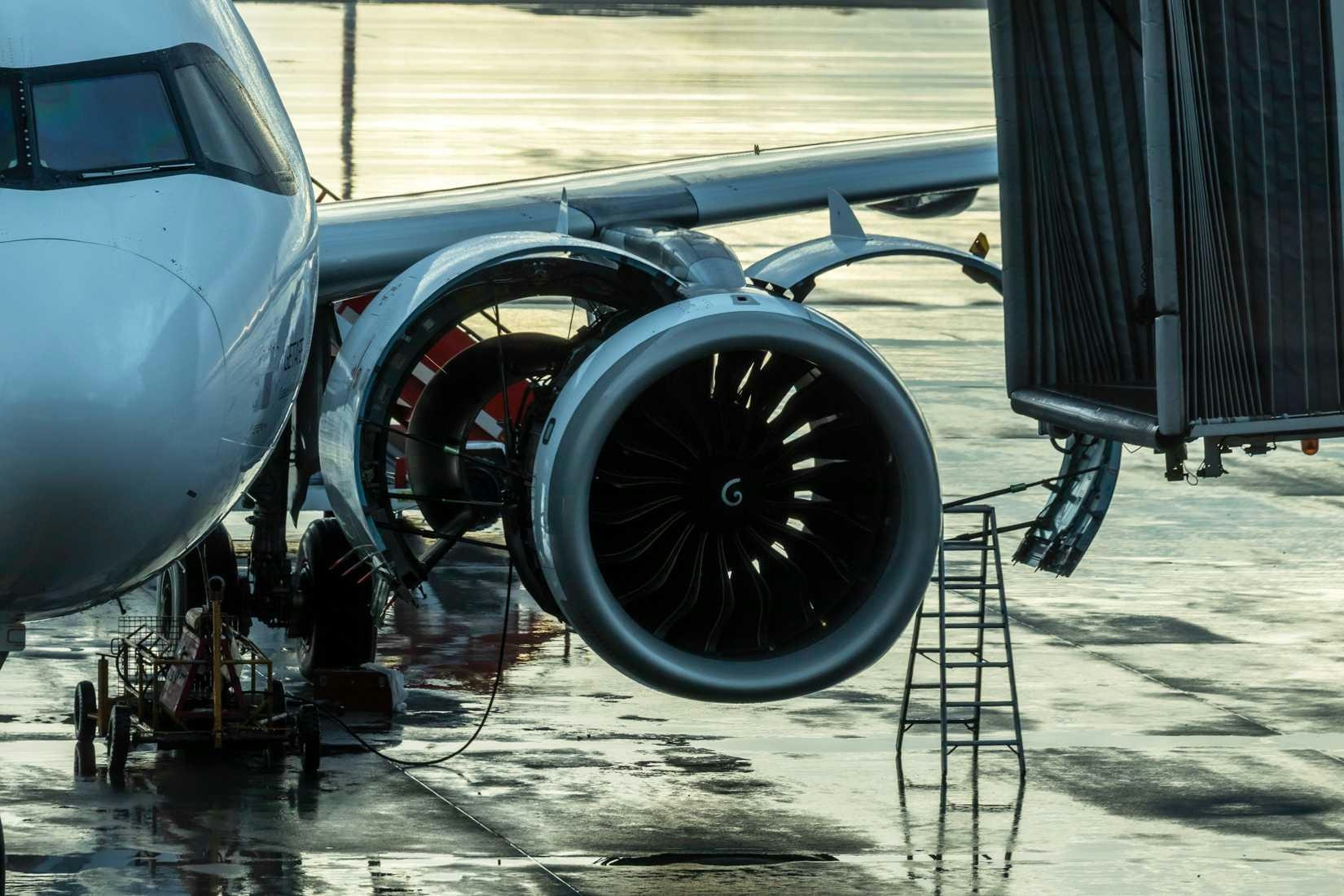
CFM Turbine Upgrade Doubles LEAP Engine Service Life in Harsh Conditions
CFM Upgrade Doubles LEAP Engine Lifespan in Harsh Climates
