
Orquesta conocimientos de IA para convertirlos en acción

Tendencias
Categories
Live coverage: SpaceX ready for 2nd attempt to launch Starship Flight 13 following post-abort engine work
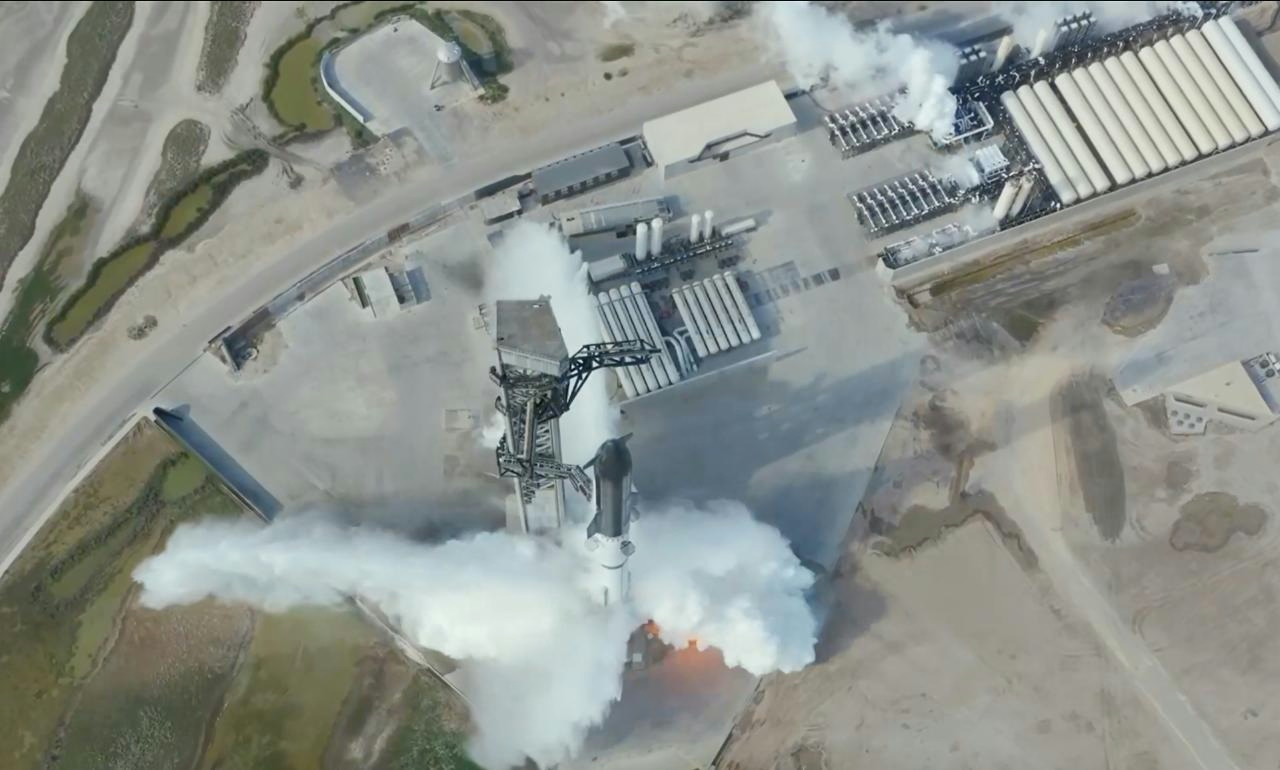
SpaceX Prepares for Second Launch Attempt of Starship Flight 13 After Engine Repairs
Launch Postponed Due to Weather, Rescheduled for July 24
SpaceX has postponed its second attempt to launch the Starship-Super Heavy rocket from southern Texas, citing adverse weather conditions linked to Tropical Storm Bertha. The new launch window is scheduled to open on Friday, July 24, at 5:45 p.m. CDT (6:45 p.m. EDT / 2245 UTC), with a 90-minute window for liftoff. This follows a week of intensive work replacing and testing multiple Raptor engines on the Super Heavy booster after a post-ignition abort during the previous launch attempt on July 16.
Engine Issues and Recovery Operations
During the aborted launch on July 16, telemetry data indicated that four engines failed to ignite. In response, SpaceX undertook a rapid recovery operation in the early hours of July 17, de-stacking Ship 40 (S40) from Booster 20 (B20) and transporting both components back to the Starbase production site for inspection and repairs. Founder Elon Musk confirmed that at least two Raptor engines required removal following the hard engine stop.
After a week of maintenance and testing, Booster 20 was returned to Pad 2 on July 21. The following day, the vehicle was loaded with liquid oxygen and liquid methane before being drained again as part of preflight procedures. SpaceX announced on social media that additional preflight testing on the Super Heavy booster had been completed and preparations were underway for a launch as early as July 23, though weather remained a significant concern. Ship 40 was returned to the pad on July 22 and re-stacked atop Booster 20 that evening.
Mission Objectives and Technical Challenges
The 13th test flight of Starship aims to deploy 20 Starlink V3 satellites from Ship 40. Unlike previous flights that released Starlink simulators, this mission will mark the first deployment of production satellites. According to SpaceX, these satellites will extend solar arrays and antennas and attempt to connect with the broader Starlink constellation via high-capacity laser links. The satellites will follow the same suborbital trajectory as Starship and are expected to burn up upon reentry approximately 20 minutes after deployment.
In addition to satellite deployment, SpaceX plans to conduct a Raptor engine relight following the roughly 11-minute deployment sequence. The company hopes that the recent engine work, combined with a revised startup sequence on the Ship upper stage, will enable a successful boostback burn on Booster 20, allowing for a controlled splashdown in the Gulf of Mexico.
During the previous Starship Flight 12 in May, SpaceX encountered a critical issue when the engine startup sequence on Ship 39 caused the booster’s directional flip to be off by approximately 90 degrees. This, coupled with malfunctions in five of the 33 sea-level engines on the booster, prevented a nominal boostback burn and resulted in the premature loss of Booster 19. The upcoming flight will test whether the improvements made can overcome these challenges.

Etihad and Swissport Extend Global Partnership
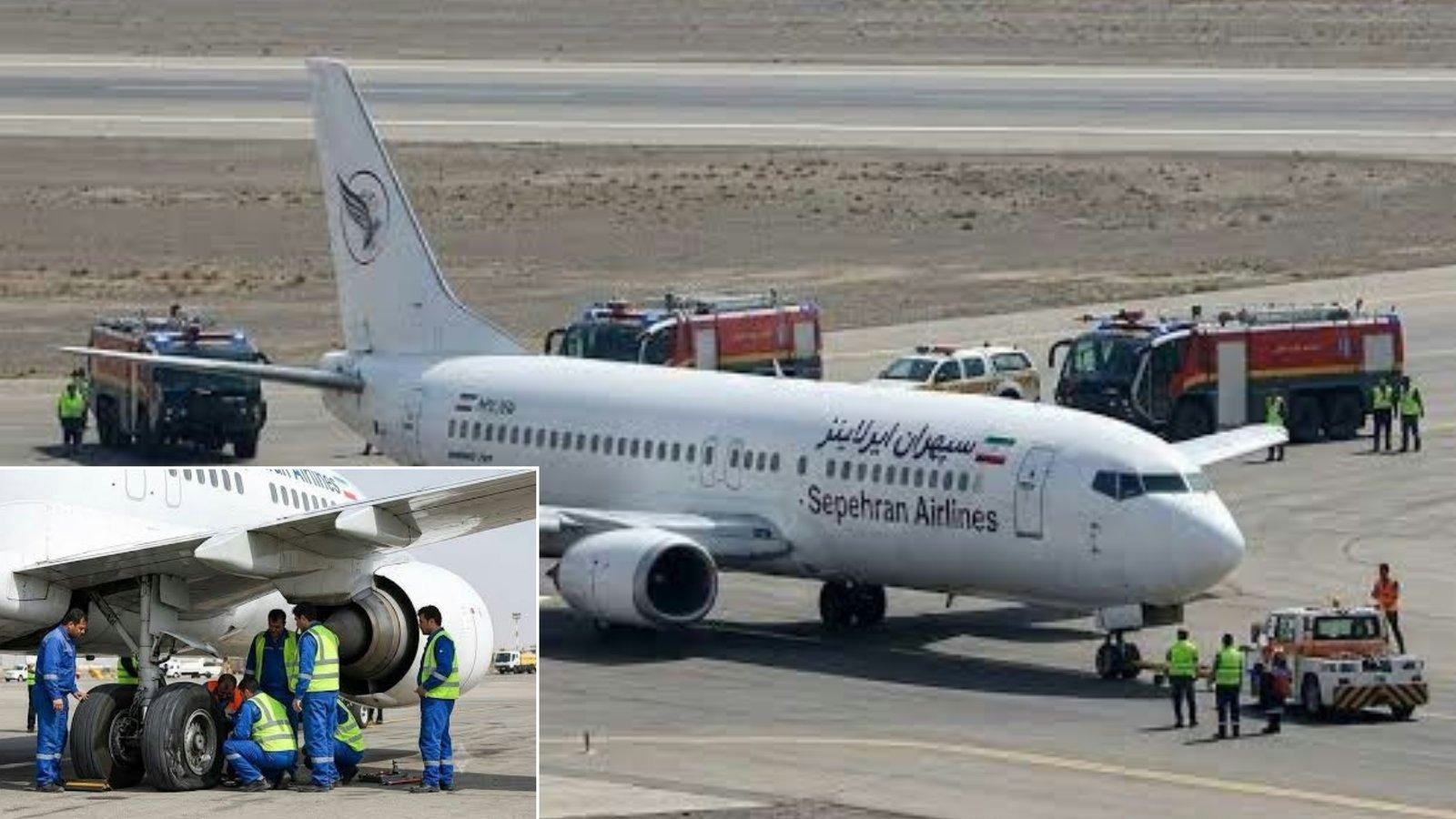
Sepehran Airlines B737 Returns to Mashhad After Tyre and Engine Issues

Etihad Deploys Widebody Fleet to Meet Strong Demand
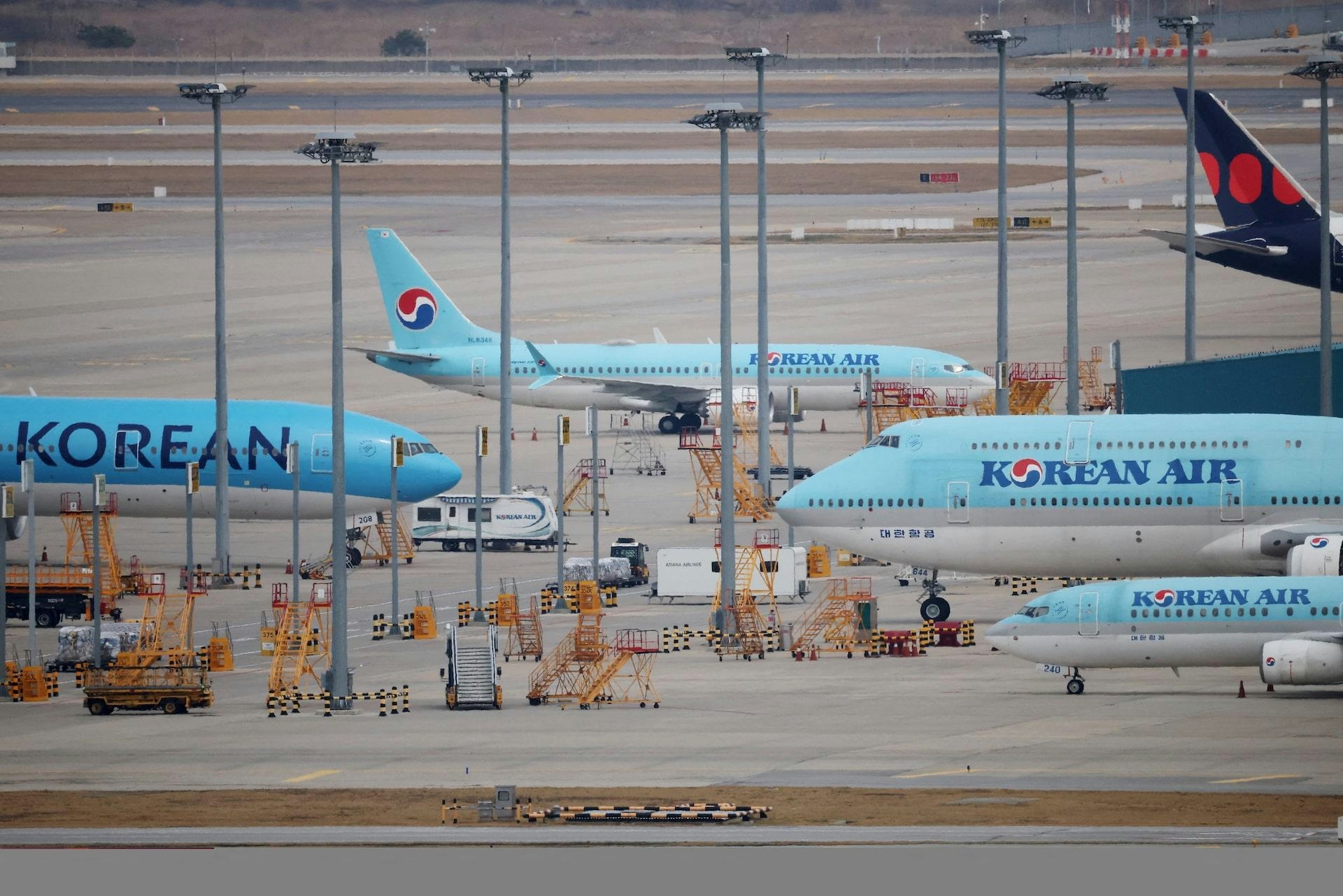
Korean Air Finalizes $36.2 Billion Deal with Boeing

Australia’s RFDS Queensland Section Orders Six King Air 260Cs

Korean Air Finalizes Order for 103 Boeing Jets and Engines
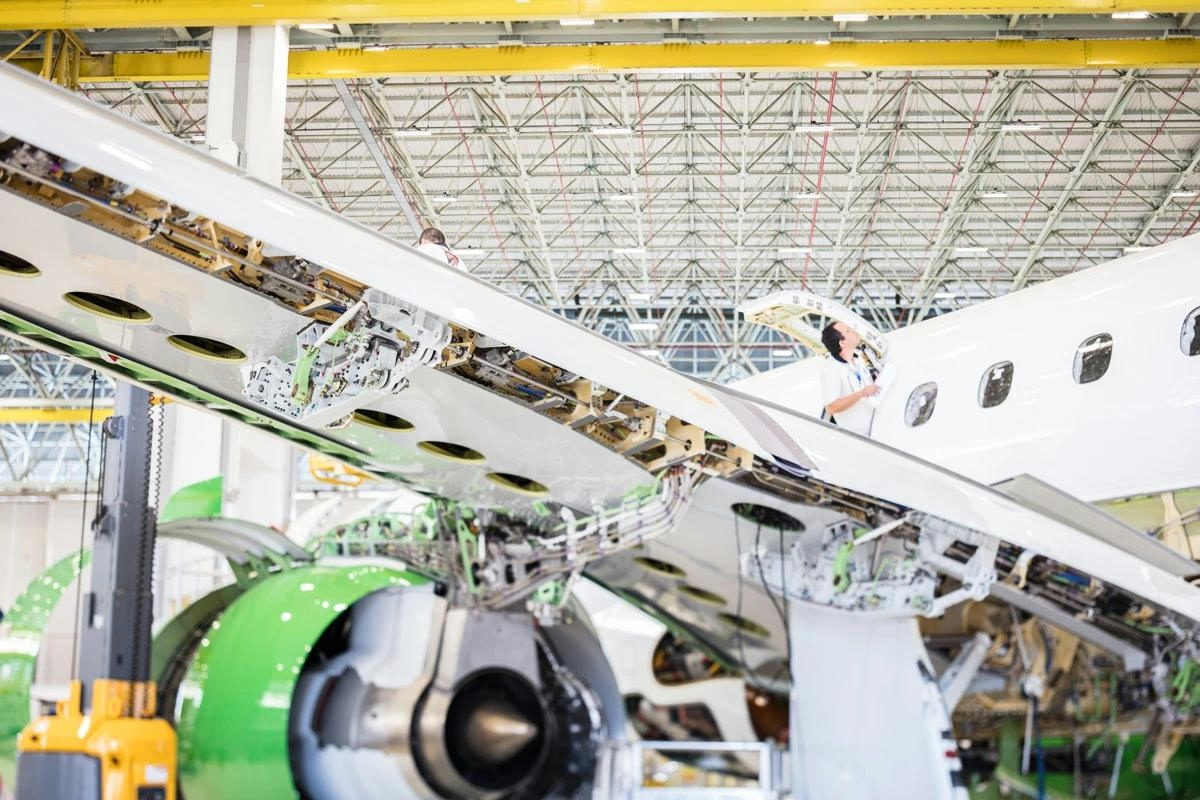
Embraer E195-E2 Features Distinctive Engine Placement Among Regional Jets

What Passengers Can Expect on Boeing’s New 777X Jet

How Ethiopian Airlines Became Africa’s Leading Carrier Amid Gulf Competition

Joby Aviation Extends Autonomous Flight Capabilities with Cross-Country Tour
