
Orquesta conocimientos de IA para convertirlos en acción

Tendencias
Categories
MTU Aero Engines’ PW1100G-JM Geared Turbofan Reduces Noise for A320neo
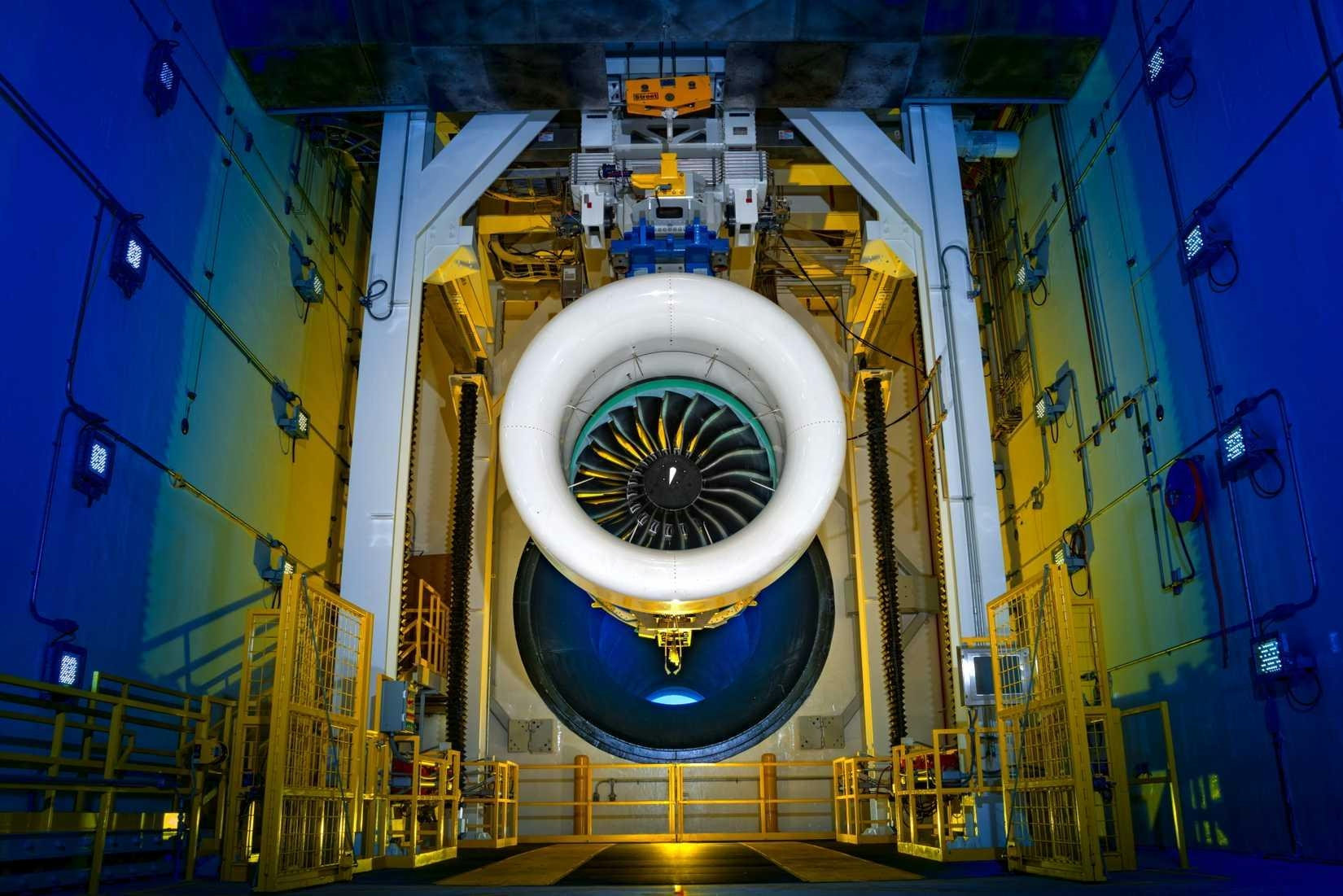
MTU Aero Engines’ PW1100G-JM Geared Turbofan Reduces Noise for A320neo
Quieter, More Efficient Flight
The PW1100G-JM geared turbofan, developed through a collaboration between MTU Aero Engines and Pratt & Whitney, powers the Airbus A320neo family with a high-bypass, fuel-efficient design that produces a distinctive, quieter whine during takeoff. This innovative engine incorporates a gearbox between the fan and the low-pressure turbine, enabling each component to rotate at its optimal speed. This configuration allows for a larger, slower fan that significantly reduces noise levels and enhances fuel efficiency, achieving a reduction in fuel burn of 15 to 20 percent compared to previous A320ceo engines, depending on the specific configuration and route.
MTU Aero Engines’ engineering expertise is focused on the high-pressure compressor stages and low-pressure turbine modules, which are manufactured to exacting tolerances and integrated into Pratt & Whitney’s global assembly process. The engine’s advanced core features cooled turbine blades and optimized compressor aerodynamics, which contribute to both improved performance and durability.
Operational Experience and Airline Impact
In operational settings, pilots have noted that the PW1100G-JM spools up more smoothly, with fan noise shifting to a softer pitch during climb power. Cabin crews have observed a quieter forward cabin environment, a subtle yet valuable enhancement for airlines promoting premium seating options. Maintenance teams benefit from predictive tools and real-time engine health monitoring, which facilitate the management of tightly packed modules and access panels designed for efficient servicing.
Despite these operational advantages, the engine’s rollout has encountered significant challenges. Airlines, including United Airlines, have expressed frustration over ongoing engine delivery delays. United’s CEO, Scott Kirby, recently warned that shortages of the PW1100G-JM will continue to constrain operations for at least the next five years. Airbus has also informed some A320neo customers of delivery postponements for aircraft scheduled in 2027 and 2028, with the A321neo variant particularly affected.
Industry Response and Strategic Developments
The persistent supply constraints have elicited broader responses within the aerospace industry. MTU Aero Engines has appealed to the French and German governments to protect and advance expertise in cutting-edge powerplant development, aiming to secure Europe’s strategic position in future combat aircraft programs. Concurrently, Airbus has initiated Team Gen 6, a new collaborative effort following the termination of the New Generation Fighter program with France, signaling a realignment in European aerospace partnerships.
Long-Term Outlook
Despite the current operational and supply challenges, MTU Aero Engines continues to regard the PW1100G-JM geared turbofan as a fundamental element of its civil engine portfolio and aftermarket services. The company anticipates sustained growth driven by increasing A320neo flight hours and associated service contracts. The engine’s combination of fuel efficiency, noise reduction, and advanced engineering remains central to airline operations and MTU’s strategic ambitions as the industry adapts to evolving development and supply dynamics.

Hong Kong's Five-Year Plan Includes Andrew Fan's Aircraft Parts Processing Hub Proposal

ACIA Aero Leasing Delivers ATR72-600 to Air Nostrum

RTX Appoints Jill Albertelli as Head of Pratt & Whitney

TAT Technologies Joins Beyond Aero Hydrogen Aircraft Program

AURAK Study Highlights Barriers to Air Taxi Adoption in Emerging Economies

Xiamen Air Selects Altitude for 787 Maintenance at Heathrow

Etihad and Swissport Extend Global Partnership
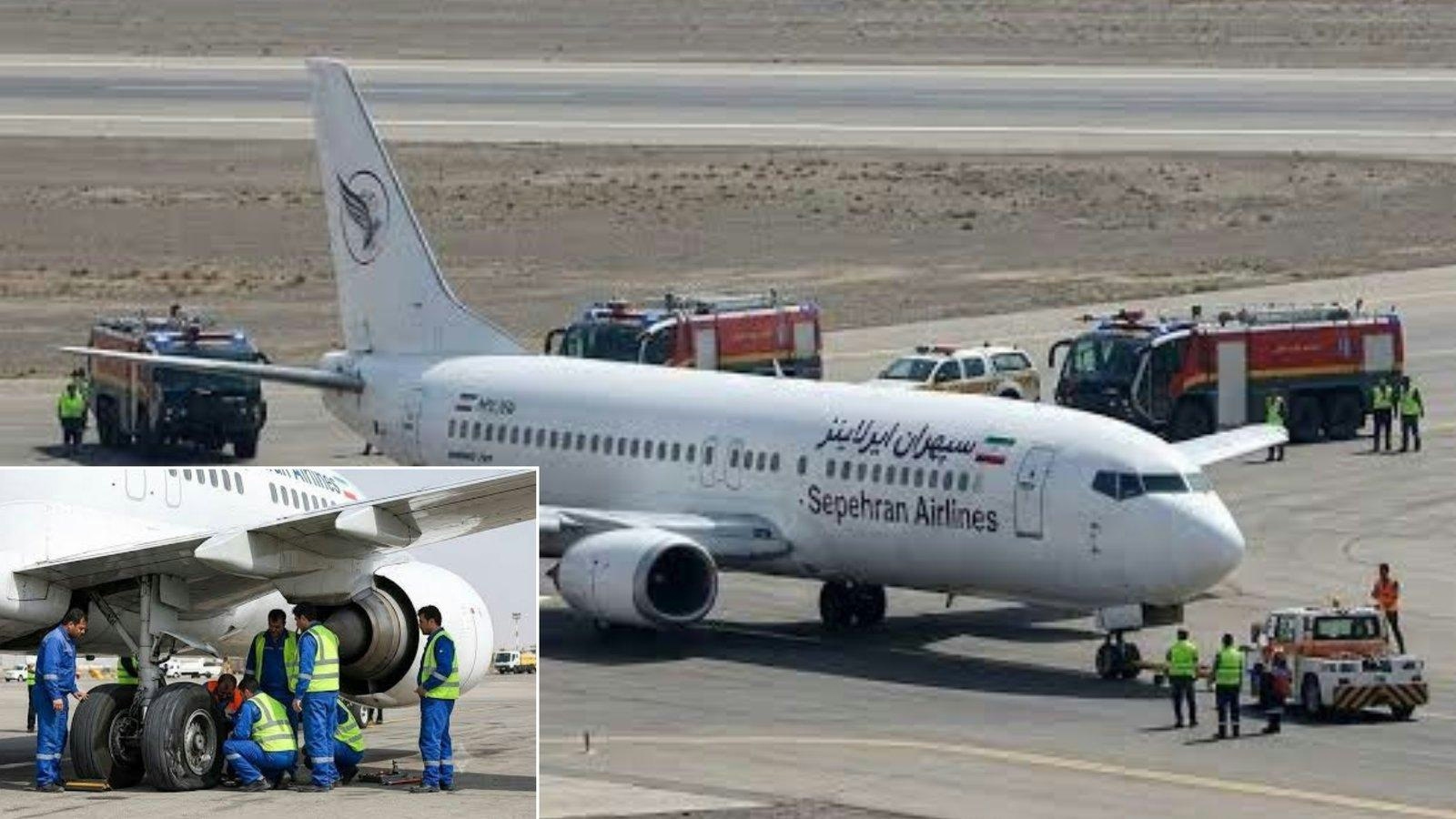
Sepehran Airlines B737 Returns to Mashhad After Tyre and Engine Issues

Etihad Deploys Widebody Fleet to Meet Strong Demand
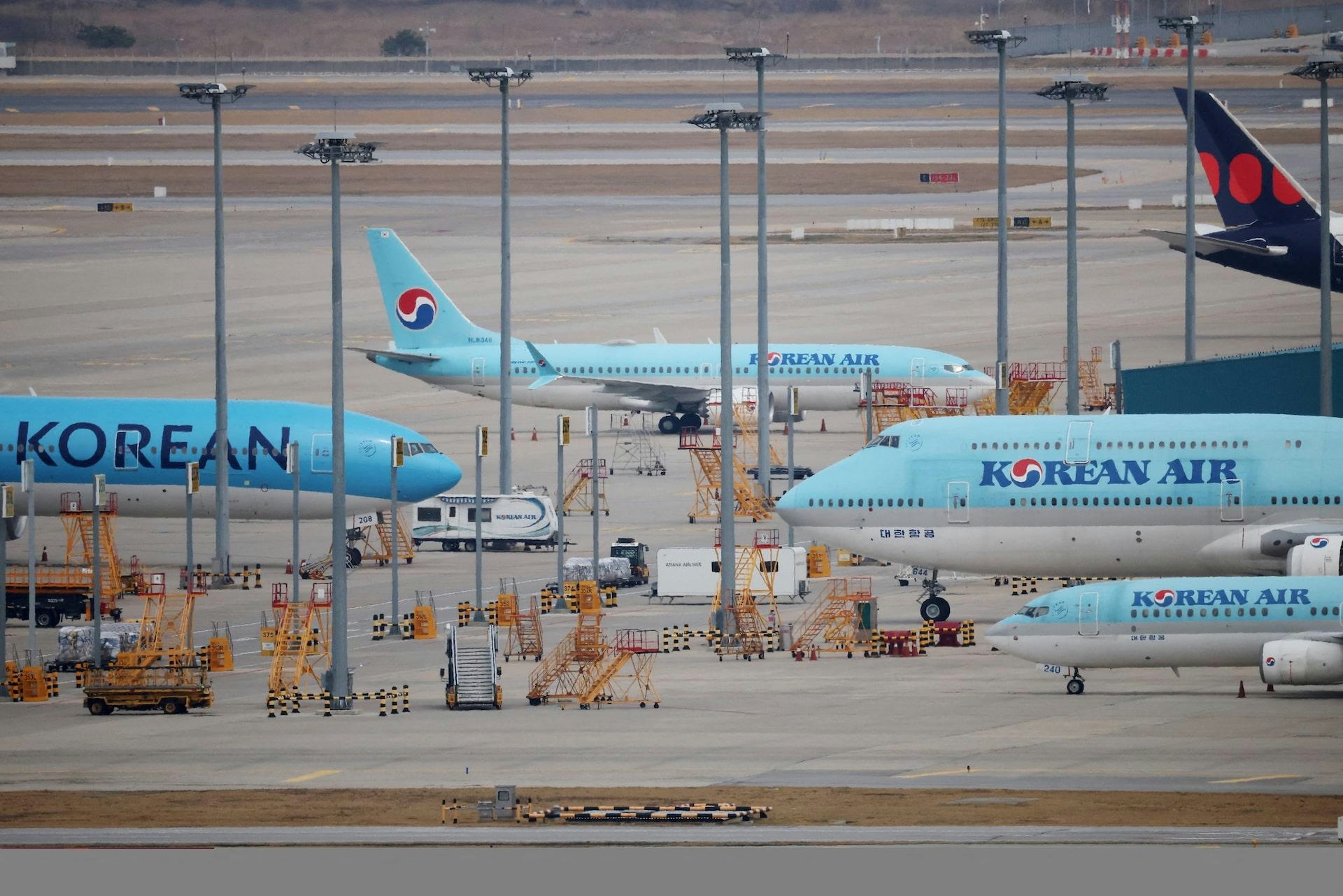
Korean Air Finalizes $36.2 Billion Deal with Boeing
