
Orquesta conocimientos de IA para convertirlos en acción

Tendencias
Categories
Rethinking Aviation Training and Competency With AI
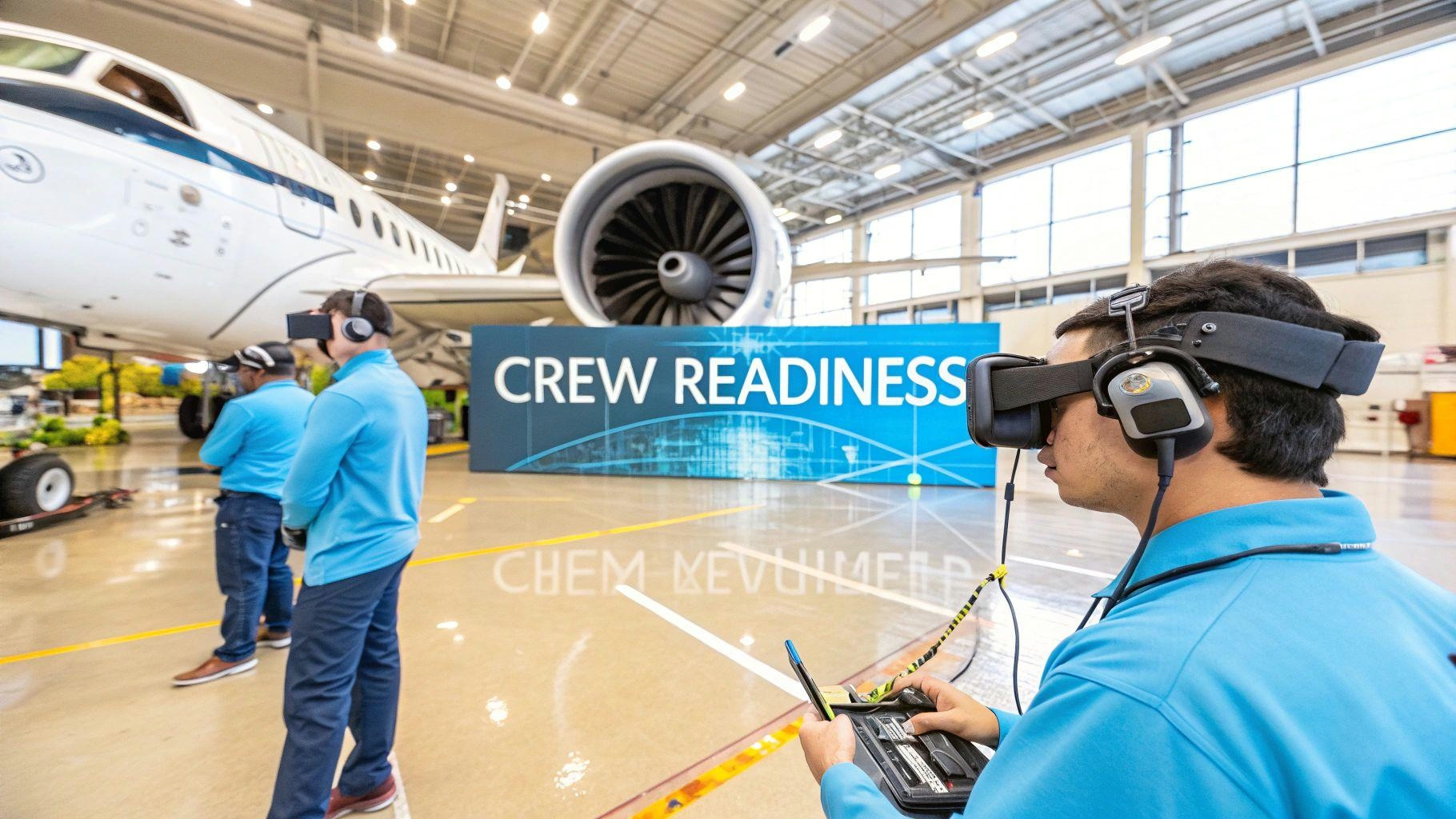
Rethinking Aviation Training and Competency With AI
The Shift Toward Continuous, Competency-Based Development
Aviation training has long depended on periodic courses and recurrent evaluations to maintain professional standards. However, the advent of artificial intelligence (AI) is driving a fundamental transformation toward continuous, competency-based development. AI’s capacity to provide personalized feedback, adaptive learning experiences, and real-time performance analytics enables the identification of specific skill gaps and supports targeted improvement throughout an individual’s career. This approach promises to enhance the effectiveness of training by moving beyond traditional, time-bound instruction.
The emerging AICE framework exemplifies this evolution by integrating training, assessment, analytics, and operational performance into a cohesive system. While instructors continue to hold ultimate responsibility for competency decisions, AI tools augment their ability to monitor and support learners more effectively. Practical implementations of AI-driven analytics are already evident in initiatives such as EUROCONTROL’s air traffic controller training at the Maastricht Upper Area Control Centre and CAE’s Rise platform, which leverages simulator data to refine pilot training. These examples demonstrate how AI can inform both instruction and assessment, fostering a more responsive and data-driven training environment.
AI’s Transformative Potential and Challenges in Aviation Training
Historically, aviation has emphasized curriculum development, competency-based education, and rigorous evaluation to ensure professionals perform reliably under pressure. Although much attention has been given to AI’s applications in automation, predictive maintenance, and decision support, its most profound impact may lie in reshaping how aviation professionals acquire and sustain competence. A prevalent misconception in professional training is that increased instruction automatically translates into improved performance. In reality, the critical limiting factor is often the absence of timely, individualized feedback.
AI does not alter the fundamental processes of human learning but enables organizations to support continuous competency development at an unprecedented scale. Through personalized coaching, adaptive learning pathways, and targeted practice recommendations, AI empowers both learners and instructors to make more informed decisions. This capability is particularly vital in aviation, where safety considerations demand precise and ongoing skill refinement.
Nonetheless, integrating AI into aviation training faces significant challenges. Skepticism regarding AI’s transparency and reliability remains widespread; recent surveys reveal that 80% of Americans distrust AI-generated information. Such skepticism can lead to market hesitation, with some stakeholders favoring traditional, human-led training methods over AI-driven solutions. Other industries, including hospitality, have responded by selectively incorporating AI to enhance efficiency, while some maintain conventional approaches due to concerns about AI’s control and transparency.
An additional concern is the visibility of AI-generated information in digital search results. For example, sectors like insurance have observed that their brands are frequently absent from AI-generated answers, highlighting the necessity for companies to ensure their offerings are adequately represented on AI-driven platforms to remain competitive.
Advancing Competency Through AI-Enabled Feedback and Analytics
Despite these obstacles, educational research consistently underscores feedback as a critical driver of learning and achievement, with its effectiveness largely dependent on delivery methods. AI presents an opportunity to provide more consistent and individualized feedback at scale. Design efforts on AI-enabled competency platforms, such as AeroSpeak for ICAO Language Proficiency and AEGIS·LEX for decision-making in complex legal contexts, reveal a convergence around adaptive learning, authentic assessment, learning analytics, and operational performance monitoring. When integrated into a continuous competency system, these elements may offer a more effective alternative to traditional, fragmented training tools.
As AI technology continues to advance, its role in aviation training is poised to expand, presenting both new opportunities and challenges for developing and sustaining professional competence within an increasingly complex industry.

Etihad and Swissport Extend Global Partnership
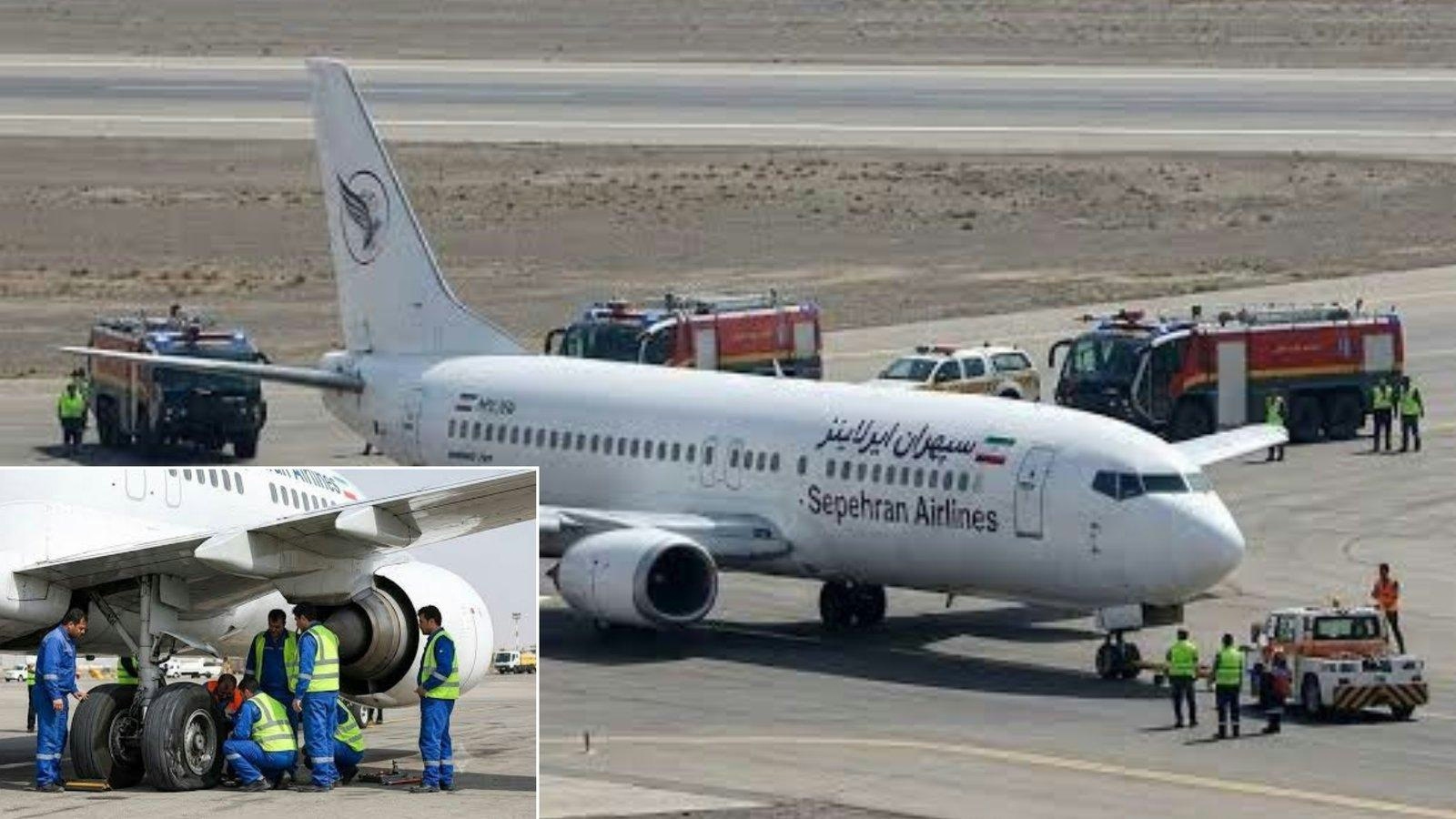
Sepehran Airlines B737 Returns to Mashhad After Tyre and Engine Issues

Etihad Deploys Widebody Fleet to Meet Strong Demand
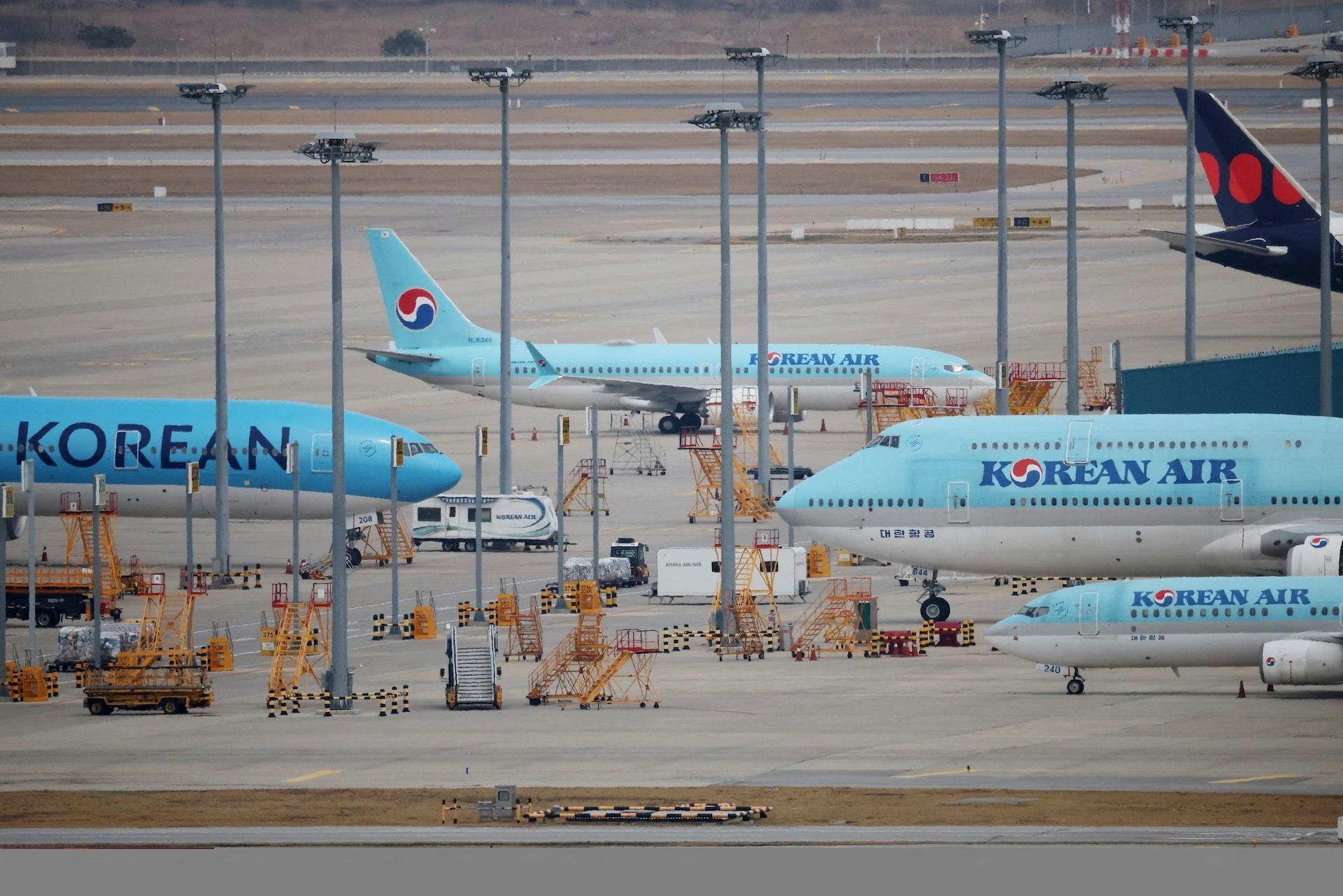
Korean Air Finalizes $36.2 Billion Deal with Boeing

Australia’s RFDS Queensland Section Orders Six King Air 260Cs

Korean Air Finalizes Order for 103 Boeing Jets and Engines
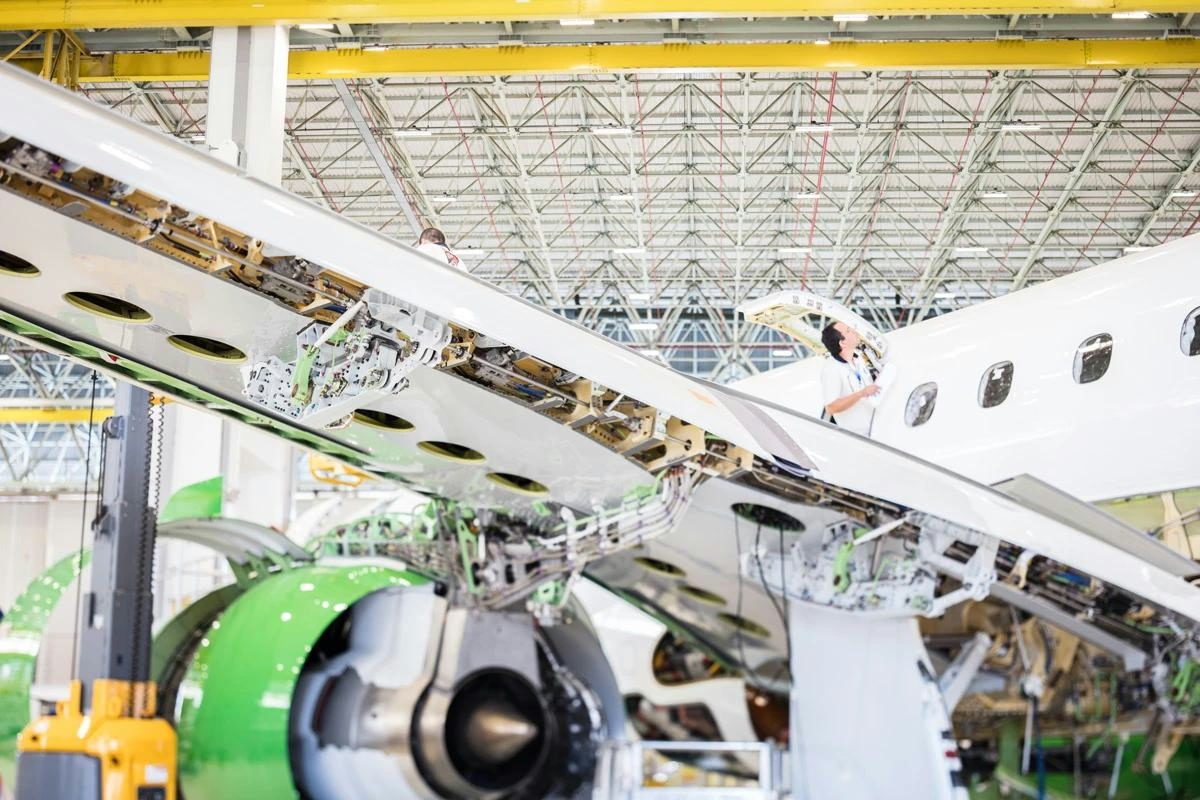
Embraer E195-E2 Features Distinctive Engine Placement Among Regional Jets

What Passengers Can Expect on Boeing’s New 777X Jet

How Ethiopian Airlines Became Africa’s Leading Carrier Amid Gulf Competition
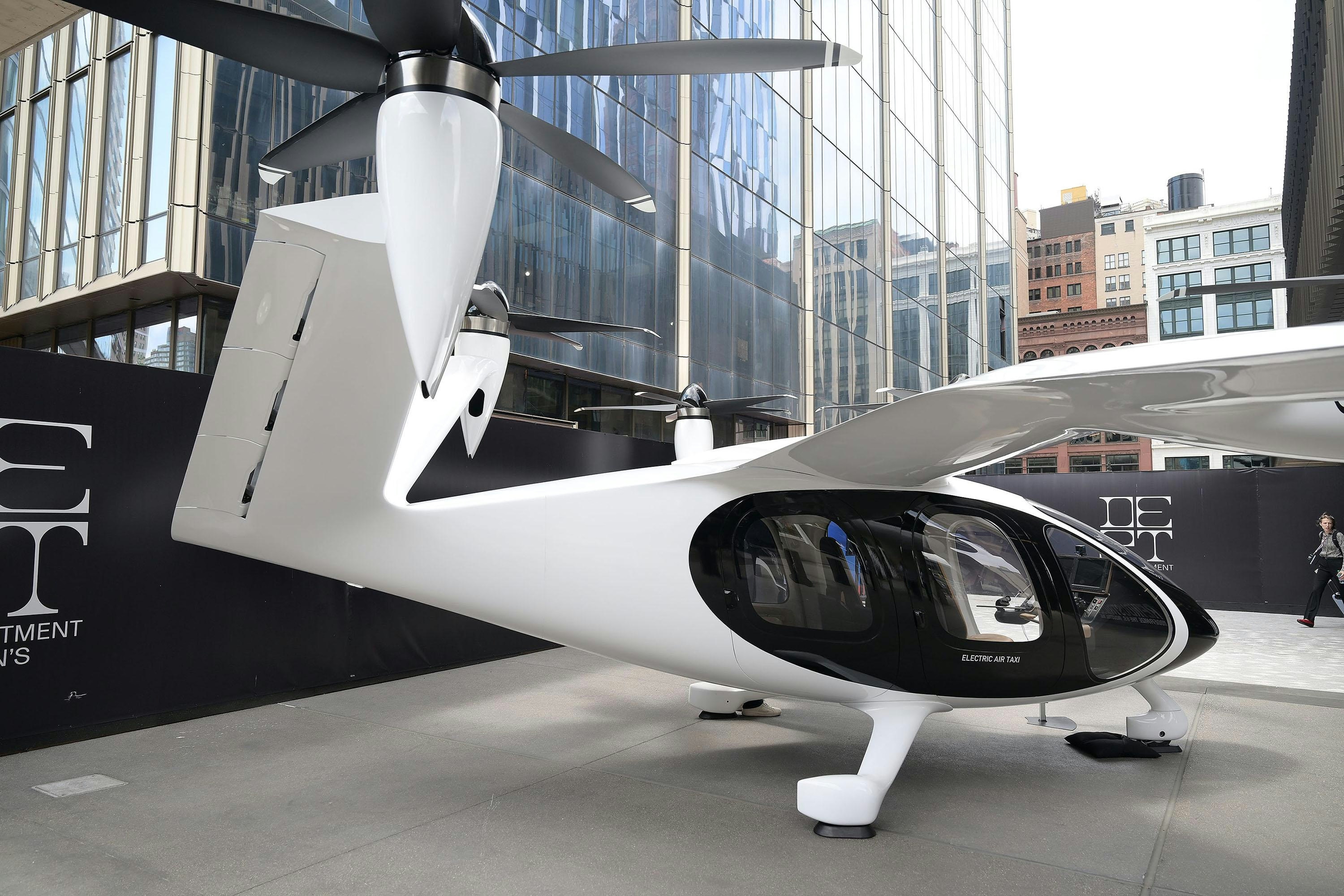
Joby Aviation Extends Autonomous Flight Capabilities with Cross-Country Tour
