
Orquesta conocimientos de IA para convertirlos en acción

Tendencias
Categories
Rising Jet Fuel Prices Deepen Nigeria’s Aviation Crisis
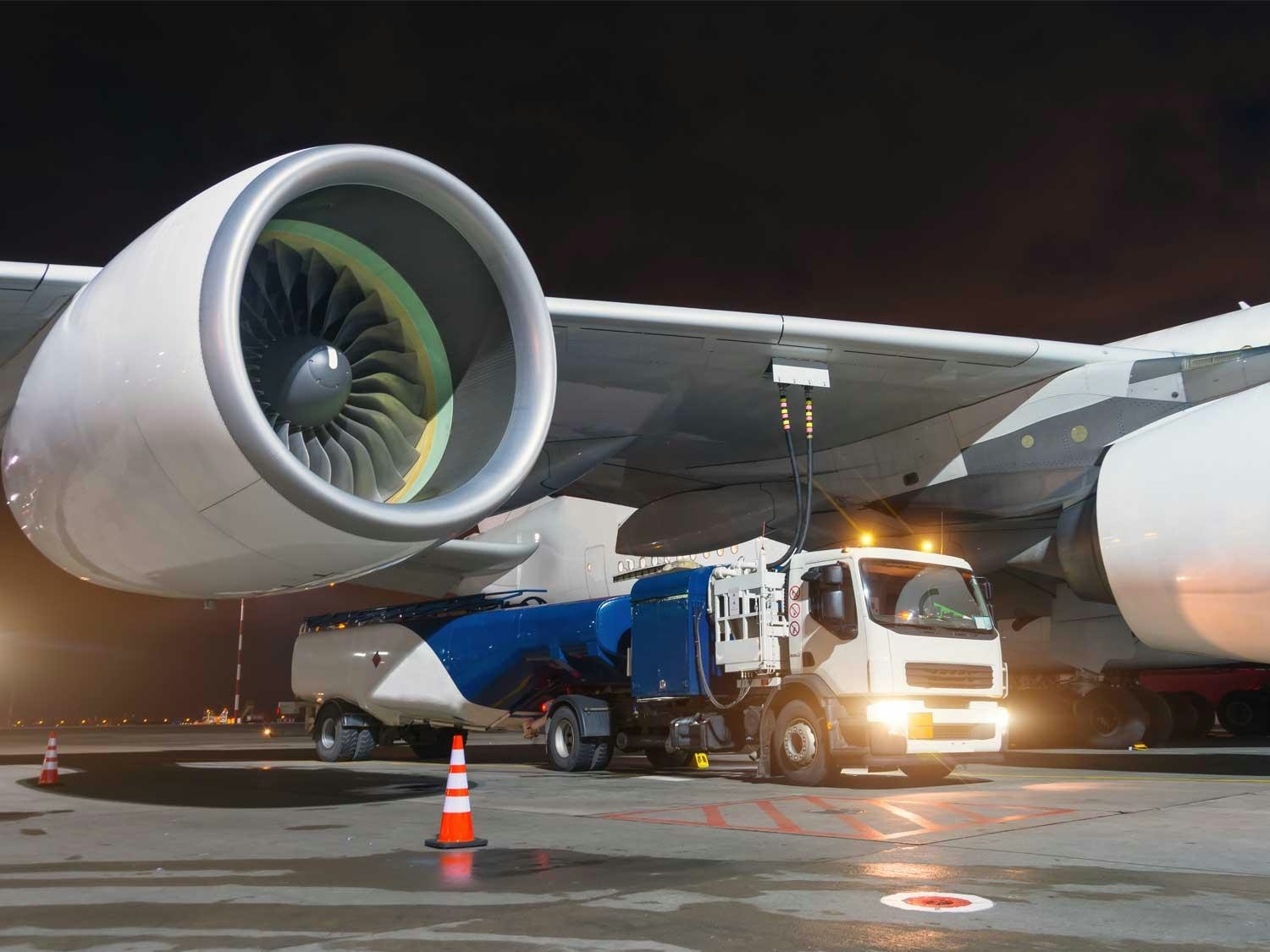
Rising Jet Fuel Prices Deepen Nigeria’s Aviation Crisis
Nigeria’s aviation sector is grappling with escalating challenges as soaring jet fuel prices exacerbate existing vulnerabilities within the country’s air transport industry. This crisis, deeply rooted in West Africa’s intricate supply chain dependencies and heavy reliance on imported petroleum products, is driving operational costs to unsustainable levels for airlines. The resulting financial strain is compelling carriers to make difficult decisions, with repercussions that extend beyond the aviation sector into the broader economy.
Structural Weaknesses and Market Dynamics
The Nigerian domestic aviation market, which accommodated 10.5 million passengers in 2025, exemplifies the fragility of regional carriers in the face of external energy shocks. The country’s dependence on imported jet fuel, coupled with limited strategic reserves and a narrow concentration of supply routes, has created a precarious system highly vulnerable to fluctuations in global commodity prices.
In recent months, kerosene prices in Nigeria have surged dramatically, rising from 900 naira to 3,300 naira per liter—a staggering 266 percent increase. This spike far exceeds the approximately 30 percent rise in international oil prices over the same period, revealing a significant disconnect between local and global market dynamics. The Airline Operators of Nigeria have criticized these price hikes as excessive, highlighting how regional pricing mechanisms often operate independently of actual supply costs.
The operational impact on airlines has been immediate and severe. To offset the burden of higher fuel expenses, carriers have increased ticket prices, transferring costs to passengers. This strategy risks suppressing demand and eroding profit margins, prompting some airlines to explore mergers as a means to strengthen financial resilience amid mounting pressures. The global nature of energy markets further complicates the situation, as domestic fuel prices remain sensitive to international rates and currency fluctuations, limiting the ability of Nigerian airlines to shield themselves from external shocks.
Supply Chain Risks and Regulatory Challenges
Several structural factors intensify Nigeria’s aviation fuel crisis. The dual pricing system in both naira and U.S. dollars exposes airlines to exchange rate volatility, while multiple distribution layers between import terminals and airport fuel farms contribute to inflated costs. Additionally, the lack of transparent regional fuel price benchmarks obscures true market values, and regulatory oversight of fuel distribution margins remains insufficient, allowing unchecked price escalation.
The Platts index recently recorded African jet fuel prices at $171 per barrel, representing a 17 percent premium over global averages even during stable periods. This premium tends to widen during supply disruptions, placing regional carriers at a further disadvantage. West Africa’s supply chain is also highly concentrated, with approximately 70 percent of Africa’s kerosene transiting through the Strait of Hormuz—a maritime chokepoint vulnerable to geopolitical tensions. Unlike other regions that benefit from diversified pipelines and strategic reserves, West Africa remains heavily reliant on spot market imports transported via exposed sea lanes.
Outlook
The ongoing aviation crisis in Nigeria highlights the urgent need for comprehensive reforms in market structure, regulatory frameworks, and infrastructure investment. Without addressing the underlying pricing inefficiencies, supply chain vulnerabilities, and oversight gaps, the sector will remain susceptible to future shocks, jeopardizing both the viability of airlines and the affordability of air travel for passengers.

Etihad Airways Suspends Airbus A380 Flights on Key Route

Aditya Birla Group Seeks Approval for Aircraft Leasing in GIFT City

Qatar Airways Highlights Innovation and Connectivity at Arabian Travel Market 2026

Hong Kong's Five-Year Plan Includes Andrew Fan's Aircraft Parts Processing Hub Proposal

ACIA Aero Leasing Delivers ATR72-600 to Air Nostrum

RTX Appoints Jill Albertelli as Head of Pratt & Whitney

TAT Technologies Joins Beyond Aero Hydrogen Aircraft Program

AURAK Study Highlights Barriers to Air Taxi Adoption in Emerging Economies

Xiamen Air Selects Altitude for 787 Maintenance at Heathrow

Etihad and Swissport Extend Global Partnership
