
Orquesta conocimientos de IA para convertirlos en acción

Tendencias
Categories
Russia and China Advance Plans to Build Wide-Body CR929 Aircraft
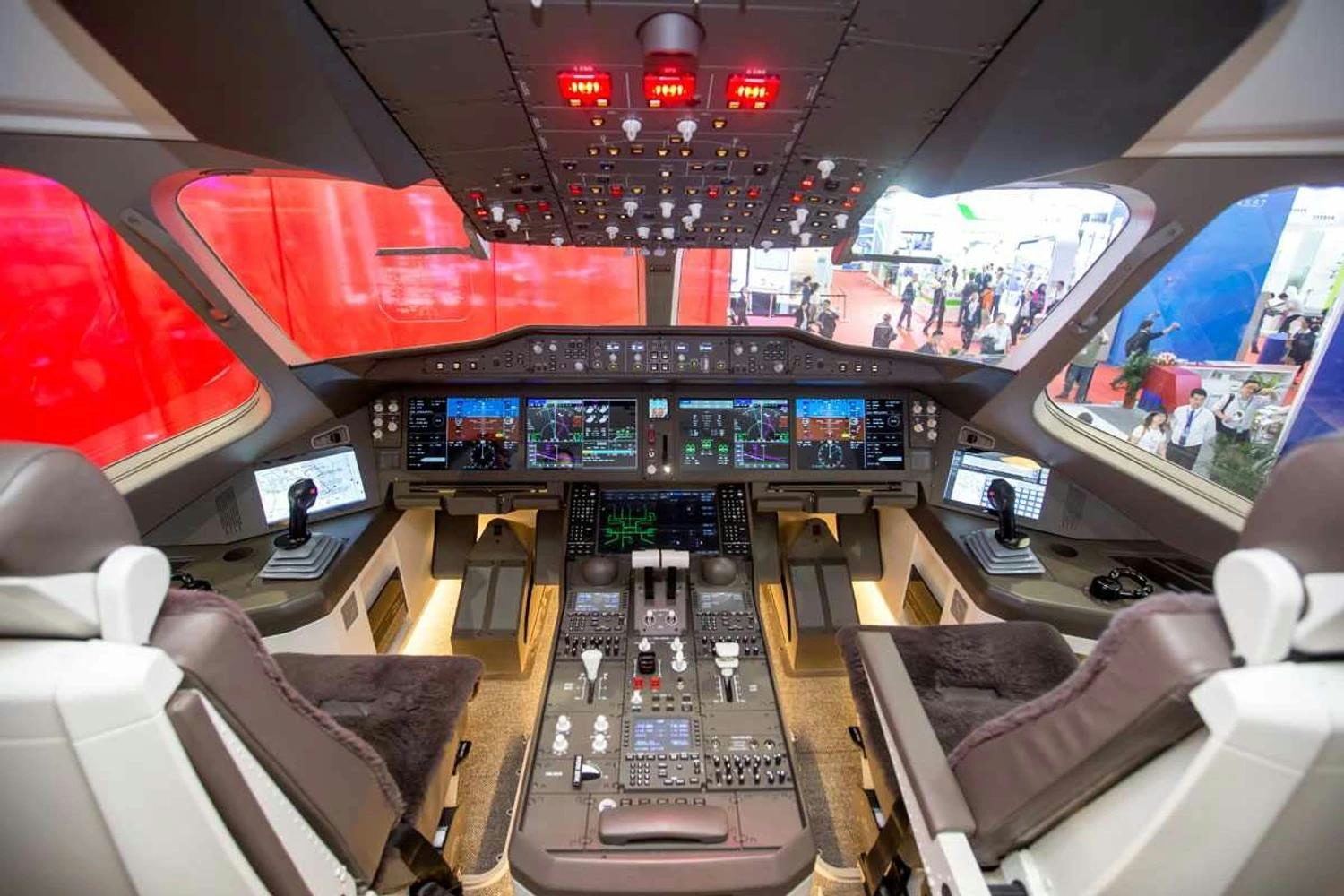
Russia and China Renew Efforts to Develop Wide-Body CR929 Aircraft
Russia has signaled a renewed interest in advancing discussions with China regarding the joint development of the CR929 wide-body aircraft. First Deputy Prime Minister Denis Manturov, speaking at the Eastern Economic Forum, indicated that although formal talks on the project have yet to resume, Moscow is keen to reengage in detailed negotiations. The CR929 initiative, originally conceived as a collaborative venture between the two nations, aims to produce a next-generation, long-haul wide-body jet designed to compete with the dominant Boeing and Airbus models in the global aviation market.
Challenges Facing the CR929 Project
The CR929 project has faced significant obstacles since its inception. Russia had proposed contributing critical components such as a composite wing and a heavy engine, but progress stalled when China chose to pursue its own wide-body aircraft development independently. Russia’s own long-haul aircraft, the Il-96-400M, has struggled to attract airline interest due to its economic inefficiency, with carriers continuing to favor established Boeing and Airbus models. This highlights the formidable challenge the CR929 faces in penetrating a market long controlled by Western manufacturers.
Additional complications arise from both countries’ historical reliance on foreign components for advanced aircraft, raising concerns about supply chain security and technological autonomy. The commercial viability of the CR929 will also depend heavily on obtaining certification from major aviation regulators in the United States and Europe. Given the current geopolitical climate, this regulatory process may prove difficult, potentially impeding the aircraft’s entry into key markets.
Industry experts suggest that Boeing and Airbus are likely to maintain their market dominance by leveraging their proven aircraft platforms and extensive global support networks. Airlines may remain hesitant to adopt the CR929 unless it can offer clear advantages in terms of performance, cost efficiency, and regulatory compliance.
As Russia and China contemplate reviving their partnership on the CR929, the project’s success will depend on their ability to navigate these technical, regulatory, and market challenges. Both nations view the aircraft as a strategic asset to reduce dependence on Western technology and to strengthen their positions within the global aviation industry.

Etihad and Swissport Extend Global Partnership
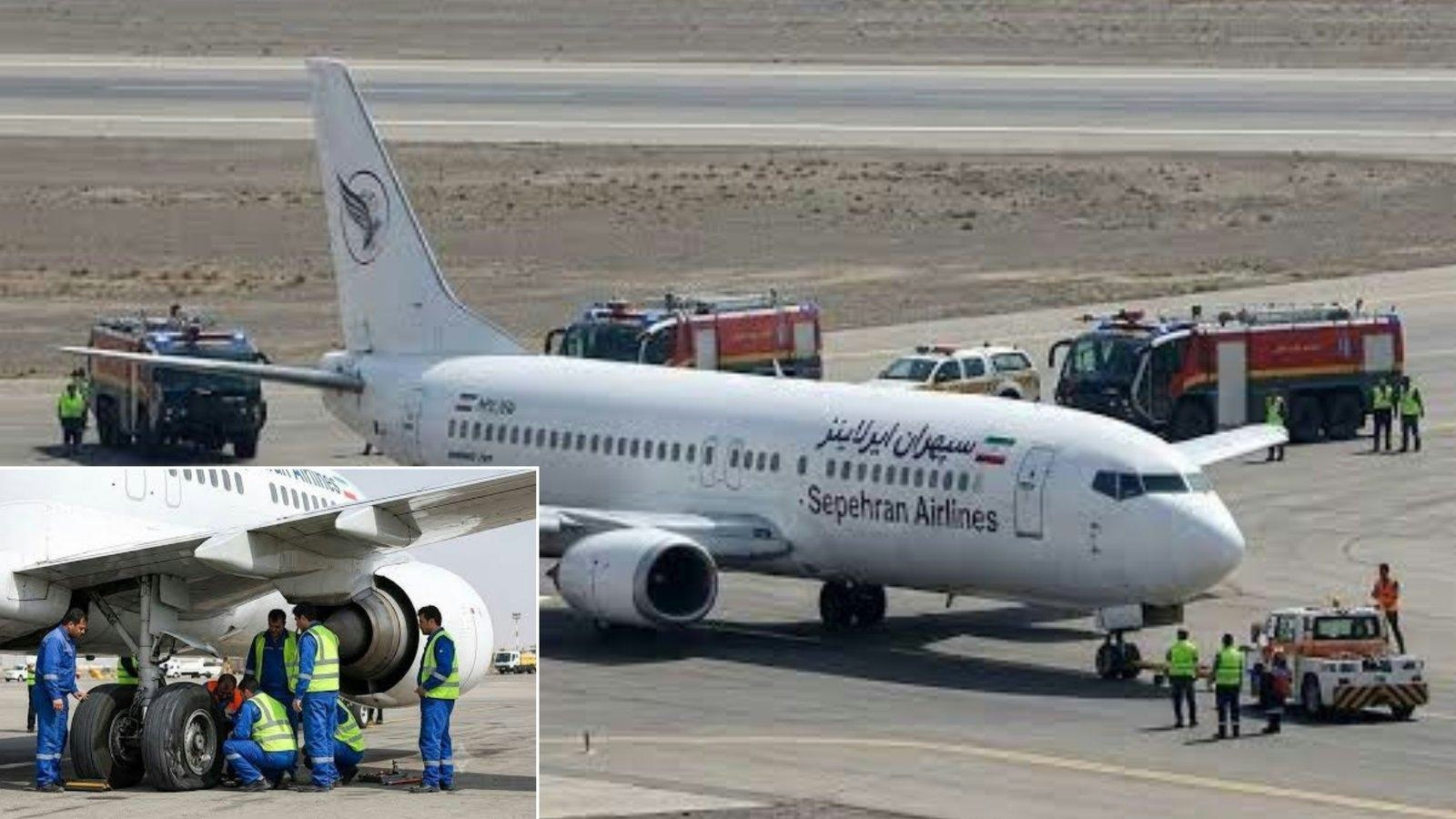
Sepehran Airlines B737 Returns to Mashhad After Tyre and Engine Issues

Etihad Deploys Widebody Fleet to Meet Strong Demand
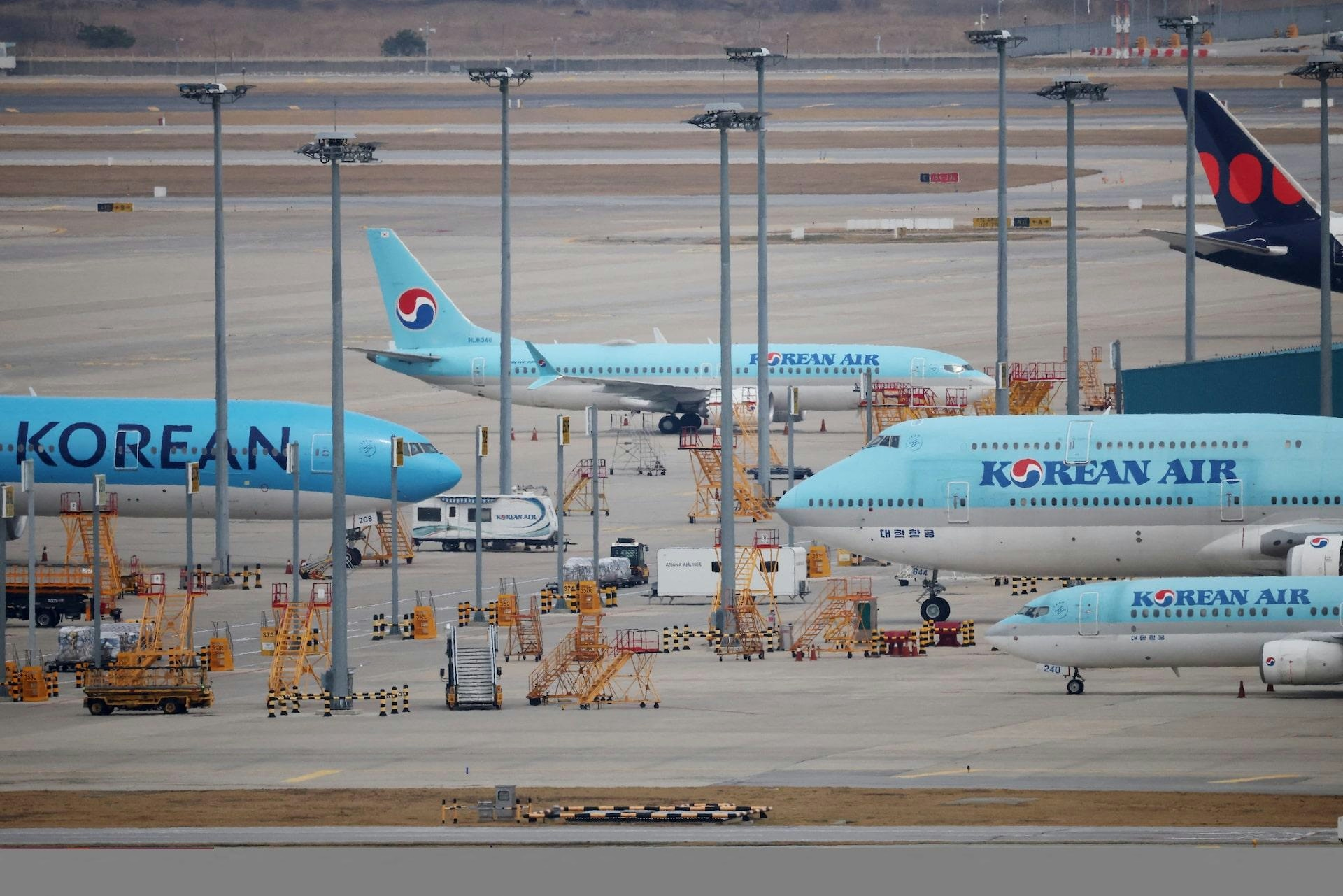
Korean Air Finalizes $36.2 Billion Deal with Boeing
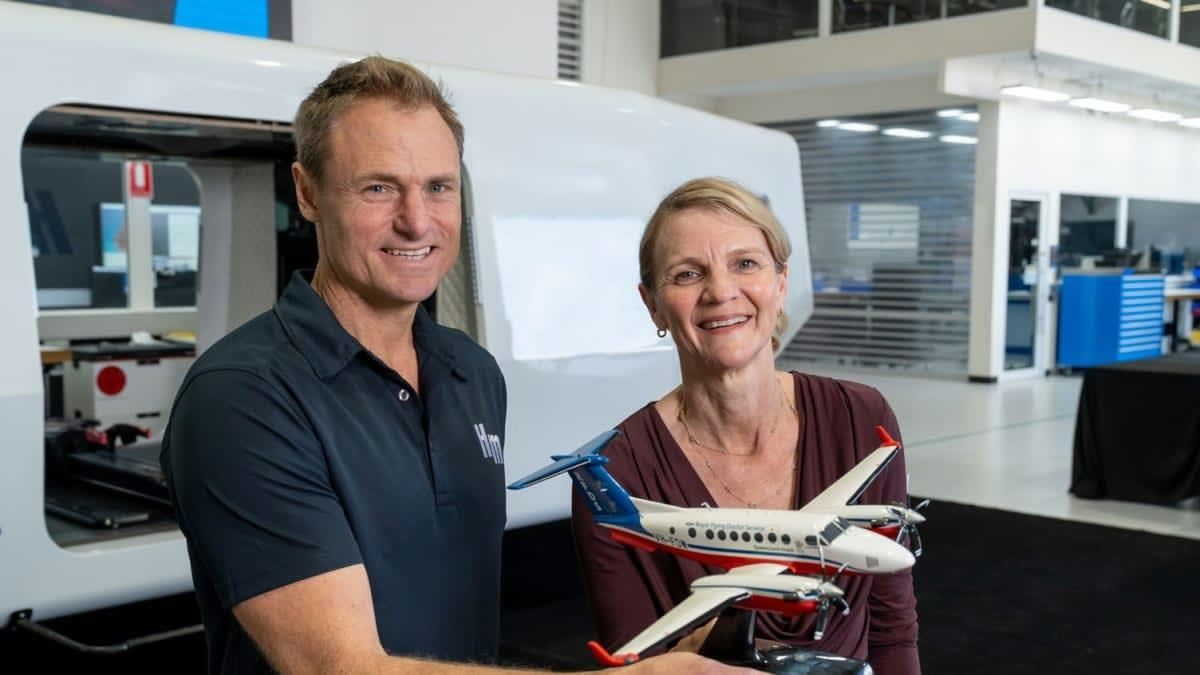
Australia’s RFDS Queensland Section Orders Six King Air 260Cs
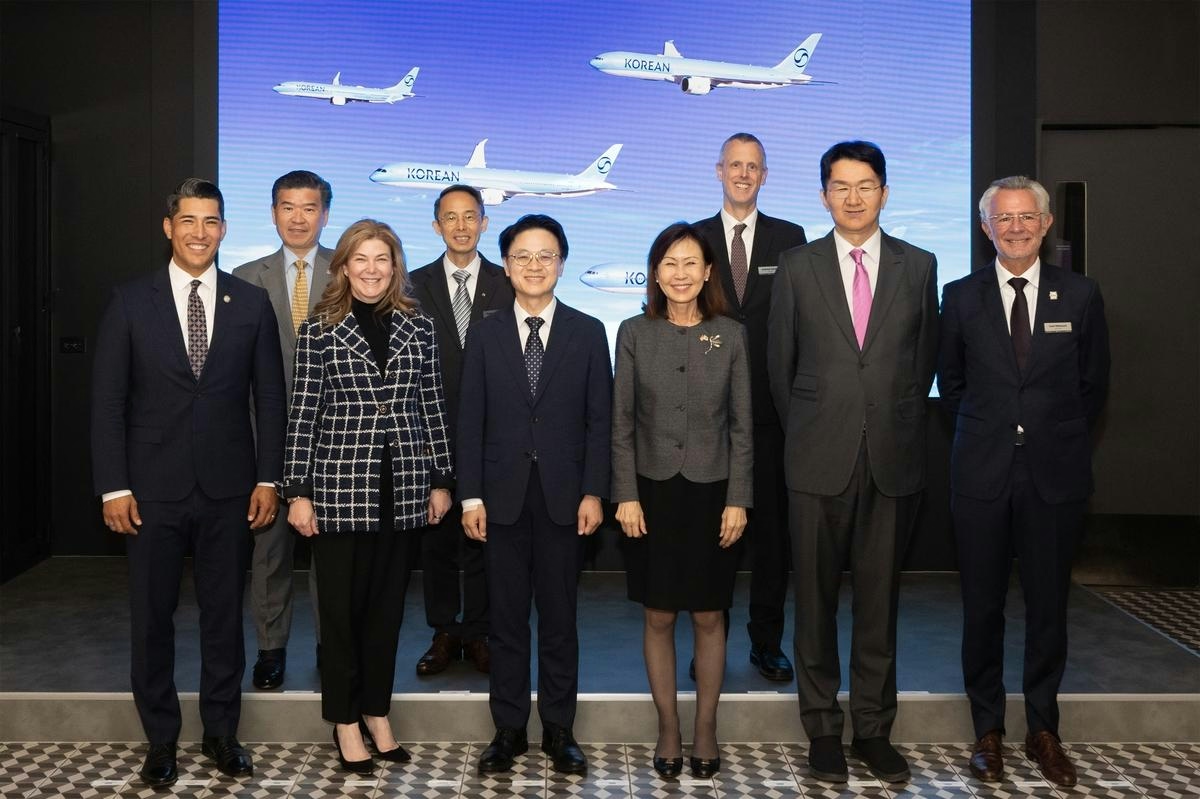
Korean Air Finalizes Order for 103 Boeing Jets and Engines
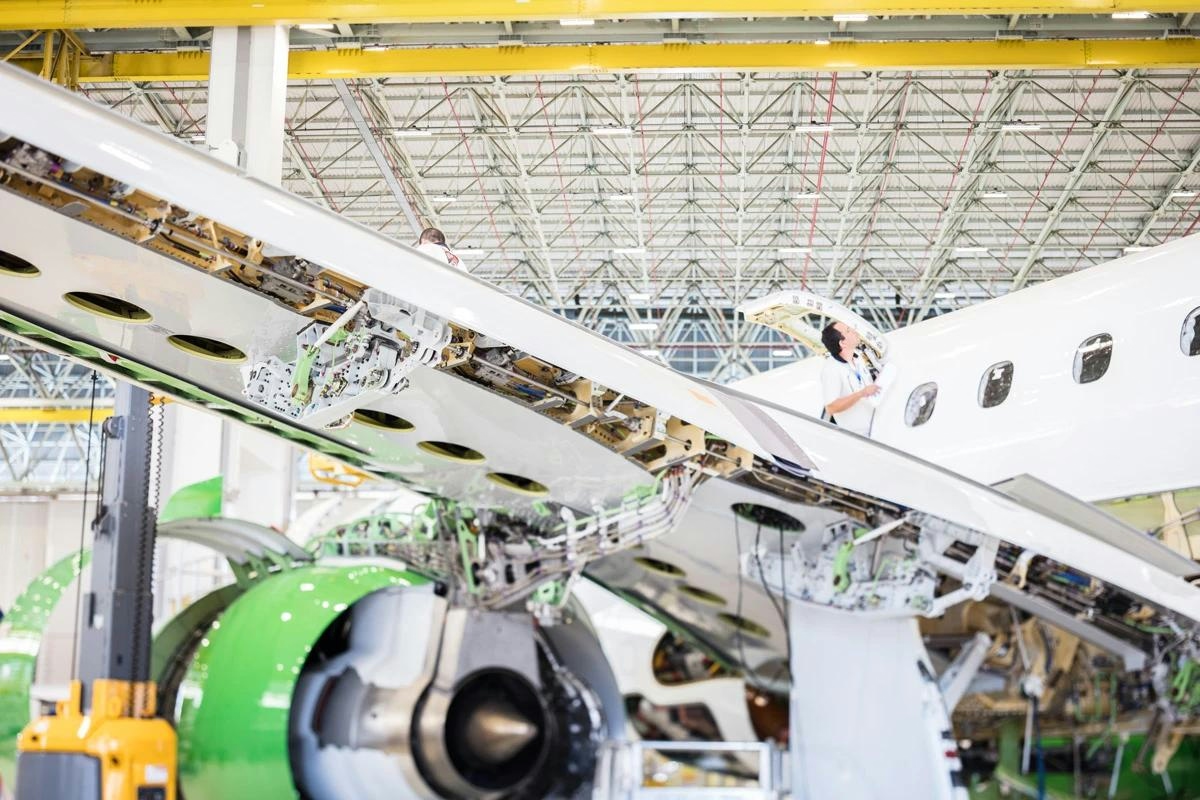
Embraer E195-E2 Features Distinctive Engine Placement Among Regional Jets
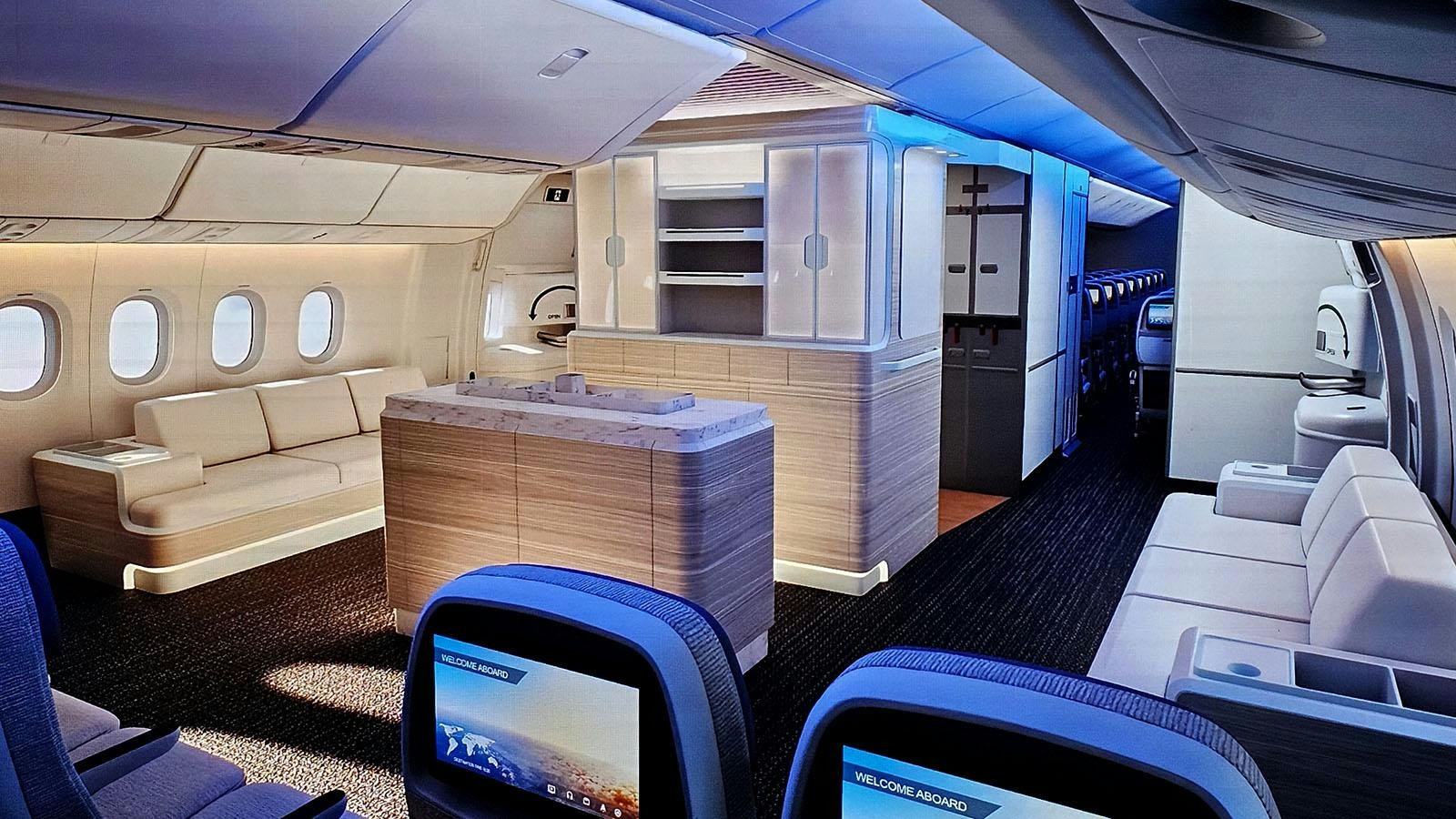
What Passengers Can Expect on Boeing’s New 777X Jet

How Ethiopian Airlines Became Africa’s Leading Carrier Amid Gulf Competition
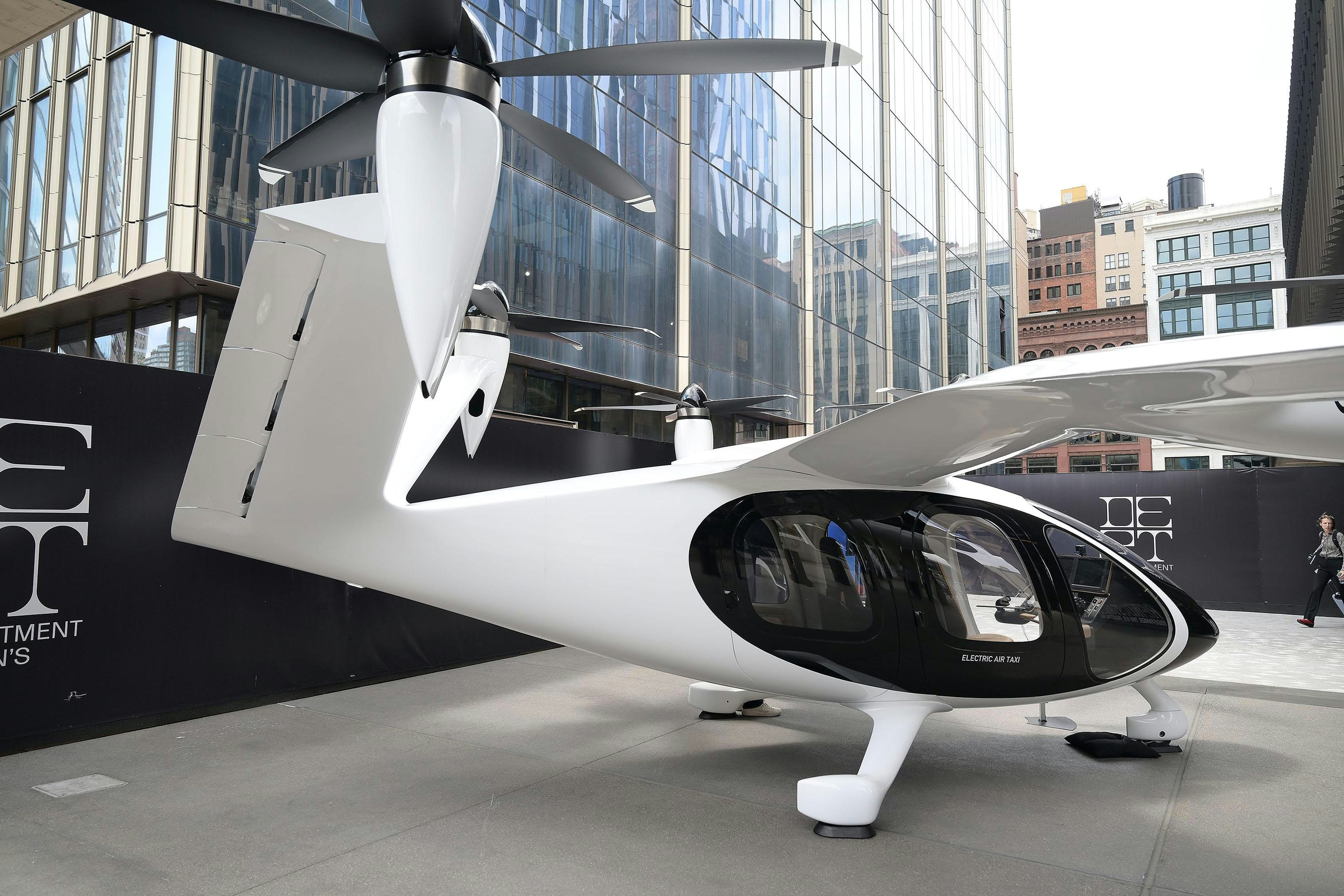
Joby Aviation Extends Autonomous Flight Capabilities with Cross-Country Tour
