
Orquesta conocimientos de IA para convertirlos en acción

Tendencias
Categories
Trump Team Establishes Oklahoma Base to Test Flying Cars
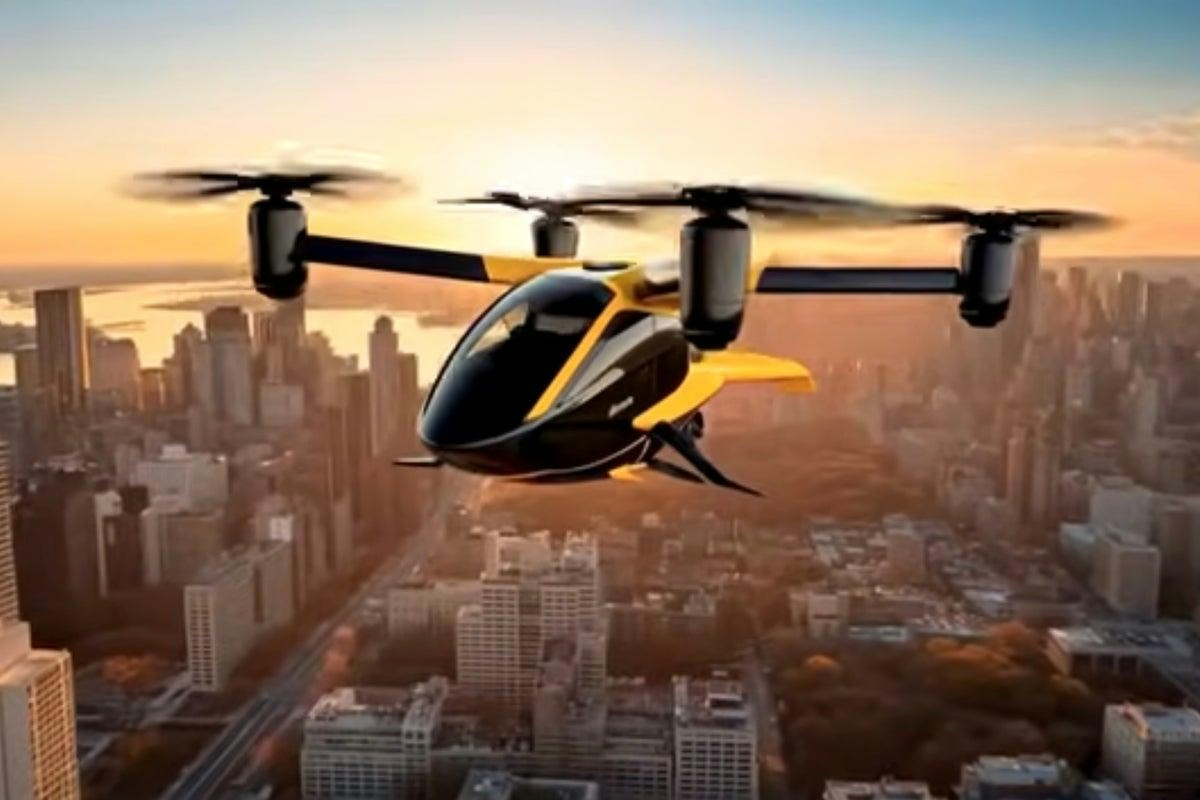
Trump Administration Advances Flying Car Testing with New Oklahoma Facility
The Trump administration has announced plans to establish a dedicated testing facility in Oklahoma for next-generation advanced mobility aircraft, including flying car-style air taxis. Situated at the 1,100-acre Mike Monroney Aeronautical Center in Oklahoma City, the project will feature an $8.3 million testing area known as the Vertical Take-Off and Landing Procedures and Analysis Range (V-PAR). This initiative aims to support the development and integration of emerging aviation technologies.
Facility Design and Purpose
According to the Federal Aviation Administration (FAA), the V-PAR is specifically designed to accommodate larger electric and hybrid aircraft, with a focus on vertical takeoff and landing capabilities. The facility will include a touchdown and liftoff area, taxiways, electric aircraft charging stations, and an observation and operations building. Construction is planned for the west side of the aeronautical center, adjacent to Will Rogers World Airport and existing aviation infrastructure.
Deputy Secretary Steven Bradbury emphasized the importance of the project, stating, “The V-PAR is a critical step in helping the FAA better understand how to integrate advanced air mobility aircraft safely into the National Airspace System. This facility will strengthen our ability to conduct research, train people, and support the future of aviation.” The center is expected to be completed by summer 2027, with potential future expansions including additional landing sites, increased charging capacity, a second vertipad, and a short takeoff and landing runway.
Context and Industry Challenges
This development follows the Department of Transportation’s release of the nation’s first “Advanced Air Mobility National Strategy” in December, which sets an ambitious timeline for demonstrations and initial operations of new aircraft as early as next year. The strategy envisions expanded air operations in both urban and rural areas by 2030.
Despite this forward momentum, the advanced air mobility sector faces significant challenges. Legal disputes and internal conflicts among leading air taxi manufacturers such as Joby, Archer, and Vertical have raised concerns about delays in certification processes. These issues, combined with broader skepticism regarding the commercial viability of flying cars, have contributed to a decline in share prices for major companies in the field this year. As certification timelines extend and competition intensifies, market confidence remains cautious.
Nonetheless, federal officials maintain optimism that the Oklahoma facility will be instrumental in advancing aviation innovation and securing the United States’ leadership in aerospace technology.

Hong Kong's Five-Year Plan Includes Andrew Fan's Aircraft Parts Processing Hub Proposal

ACIA Aero Leasing Delivers ATR72-600 to Air Nostrum

RTX Appoints Jill Albertelli as Head of Pratt & Whitney

TAT Technologies Joins Beyond Aero Hydrogen Aircraft Program

AURAK Study Highlights Barriers to Air Taxi Adoption in Emerging Economies

Xiamen Air Selects Altitude for 787 Maintenance at Heathrow

Etihad and Swissport Extend Global Partnership
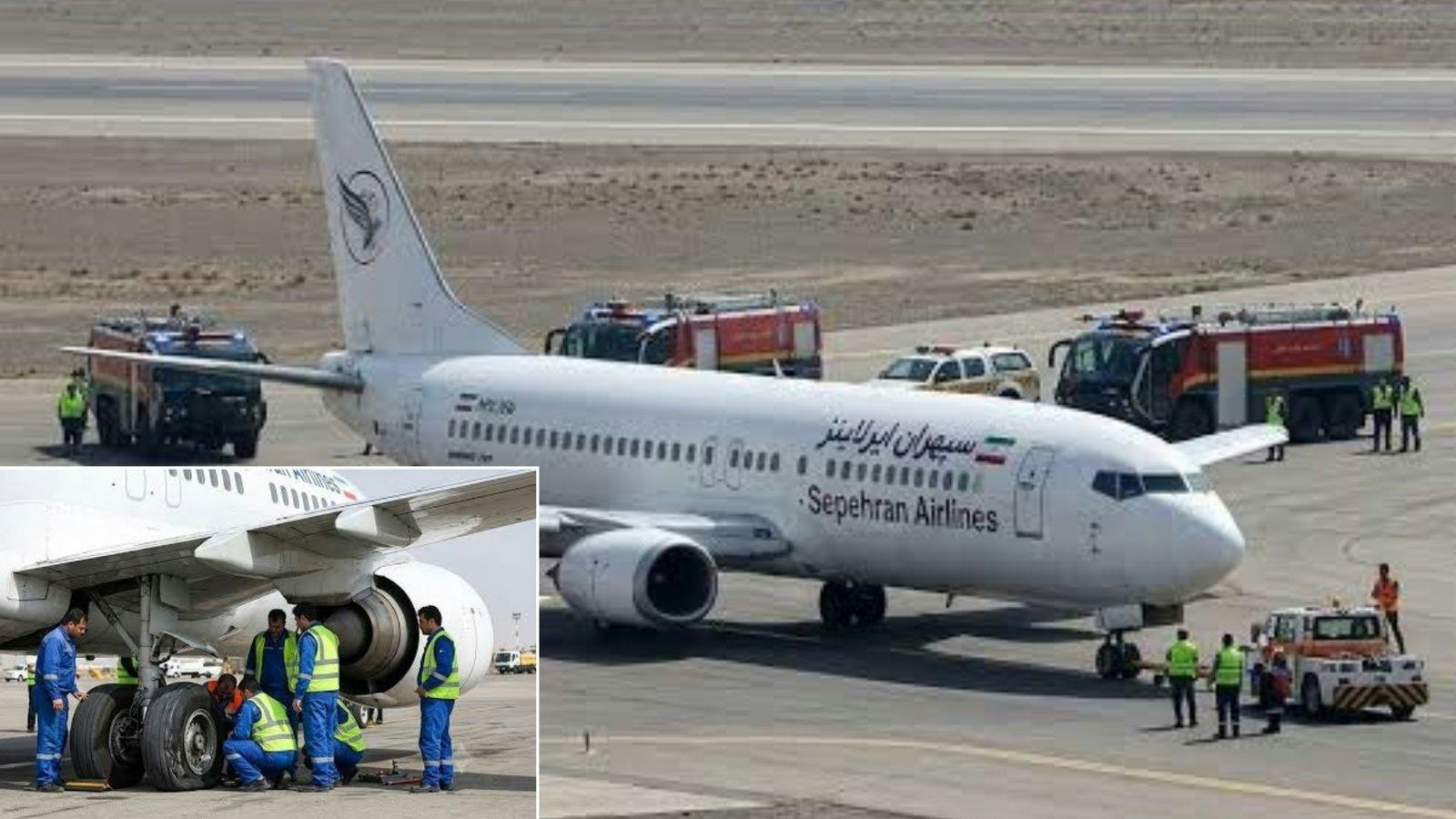
Sepehran Airlines B737 Returns to Mashhad After Tyre and Engine Issues

Etihad Deploys Widebody Fleet to Meet Strong Demand

Korean Air Finalizes $36.2 Billion Deal with Boeing
