
Orquesta conocimientos de IA para convertirlos en acción

Tendencias
Categories
Turkish Airlines Grounds 45 Airbus Jets Due to Engine Issues
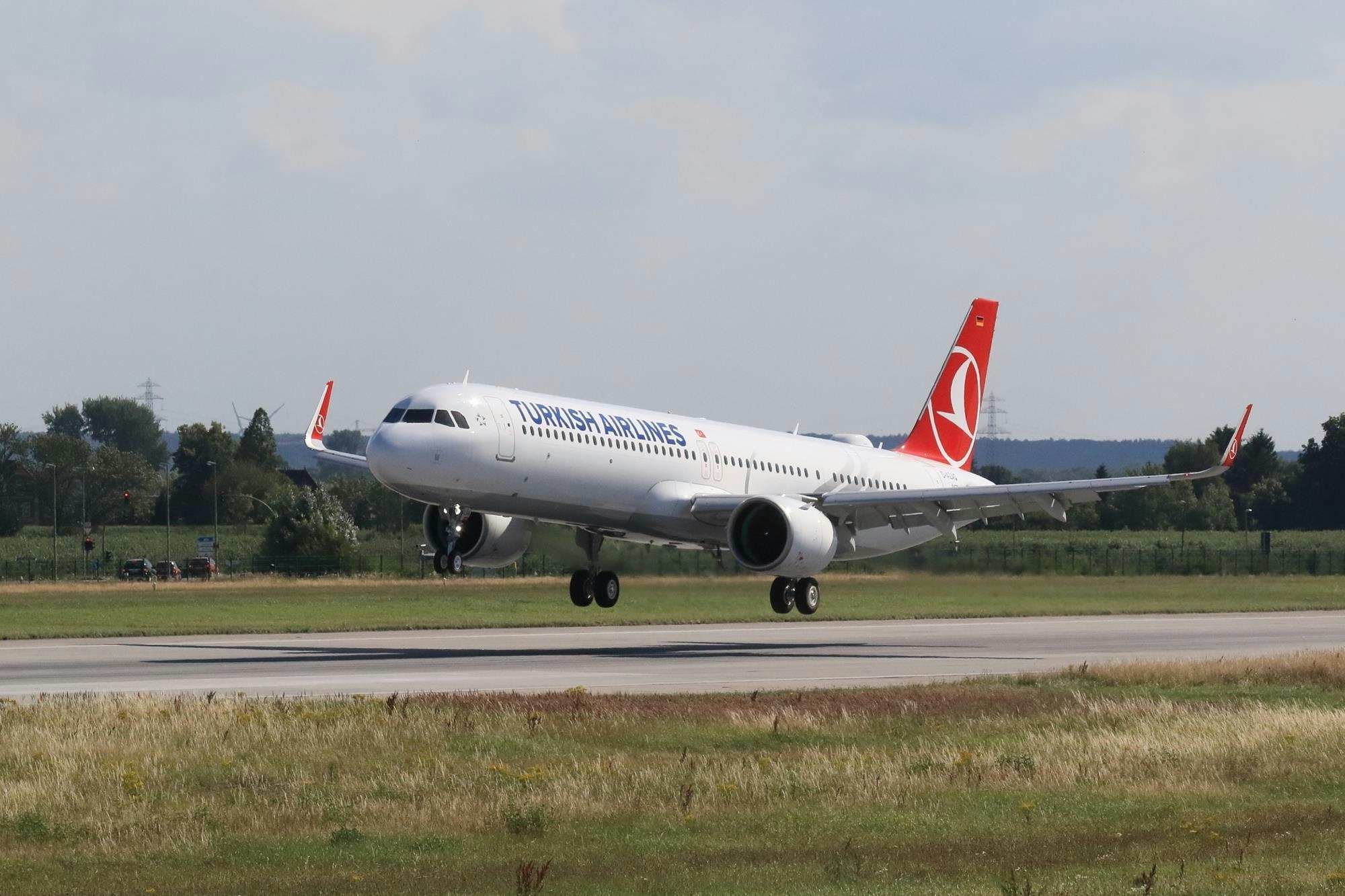
Turkish Airlines Grounds 45 Airbus Jets Amid Prolonged Engine Repair Delays
Turkish Airlines is facing significant operational challenges as it contends with extended delays in engine repairs, resulting in dozens of its Airbus jets remaining grounded through at least 2027. The airline’s chief financial officer, Murat Seker, revealed that the carrier began 2024 with 35 Airbus aircraft out of service and expects this number to rise to 45 by the end of 2025. The prolonged maintenance backlog primarily affects Pratt & Whitney engines, which power many of the airline’s Airbus A320neo-family jets.
Maintenance Backlog and Industry-Wide Impact
The repair turnaround times for these engines have averaged approximately 200 days, a delay that has not only disrupted Turkish Airlines but also impacted other carriers worldwide, including Hungary’s Wizz Air and Ascend Airways. Seker emphasized that the situation is unlikely to improve in the near term, with a “significant number” of aircraft expected to remain grounded for the foreseeable future. This ongoing issue poses operational risks for Turkish Airlines, potentially affecting flight schedules and passenger services. Aviation regulators may increase scrutiny, and the airline could face compensation claims from passengers affected by cancellations or delays.
The shortage of available aircraft has also contributed to rising airfares and increased costs for engine spare parts, complicating negotiations between airlines and maintenance providers. While Turkish Airlines has secured “some reasonable compensation” from Pratt & Whitney, a subsidiary of RTX Corp, the broader industry continues to grapple with these challenges. RTX CEO Chris Calio acknowledged in September that although the number of grounded aircraft had stabilized, further efforts are required to resolve the issues. The company anticipates a 30 percent year-on-year increase in maintenance, repair, and overhaul services.
Implications for Turkish Airlines’ Fleet Strategy
The engine repair delays are influencing Turkish Airlines’ future fleet plans. In a recent announcement, the airline revealed a deal with Boeing for 225 new jets, including 150 737 Max aircraft. However, the agreement is contingent upon securing engines from CFM International, a joint venture between GE and Safran. The airline’s broader expansion strategy, which also involves acquiring Boeing 787s, remains subject to ongoing negotiations regarding engine supply and reliability.
As Turkish Airlines and other carriers navigate these prolonged repair delays, the situation underscores the mounting pressures on global aviation supply chains. The industry faces an urgent need for durable solutions to maintain fleet reliability and uphold passenger confidence amid these operational disruptions.

Etihad Airways Suspends Airbus A380 Flights on Key Route

Aditya Birla Group Seeks Approval for Aircraft Leasing in GIFT City

Qatar Airways Highlights Innovation and Connectivity at Arabian Travel Market 2026

Hong Kong's Five-Year Plan Includes Andrew Fan's Aircraft Parts Processing Hub Proposal

ACIA Aero Leasing Delivers ATR72-600 to Air Nostrum

RTX Appoints Jill Albertelli as Head of Pratt & Whitney

TAT Technologies Joins Beyond Aero Hydrogen Aircraft Program

AURAK Study Highlights Barriers to Air Taxi Adoption in Emerging Economies

Xiamen Air Selects Altitude for 787 Maintenance at Heathrow

Etihad and Swissport Extend Global Partnership
