
Orquesta conocimientos de IA para convertirlos en acción

Tendencias
Categories
Why the Boeing 777X Has Unique Wingtips Compared to Other Widebodies
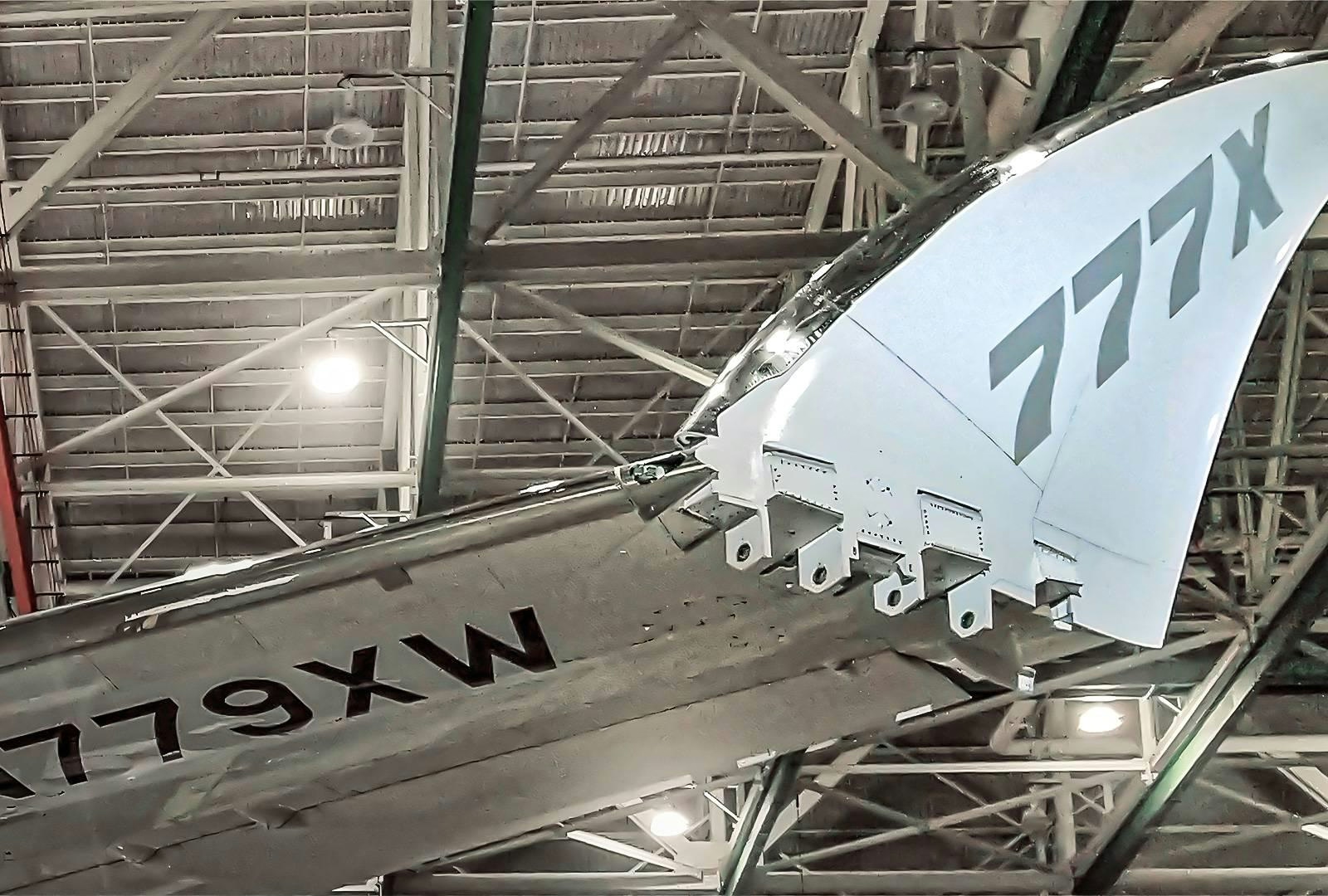
Why the Boeing 777X Features Unique Folding Wingtips
The Boeing 777X, while appearing as a modern evolution of the long-standing 777 family that has transported nearly four billion passengers since 1995, distinguishes itself through a singular design innovation: its folding wingtips. Unlike any other commercial widebody aircraft, the 777X’s outer wing sections fold upward when the plane is on the ground, creating a distinctive visual during taxiing and gate operations.
Addressing Practical Challenges with Folding Wingtips
The primary motivation behind this design lies in reconciling aerodynamic efficiency with airport infrastructure limitations. The 777X boasts the largest wingspan ever installed on a commercial airliner, measuring 235 feet (71.8 meters) when fully extended. This expansive wingspan significantly enhances aerodynamic performance by increasing lift and reducing drag, which translates into up to 20% lower fuel consumption and emissions compared to earlier models. Such improvements make the aircraft more economical and environmentally sustainable for long-haul flights.
However, the increased wingspan presents a logistical challenge. Aircraft with such dimensions typically fall into a higher airport compatibility category, necessitating costly upgrades to airport gates and taxiways. To circumvent this, Boeing engineered folding wingtips that reduce the wingspan to 212 feet (64.9 meters) while on the ground. This innovation allows the 777X to utilize existing airport infrastructure designed for its predecessors and the 787 Dreamliner, facilitating a smoother integration into airline fleets without extensive facility modifications.
The Folding Mechanism and Operational Integration
The folding wingtip system is both elegant and functional. Each wing’s outer segment is hinged to rotate upward during ground operations. This mechanism is engaged after landing and during taxiing, effectively reducing the aircraft’s footprint and easing maneuverability on the tarmac. Prior to takeoff, the wingtips are extended and securely locked, restoring the full wingspan necessary for optimal aerodynamic performance during flight.
Implications for the Aviation Industry
The introduction of folding wingtips on the 777X marks a significant advancement in commercial aircraft design. While the technology adds complexity and cost to manufacturing, the anticipated benefits in fuel efficiency and operational flexibility have garnered positive responses from airlines and industry experts alike. This innovation may prompt competitors to explore similar wingtip technologies to maintain market relevance.
Boeing’s pioneering approach with the 777X could establish folding wingtips as a new standard for future widebody aircraft, potentially shaping design trends and operational practices across the aviation sector.

Etihad Airways Suspends Airbus A380 Flights on Key Route

Aditya Birla Group Seeks Approval for Aircraft Leasing in GIFT City

Qatar Airways Highlights Innovation and Connectivity at Arabian Travel Market 2026

Hong Kong's Five-Year Plan Includes Andrew Fan's Aircraft Parts Processing Hub Proposal

ACIA Aero Leasing Delivers ATR72-600 to Air Nostrum

RTX Appoints Jill Albertelli as Head of Pratt & Whitney

TAT Technologies Joins Beyond Aero Hydrogen Aircraft Program

AURAK Study Highlights Barriers to Air Taxi Adoption in Emerging Economies

Xiamen Air Selects Altitude for 787 Maintenance at Heathrow

Etihad and Swissport Extend Global Partnership
