
Orquesta conocimientos de IA para convertirlos en acción

Tendencias
Categories
Wing Completes Nearly 1,000 Drone Deliveries Within World Cup No-Fly Zones
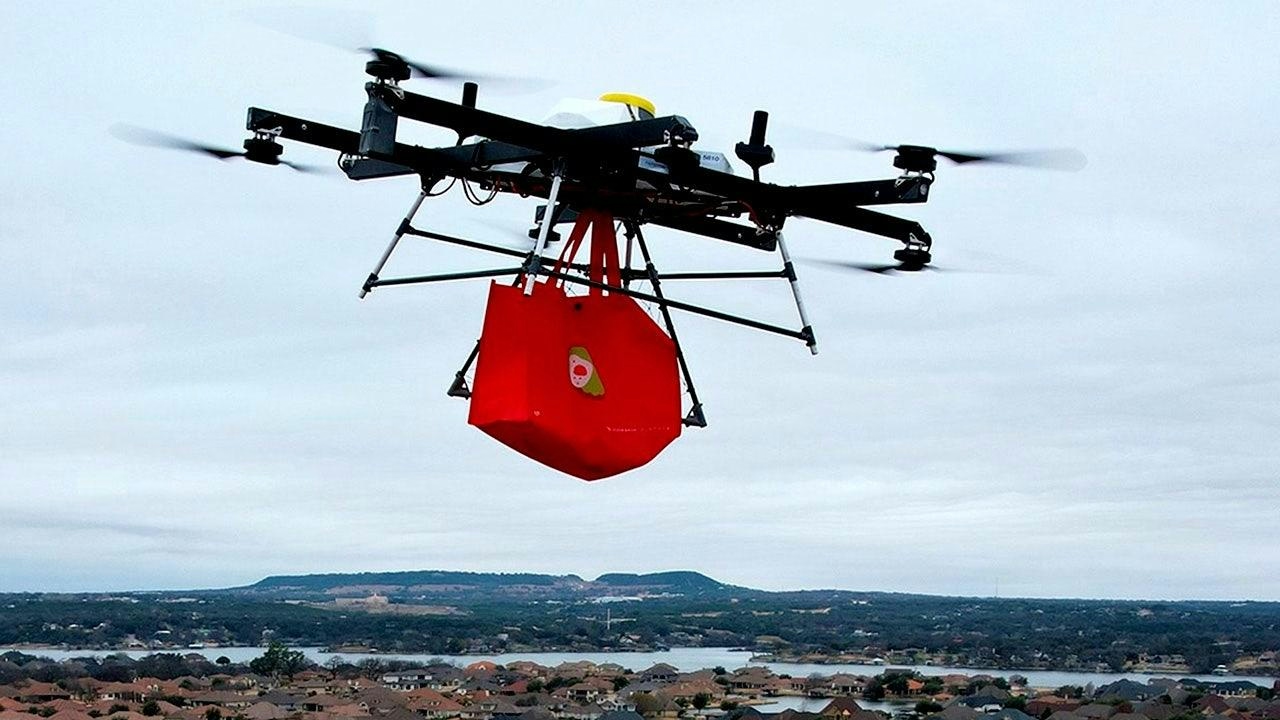
Wing Completes Nearly 1,000 Drone Deliveries Within World Cup No-Fly Zones
Navigating Complex Airspace Restrictions During the 2026 FIFA World Cup
Wing has successfully completed close to 1,000 drone deliveries within Temporary Flight Restriction (TFR) zones in Dallas and Charlotte during the 2026 FIFA World Cup. These operations, conducted between June 16 and July 15, took place in two U.S. cities that hosted World Cup matches and team base camps. The initiative underscores both the promise and the regulatory challenges of deploying drone delivery services in highly controlled airspace environments.
The Federal Aviation Administration (FAA) and the Department of Homeland Security (DHS) played pivotal roles in establishing nearly 250 TFRs encompassing match venues, fan festivals, team hotels, and training facilities throughout the tournament. These restrictions were implemented to ensure heightened security and safety during the event, creating significant operational hurdles for commercial drone operators. Wing’s ability to conduct deliveries within these no-fly zones was made possible through close collaboration with these federal agencies.
Regulatory Compliance and Operational Challenges
Operating under its FAA Part 135 air carrier certificate, Wing adhered to stringent regulatory requirements that govern commercial drone package delivery. FAA guidelines mandate that operators secure both Part 135 certification and specific airspace authorizations prior to commencing flights. Wing’s successful navigation of these regulatory frameworks during a period of intensified scrutiny highlights the company’s advanced technical and operational capabilities.
The World Cup also featured an extensive counter-drone operation led by the U.S. Department of Transportation, with the FAA reporting the seizure of more than 700 unauthorized drones during the tournament. This enforcement environment illustrates the challenges faced by companies like Wing in maintaining compliance while operating in sensitive airspace.
Industry Impact and Competitive Landscape
Wing’s accomplishment has been met with positive responses from consumers and retailers alike, stimulating greater interest in drone delivery services. The company’s ability to execute deliveries safely and efficiently within restricted airspace demonstrates the potential for drones to operate under strict regulatory conditions. Nonetheless, the event also highlighted ongoing challenges, including the necessity for robust compliance protocols and adaptability to technical constraints imposed by temporary airspace restrictions.
The expanding market interest has attracted attention from competitors, with companies such as DoorDash recently obtaining FAA certification and announcing plans to develop their own drone delivery fleets. This signals an intensifying competitive landscape within the commercial drone delivery sector.
As regulatory oversight and enforcement continue to evolve, Wing’s World Cup operations provide a valuable case study in balancing innovation with compliance. The experience gained during the tournament may inform future strategies for drone delivery in similarly complex and highly regulated environments.

Etihad Airways Suspends Airbus A380 Flights on Key Route

Aditya Birla Group Seeks Approval for Aircraft Leasing in GIFT City

Qatar Airways Highlights Innovation and Connectivity at Arabian Travel Market 2026

Hong Kong's Five-Year Plan Includes Andrew Fan's Aircraft Parts Processing Hub Proposal

ACIA Aero Leasing Delivers ATR72-600 to Air Nostrum

RTX Appoints Jill Albertelli as Head of Pratt & Whitney

TAT Technologies Joins Beyond Aero Hydrogen Aircraft Program

AURAK Study Highlights Barriers to Air Taxi Adoption in Emerging Economies

Xiamen Air Selects Altitude for 787 Maintenance at Heathrow

Etihad and Swissport Extend Global Partnership
