
Orquesta conocimientos de IA para convertirlos en acción

Tendencias
Categories
ZeroAvia and Marshall Aerospace Develop Hydrogen-Powered Defense Aircraft
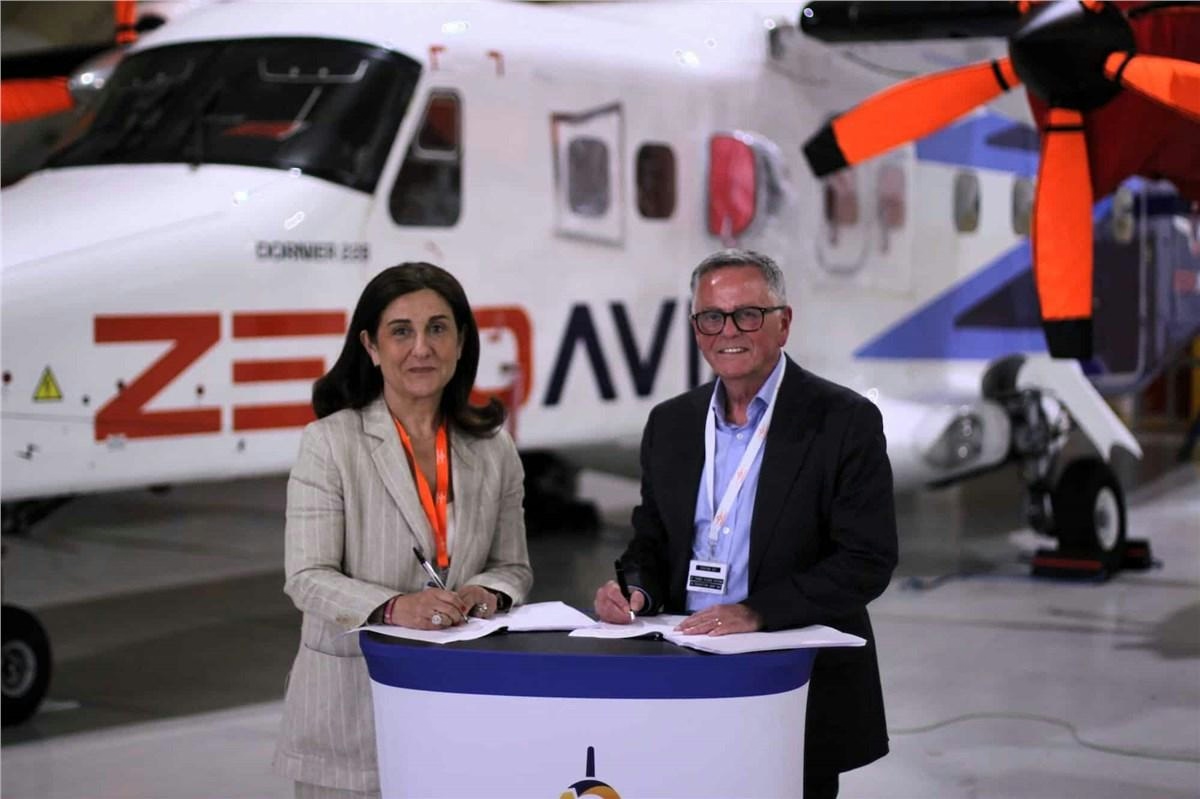
ZeroAvia and Marshall Aerospace Collaborate on Hydrogen-Powered Military Aircraft
ZeroAvia and Marshall Aerospace have entered into a strategic partnership to develop hydrogen-electric propulsion and power systems tailored for military aircraft. This collaboration aims to accelerate the integration of next-generation, low-emission technologies within defense aviation by combining ZeroAvia’s proven hydrogen-electric flight technology with Marshall’s extensive expertise in military aircraft modification, integration, and certification.
Advancing Hydrogen-Electric Systems for Defense Applications
The joint initiative will focus on incorporating hydrogen-electric propulsion into both new and existing defense platforms. Their efforts target a broad spectrum of military applications, including uncrewed aerial systems (UAS), intelligence, surveillance and reconnaissance (ISR), logistics, training, and special mission aircraft. Key technical challenges to be addressed encompass hydrogen storage solutions, aircraft integration, thermal management, safety protocols, certification processes, and long-term support throughout the aircraft lifecycle.
Christine Ourmieres-Widener, Executive Chair of ZeroAvia, highlighted the operational advantages of hydrogen-electric propulsion for military users, noting that many defense applications demand greater endurance, reduced thermal signatures, and enhanced operational flexibility beyond what current electric propulsion technologies offer. She emphasized that the partnership’s combination of validated propulsion technology and Marshall’s integration and certification capabilities could expedite the deployment of these systems.
Market Context and Industry Challenges
ZeroAvia has already reached significant milestones, including flight tests and regulatory approvals with the UK Civil Aviation Authority and the US Federal Aviation Administration. The company has secured over 3,000 pre-orders for its ZA600 and ZA2000 hydrogen-electric propulsion systems from airlines, original equipment manufacturers (OEMs), and defense customers worldwide.
Nonetheless, the timeline for operational deployment remains extended. The ZA2000 system is not expected to be operational before 2028, while the ZA600 has been delayed until at least 2030. These delays have elicited mixed reactions within the industry, with some observers expressing skepticism regarding the pace of development. Meanwhile, competitors such as Airbus and MTU Aero Engines are advancing their own hydrogen-electric engine programs through joint ventures and significant investments, intensifying competition in the race to commercialize these technologies.
The competitive environment is further complicated by increased activity from China and the United States, prompting calls within Europe for enhanced legislative support and additional funding to sustain its leadership in next-generation commercial and defense aviation. Success for the ZeroAvia and Marshall collaboration will depend not only on overcoming technical challenges but also on effectively navigating a rapidly evolving market and regulatory landscape.
Despite these hurdles, both companies remain optimistic that hydrogen-electric propulsion can offer military aircraft improved endurance, reduced acoustic and thermal signatures, lower operating costs, and greater operational flexibility, positioning them at the forefront of sustainable innovation in defense aviation.

Etihad and Swissport Extend Global Partnership

Sepehran Airlines B737 Returns to Mashhad After Tyre and Engine Issues

Etihad Deploys Widebody Fleet to Meet Strong Demand

Korean Air Finalizes $36.2 Billion Deal with Boeing
Australia’s RFDS Queensland Section Orders Six King Air 260Cs
Korean Air Finalizes Order for 103 Boeing Jets and Engines
Embraer E195-E2 Features Distinctive Engine Placement Among Regional Jets
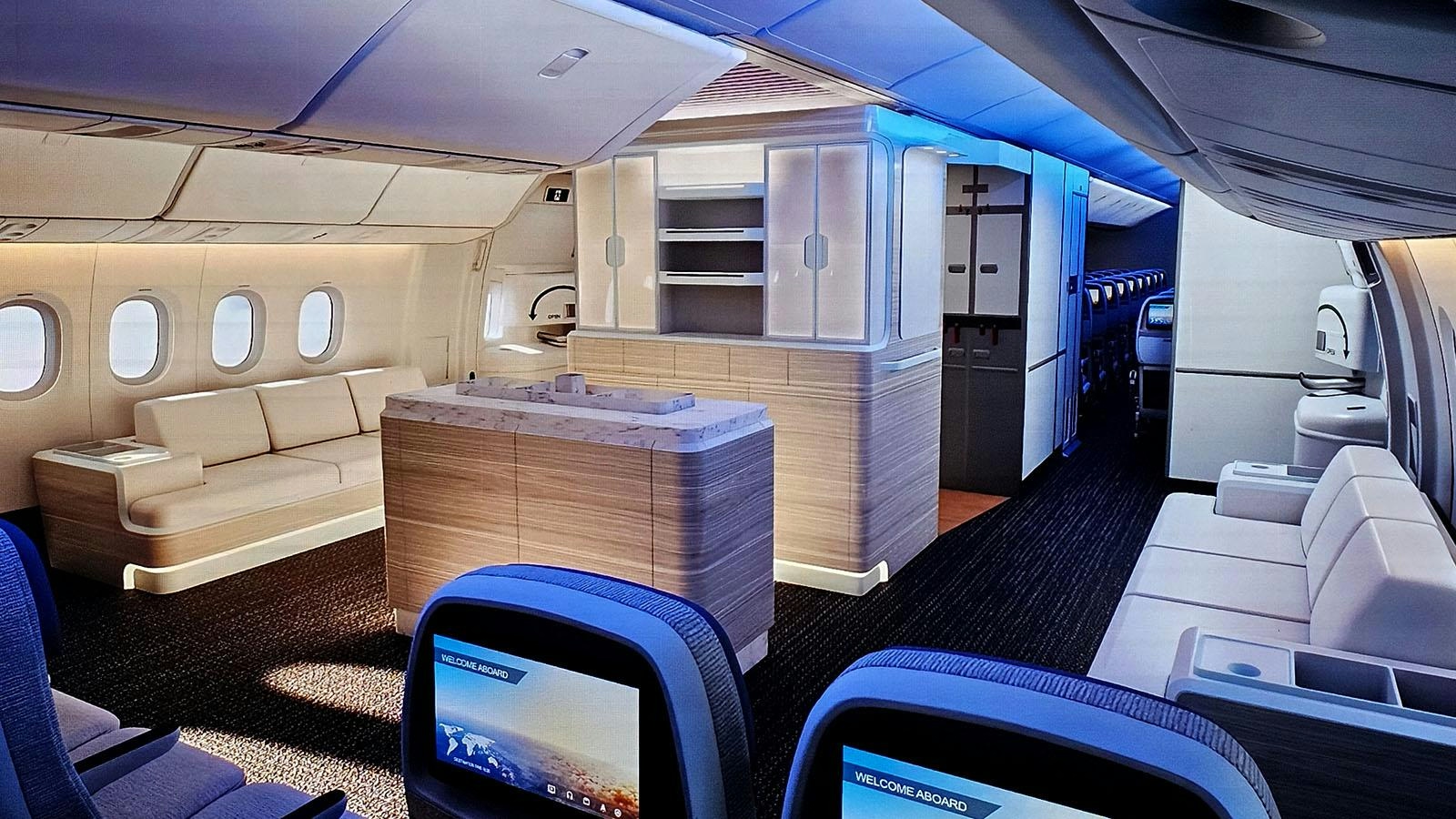
What Passengers Can Expect on Boeing’s New 777X Jet
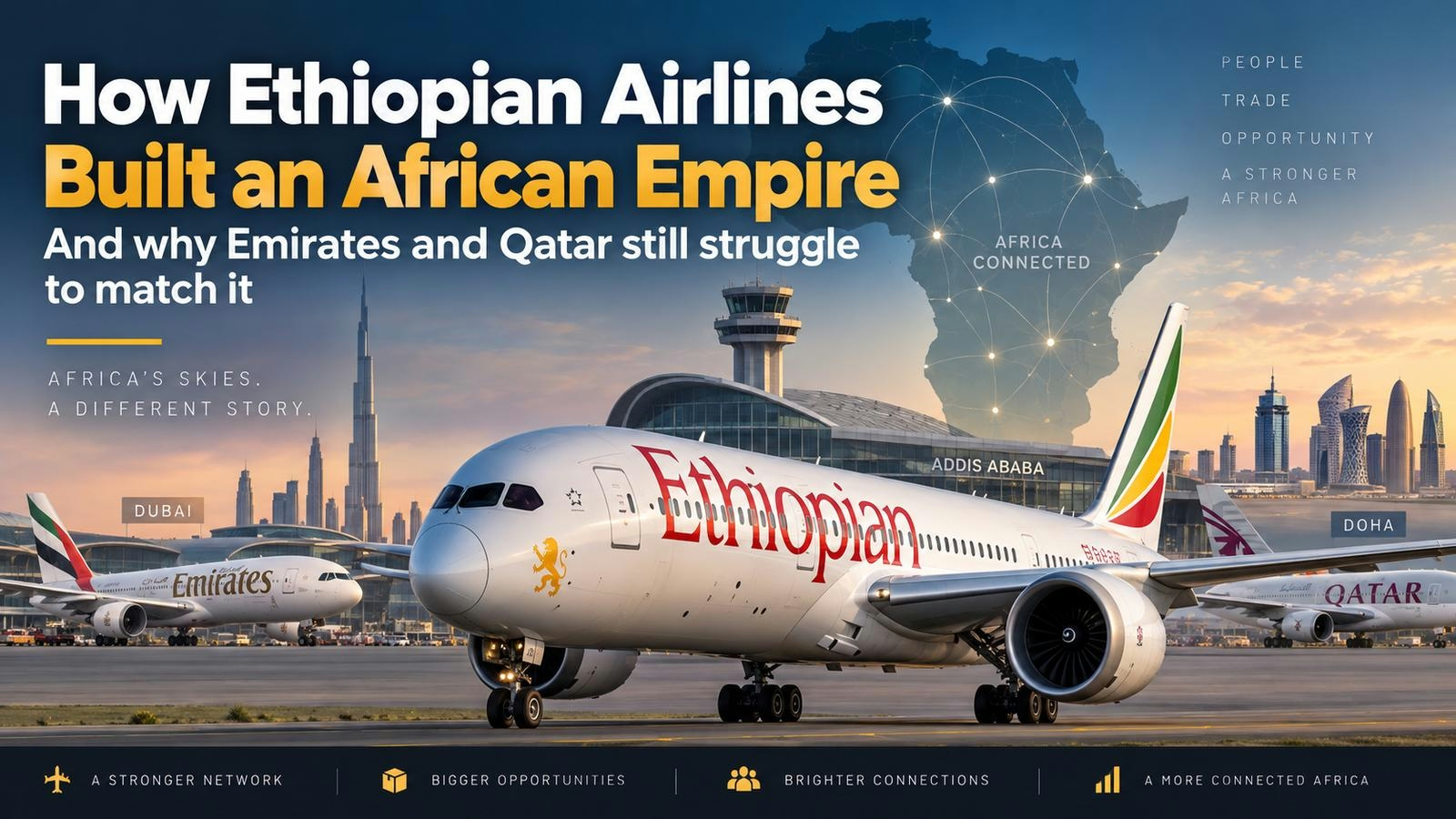
How Ethiopian Airlines Became Africa’s Leading Carrier Amid Gulf Competition

Joby Aviation Extends Autonomous Flight Capabilities with Cross-Country Tour
