
Orchestrer les insights d’IA pour les transformer en actions

Tendances
Categories
Automated Software Reduces Aircraft Engine Inspection Time
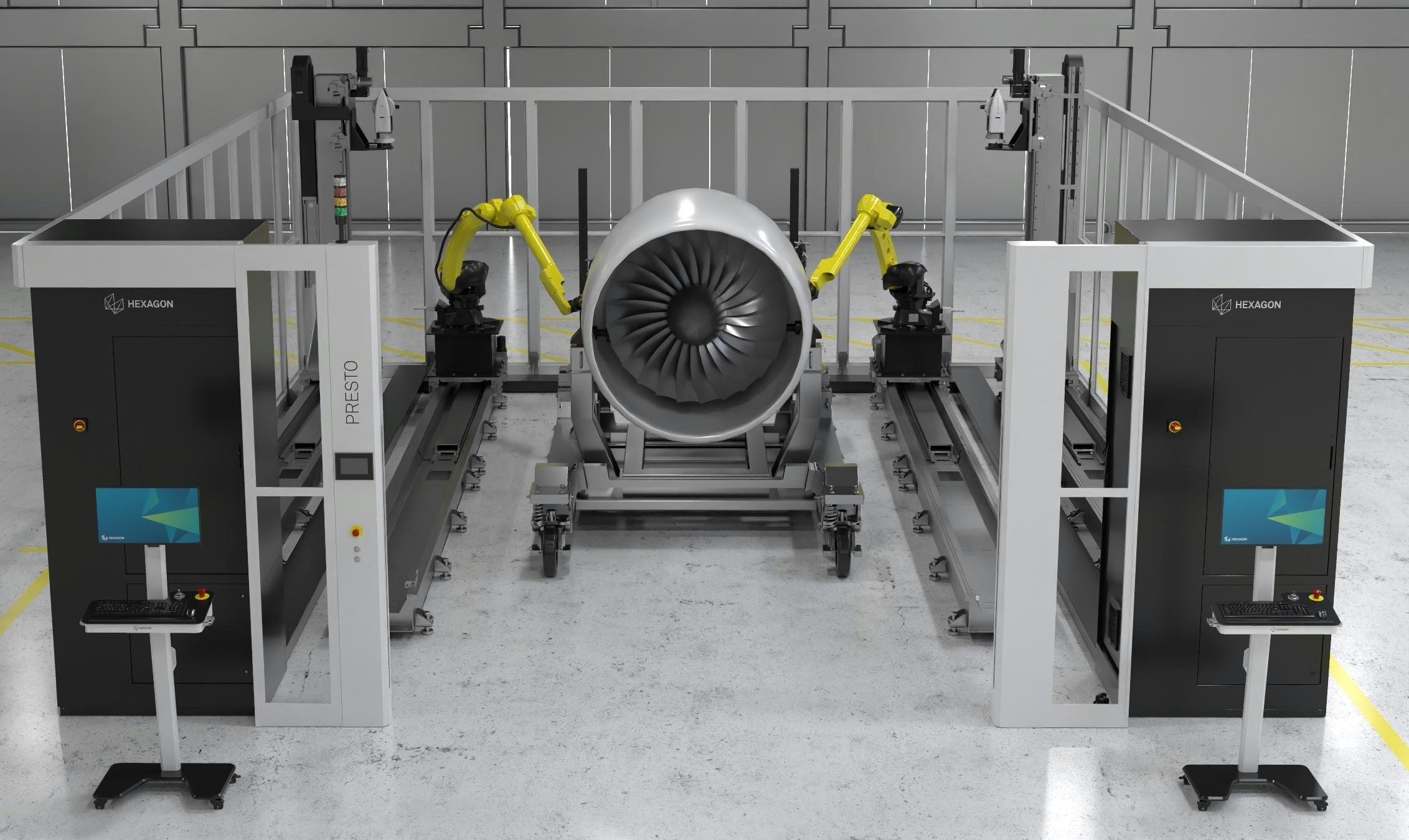
Automated Software Reduces Aircraft Engine Inspection Time
Pratt & Whitney Integrates AI Technology to Enhance Engine Maintenance
Pratt & Whitney has acquired Aiir Innovations, an Amsterdam-based company specializing in artificial intelligence-powered engine inspection technology, marking a significant advancement in the aerospace maintenance sector. This strategic acquisition enables Pratt & Whitney to incorporate AI-assisted borescope inspections into its global maintenance operations, aiming to shorten repair cycles and improve the accuracy of inspections for both commercial and military engines. Following successful trials across multiple engine programs, the company is expanding the use of this technology to streamline its maintenance processes.
Traditionally, aircraft engine inspections using borescopes have been labor-intensive and time-consuming. Technicians manually analyze hours of video footage captured inside engines to identify cracks, wear, or other damage, a process heavily reliant on experience and prone to variability. Aiir’s software automates much of this work by scanning inspection footage and flagging potential defects for further review. While final assessments remain the responsibility of human technicians, the AI system accelerates the review process, enhances consistency, and automatically generates inspection reports, thereby reducing paperwork and administrative delays.
Rob Griffiths, senior vice president of Commercial Engines Operations at Pratt & Whitney, highlighted the transformative potential of AI integration. He stated that expanding AI-assisted inspection capabilities strengthens the company’s ability to detect issues earlier, improve turnaround times, and minimize operational disruptions for customers. Griffiths emphasized that as the technology is deployed more broadly, it will fundamentally reshape how Pratt & Whitney inspects and supports engines throughout their service life.
Deployment and Advantages of AI-Assisted Inspections
The AI inspection software has already been implemented on the V2500 commercial engine, with pilot programs underway for the geared turbofan engine family and the F135 engine used in the F-35 fighter jet. These initiatives are expected to facilitate wider adoption across Pratt & Whitney’s engine portfolio.
Unlike conventional inspection software, Aiir’s platform incorporates machine learning by adapting based on inspector feedback. Engineers review and correct the AI’s recommendations, enabling the system to refine its analysis through real-world maintenance experience. Additionally, the digital inspection records generated provide maintenance teams with enhanced visibility into an engine’s service history, supporting remote collaboration and expediting decision-making. This increased efficiency has the potential to reduce aircraft downtime, allowing airlines to return planes to service more quickly and improving fleet availability for military operators.
Challenges and Industry Implications
Despite the clear benefits, integrating automated inspection software presents challenges. The initial investment required for AI technology and software integration is substantial, and some maintenance teams accustomed to traditional manual methods may be hesitant to adopt new systems. The cautious market response is reflected among competitors, who are likely to intensify their own research and development efforts to keep pace with AI-driven inspection solutions.
Pratt & Whitney’s acquisition of Aiir Innovations demonstrates a proactive commitment to enhancing operational efficiency and reducing disruptions. The company views AI-assisted analysis as a complementary tool that supports, rather than replaces, human inspectors by handling repetitive tasks and allowing technicians to focus on complex engineering judgments. As the aerospace industry faces increasing pressure to process a growing number of engines without compromising quality, digital tools such as these are becoming essential for standardizing evaluations and minimizing the risk of overlooked defects.
This investment by Pratt & Whitney aligns with a broader industry trend toward AI-assisted maintenance, driven by expanding aircraft fleets and a shortage of experienced inspectors. Manufacturers are increasingly adopting digital solutions to improve efficiency and reliability in engine maintenance, signaling a significant shift in aerospace operational practices.

Etihad and Swissport Extend Global Partnership

Sepehran Airlines B737 Returns to Mashhad After Tyre and Engine Issues

Etihad Deploys Widebody Fleet to Meet Strong Demand

Korean Air Finalizes $36.2 Billion Deal with Boeing

Australia’s RFDS Queensland Section Orders Six King Air 260Cs

Korean Air Finalizes Order for 103 Boeing Jets and Engines

Embraer E195-E2 Features Distinctive Engine Placement Among Regional Jets

What Passengers Can Expect on Boeing’s New 777X Jet

How Ethiopian Airlines Became Africa’s Leading Carrier Amid Gulf Competition

Joby Aviation Extends Autonomous Flight Capabilities with Cross-Country Tour
