
Orchestrer les insights d’IA pour les transformer en actions

Tendances
Categories
Global Flight Disruptions Expose Fragile Aviation Networks in 2026
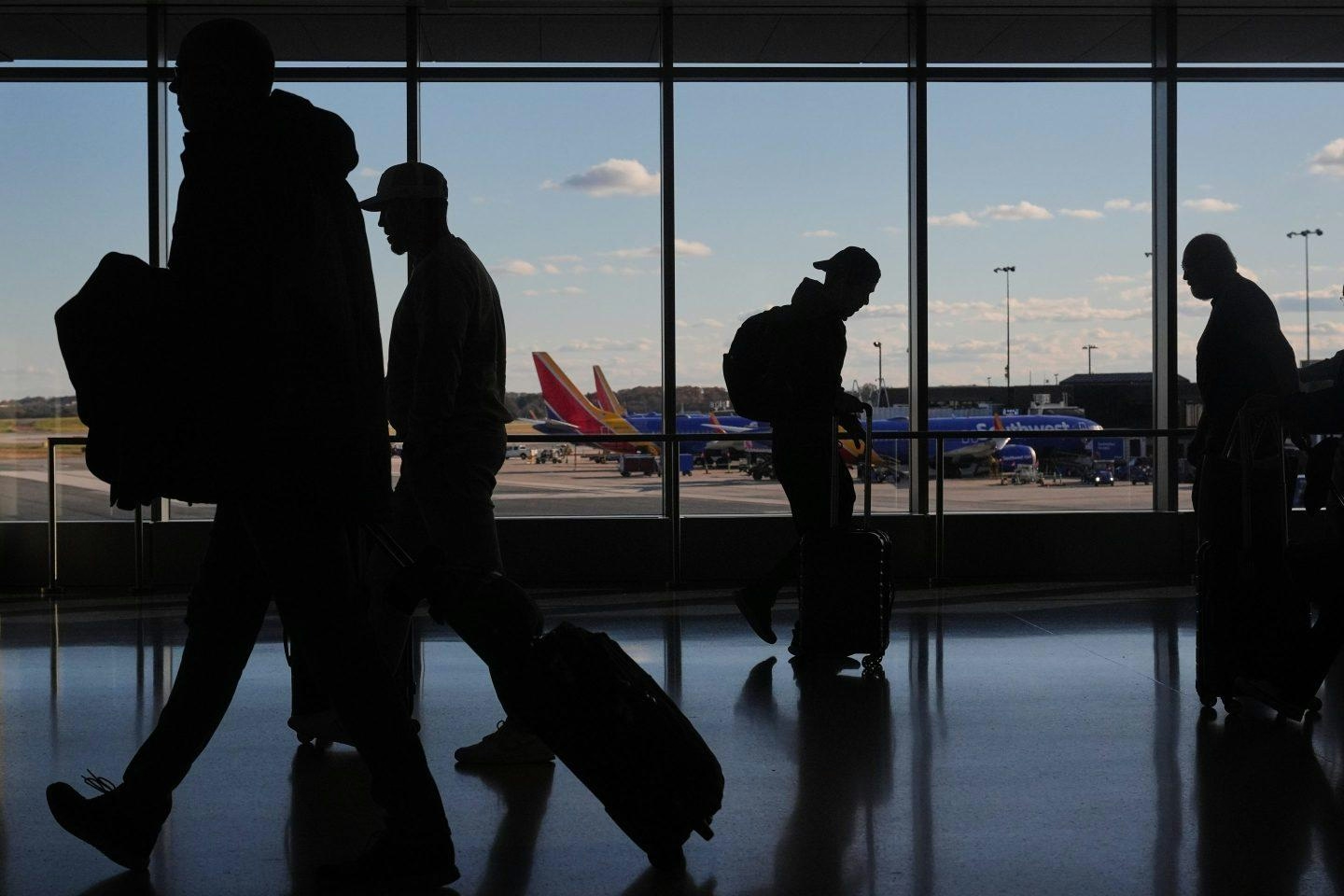
Global Flight Disruptions Expose Fragile Aviation Networks in 2026
The July 2024 Software Failure and Its Aftermath
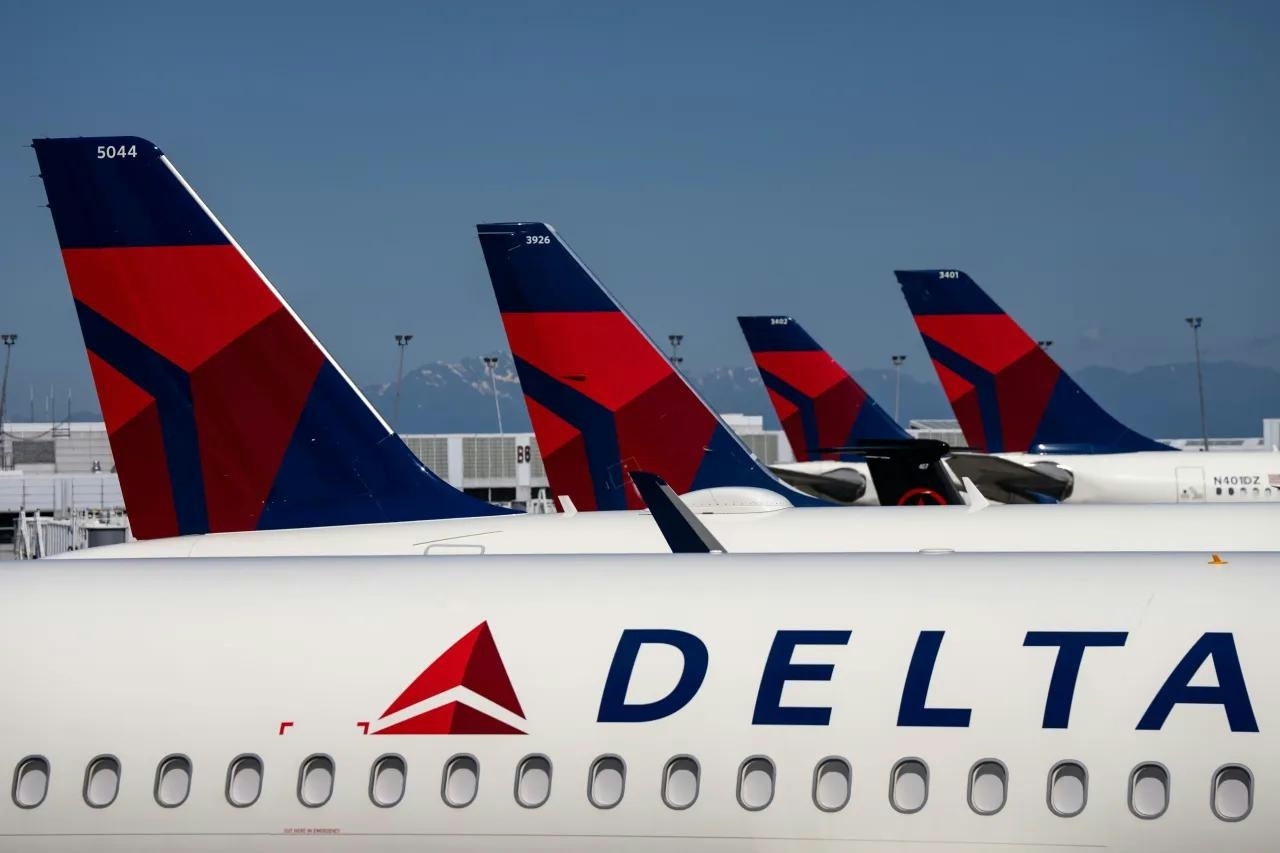
On July 19, 2024, a single software error triggered a widespread collapse across global aviation infrastructure, grounding over 5,000 flights and disrupting nearly five percent of scheduled flights worldwide. This incident exposed a critical vulnerability in modern aviation: the sector’s increasing dependence on centralized digital systems creates dangerous single points of failure. Delta Air Lines was among the hardest hit, facing thousands of cancellations over several days as its operations centers, crew management systems, and airport infrastructure struggled to recover. Financial disclosures revealed that the airline incurred losses amounting to hundreds of millions of dollars due to the outage.
The disruption originated from a faulty update issued by a major cybersecurity vendor, which incapacitated departure control systems, check-in kiosks, ground handling platforms, and even hotel networks used by stranded passengers. Recovery efforts required extensive manual workarounds across multiple continents, prolonging delays well beyond the initial day of disruption.
Structural Fragility in Aviation’s Digital Transformation
The aviation industry’s digital transformation has undoubtedly enhanced operational efficiency, but it has also introduced significant risks. Airlines now rely heavily on specialized software for critical functions such as aircraft maintenance, crew scheduling, fuel management, reservations, and real-time operations. When these systems are concentrated among a limited number of technology providers, a single vulnerability can cascade across entire networks. The July 2024 incident starkly illustrated this risk: a routine software update introduced a configuration error that caused Windows systems worldwide to crash. Within hours, airlines lost the ability to manage departures, airports were unable to process check-ins, and ground handlers lacked the data necessary to coordinate cargo and baggage.
Delta’s recovery efforts involved manual intervention at hundreds of locations, creating bottlenecks that persisted for days. Industry experts and risk consultancies have long warned about this structural fragility. The concentration of critical aviation functions within a few technology vendors means that operational resilience now depends heavily on those vendors’ quality assurance processes. This vulnerability was further underscored in 2025 when a single failed hardware component at a data center grounded Alaska Airlines’ fleet for several hours, resulting in over 150 cancellations and widespread delays. Although brief, that outage revealed a deeper truth: modern aviation networks possess minimal redundancy in their most essential systems.
Ongoing Vulnerabilities and Regional Challenges in 2026
The fragility of aviation networks extends beyond technological dependencies. In 2026, global flight disruptions have further highlighted vulnerabilities, particularly in the Middle East, where three airlines dominate international airlift. This concentration has rendered the region’s network highly susceptible to geopolitical shocks. Recent airspace closures caused massive travel disruptions, stranding thousands of passengers. Despite lessons learned from the Covid-19 pandemic, structural weaknesses within the industry remain unaddressed.
Meanwhile, rising fuel costs and increased airfares have not diminished robust travel demand. However, passengers now face additional challenges, including long security lines caused by TSA staffing shortages and heightened regulatory scrutiny. Agencies such as the Australian Competition and Consumer Commission (ACCC) are actively monitoring compliance with competition and consumer protection laws, adding further complexity to the operational environment.
The events of July 2024 and the ongoing disruptions in 2026 underscore a critical lesson: the global aviation system’s pursuit of efficiency has come at the expense of resilience. As airlines, airports, and regulators confront these challenges, the imperative for robust contingency planning and diversified infrastructure has never been more urgent. Travelers seeking real-time updates on cancellations and delays are advised to consult platforms such as FlightAware.
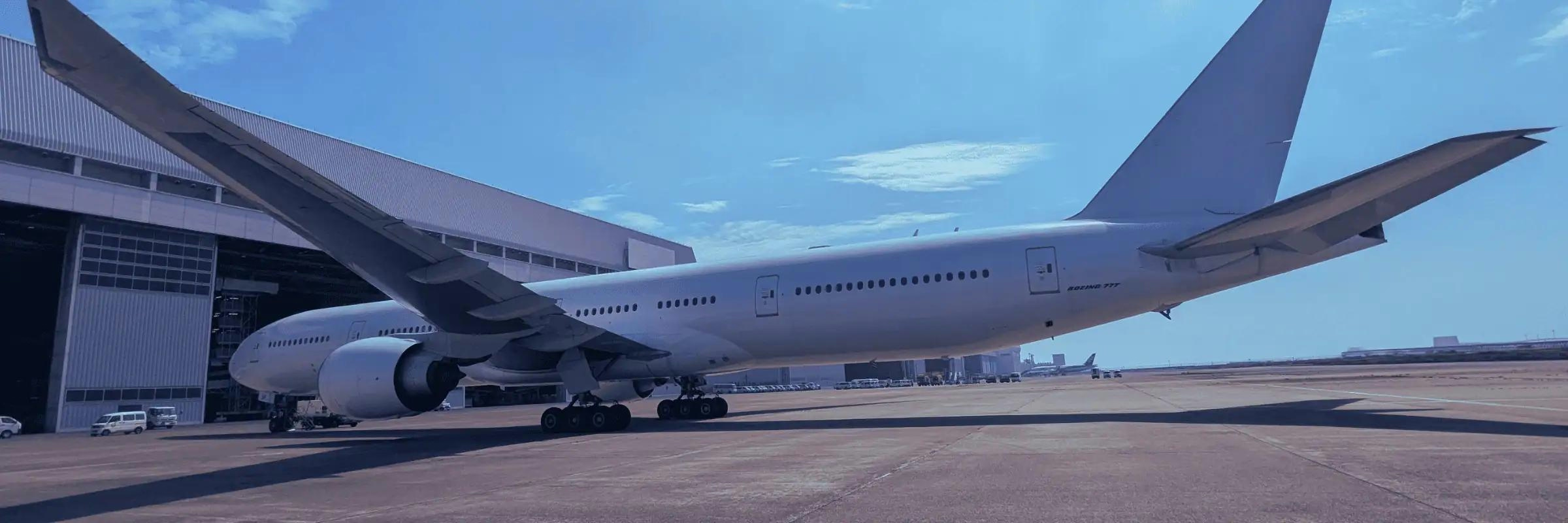
AerFin Expands Boeing 777 Fleet
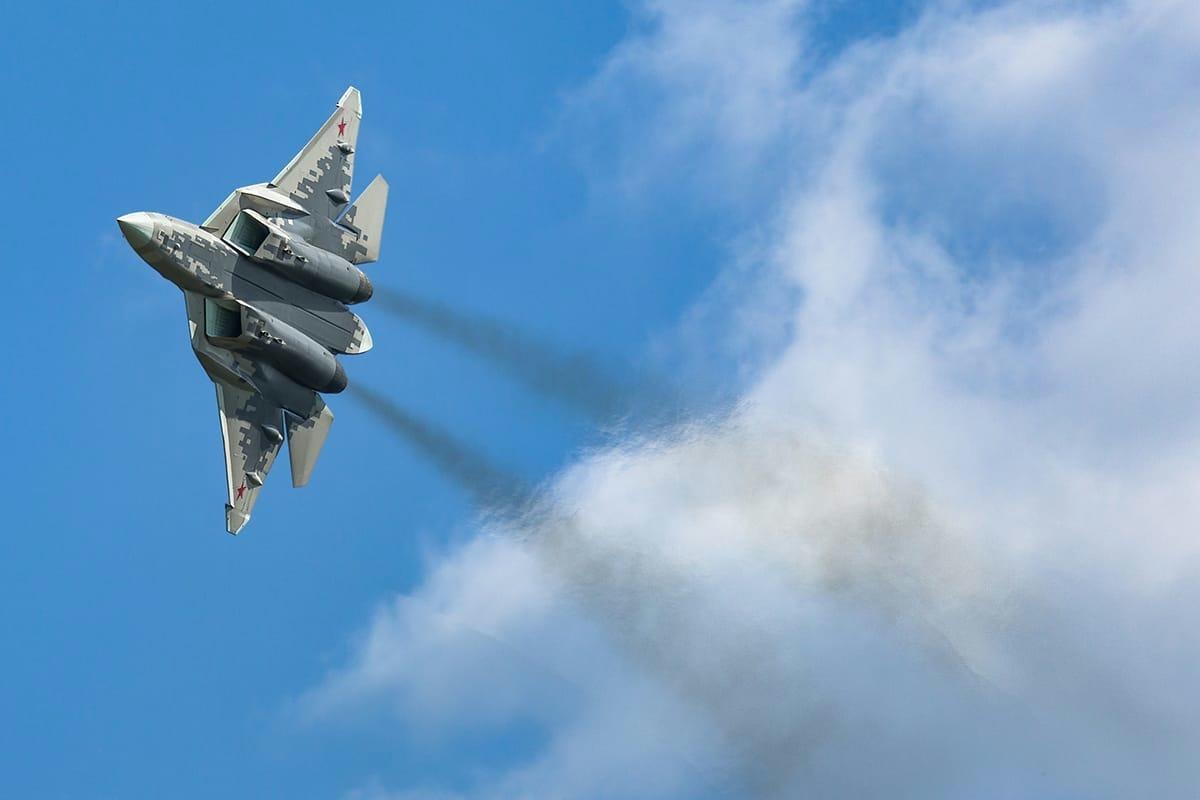
Russia Announces Combat AI Integration in Su-57D Fighter Jet

MRO Recruitment Challenges Amid Aviation’s Talent Shortage

Sustainability Shifts from Corporate Pledges to Infrastructure Investment Amid Changes in Aviation, AI, and Natural Capital

Chromalloy Celebrates 75 Years in Aerospace Engineering and Engine Lifecycle Management
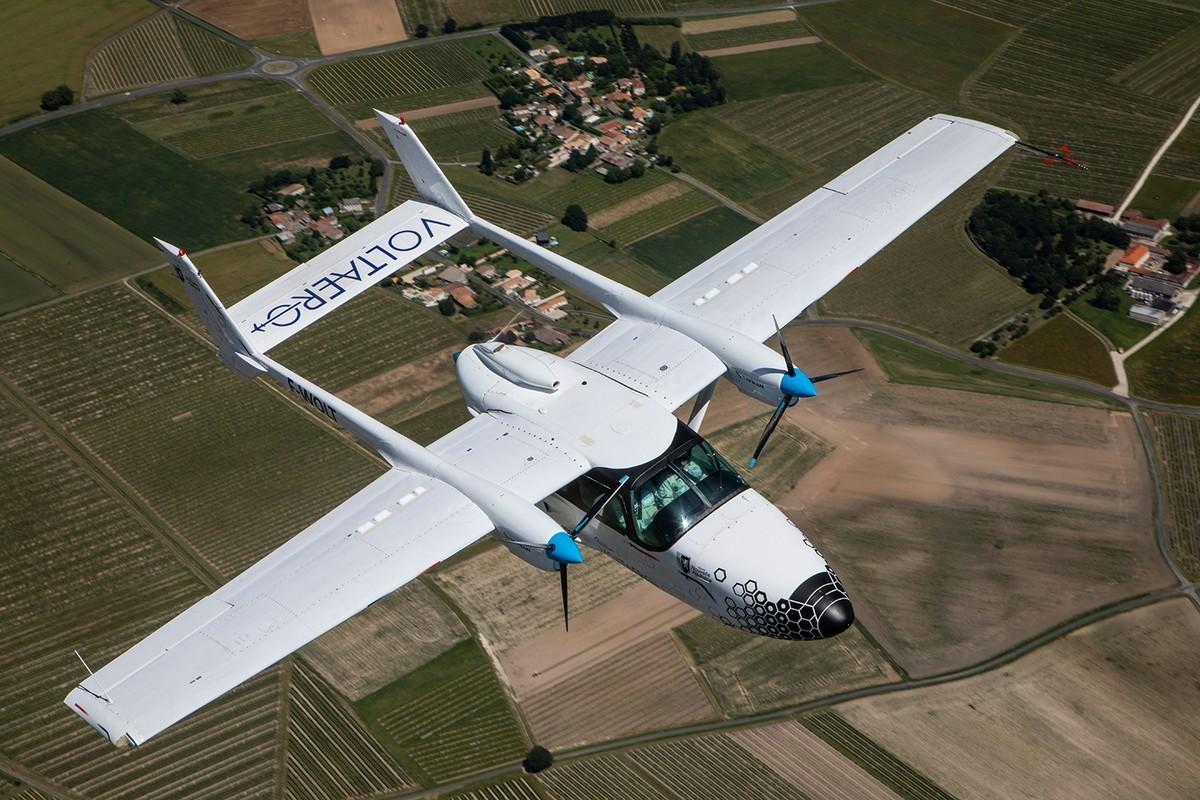
FLYTO Employs Digital Twins to Evaluate New Aircraft

Rolls-Royce Engine Repair Cuts Annual Airline Costs by $450,000 Per Aircraft
Delta Air Lines Focuses on Premium Travel and AI Amid Valuation Debate

How Companies Are Preparing for the Future of eVTOL Aircraft

Macchi M.C.72: Record-Breaking Speed of the Fastest Seaplane
