
Orchestrer les insights d’IA pour les transformer en actions

Tendances
Categories
SITA and Versa Introduce AI-Enhanced SASE Connectivity for Airlines

SITA and Versa Introduce AI-Enhanced SASE Connectivity for Airlines
Advancing Airline Connectivity with AI-Driven Technology
SITA, a global leader in air transport technology, has launched SITA Connect Fly, a next-generation managed connectivity service designed to modernize and streamline passenger handling for airlines. This innovative solution is powered by Versa’s AI-enhanced Universal Secure Access Service Edge (SASE) platform, addressing the growing need for airlines to upgrade aging network infrastructures, reduce operational costs, and close security vulnerabilities that can cause airport delays.
Building upon SITA’s established Community Connect Departure Control System (DCS) service, which currently supports check-in and boarding at over 400 locations worldwide, SITA Connect Fly integrates VersaONE, an AI-powered platform that unifies network performance and security. This integration ensures that critical airline systems, such as departure control, operate with enhanced reliability and efficiency. By leveraging Versa’s global cloud gateways, airlines gain faster response times and reduced delays through connections to the nearest access points. The platform’s dynamic bandwidth allocation prioritizes essential applications, further strengthening operational resilience.
Flexible, Secure Connectivity Across Networks and Locations
A defining characteristic of SITA Connect Fly is its flexibility in delivering connectivity across any transport layer, including ISP, MPLS, and 4G/5G networks, to any application regardless of location. This capability enables airlines to extend connectivity to even the most remote or regional airports, significantly accelerating deployment timelines to just a few weeks. The service’s comprehensive SASE features combine cloud-delivered Security Service Edge (SSE) with the benefits of software-defined wide area networking (SD-WAN), extending robust security protections to mobile endpoints, non-airport sites, and broader travel industry operations.
The service is fully integrated with SITA’s common-use systems for check-in and self-service, including CUTE and CUSS, as well as SITA Flex. This integration facilitates real-time data processing across SITA’s digital ecosystem, supporting airlines and airports in delivering more connected, efficient, and reliable services to travelers.
Challenges and Market Implications
Despite its promise, the rollout of AI-enhanced SASE connectivity presents challenges. Integrating advanced AI security features into existing airline systems and ensuring seamless interoperability with current networks will require meticulous planning. Additionally, the rapidly evolving cybersecurity landscape necessitates ongoing vigilance from both SITA and Versa to counter emerging threats.
Market analysts anticipate a strong response to the launch, as airlines increasingly demand robust, future-proof security solutions. The introduction of SITA Connect Fly is likely to prompt competitors such as Cato Networks and Netskope to accelerate enhancements to their own AI-driven SASE offerings. Industry observers expect rivals to respond with competitive pricing strategies or new feature developments to maintain their positions in this fast-evolving sector.
Martin Smillie, Senior Vice President for Communications and Data Exchange at SITA, underscored the urgency for modernization: “Airlines across the world are telling us the same thing: They need faster, more resilient systems to keep up with growing passenger volumes and increased cloud services. SITA Connect Fly provides a managed secure connectivity service for pre-flight operations worldwide, helping reduce the risk of outages and keeping network and security policies consistent across airports.”
For passengers, these technological advancements promise smoother check-in processes, more reliable boarding, and a less stressful travel experience, aligning with the industry’s objective of delivering seamless, secure, and efficient journeys.
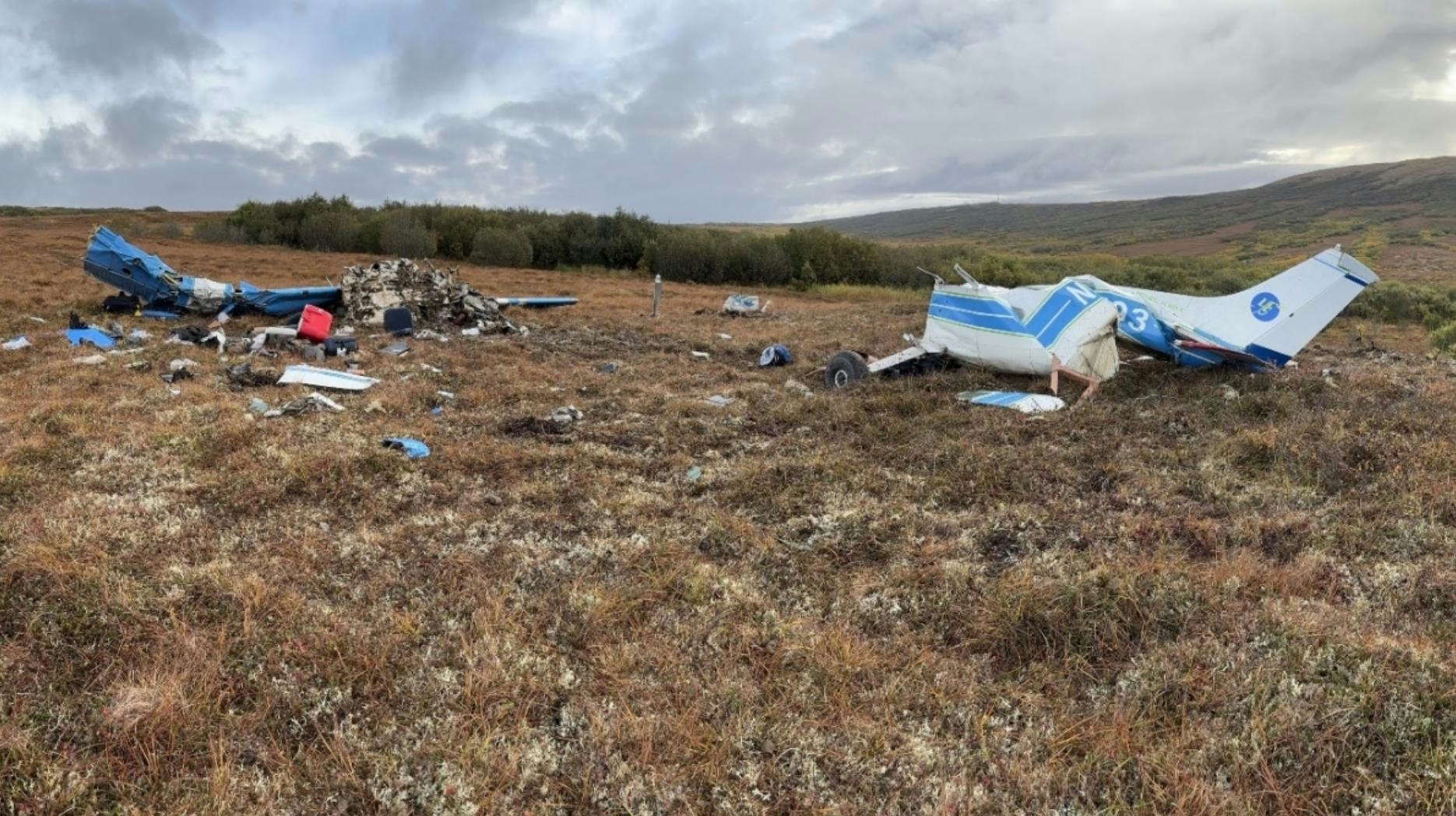
Eight Aboard Twin-Engine Cessna Crash in Remote Alaska
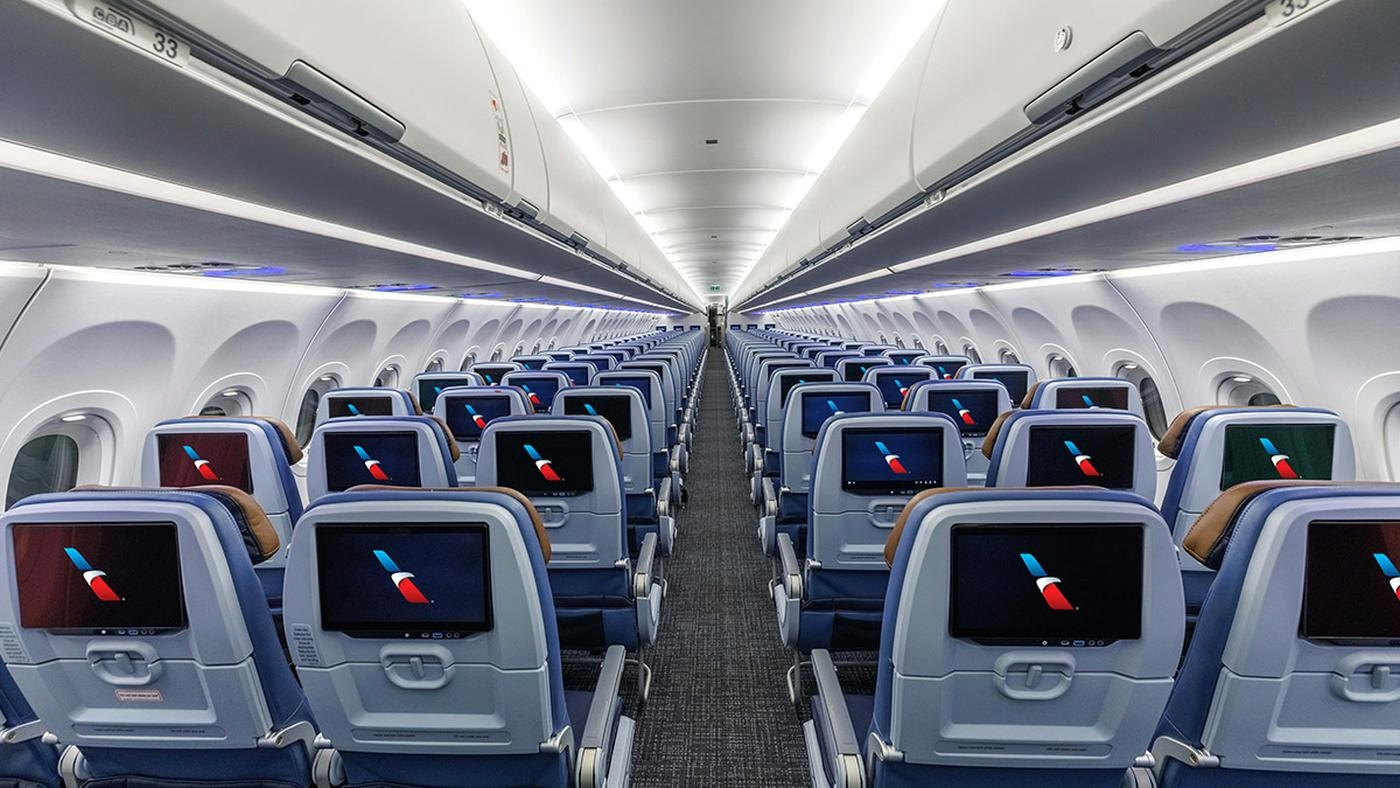
American Airlines Plans to Receive New Aircraft Deliveries in 2026
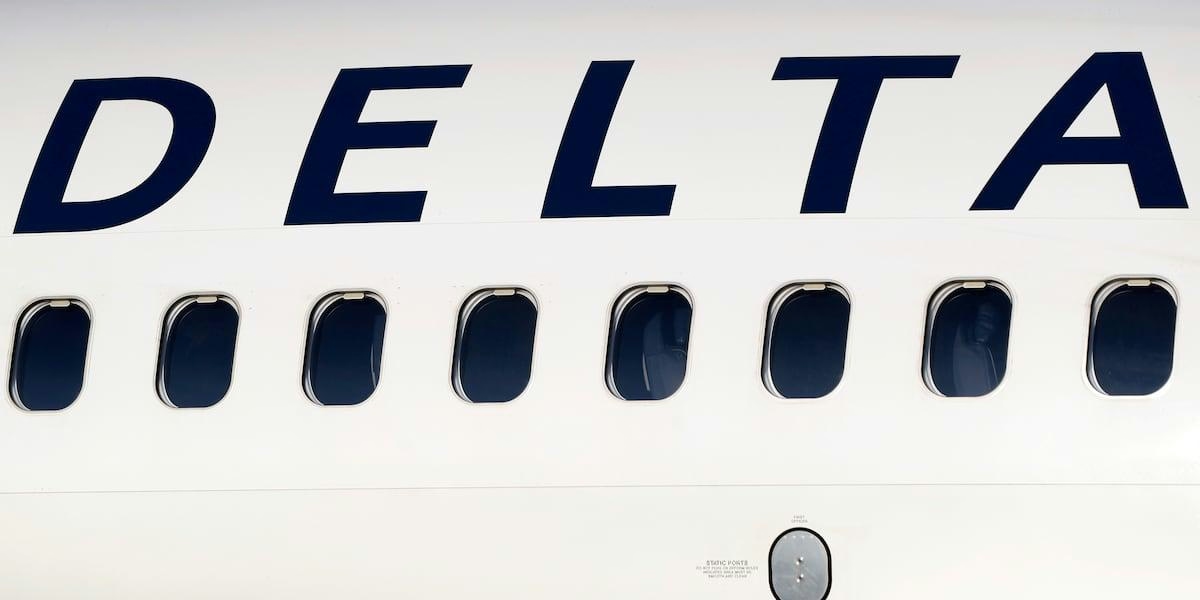
Delta Flight Returns to Atlanta Airport Due to Engine Trouble

Samoa Airways Recovers Damaged DHC-6-300 Aircraft
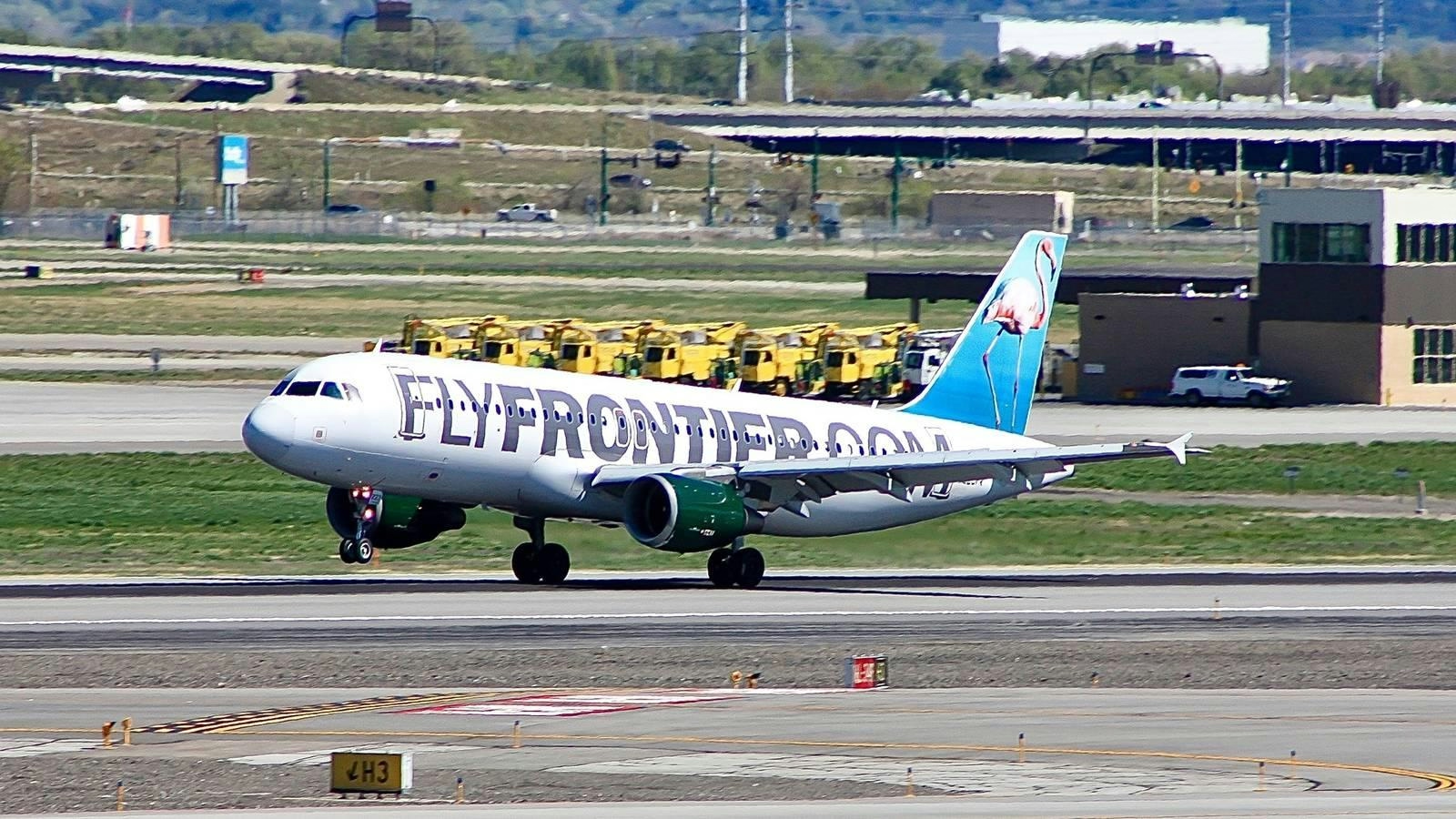
Man Ingested by Frontier Airlines Engine Marks Denver’s Sixth Airfield Security Breach in Three Years
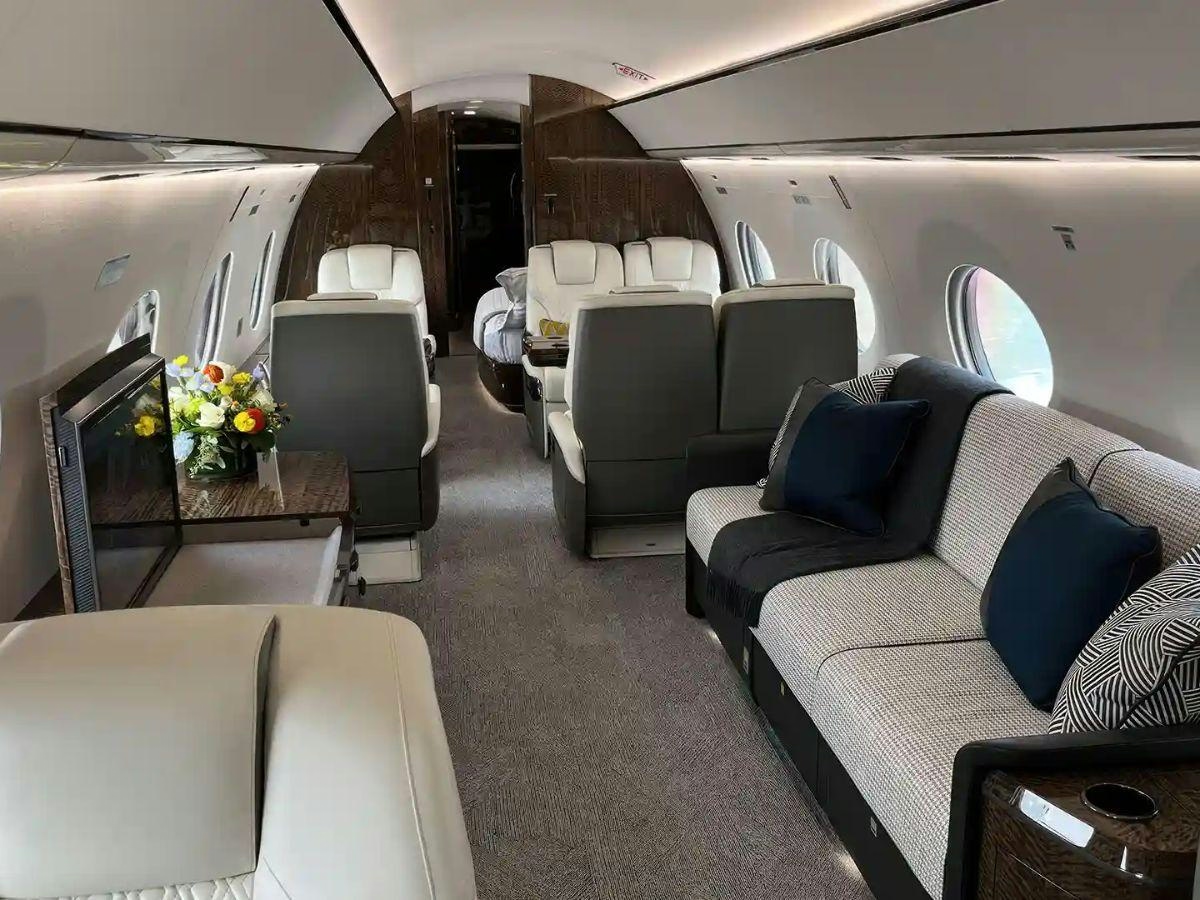
The Advantages and Disadvantages of Owning Versus Leasing a Private Jet
Former Spirit Employees Express Concerns Over AI Partnership With Google
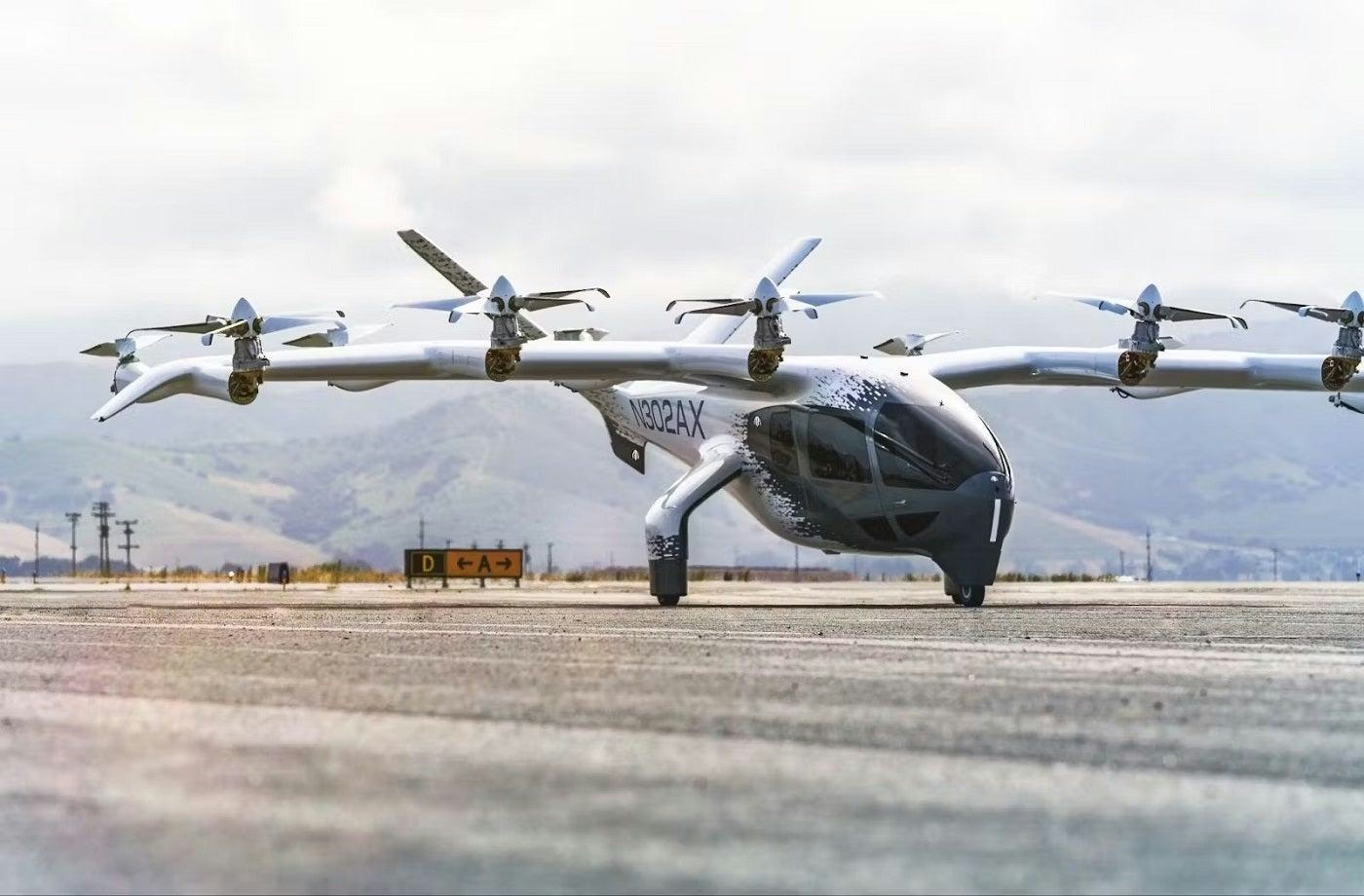
China Certifies Pilotless Air Taxi for Export; Sri Lanka First Buyer
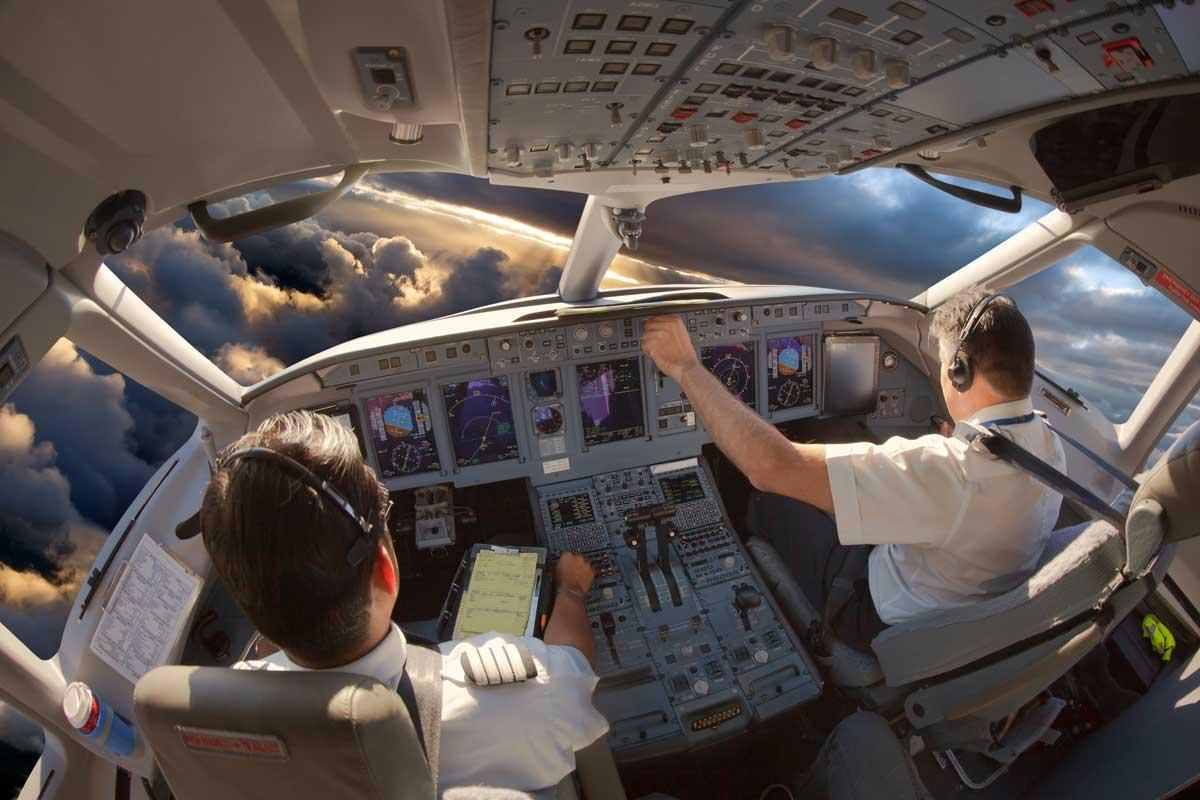
US Pilot Hourly Pay Ranges from $90 for Regional to $465 for Widebody Flights

NASA Chooses University Teams to Support Aviation Research
