
Orchestrer les insights d’IA pour les transformer en actions

Tendances
Categories
Switzerland Grounds Two Airbus A220-100 Jets to Maintain Larger A220-300 Fleet Amid Engine Shortages
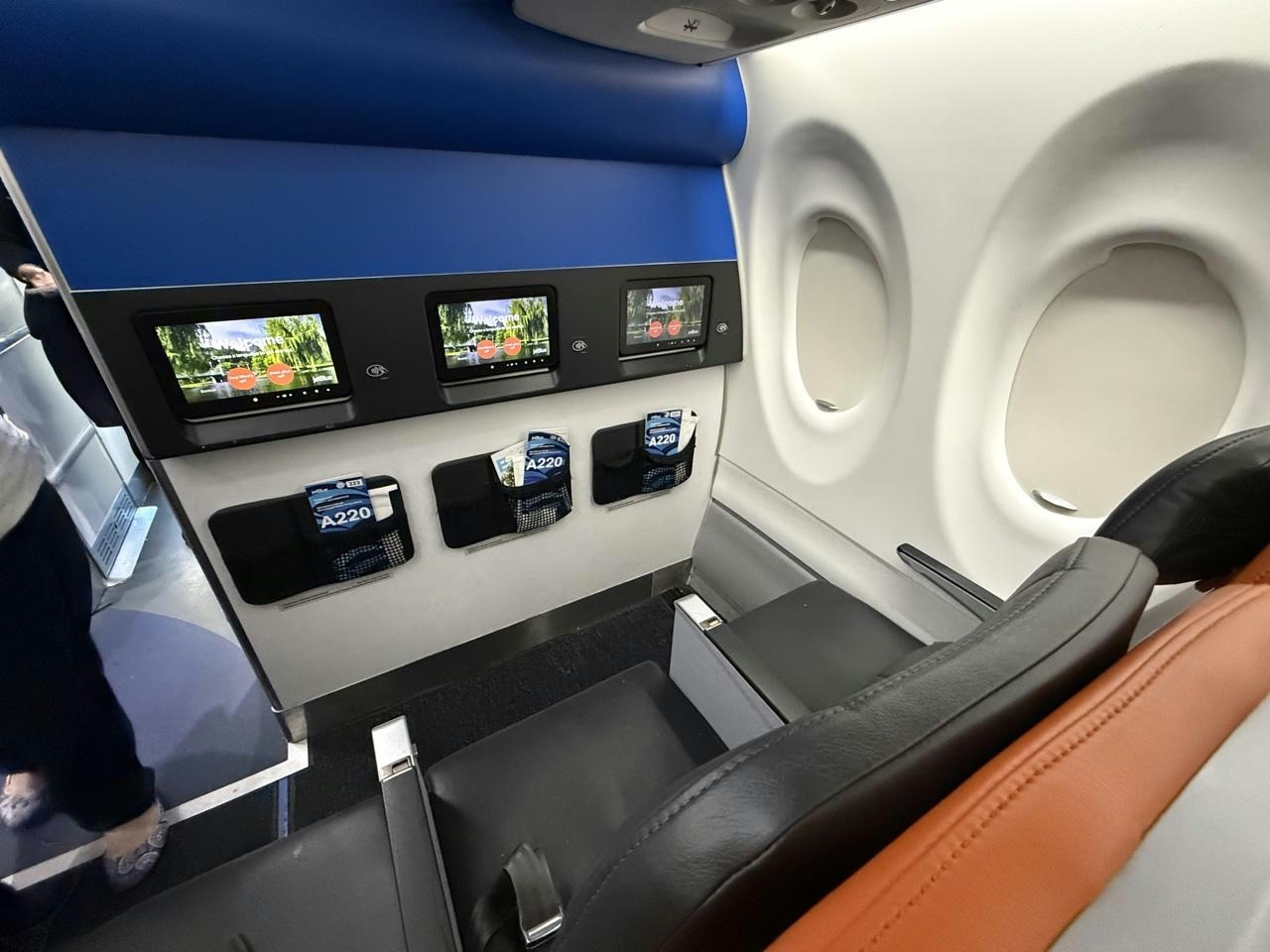
Switzerland Grounds Two Airbus A220-100 Jets to Sustain Larger A220-300 Fleet Amid Engine Shortages
Swiss International Air Lines has taken the unusual step of permanently grounding two of its Airbus A220-100 aircraft to preserve the operational capacity of its larger and more widely utilized A220-300 fleet. This decision arises amid significant shortages of Pratt & Whitney PW1500G geared turbofan engines, which power both A220-100 and A220-300 models, affecting Swiss and the broader aviation industry.
Strategic Fleet Adjustments Amid Engine Supply Constraints
The grounding affects Swiss operations across Switzerland, France, and Germany. The two A220-100 jets, registered HB-JBC and HB-JBD, have been transferred to Toulouse, France, for dismantling. This allows Swiss to salvage critical spare parts from these aircraft, which are then repurposed to support the maintenance and continued operation of the A220-300 fleet. The larger A220-300 aircraft serve higher-demand routes and are deemed more economically viable, making their uninterrupted service a priority.
This approach reflects a wider trend among international carriers, which are increasingly retiring older or smaller aircraft to maintain the reliability of their core fleets. By reallocating resources in this manner, Swiss aims to minimize disruptions to its daily flight schedules and reduce passenger inconvenience despite ongoing engine shortages.
Background and Ongoing Challenges
Swiss’s engagement with the A220 family began in 2016 when it became the global launch operator of the then-Bombardier CS100. Over the past decade, these single-aisle jets have been central to the airline’s short-haul operations. However, persistent supply chain disruptions and stringent maintenance requirements for the PW1500G engines have compelled Swiss to reassess its fleet priorities.
Initially, nine A220-100 aircraft were slated for temporary withdrawal from service. Instead of placing all in long-term storage, Swiss chose to permanently retire two airframes for parts, creating a short-term buffer to manage the engine shortage. The airline stresses that this is an internal resource management measure and does not represent a definitive decision on the future of the A220-100 subfleet.
The engine shortage has been intensified by rigorous maintenance and inspection protocols mandated by Pratt & Whitney, resulting in prolonged turnaround times at overhaul facilities worldwide. Consequently, airlines have faced difficulties securing sufficient spare engines to maintain their fleets.
Future Outlook and Industry Context
To further address the issue, Swiss plans to progressively withdraw the remaining seven A220-100 jets from active service over the coming months, with three already grounded. This phased approach prioritizes the operational stability of the larger A220-300 fleet, which is vital for sustaining the airline’s European network.
Despite these operational challenges, the Airbus A220 continues to enjoy strong global demand. Highlighting the aircraft’s enduring appeal, Malaysia’s AirAsia recently placed an order for 150 A220-300 jets, marking the largest single order ever for this model.
Swiss’s tactical fleet management exemplifies the difficult decisions airlines must make amid ongoing supply chain and maintenance challenges, as they seek to balance immediate operational reliability with long-term fleet strategy.

Etihad Airways Suspends Airbus A380 Flights on Key Route

Aditya Birla Group Seeks Approval for Aircraft Leasing in GIFT City

Qatar Airways Highlights Innovation and Connectivity at Arabian Travel Market 2026

Hong Kong's Five-Year Plan Includes Andrew Fan's Aircraft Parts Processing Hub Proposal

ACIA Aero Leasing Delivers ATR72-600 to Air Nostrum

RTX Appoints Jill Albertelli as Head of Pratt & Whitney

TAT Technologies Joins Beyond Aero Hydrogen Aircraft Program

AURAK Study Highlights Barriers to Air Taxi Adoption in Emerging Economies

Xiamen Air Selects Altitude for 787 Maintenance at Heathrow

Etihad and Swissport Extend Global Partnership
