
Orchestrer les insights d’IA pour les transformer en actions

Tendances
Categories
Why airports must embed AI into infrastructure to create a tailwind for growth
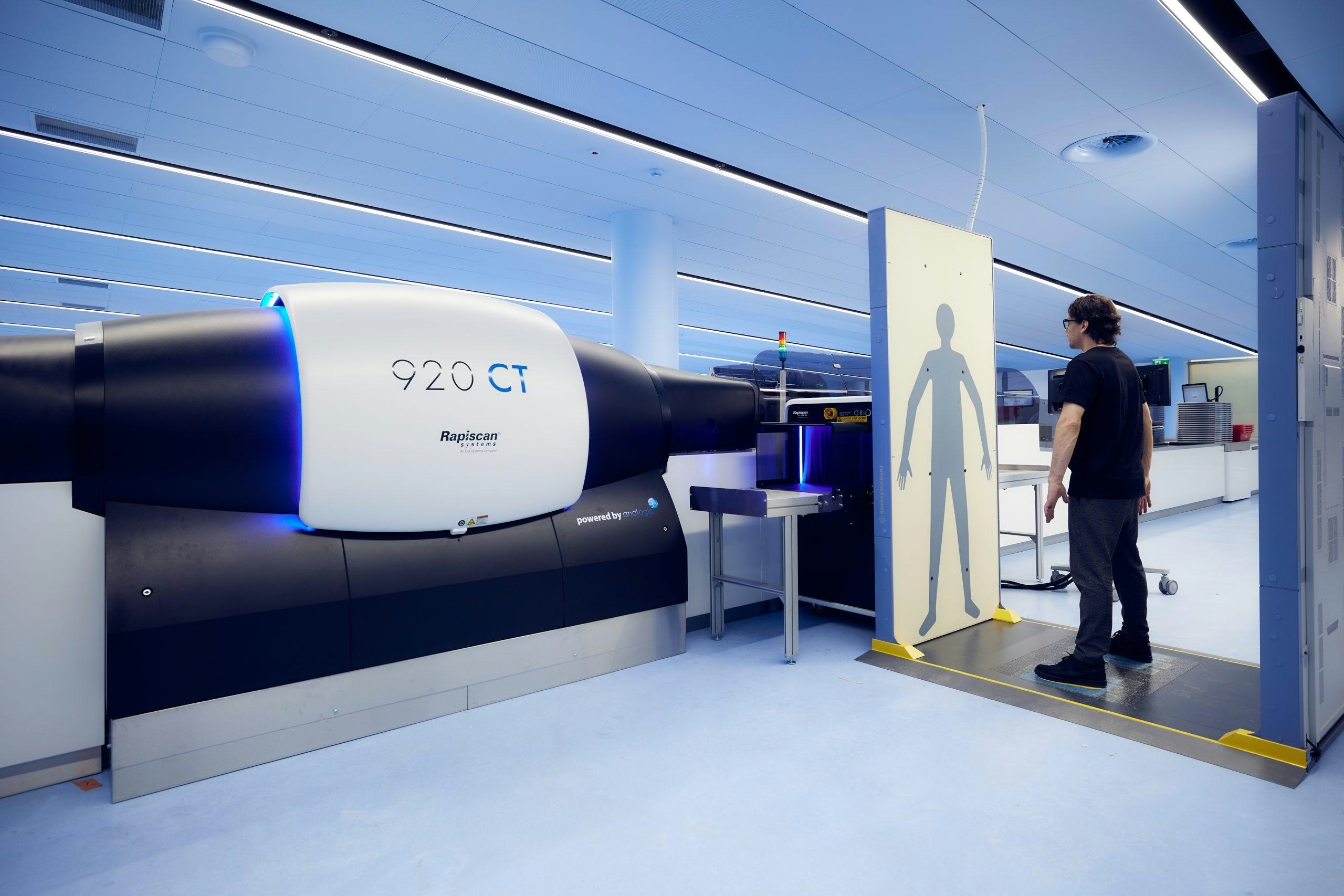
Why Airports Must Embed AI into Infrastructure to Create a Tailwind for Growth
Leadership and Innovation Amidst Crisis
Alicia Prince, Head of Operations at Cairns Airport, has played a pivotal role in navigating the airport through the unprecedented challenges posed by the COVID-19 pandemic. Her leadership was characterized by the rapid deployment of business continuity strategies, including the segregation of frontline staff into distinct teams and the implementation of stringent sanitisation protocols. Under her stewardship, the $55 million domestic terminal upgrade advanced safely, while the airport’s COVIDSafe Operation Plan—endorsed by Queensland’s Chief Health Officer—set a new standard for health and safety in the sector.
Prince’s approach extended beyond immediate crisis response. She spearheaded the redesign of airport layouts to physically separate low-risk and high-risk arrivals and introduced comprehensive hygiene measures. Additionally, she launched a COVIDSafe training program encompassing the entire airport community, ensuring that health and safety remained the foremost priority. These initiatives culminated in Cairns Airport becoming one of the first in Australia to receive the ACI Global Health Accreditation.
Beyond managing the pandemic’s impact, Prince led a terminal optimisation project that scaled down operations to achieve significant financial and environmental efficiencies. Throughout this period, she maintained transparent communication and fostered team cohesion, supporting her staff and 33 volunteers by delivering care packages during lockdowns.
The Imperative of AI Integration in Airport Infrastructure
Looking ahead, Prince’s experience highlights the critical need for airports to embed advanced technologies, particularly artificial intelligence (AI), into their infrastructure. The pandemic underscored the necessity for agile, data-driven decision-making and operational efficiency—domains where AI offers considerable advantages. AI-driven solutions have the potential to streamline passenger processing, enhance security protocols, and optimise resource allocation, thereby improving both operational performance and passenger satisfaction.
Nevertheless, the integration of AI into existing airport systems presents notable challenges. High upfront investment costs, the complexity of interfacing with legacy infrastructure, and stringent requirements for data privacy and security pose significant obstacles. Despite these challenges, the market outlook remains optimistic. The AI in Smart Transportation Market is projected to expand at a compound annual growth rate of 10.3% between 2025 and 2034, propelled by emerging technologies and innovative investment models.
Within the aviation sector, competitors are accelerating AI adoption to sustain a competitive advantage, frequently engaging in partnerships and collaborations to bolster their technological capabilities. Airports that fail to embrace AI risk falling behind as the technology becomes indispensable to operational excellence and enhanced customer experience.
Alicia Prince’s leadership at Cairns Airport exemplifies the benefits of proactive adaptation and collaborative innovation. As the industry continues to evolve, embedding AI into airport infrastructure will be essential to fostering resilience, driving growth, and delivering a seamless passenger experience in an increasingly dynamic environment.
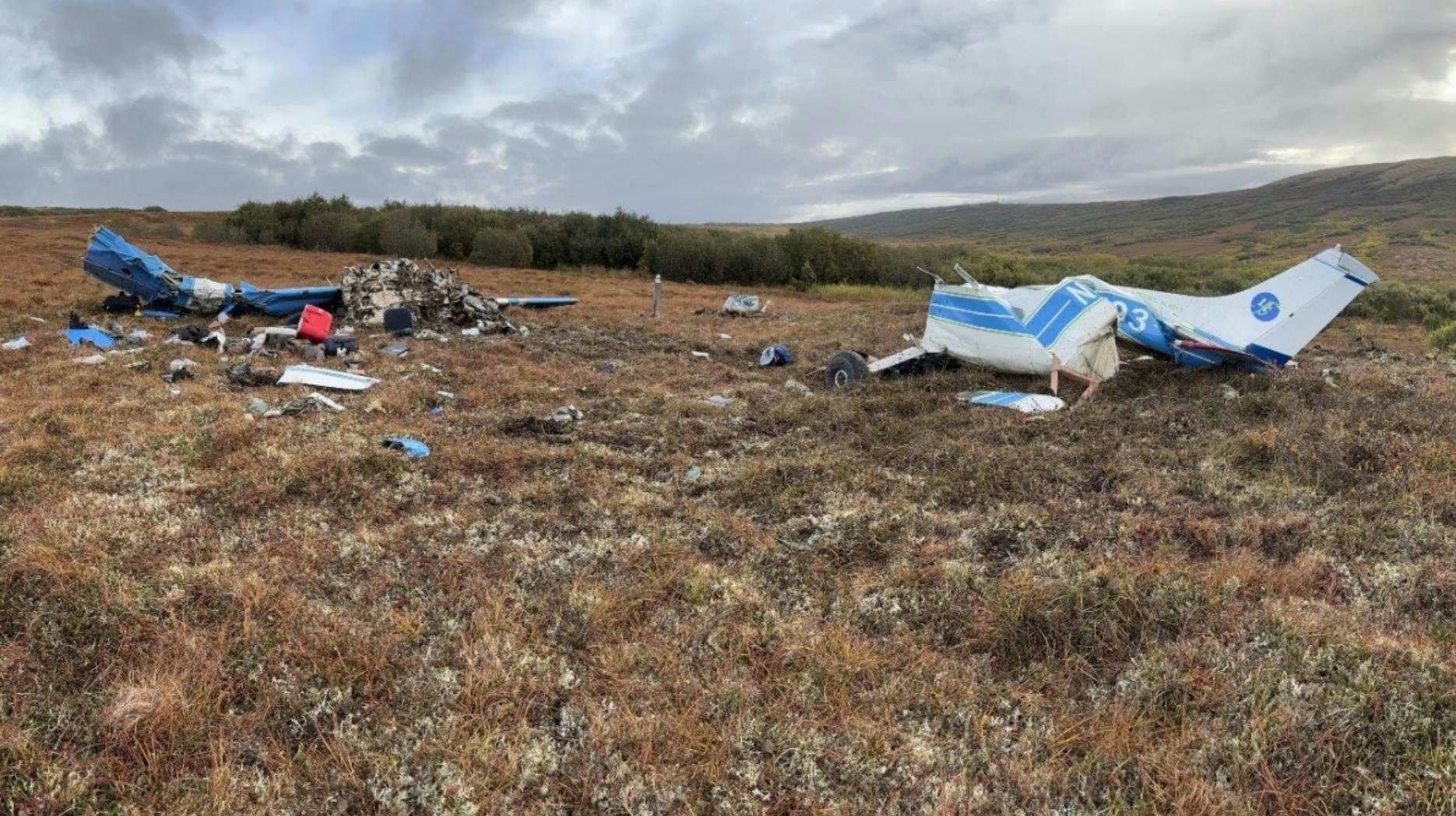
Eight Aboard Twin-Engine Cessna Crash in Remote Alaska
American Airlines Plans to Receive New Aircraft Deliveries in 2026

Delta Flight Returns to Atlanta Airport Due to Engine Trouble

Samoa Airways Recovers Damaged DHC-6-300 Aircraft

Man Ingested by Frontier Airlines Engine Marks Denver’s Sixth Airfield Security Breach in Three Years

The Advantages and Disadvantages of Owning Versus Leasing a Private Jet

Former Spirit Employees Express Concerns Over AI Partnership With Google
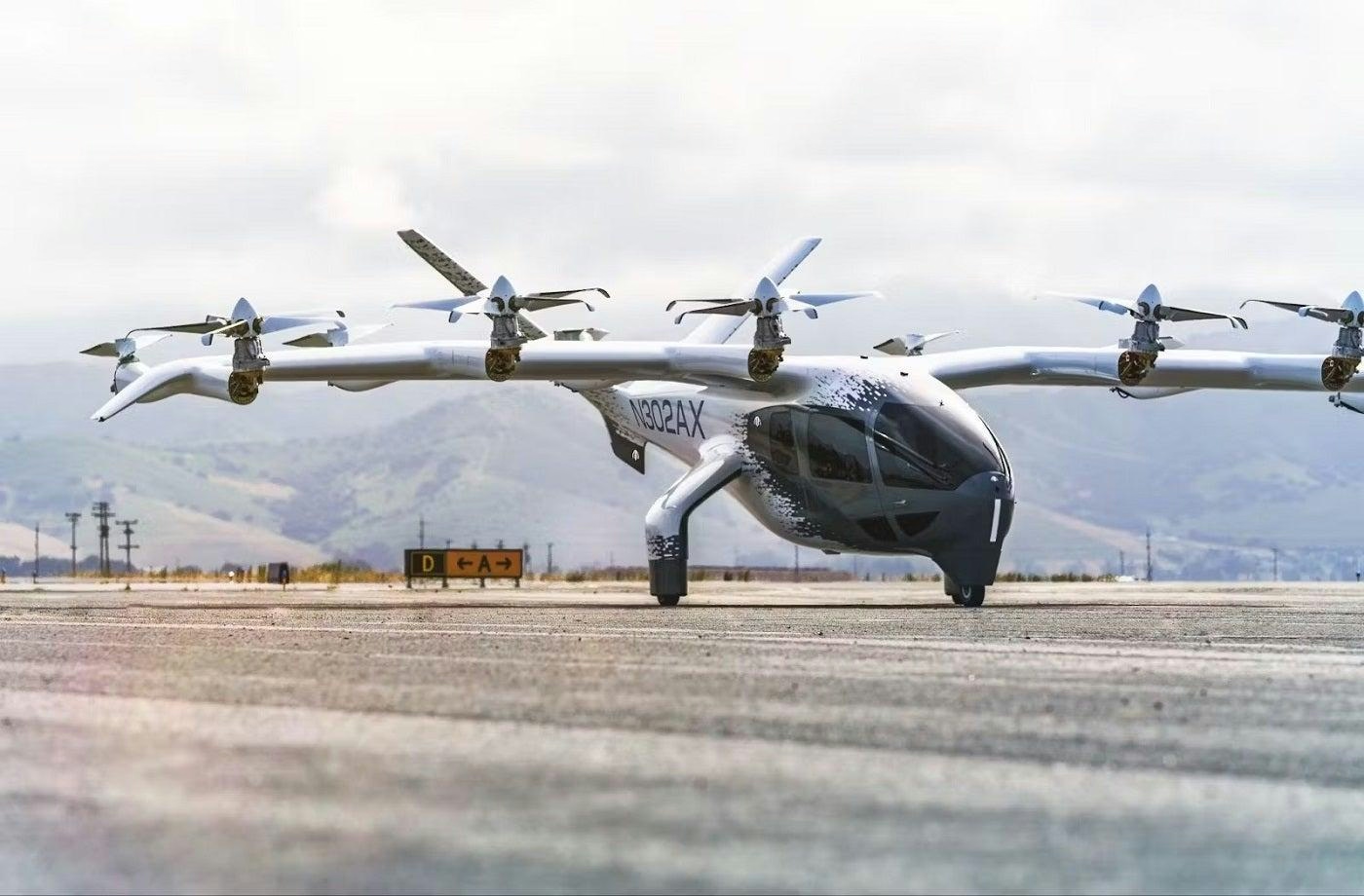
China Certifies Pilotless Air Taxi for Export; Sri Lanka First Buyer
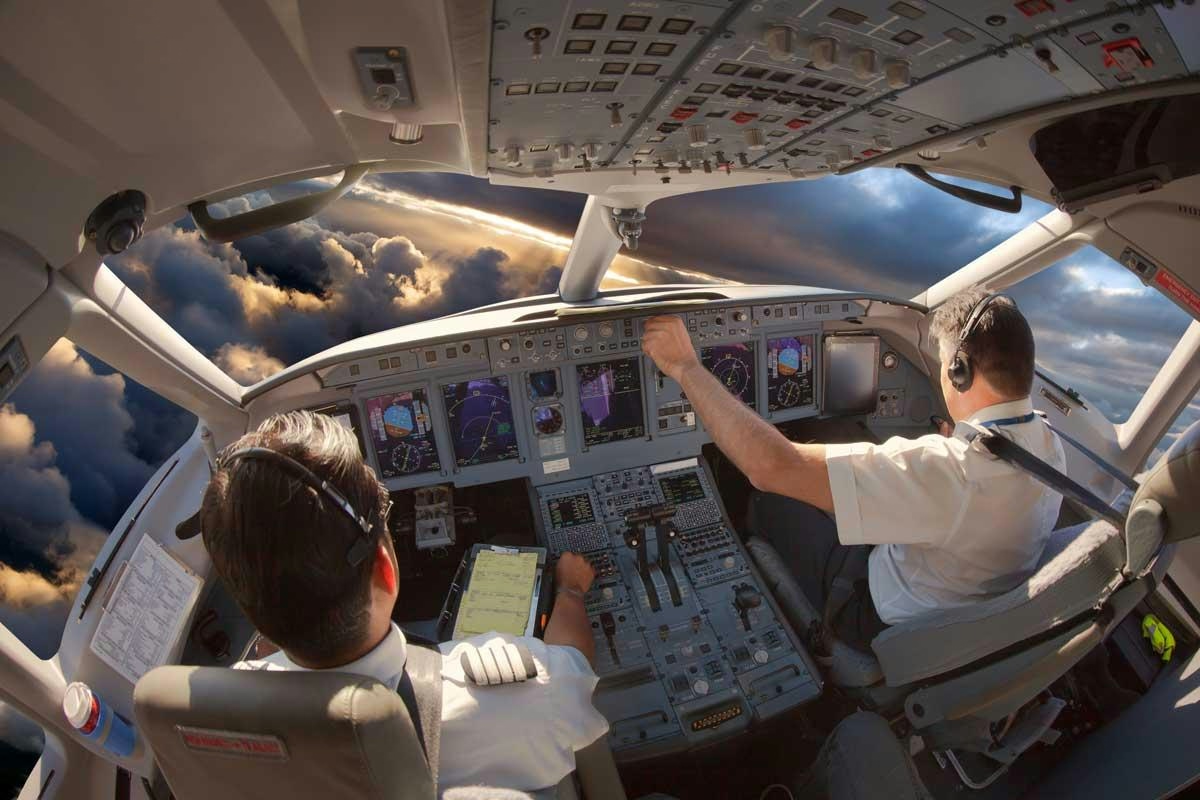
US Pilot Hourly Pay Ranges from $90 for Regional to $465 for Widebody Flights

NASA Chooses University Teams to Support Aviation Research
